
To become a drone pilot, you need to navigate the regulatory landscape, acquire the right training, and develop practical skills essential for flying drones effectively. This guide will provide you with a comprehensive overview of the steps and resources necessary to kickstart your career in this dynamic and rapidly evolving field.
Understand the Regulations
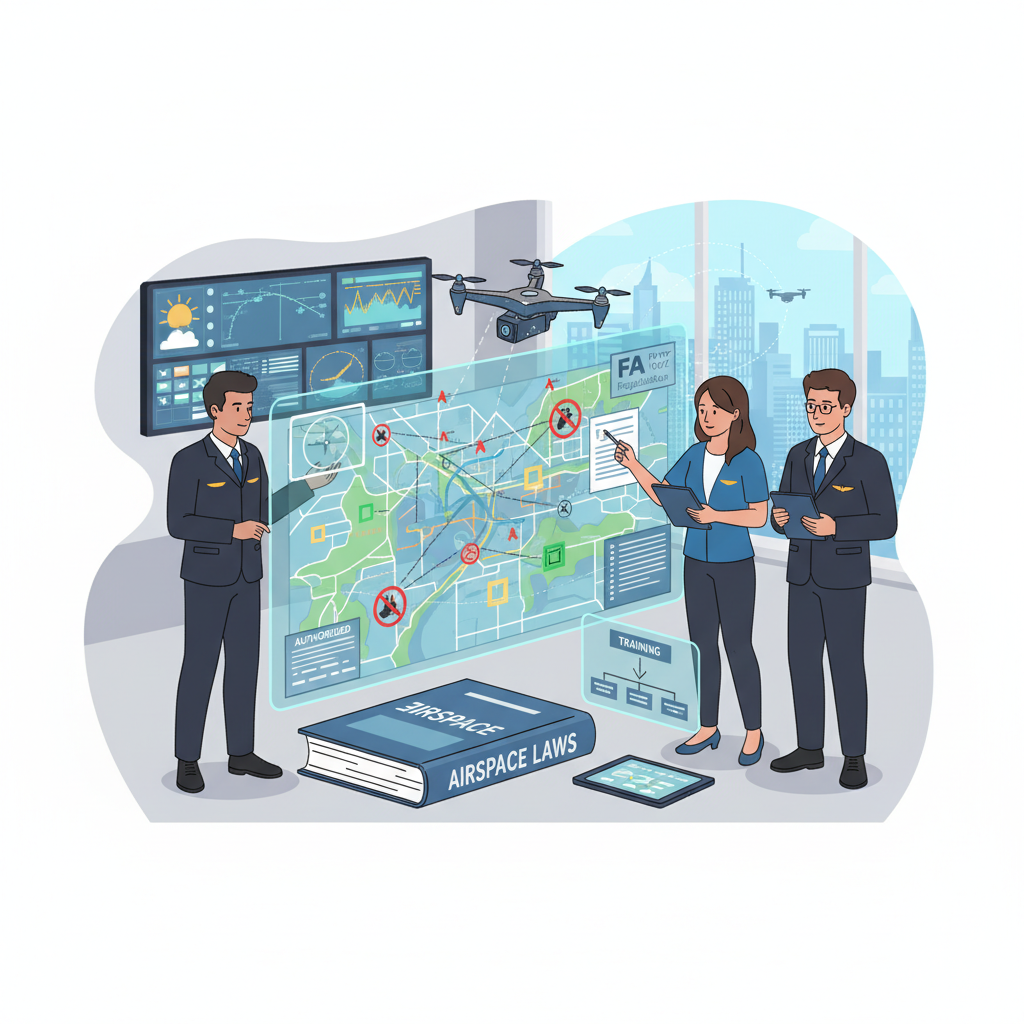
One of the first steps in your journey to becoming a drone pilot is to familiarize yourself with the regulations governing drone use, particularly in the United States. The Federal Aviation Administration (FAA) has established guidelines that are crucial for commercial operators. Understanding these regulations is imperative to ensure compliance and safety during operations.
A key certification required for commercial drone pilots is the FAA Part 107 license. This certification allows you to legally operate drones for commercial purposes, such as aerial photography, real estate marketing, or agricultural assessments. To obtain this license, you must pass a written exam that tests your knowledge of airspace classifications, weather, drone operations, and regulations. Preparing for this exam often involves studying the FAA’s official materials and taking practice tests to ensure you are well-versed in the necessary subjects.
Choose the Right Drone
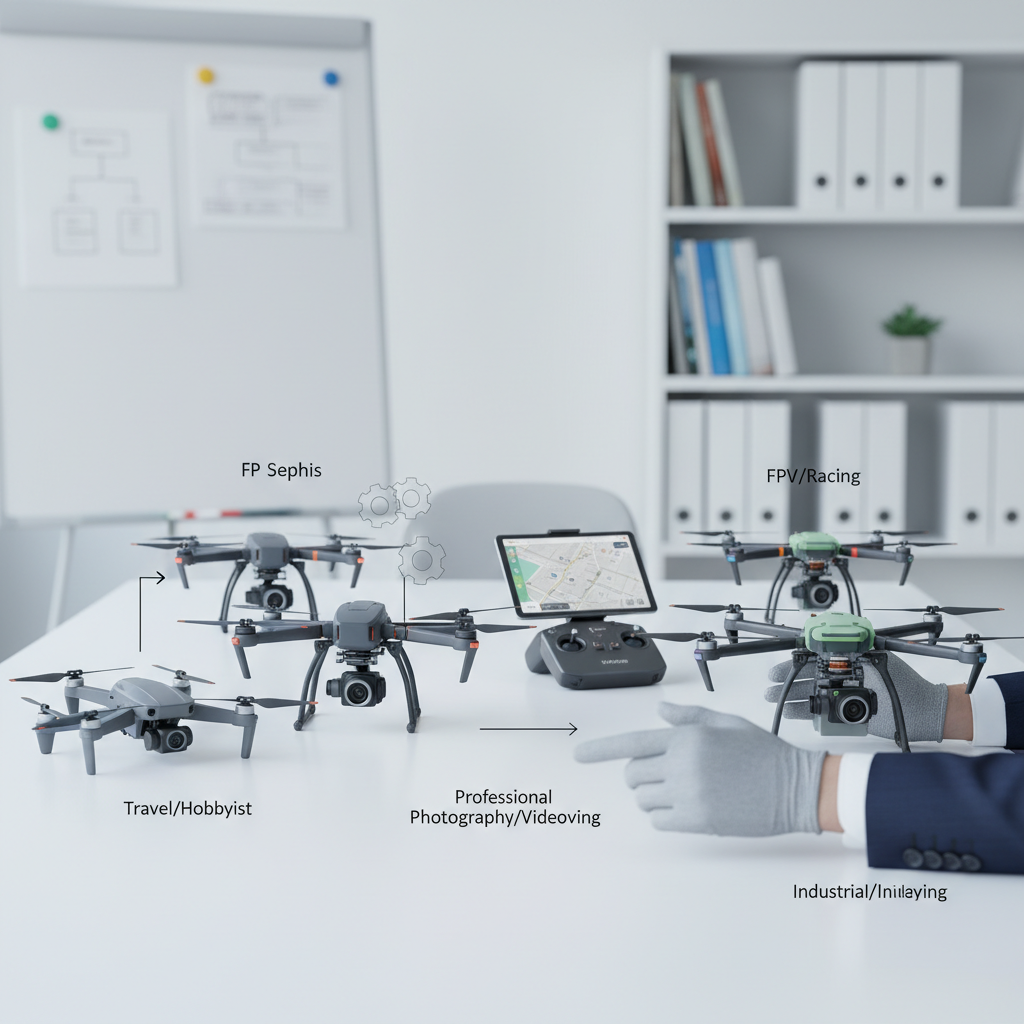
Selecting the right drone is a critical decision that will significantly impact your success as a drone pilot. Drones vary widely in terms of functionality, features, and price points, so it’s essential to research the models that best align with your intended use, whether it be recreational flying, commercial photography, surveying, or other applications.
For beginners, models like the DJI Mini SE or the Mavic Air 2 are excellent choices due to their user-friendly interfaces and robust camera capabilities. If your focus is on commercial applications, you might consider higher-end models such as the DJI Phantom 4 RTK, which offers advanced surveying capabilities and enhanced stability. Additionally, evaluate factors like battery life, range, and ease of maintenance to select a drone that meets your specific needs.
Get Proper Training
Once you have an understanding of the regulations and have chosen a suitable drone, the next step is to receive proper training. While some individuals may feel confident in their self-taught skills, enrolling in a certified drone piloting course or training program can provide you with the structured education needed to excel. These courses often cover essential topics, including flight techniques, safety protocols, and emergency procedures.
Practical training is equally important. Make sure to practice flying your drone in various conditions—such as different weather conditions and environments—to build your skills and confidence. Many training programs also offer simulated flight experiences, which can enhance your learning by allowing you to experience various scenarios without the risk of damaging your equipment.
Gain Flight Experience
Experience is a vital component of becoming a proficient drone pilot. Logging flight hours is essential not only for gaining confidence but also for meeting the experience requirements for certification and job applications. Many aspiring pilots aim for at least 20-50 flight hours before seeking employment or additional certification.
During your flight practice, experiment with various flying techniques and maneuvers, such as hovering, orbiting, and automated flight paths. This hands-on experience will prepare you for real-world applications, ensuring you can handle your drone under various circumstances. Consider joining local drone clubs or online communities to engage with other pilots, share experiences, and learn from more seasoned professionals.
Build a Portfolio
As you develop your skills and gain flight experience, it is crucial to create a portfolio that showcases your work. Capturing high-quality aerial footage or photographs can significantly enhance your credibility as a drone pilot. Consider participating in projects that allow you to demonstrate your capabilities, whether through volunteer work, personal projects, or paid gigs.
Once you have a collection of impressive visuals, create a website or social media profile dedicated to displaying your work. Platforms like Instagram, Vimeo, or YouTube can be particularly effective for sharing videos and photos that highlight your skills. A well-curated portfolio not only serves as a marketing tool but also helps you stand out in a competitive job market.
Network in the Industry
Networking is an essential aspect of advancing your career as a drone pilot. Engaging with other drone pilots and industry professionals can lead to valuable opportunities, collaborations, and insights into emerging trends. Online forums, social media groups, and local meetups are excellent places to connect with like-minded individuals who share your passion for drone technology.
Additionally, consider attending drone-related events and conferences, such as the InterDrone Conference or the Commercial UAV Expo. These gatherings provide a platform to learn from industry leaders, discover new technologies, and connect with potential employers or clients. Building a robust professional network can open doors to job opportunities and partnerships that are beneficial for your career.
Explore Job Opportunities
With the right certifications, training, and experience, you can begin exploring various job opportunities within the drone industry. The demand for skilled drone pilots is growing across multiple sectors, including aerial photography, agricultural monitoring, construction site surveying, and even drone delivery services.
Research different career paths to find an area that aligns with your interests and skills. For instance, if you enjoy creative expression, aerial photography or videography may be ideal. On the other hand, if you have a background in surveying or engineering, you might consider roles in construction or land development. Once you identify your desired niche, actively apply for jobs or freelance opportunities in your area of expertise, leveraging your portfolio and network to increase your chances of success.
In conclusion, becoming a drone pilot requires a combination of understanding regulations, acquiring the right training, and gaining practical experience. By following the steps outlined in this guide, you can effectively position yourself for success in this exciting and rapidly growing industry. Start your journey today, and take to the skies with confidence!
Frequently Asked Questions
What qualifications do I need to become a drone pilot?
To become a drone pilot, you typically need to obtain a Remote Pilot Certificate from the Federal Aviation Administration (FAA) in the United States. This requires passing the FAA’s Part 107 exam, which tests your knowledge of aviation regulations, airspace classifications, and drone operation. Additionally, having a background in aviation or related fields can be beneficial, but it’s not mandatory.
How can I prepare for the FAA Part 107 exam to become a certified drone pilot?
Preparing for the FAA Part 107 exam involves studying the relevant materials, including the Remote Pilot – Small Unmanned Aircraft Systems Study Guide published by the FAA. Many online courses and study guides are available to help you understand the key concepts and regulations. Practice tests are also a great way to familiarize yourself with the exam format and identify areas where you need further study.
Why should I consider becoming a drone pilot?
Becoming a drone pilot opens up numerous career opportunities in various industries, including real estate, agriculture, construction, and photography. Drones are increasingly used for aerial surveys, inspections, and video production, making skilled pilots highly sought after. Additionally, the drone industry is rapidly growing, offering the potential for lucrative freelance work or full-time employment.
What types of drones can I operate as a certified drone pilot?
As a certified drone pilot under the FAA’s Part 107 regulations, you can operate small unmanned aircraft systems (UAS) weighing up to 55 pounds. This includes a variety of drones designed for different purposes, such as photography, surveying, and mapping. However, if you wish to operate larger drones or those used for specific applications like delivering packages, you may need to pursue additional certifications or waivers.
Which industries offer the best job opportunities for certified drone pilots?
Certified drone pilots can find job opportunities across a range of industries, with some of the best prospects in real estate, agriculture, construction, and film production. Real estate agents often use aerial photography to showcase properties, while agricultural companies employ drones for crop monitoring and analysis. The construction industry utilizes drones for site surveys and inspections, while the film industry values drone pilots for capturing stunning aerial footage.
References
- https://en.wikipedia.org/wiki/Drone_pilot
- https://www.faa.gov/uas/getting_started/fly_for_fun
- https://www.faa.gov/uas/commercial_operators/
- https://www.suasnews.com/2021/04/guide-to-becoming-a-drone-pilot/
- https://www.nap.edu/catalog/25183/drone-pilot-training-and-certification
- https://www.nationalgeographic.com/science/article/drone-pilots-education-career-paths
- https://www.techrepublic.com/article/how-to-become-a-drone-pilot/
