
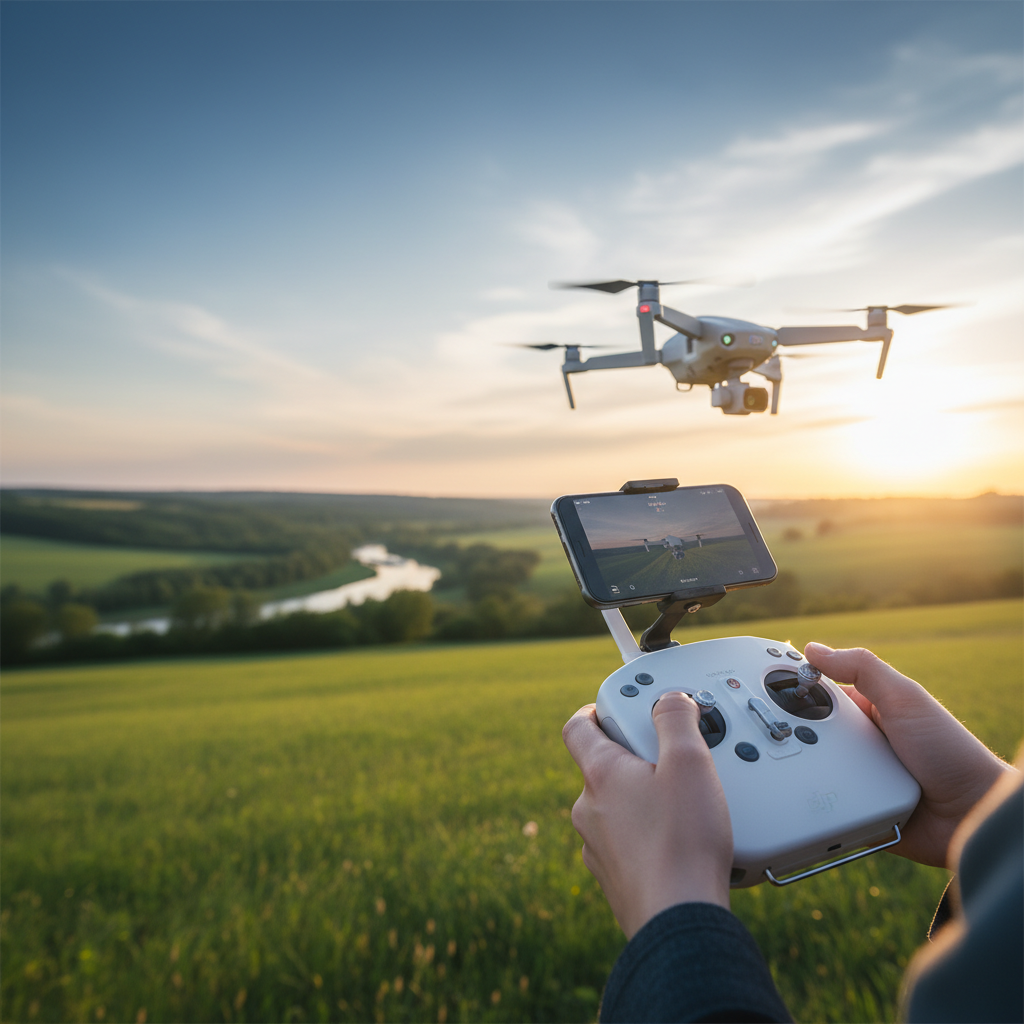
To control a drone effectively, you need to master the basic controls and understand the drone’s features. This involves familiarizing yourself with the remote controller, practicing in open areas, and comprehending essential drone functionalities. This guide will walk you through the crucial aspects of drone operation, ensuring you gain the skills necessary for a safe and enjoyable flying experience.
Understanding Drone Components
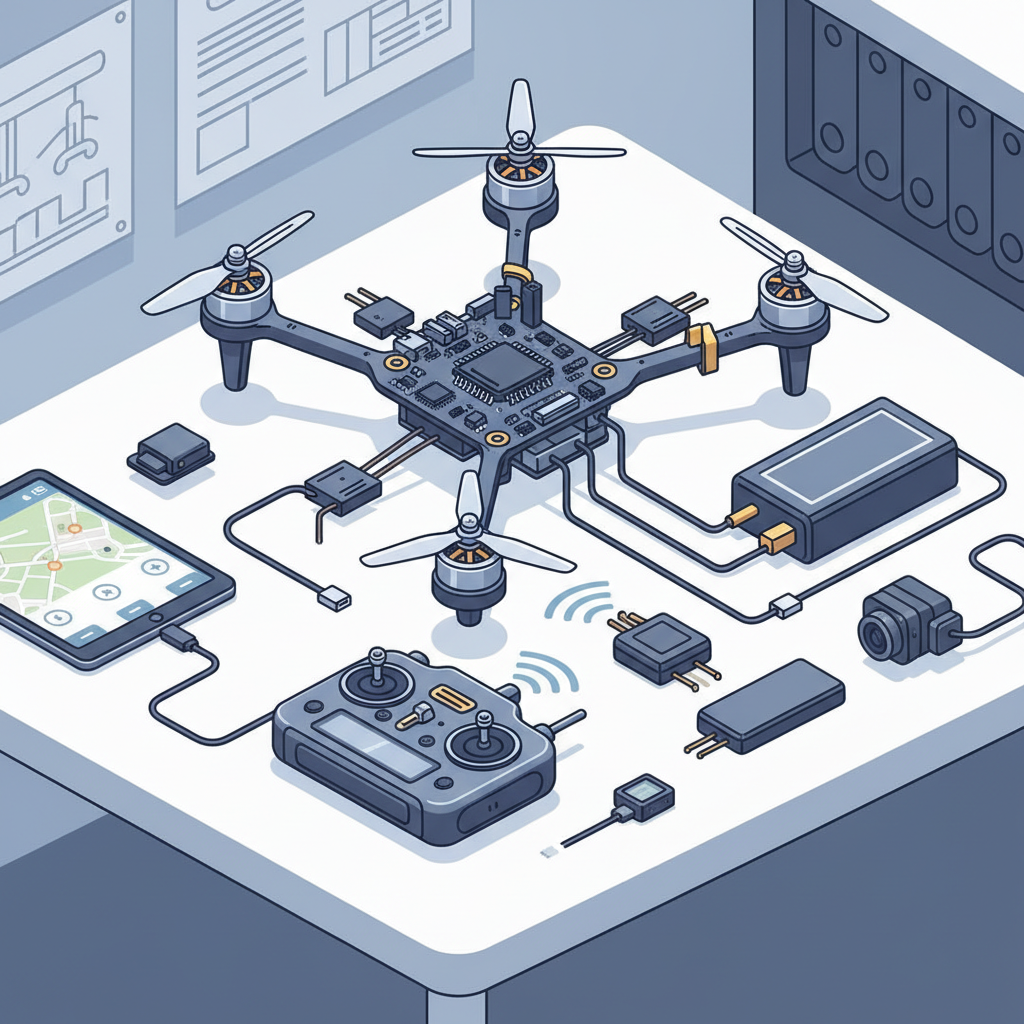
Understanding the various components of a drone is fundamental for effective operation. A typical drone consists of several key parts, including rotors, a camera, and a battery. Rotors are responsible for lift and maneuverability; they rotate to create thrust, allowing the drone to ascend or descend. A well-functioning battery ensures that your drone remains airborne, so it’s essential to know how to check its health and recharge it properly.
Additionally, familiarize yourself with the remote control, which is your primary interface for navigation. Most controllers feature joysticks for movement, buttons for taking photos or videos, and switches for activating various flight modes. Learning the functions of these buttons—such as the return-to-home feature, take-off, and landing commands—will streamline your flying experience and enhance your confidence as a pilot.
Preparing for Flight

Preparation is key to a successful drone flight. Before taking off, always check the battery levels and ensure they are fully charged. A low battery can lead to sudden loss of power mid-flight, which could result in crashes or damage to the drone. Additionally, inspect the drone for any damages or loose components. Look for bent propellers, loose camera mounts, or any signs of wear that could affect performance. Regular maintenance not only prolongs the life of your drone but also ensures safety during operation.
Choosing the right environment for your first flights is also crucial. Select an open area away from crowds, trees, and power lines to minimize risks. Familiarizing yourself with the surroundings can prevent potential accidents and enhance your flying experience.
Basic Flight Controls
Mastering basic flight controls is essential for any beginner drone pilot. The fundamental maneuvers include ascending, descending, and turning. To ascend, gently push the throttle stick (usually the right joystick) upward; conversely, to descend, gradually pull it down. Practice these movements in a controlled manner to avoid sudden drops or climbs that can lead to crashes.
Turning the drone involves lateral movement of the joystick, which controls yaw—the rotation around the vertical axis. Practice making wide turns before trying tighter maneuvers. Additionally, throttle control is vital for smooth takeoffs and landings; a gradual increase and decrease in throttle will help you avoid abrupt movements that can destabilize the drone.
Regular practice in a safe environment will build your confidence and skill set, allowing you to transition to more advanced flying techniques.
Advanced Flight Techniques
Once you have mastered basic controls, it’s time to explore advanced flight techniques. Many modern drones come equipped with features like GPS mode, altitude hold, and return-to-home functions. GPS mode allows the drone to maintain its position using satellite signals, making it easier to control. Altitude hold enables the drone to maintain a steady height, freeing you to focus on navigation rather than throttle adjustment.
Experimenting with different flight modes can also enhance your experience. For instance, sport mode allows for quicker movements and sharper turns, while cinematic mode smooths out inputs for more stable video footage. Understanding these features not only improves your flying skills but also allows you to tailor your flight experience to different environments, whether you’re capturing stunning landscapes or racing through obstacle courses.
Safety Guidelines for Drone Operation
Safety should always be a top priority when operating a drone. Always fly in open areas away from people, animals, and obstacles to minimize the risk of accidents. Familiarize yourself with local regulations governing drone use, as many areas have restrictions on where and how high you can fly. Obtaining necessary licenses may be required in certain jurisdictions, especially for commercial use.
Additionally, consider the weather conditions before flying. Windy or rainy weather can significantly affect drone stability and control. It’s best to avoid flying in adverse conditions until you’re more experienced.
Educating yourself on the legal requirements and adhering to safety guidelines will not only keep you out of trouble but also protect the integrity of the drone community as a whole.
Troubleshooting Common Issues
Even experienced drone pilots encounter issues from time to time, making it essential to know how to troubleshoot common problems. One frequent issue is connectivity problems between the drone and the controller. If you notice that the drone is not responding to commands, check the battery levels of both the drone and the remote control. Additionally, ensure that both devices are within range and that there are no obstructions blocking the signal.
Another common issue is erratic behavior, such as drifting or sudden changes in altitude. This can often be resolved by recalibrating your drone. Most drones have a specific calibration process that can be initiated through the app or remote control. Following the manufacturer’s instructions will help ensure that your drone flies smoothly.
Being proactive about troubleshooting can minimize downtime and enhance your flying experience.
Tips for Capturing Great Footage
Capturing stunning aerial footage is one of the most rewarding aspects of flying a drone. To achieve great results, use stable flight patterns that minimize jolts and jerks. Smooth, gradual movements will lead to more professional-looking video recordings. Consider practicing specific maneuvers, such as figure-eights or circular paths, to produce fluid footage.
Experimenting with angles and heights can also enhance your photography skills. For instance, flying higher can provide breathtaking panoramic views, while flying lower can capture intricate details of the landscape. Using the drone’s camera settings to adjust exposure and framing will further improve the quality of your shots.
In addition, familiarize yourself with the editing software that accompanies your drone footage. Post-processing can dramatically enhance your videos, allowing you to create stunning visual narratives that captivate viewers.
By understanding the controls and practicing regularly, you can become proficient in flying a drone. Remember to prioritize safety and have fun exploring the skies! With time and experience, you will not only master the technical skills required to operate a drone but also discover the joy of capturing the world from a unique perspective.
Frequently Asked Questions
What are the basic controls for flying a drone?
The basic controls for flying a drone typically include the left joystick for altitude (up and down) and yaw (rotation left and right), while the right joystick controls pitch (forward and backward) and roll (left and right). Understanding how these controls interact is essential for maneuvering the drone smoothly. Additionally, familiarize yourself with the drone’s flight modes, such as GPS mode and manual mode, which can significantly affect how you control the drone.
How do you calibrate a drone before flying?
To calibrate a drone before flying, you’ll usually need to follow a specific process outlined in the user manual. Generally, this involves placing the drone on a flat surface, then performing a series of movements such as rotating the drone horizontally and vertically. Calibration ensures the drone’s sensors are accurately aligned and helps prevent issues such as drifting or unstable flight, ultimately allowing for safer and more precise control during your flight.
Why is my drone flying erratically, and how can I fix it?
An erratic flight can be caused by several factors, including low battery levels, improper calibration, or interference from nearby electronic devices. To fix this issue, start by checking the battery and ensuring it is fully charged, recalibrating the drone’s sensors, and flying in an area free from potential interference. Additionally, make sure your drone’s firmware is updated, as manufacturers often release updates that can improve flight stability.
What is the best way to learn how to control a drone effectively?
The best way to learn how to control a drone effectively is by starting with a beginner-friendly model or a flight simulator that allows you to practice without the risk of damaging an expensive drone. Watching instructional videos and online tutorials can also provide valuable tips and visual demonstrations of various maneuvers. Finally, consider joining a local drone club or community where you can receive hands-on guidance from experienced pilots, share tips, and learn from their experiences.
Which features should I look for in a beginner drone for easier control?
When selecting a beginner drone, look for features such as GPS stabilization, altitude hold, and one-key takeoff/landing, as these can significantly simplify control for new pilots. Additionally, consider drones with built-in safety features like obstacle avoidance and emergency stop functions, which enhance safety and provide a smoother flying experience. Models with a user-friendly app interface for controlling flight modes and settings can also make learning to fly more accessible and enjoyable.
References
- https://en.wikipedia.org/wiki/Drone_control
- https://www.faa.gov/uas/
- https://www.nasa.gov/mission_pages/uexploration/technology/robotic_control.html
- https://www.researchgate.net/publication/332202055_Control_of_Multi-Rotor_Drones
- https://www.suasnews.com/2020/03/introduction-to-drone-control-systems/
- https://www.nist.gov/news-events/news/2019/01/how-control-drones-advanced-systems-using-machine-learning
- https://www.bbc.com/future/article/20200915-how-drone-pilots-learn-to-control-their-vehicles
- https://www.sciencedirect.com/science/article/pii/S2352864819302909
- https://www.airspacemag.com/space/how-drones-are-controlled-180972774/
