

To effectively defend against drones, utilize a combination of detection systems, countermeasures, and legal strategies. This multi-faceted approach not only safeguards your property and privacy but also enhances your awareness of the rapidly evolving technology used in drone operations. As drones become increasingly accessible for personal and commercial use, understanding the potential threats they pose and the strategies to counteract them is essential for homeowners, businesses, and organizations alike.
Understanding the Drone Threat
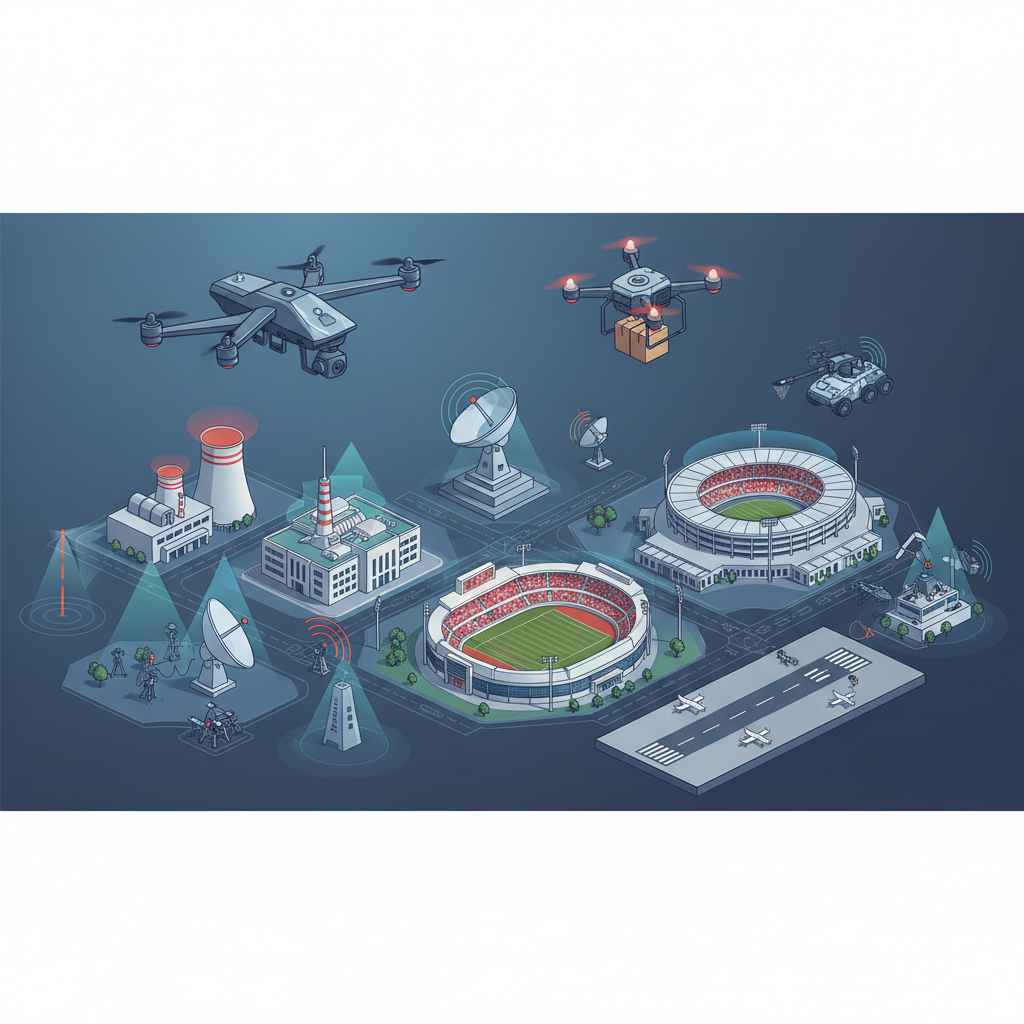
Drones can be classified into various categories, primarily consumer-grade and military-grade models. Consumer drones, often used for recreational purposes, photography, or delivery services, typically lack the sophisticated technology found in military-grade drones, which can be equipped with advanced surveillance systems and payload delivery mechanisms. The risks posed by drones extend beyond mere annoyance; they can include potential surveillance of private activities, delivery of harmful payloads such as explosives or biological agents, and significant invasions of privacy. For example, incidents have been reported where drones were used to spy on individuals in their own homes or to deliver contraband to prisons, illustrating the diverse threats that both personal and commercial drones can pose.
Detection Methods
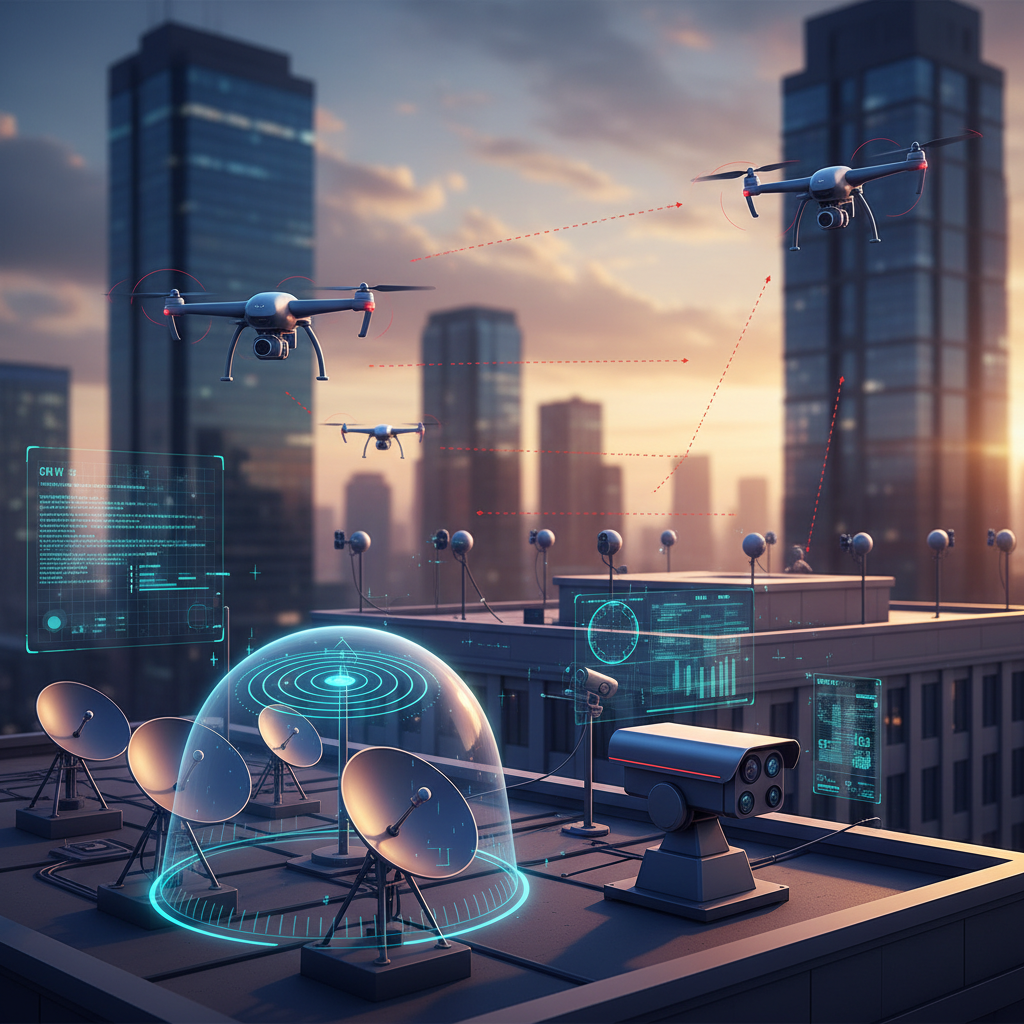
Effective drone defense begins with reliable detection methods. One of the most common systems employed is radar technology, which can identify the presence of drones within a designated airspace. Modern radar systems can differentiate between various types of airborne objects, making it easier to determine whether a detected object is a drone or a harmless bird.
In addition to radar, acoustic sensors represent an innovative method of drone detection. These devices utilize sound detection technology to recognize the distinct noise patterns created by drone propellers. By analyzing the frequency and amplitude of these sounds, acoustic sensors can provide alerts even in areas where radar may be ineffective, such as urban environments with high levels of background noise. Combining these systems increases detection reliability and enhances overall situational awareness.
Countermeasures
Once a drone threat has been detected, it is crucial to have effective countermeasures in place. Jamming technology is one of the most widely discussed methods for neutralizing drone operations. By disrupting the communication signals between the drone and its operator, jamming devices can force the drone to land or return to its point of origin. However, it is important to note that the legality of using jamming technology varies by region, and individuals must familiarize themselves with local laws before implementation.
Another effective countermeasure is the use of net guns, which are designed to physically capture drones in flight without causing damage to the drone or surrounding property. These devices shoot a net that ensnares the drone, allowing for safe retrieval. Organizations such as airports and military facilities are increasingly employing this technology to mitigate the risks posed by unauthorized drones in their airspace.
Legal Considerations
Understanding the legal landscape surrounding drone operations is essential for effective defense. Property owners should familiarize themselves with local drone regulations, which can vary significantly between jurisdictions. In many places, laws protect individuals from unauthorized surveillance by drones, and knowledge of these regulations can empower property owners to take appropriate action against invasive drone activity.
Reporting incidents of drone harassment is another important aspect of legal preparedness. Establishing a clear process for documenting drone-related incidents—such as keeping a log of sightings, taking photographs, and contacting local law enforcement—can provide crucial evidence should legal action become necessary. Individuals should also consider engaging with local authorities to advocate for stricter regulations governing drone use in their communities.
Community Awareness and Collaboration
Defending against drone threats is not solely the responsibility of individuals; community awareness and collaboration play a critical role in enhancing collective security. Engaging with neighbors to share information about drone sightings and concerns can create a more informed and vigilant community. Organizing local meetings or online forums can facilitate discussions on drone-related issues, enabling participants to voice concerns and share strategies.
Forming local groups dedicated to community defense initiatives can further enhance drone awareness efforts. These groups can collaborate on awareness campaigns, educational workshops, and even community patrols to monitor drone activity. The more people involved in surveillance and reporting, the more effective the collective response will be when addressing drone threats.
Future Technologies in Drone Defense
As the drone landscape evolves, so too do the technologies available to defend against them. Emerging advancements include anti-drone lasers capable of disabling drones with precision, minimizing collateral damage. These systems can be particularly useful in high-security environments, such as military bases and critical infrastructure sites.
Artificial intelligence (AI) detection systems are also on the rise, leveraging machine learning algorithms to analyze drone behavior and predict potential threats. By identifying unusual flight patterns or unauthorized drone activity, AI systems can provide real-time alerts to security personnel, allowing for quicker responses to potential risks.
Moreover, government involvement can offer additional support for community defense programs. Potential funding and resources can be allocated to local law enforcement agencies to develop drone monitoring and neutralization capabilities, thereby strengthening community security against drone threats.
In conclusion, defending against drones requires a multi-faceted approach that includes technology, legal knowledge, and community efforts. By employing a combination of detection systems, countermeasures, and staying informed about evolving regulations and technologies, individuals and communities can proactively protect their privacy and security. As drones continue to integrate into various aspects of daily life, remaining vigilant and prepared will be key to ensuring safety in our airspace.
Frequently Asked Questions
What are the most effective methods to defend against drones?
The most effective methods to defend against drones include using anti-drone technology such as jamming devices, radar systems, and net guns. These tools can disrupt drone communications or physically capture them. Additionally, employing trained personnel to monitor airspace and utilizing physical barriers like nets can enhance security. It’s crucial to choose a method that aligns with your specific needs, whether for personal privacy, event security, or military applications.
How can individuals protect their privacy from drones?
Individuals can protect their privacy from drones by implementing several strategies, such as using privacy screens or reflective materials in their yards to obstruct drone surveillance. Additionally, maintaining awareness of drone activity in your area and reporting suspicious drone behavior to local authorities can help deter unauthorized surveillance. Investing in technology like drone detection systems can provide alerts about nearby drones, allowing you to take necessary precautions to safeguard your privacy.
Why is it important to defend against unauthorized drones?
Defending against unauthorized drones is essential to protect personal privacy, sensitive information, and even physical safety. Drones can be used for illicit surveillance, data theft, or even as delivery methods for harmful substances. By understanding the potential risks and implementing defensive measures, individuals and organizations can mitigate these threats and ensure a safer environment for themselves and their communities.
What is the best technology available for drone defense systems?
The best technology for drone defense systems includes advanced radar systems, drone jammers, and electronic countermeasure devices that can neutralize drone threats. Systems like SkyWall and DroneShield offer comprehensive solutions that can detect, track, and disable unauthorized drones. Choosing the right technology will depend on your specific requirements, such as the size of the area to be protected and the level of threat expected from potential drone incursions.
Which legal measures can I take to defend against drones in my area?
Legal measures to defend against drones vary by location but typically include understanding local laws regarding drone flight and privacy. Many regions have regulations that prohibit flying drones over private property without permission. You can also file complaints with local authorities or advocate for stricter drone regulations in your community. Engaging with legal counsel knowledgeable in aviation law can provide guidance on your rights and options for addressing concerns about unauthorized drone activity.
References
- https://en.wikipedia.org/wiki/Drone_warfare
- https://www.bbc.com/news/technology-50926003
- https://www.nytimes.com/2021/04/09/us/drones-military-technology.html
- https://www.rand.org/pubs/research_reports/RR3097.html
- https://www.c-span.org/video/?c4940756/drones-security
- https://www.jstor.org/stable/10.5325/jmilstudieduc.6.1.0073
- https://www.defense.gov/Explore/Spotlight/Unmanned-Systems/
- https://www.theguardian.com/global-development/2020/jan/08/how-to-defend-against-drones-ukraine-uk-iraq
- https://www.axios.com/2021/07/12/drones-defense-technology-ukraine
