
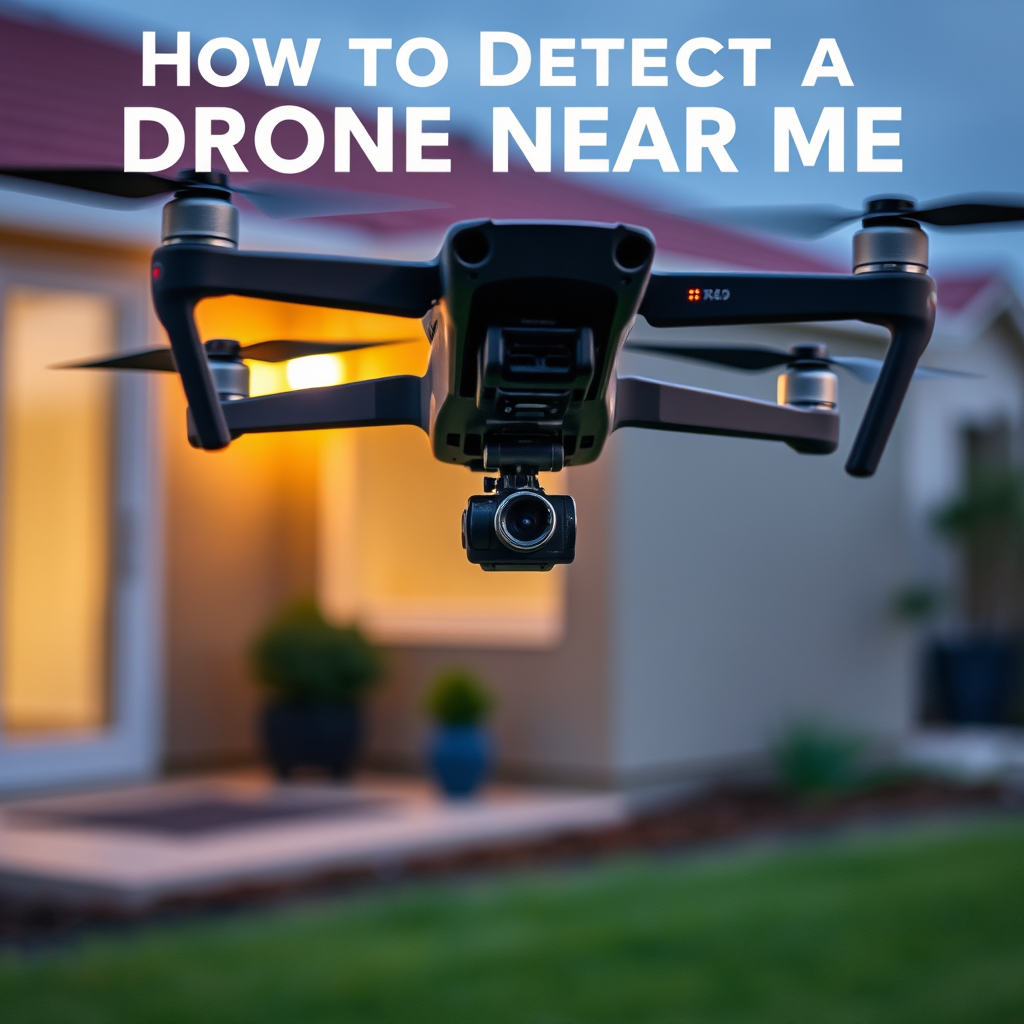
If you want to detect a drone near you, consider using technology, observation techniques, and sound awareness. Drones have become increasingly ubiquitous, and knowing how to identify their presence is essential for privacy and safety. This article will guide you through various effective methods to identify the presence of drones in your vicinity, allowing you to stay informed and proactive.
Understanding Drone Detection Technologies
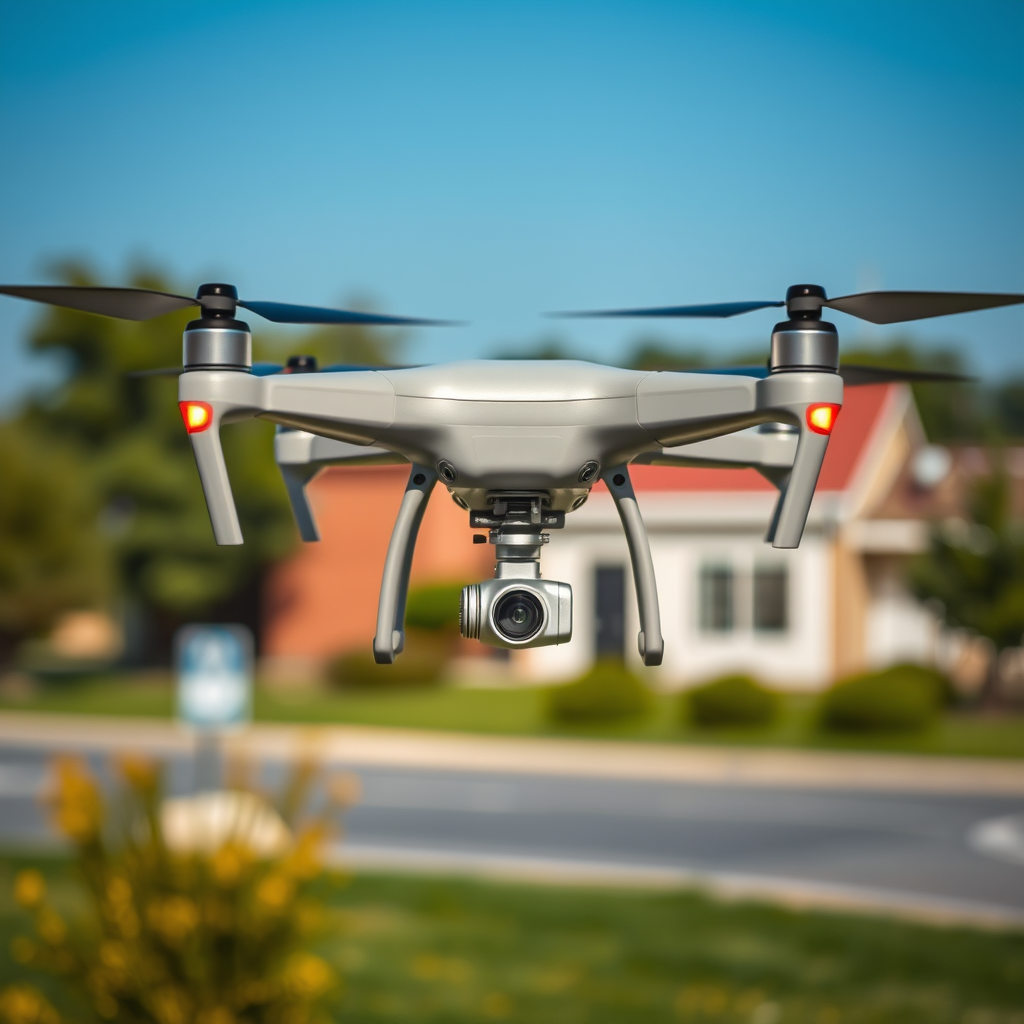
Detecting drones has advanced significantly with the evolution of technology. Specialized apps are now available that can identify drones by utilizing radio frequencies. These applications analyze signals and help users determine whether a drone is operating in their vicinity. Some prominent examples include DroneWatcher and AirMap, which provide real-time information regarding drone activity based on frequency scans.
Moreover, radar systems are being developed to enhance drone detection capabilities. These systems can pick up drone signals even from a considerable distance, allowing for early identification of potential intrusions. For instance, companies like Dedrone and DroneShield offer sophisticated radar systems that can detect multiple drones simultaneously, providing alerts to users about unauthorized activities. Investing in such technology can be particularly beneficial for businesses or properties that require an added layer of security.
Visual Identification Techniques
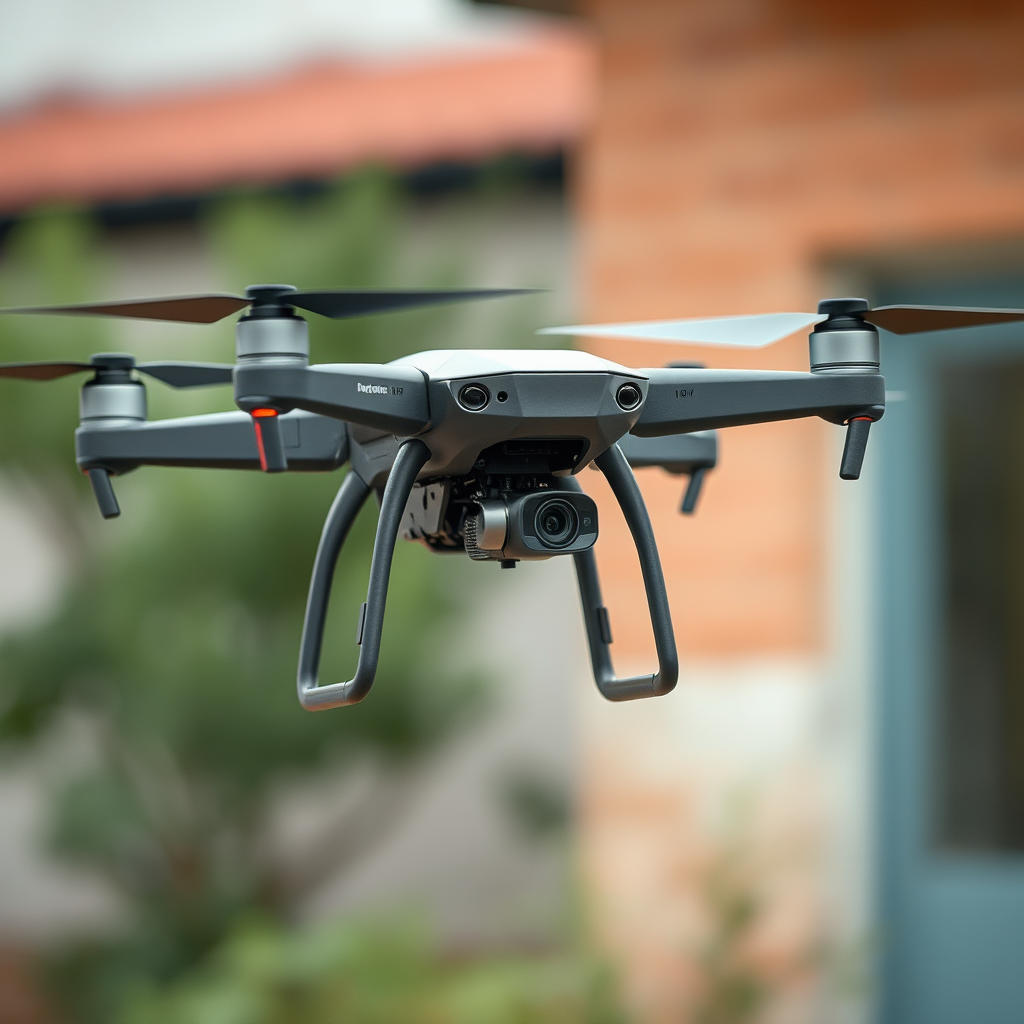
Visual identification is a practical method to spot drones in your area. Understanding the common shapes and sizes of drones prevalent in your locality is crucial. Most consumer drones, such as the DJI Phantom or Mavic series, have distinct rectangular or quadcopter shapes that can be recognized even from a distance. Knowing the characteristics of these models can significantly enhance your ability to identify them.
Using binoculars or a camera with a zoom lens can further aid in spotting drones at a distance. This method allows you to confirm the presence of a drone without the need to approach it directly. When scanning the sky, look for unusual movements or hovering objects that do not match typical bird or aircraft behavior. Factors such as altitude, speed, and flight patterns can provide clues about whether what you’re seeing is indeed a drone.
Sound Awareness and Acoustic Detection
Sound awareness is another powerful tool in drone detection. Most drones produce a distinctive noise, primarily from their propellers. This sound can vary depending on the drone’s size and type but often resembles a buzzing or humming noise. By familiarizing yourself with these sounds, you can develop an awareness of when a drone is nearby.
To pinpoint the source of the noise, use sound localization techniques. This involves paying attention to the direction of the sound and its intensity. If the sound seems to be emanating from a specific area, it’s likely that a drone is flying in that vicinity. Additionally, using recording devices or sound level meters can help quantify the noise levels and provide further evidence of drone activity.
Legal Aspects of Drone Presence
Understanding the legal framework surrounding drone operations is vital for anyone looking to detect drones in their vicinity. Regulations regarding drone flights vary by jurisdiction, but many areas have established no-fly zones, particularly near airports, schools, and sensitive sites. Familiarizing yourself with these regulations can help you identify when a drone may be operating illegally.
If you suspect a drone is flying in restricted airspace, it is crucial to know how to report this unauthorized activity. Many local authorities have specific hotlines or online forms for reporting such incidents. Additionally, some regions have specific laws about privacy violations related to drone use, which can be beneficial to understand if a drone is invading your personal space.
Community Engagement and Resources
Engaging with your local community can significantly enhance your ability to detect drones. Joining community groups focused on drone awareness and safety can provide valuable resources and support. These groups often share information about drone sightings, safety tips, and legal updates that can keep you informed.
Sharing experiences with your neighbors can also foster a collective vigilance. Organizing community watch programs that focus on aerial surveillance can create a network of individuals who are proactive about drone detection. This collaborative effort can not only improve safety but also encourage discussions about drone regulations and local laws.
Safety Precautions When Encountering Drones
In the event that you encounter a drone invading your privacy or posing a safety risk, knowing how to respond is crucial. It is advisable to remain calm and avoid any confrontational behavior, as many drone operators may not be aware of your discomfort. Instead, document the drone’s presence by taking photographs or videos, which can serve as evidence if needed.
Familiarize yourself with emergency contacts and reporting procedures for drone incidents. Depending on your location, this may involve contacting local law enforcement or aviation authorities. Being prepared allows you to act swiftly and appropriately, ensuring your safety and the safety of others around you.
In conclusion, detecting a drone near you involves a combination of technology, observation, and sound awareness. By utilizing these methods, such as specialized apps, visual identification, and sound localization, you can stay informed and proactive about the presence of drones in your area. Understanding the legal aspects and engaging with your community further enhances your ability to monitor drone activity effectively. Consider implementing these strategies to ensure your safety and privacy in an increasingly drone-populated world.
Frequently Asked Questions
What are the common signs that indicate a drone is nearby?
Common signs of a nearby drone include a humming or buzzing sound, especially if it seems to change in pitch as the drone moves. You may also notice flashing lights or see the drone’s silhouette in the sky, particularly during dusk or dawn. Additionally, if you observe a small camera mounted on a flying object, it’s likely a drone.
How can I use my smartphone to detect drones in my area?
Several apps are available for smartphones that can help you detect nearby drones. These apps, such as DroneWatcher or AirMap, utilize GPS data and crowd-sourced information to notify users of drone activity in real-time. Additionally, some apps leverage your phone’s sensors to alert you when a drone is within a specific range, making them practical tools for drone detection.
Why might I want to detect a drone near my home or property?
Detecting a drone near your home is important for privacy and security reasons. Many individuals are concerned about unauthorized surveillance or potential harassment. Understanding the presence of drones can help you take necessary precautions to protect your privacy and ensure that no illegal activities are occurring in your vicinity.
What is the best way to visually spot a drone?
The best way to visually spot a drone is to look for movement in the sky, especially in areas with less air traffic. Drones typically fly at lower altitudes, so scanning the airspace around you for small, hovering objects or those moving in a controlled manner can be effective. Use binoculars for a closer look, especially if the drone is farther away, but always remain aware of your surroundings.
Which devices are effective for detecting drones and how do they work?
Effective devices for detecting drones include radar systems, RF (radio frequency) detectors, and acoustic sensors. Radar systems can identify the flight path of drones by detecting their movement in the air, while RF detectors pick up signals transmitted between the drone and its controller. Acoustic sensors work by analyzing sounds made by drones, allowing users to pinpoint their location. Each device has its strengths, so choosing one will depend on your specific detection needs.
References
- https://en.wikipedia.org/wiki/Drone_detection
- https://www.faa.gov/uas/resources/publications/media/Drone_Registration_Brochure.pdf
- https://www.nist.gov/news-events/news/2020/11/nist-develops-drone-detection-techniques
- https://www.sciencedirect.com/science/article/pii/S235286482030643X
- https://www.theguardian.com/technology/2021/jul/10/uk-police-drones-privacy
- https://www.bbc.com/news/technology-54642943
- https://www.nypd.gov/site/nypd/newsroom/press-releases/nypd-technology-help-detect-drones.page
- https://www.dod.gov/news/archives/2021/20210623-what-you-need-know-about-drones.html
