

Finding drone parts in Lumberjacked is not just about random scavenging. It requires route planning, location awareness, inventory discipline, and a clear understanding of which components matter most. If you want to build, repair, or upgrade a drone efficiently, you need to know where high-value loot appears, how to search dangerous zones safely, and which parts should be prioritized first. A smart scavenging strategy saves time, reduces risk, and improves your drone’s overall performance in the field.
📋 About This Article
This article shows you how to find and prioritize drone parts in Lumberjacked so you can repair, build, and upgrade faster with less risk. It’s for players who want a smart scavenging approach rather than random searching. You’ll learn where high-value components tend to appear, how to search dangerous zones more safely, and which parts to collect first to improve your drone’s flight stability, endurance, and reliability.
In Lumberjacked, drone components are valuable because they directly affect mobility, surveillance, durability, and operational efficiency. Whether you are searching for motors, batteries, rotors, sensors, or control modules, the quality and compatibility of each part can influence flight stability, endurance, and reliability. Players who understand the in-game loot ecosystem usually progress faster because they collect the right parts instead of filling their inventory with low-priority junk.
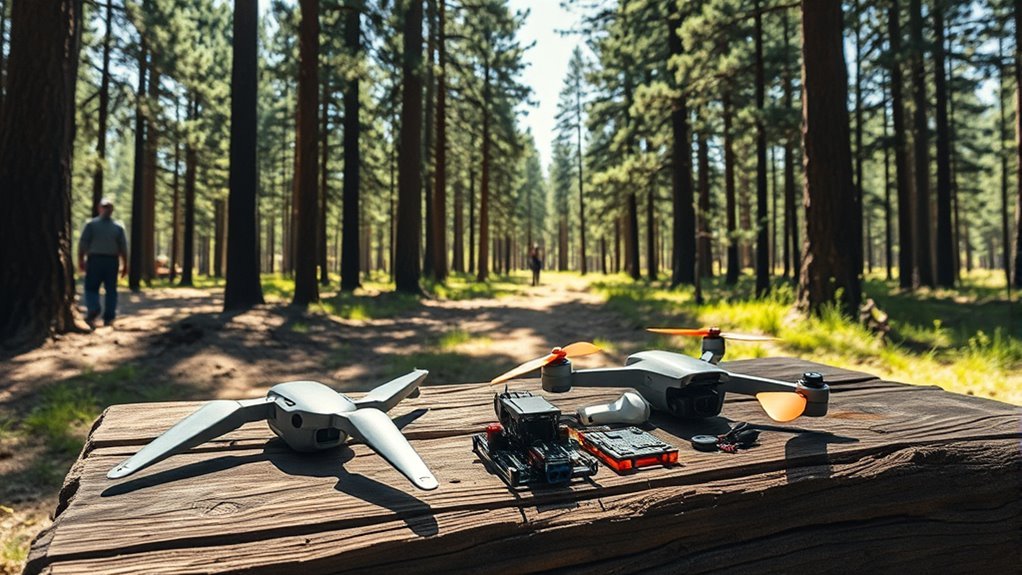
Why Drone Parts Matter in Lumberjacked
Drone parts are essential for maintaining functionality and unlocking better performance. A damaged or incomplete drone can limit scouting range, reduce maneuverability, or fail when you need it most. On the other hand, a properly assembled drone with upgraded components can improve reconnaissance, resource tracking, and survival outcomes.
Each part has a purpose. Motors influence lift and flight responsiveness. Propellers affect stability and control. Batteries determine operational duration. Sensors improve detection and environmental awareness. Control boards and internal electronics help the drone function smoothly as a complete system. If one component is weak or incompatible, the entire build may underperform.
That is why players should focus on both part quality and component compatibility. Collecting random pieces may seem productive at first, but useful scavenging is about finding the right items for your drone setup.
Best Places to Find Drone Parts
Drone parts are usually located in areas associated with abandoned technology, industrial storage, or previous player activity. The best scavengers do not search everywhere equally. Instead, they concentrate on high-yield zones where electronic loot is more likely to spawn.
Abandoned Buildings
Abandoned buildings are among the most reliable places to search for drone components. These structures often contain overlooked electronics, broken machinery, and storage rooms filled with useful salvage. Prioritize old offices, workshops, schools, and maintenance facilities, since these locations may contain batteries, wiring, circuit boards, or control units.
Inside abandoned buildings, search:
- Storage closets and maintenance rooms
- Shelving units and workbenches
- Basements and utility areas
- Attics and upper floors with old equipment
- Locked or hidden side rooms
Move carefully in these areas. Structural hazards, debris, and hostile encounters can interrupt a promising run if you rush through without checking corners or exit paths.
Warehouses and Industrial Zones
Warehouses are high-value scavenging locations because they often contain mechanical parts, crates, scrap electronics, and industrial tools. In Lumberjacked, these spaces are ideal for finding motors, rotor assemblies, power cells, and crafting materials used in drone upgrades.
Industrial zones tend to reward systematic searching. Instead of looting randomly, sweep each section in order. Start with loading bays, move through shelves and container stacks, then finish with offices or repair stations attached to the warehouse. These secondary rooms may hold technical components that are easier to miss.
Forest Clearings
Forest clearings are easy to overlook, but they can be surprisingly useful for drone part hunting. These open areas sometimes contain scattered loot, wreckage, dropped supplies, or remnants from earlier player activity. If a drone crashed nearby or another scavenger abandoned low-space items, you may find valuable components without entering a dangerous structure.
When looting a clearing, scan the perimeter first. Check near logs, rocks, campsites, and broken crates. Some items blend into the terrain, especially smaller electronics and compact drone modules. A methodical visual sweep is often more effective than rushing across the middle of the clearing.
Crash Sites and Scrap Piles
If the game map includes wreckage zones or scrap-heavy landmarks, these are also worth investigating. Crash sites are logical spawn points for drone technology, especially if they contain broken machines, transport debris, or damaged supply containers. Scrap piles can provide crafting materials and partial components that support repairs or upgrades.
These spots may attract other players, so speed and awareness matter. Loot efficiently, avoid overcommitting to low-value scraps, and be prepared to leave if the area becomes contested.
How to Use the Map for Efficient Scavenging
The in-game map is one of the most underused tools for finding drone parts. Instead of wandering aimlessly, identify high-probability loot zones and build a route that connects them. A strong loot route reduces travel time and increases the number of valuable containers you can check in a single run.
When planning your route, look for:
- Clusters of abandoned structures
- Warehouse districts or industrial compounds
- Open clearings near known activity zones
- Areas with multiple exits for safer retreat
- Locations close to your storage or crafting base
A good route balances reward and risk. If one zone is known for high-tier loot but frequent player conflict, it may still be worth visiting—but only if you have the equipment and awareness to survive the trip. In many cases, several medium-risk locations can produce better long-term results than repeatedly contesting one dangerous hotspot.
Best Practices for Searching Loot Areas
Finding drone parts consistently depends on how you search, not just where you search. Players who develop a repeatable looting process are more likely to uncover rare components and avoid wasting time.
Search in a Fixed Pattern
Use a room-by-room or zone-by-zone approach. For example, search left to right in buildings, top floor to bottom floor, or exterior first and interior second. This lowers the chance of missing small but important items like sensors, microchips, and battery packs.
Check Hidden and Low-Traffic Spots
Not every valuable component is placed in obvious containers. Look behind shelves, under staircases, near damaged equipment, and inside side rooms that other players may ignore. Less visible spaces often contain untouched loot.
Avoid Inventory Distraction
Do not pick up every item you see. If your goal is drone assembly, prioritize relevant electronics, power components, and upgrade materials. Filling your inventory with low-value clutter reduces flexibility and can force you to leave behind critical items later in the run.
Inventory Management for Drone Components
Inventory management is a major part of successful scavenging in Lumberjacked. Even if you find valuable drone parts, poor organization can slow you down and cause unnecessary losses. The best approach is to categorize items as you collect them.
Sort by Function
Group your parts into practical categories such as:
- Power components: batteries, cells, charging units
- Flight components: motors, propellers, rotors
- Control electronics: circuit boards, processors, wiring
- Utility modules: sensors, cameras, tracking devices
- Repair materials: scrap metal, fasteners, tool parts
This makes it easier to determine what your drone build still needs and what can be stored, traded, or discarded.
Prioritize Rare and High-Impact Parts
If space becomes limited, keep the components that are hardest to replace or most important for performance. Advanced batteries, high-grade motors, and specialized sensors usually offer more long-term value than common scrap.
Maintain a Clean Storage System
If your base or stash allows organized storage, dedicate separate containers to drone-related items. A tidy storage setup speeds up repairs, reduces duplicate hoarding, and helps you identify missing pieces before your next scavenging trip.
How to Stay Safe While Looking for Drone Parts
Scavenging for drone parts often leads players into high-risk areas. Valuable loot tends to attract both environmental threats and hostile competitors, so survival should always be part of your strategy.
Stay Alert in Confined Spaces
Abandoned buildings and warehouses can become traps if you enter without checking sightlines and escape routes. Listen for movement, watch doorways, and avoid getting cornered while looting containers.
Travel Light but Prepared
Bring enough gear to defend yourself and survive the trip, but do not overload your inventory before you even start looting. A balanced setup gives you room for drone parts while keeping movement and reaction time manageable.
Know When to Leave
One of the most important scavenging skills is recognizing when a run is no longer worth the risk. If your inventory is full of high-value components, extract early instead of gambling everything for one more room or crate.
Using Resource Tracking Tools to Improve Results
If Lumberjacked includes tracking mechanics, scanners, or resource indicators, use them whenever possible. These tools can reduce guesswork and direct you toward zones with higher loot density. Resource tracking is especially useful when searching large maps with multiple structures and low-visibility terrain.
Tracking tools help players:
- Locate electronics-rich areas faster
- Reduce wasted travel across empty terrain
- Identify overlooked scavenging opportunities
- Build more efficient farming routes over time
Even basic map awareness combined with tracking features can significantly improve drone part farming efficiency.
Why Teamwork Makes Drone Part Hunting Easier
Collaborating with other players can make drone scavenging much more productive. A coordinated team can cover more ground, watch for threats, and divide responsibilities during loot runs. One player can search buildings, another can monitor the perimeter, and a third can manage transport or extraction planning.
Benefits of Group Scavenging
- Faster coverage of large search areas
- Improved security in contested zones
- Shared resources and spare components
- Better survival odds during ambushes
- More efficient sorting and load distribution
If you play with a team regularly, establish loot rules in advance. Decide whether drone parts are shared, reserved for specific builds, or traded based on need. Clear communication prevents confusion and helps everyone benefit from the run.
Which Drone Parts to Upgrade First
Once you begin collecting enough components, upgrading the right parts becomes just as important as finding them. Not every upgrade offers the same value, so focus on components that improve safety, reliability, and core performance.
Battery Upgrades
A better battery usually increases flight time and overall endurance. This can make a major difference if your drone is used for scouting, tracking, or long-distance tasks. Battery efficiency is one of the most practical upgrades in most drone-focused systems.
Motor and Propeller Improvements
Upgrading motors and propellers can enhance speed, lift, and maneuverability. These improvements are especially useful if your drone struggles with responsiveness or stability during movement-heavy tasks.
Sensor and Camera Modules
If your drone helps with detection or surveillance, improved sensors and vision systems can provide a meaningful tactical advantage. Better visibility and tracking can support both exploration and threat avoidance.
Control Systems and Stability Components
Reliable control hardware helps reduce malfunction risk and supports smoother operation. If your drone feels inconsistent or vulnerable to failure, control-related upgrades may be more valuable than cosmetic or secondary enhancements.
Common Mistakes to Avoid When Farming Drone Parts
Many players slow their progress by repeating avoidable errors. If you want a more efficient drone part farming strategy in Lumberjacked, avoid these common mistakes:
- Searching too many low-value areas without a route plan
- Ignoring map data and resource indicators
- Picking up too much irrelevant loot
- Overstaying in dangerous zones after finding valuable parts
- Failing to organize components by type and rarity
- Upgrading minor parts before core systems
- Looting alone in high-conflict areas without a backup plan
Efficiency comes from discipline. The more intentional your scavenging process becomes, the easier it is to gather the parts needed for a stronger and more dependable drone.
The most effective way to find drone parts in Lumberjacked is to combine high-yield location knowledge with smart movement, careful looting, and organized inventory control. Focus on abandoned buildings, warehouses, forest clearings, and any crash-related zones that may contain electronic salvage. Use your map to create repeatable routes, prioritize high-impact components, and stay alert to both environmental hazards and other players. With the right strategy, drone part scavenging becomes faster, safer, and far more rewarding.
Frequently Asked Questions
Where do you find drone parts in Lumberjacked?
Drone parts in Lumberjacked are usually found by thoroughly exploring work zones, forest paths, machinery areas, abandoned camps, and hidden corners of the map rather than by following only the main objectives. Many players miss them because they focus on chopping and delivery tasks without checking side areas, elevated platforms, or objects that can be broken or moved. If you are searching for drone parts, make a habit of scanning every new area before leaving it, especially around scrap piles, storage sheds, fallen equipment, and mission-related landmarks. In some cases, drone parts may also appear after a certain task is completed, so revisiting earlier locations can help.
Do drone parts spawn in fixed locations or random places in Lumberjacked?
In most cases, drone parts in Lumberjacked are tied to specific regions, loot points, or progression-based areas, but the exact pickup spot can sometimes feel inconsistent depending on your progress, updates, or how the game handles item discovery. This means you should first look in commonly reported zones such as industrial clearings, repair stations, and debris-heavy sections of the map. If you do not see a part immediately, check whether you need to complete a nearby quest, unlock access to a blocked route, or interact with an object first. Players often assume the item is missing when it is actually gated behind exploration or progression.
What is the fastest way to collect all drone parts in Lumberjacked?
The fastest method is to combine efficient exploration with careful backtracking. Start by advancing the main story until most traversal tools or map sections are unlocked, because searching too early can waste time if some areas are inaccessible. Then sweep each zone methodically: check edges of the map, inspect damaged machinery, look behind buildings, and search any area with unusual visual detail. It also helps to use landmarks and clear one region at a time so you do not repeatedly cover the same ground. If the game includes inventory tracking or collectible counters, use them to identify which areas still need attention. This structured approach is much quicker than wandering randomly.
Why can’t I pick up a drone part in Lumberjacked?
If you can see a drone part but cannot collect it, there are several possible reasons. The most common is that you have not met a requirement yet, such as finishing a nearby objective, unlocking a tool, restoring power, or clearing an obstacle. Another possibility is that your inventory or interaction prompt is being blocked by your position, so try approaching the item from a different angle. In some situations, leaving the area and returning can refresh the interaction. If none of that works, it may be a temporary bug, and restarting the game or loading a recent save may solve it. Always make sure you are interacting with the correct collectible, since some scrap items can look similar to drone parts.
What do drone parts do in Lumberjacked?
Drone parts are typically used for repairing, upgrading, or completing a drone-related feature in Lumberjacked, depending on where you are in the game. They may unlock utility functions such as scouting, item detection, navigation support, or progression tied to specific missions. Because of that, collecting them early is often worthwhile even if the immediate reward is not obvious. In many games with this kind of system, drone parts become more valuable over time as they contribute to convenience, exploration, and access to hidden content. If you are deciding whether they are worth hunting down, the answer is usually yes, especially for completionists or players who want every upgrade available.
