
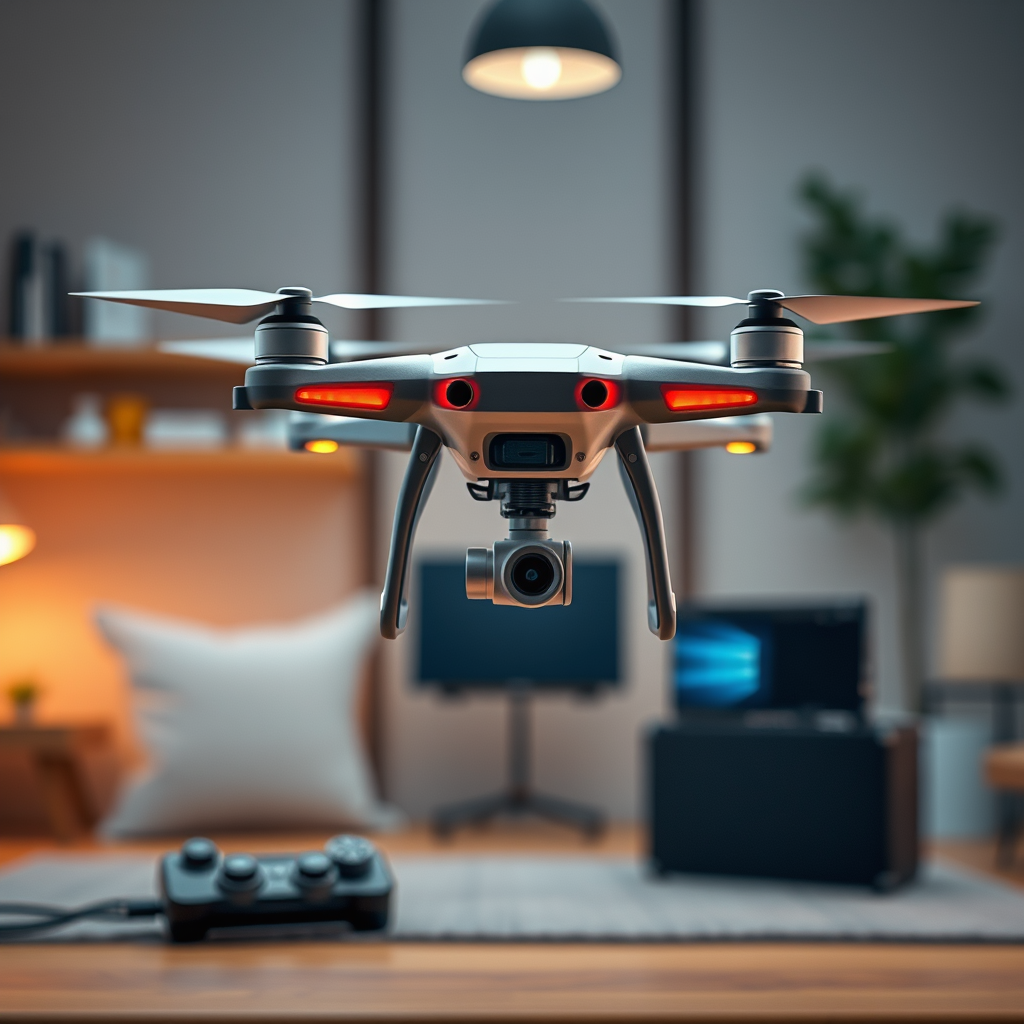
If you’ve lost your drone, the first step is to retrace your flight path and use any tracking features that may be built into the device. With the right strategies and tools, you can significantly increase your chances of locating it. Drones, while fascinating and technologically advanced, can sometimes stray from their intended trajectory due to factors such as wind, low battery, or signal loss. Understanding how to effectively find your lost drone can save you from the frustration and financial implications of having to purchase a new one.
Understand Your Drone’s Tracking Features
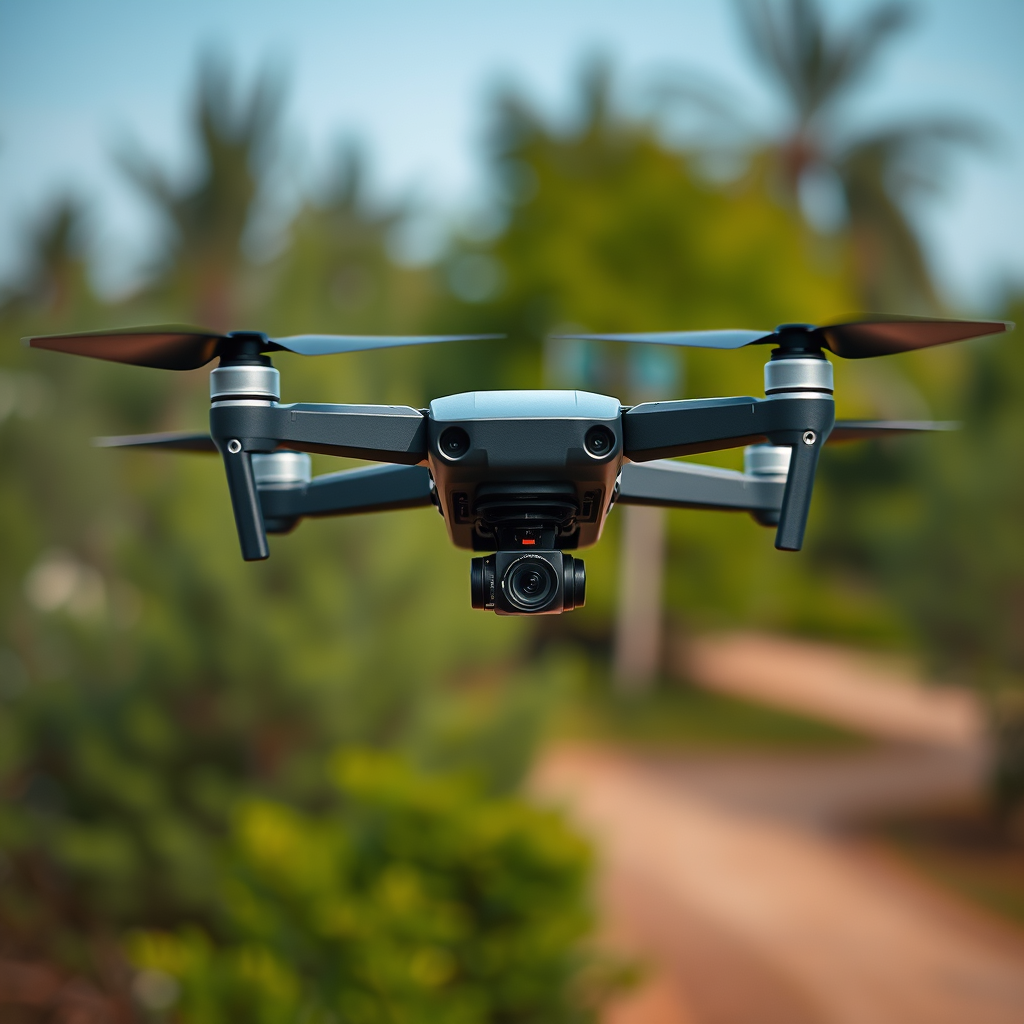
Many drones come equipped with GPS tracking systems that can assist you in locating them if they are still within range. The effectiveness of these tracking features can vary depending on the model and manufacturer, so it’s essential to familiarize yourself with your specific drone’s capabilities. Most modern drones, such as those from DJI, offer integrated GPS functionality that allows you to pinpoint their last known location.
Additionally, familiarize yourself with the app or software that accompanies your drone, as it often includes a “Find My Drone” feature. This function can not only provide you with the last recorded coordinates but may also allow you to activate a beeping sound or flashing lights to help you visually locate the drone. Ensure your device is charged and that you have a stable connection to maximize the use of these features.
Retrace Your Flight Path
After understanding your drone’s tracking features, the next step is to retrace your flight path. Return to the area where you last operated your drone, keeping an eye out for visual cues or landmarks that may help jog your memory. Consider factors that could have influenced its flight, such as sudden changes in wind or obstacles in the area.
Utilizing your drone’s last known coordinates can significantly guide your search. Many drones will display the last recorded GPS location on the app, which can be pin-dropped onto a map for a more accurate search. Bring along a pair of binoculars to scan the area from a higher vantage point, as this may provide better visibility of the drone.
Use a Mobile App
In addition to the built-in tracking features of your drone, there are several mobile apps specifically designed to help locate lost drones by leveraging GPS data. Apps such as “Drone Buddy” or “Find My Drone” can provide you with detailed mapping capabilities and allow you to track your drone’s last known position effectively.
These apps often require you to input specific information about your drone model and may need you to enable location services on your mobile device for optimal functionality. Be sure to download these apps ahead of time and familiarize yourself with their features before you need them, as this preparation can save valuable time when searching for a lost drone.
Ask for Help
Enlisting assistance can greatly improve your chances of finding your lost drone. Consider reaching out to friends or fellow drone enthusiasts, as more eyes can cover more ground and increase the likelihood of spotting your device. Organizing a search party can not only expedite the process but also make it a more enjoyable experience.
Moreover, don’t hesitate to post on local social media groups or forums dedicated to drone enthusiasts. There are often community members willing to help, and you may be surprised by the support you receive. Sharing details such as the last known location, any unique identifiers of your drone, and the approximate time it was lost can help others assist you more effectively.
Check Local Regulations
When searching for your drone, it’s crucial to understand the legalities involved, especially if it has landed on private property or in restricted areas. Familiarize yourself with local drone laws and regulations to avoid any potential legal issues while searching.
If your drone has landed in a sensitive area, such as near an airport or a private residence, it may be wise to reach out to local authorities for guidance. They can provide insight into the best course of action and may even assist you in retrieving your drone if it poses a safety concern.
Learn from the Experience
Once you have successfully located your drone, take the opportunity to learn from the experience to prevent future losses. Consider investing in additional tracking devices or safety features, such as a keychain-sized GPS tracker that can be attached to your drone. This can be an invaluable tool should you misplace it again.
Additionally, maintain a log of your flight paths, including takeoff and landing locations, to help you keep track of where you’ve flown. This log can assist you in retracing your steps in the event of future losses, ultimately making your drone flying experience more enjoyable and less stressful.
In conclusion, while losing a drone can be a frustrating experience, employing the right strategies and tools can significantly improve your chances of recovery. By understanding your drone’s tracking features, retracing your flight path, utilizing mobile apps, seeking community help, and being mindful of local regulations, you can navigate the search process more effectively. Furthermore, taking preventative measures will enhance your future drone flying experiences and ensure your device remains safe and secure.
Frequently Asked Questions
What should I do immediately after losing my drone?
If you realize that your drone is missing, the first step is to stay calm and retrace your steps to the last known location where you flew it. Check the drone’s app, as many models have GPS tracking features that can help pinpoint its last known coordinates. Additionally, use the remote control to see if you can establish a connection; this may help you receive live data or even allow you to initiate a return-to-home function if the drone is still powered on.
How can I track my lost drone using GPS?
Many modern drones come equipped with GPS tracking capabilities that can help you locate them after they go missing. If your drone has this feature, you can use the corresponding mobile app to access real-time location data. Simply log in to your app, and navigate to the tracking section; this will show you the last recorded position of your drone, enabling you to head to that area and search for it.
Why is it important to register my drone with a tracking service?
Registering your drone with a tracking service is crucial because it enhances your chances of recovering it if it’s lost or stolen. Many tracking services provide real-time GPS monitoring, notifications for geofencing breaches, and even recovery assistance. By having your drone registered, you also create a digital footprint that can help prove ownership if someone else finds it.
What are the best practices to prevent losing my drone?
To minimize the risk of losing your drone, always pre-flight check the drone’s battery life and ensure it is fully charged. Familiarize yourself with the drone’s range limits and keep it within visual line of sight during flights. Additionally, consider using features like “return to home,” and make sure your drone is equipped with a tracking device or compatible app that can help you locate it if it goes missing.
Which tools or apps can help me locate my lost drone?
Several tools and apps can assist in locating a lost drone, including the manufacturer’s dedicated app, which often includes GPS tracking features. Other popular options include Drone Rescue, which can help you find your drone using community support, and Find My Drone, which provides tracking capabilities for various drone models. Always ensure that your drone is compatible with these tools before relying on them for recovery.
References
- https://en.wikipedia.org/wiki/Drone
- https://www.faa.gov/uas/
- https://www.nytimes.com/2020/01/10/technology/drone-lost.html
- https://www.reuters.com/article/us-drones-insurance-idUSKBN2A32I
- https://www.techrepublic.com/article/how-to-find-a-lost-drone/
- https://www.dronepilotgroundschool.com/how-to-find-a-lost-drone/
- https://www.consumerreports.org/drone-safety/how-to-find-a-lost-drone/
