
To obtain a commercial drone license, you must pass the FAA’s Part 107 exam and meet specific requirements. This article will guide you through the essential steps needed to successfully acquire your license, ensuring you are well-prepared for the journey ahead. A commercial drone license not only empowers you to operate drones for business purposes but also ensures you adhere to safety standards and regulations set forth by the Federal Aviation Administration (FAA).
Understanding the FAA’s Part 107 Regulations
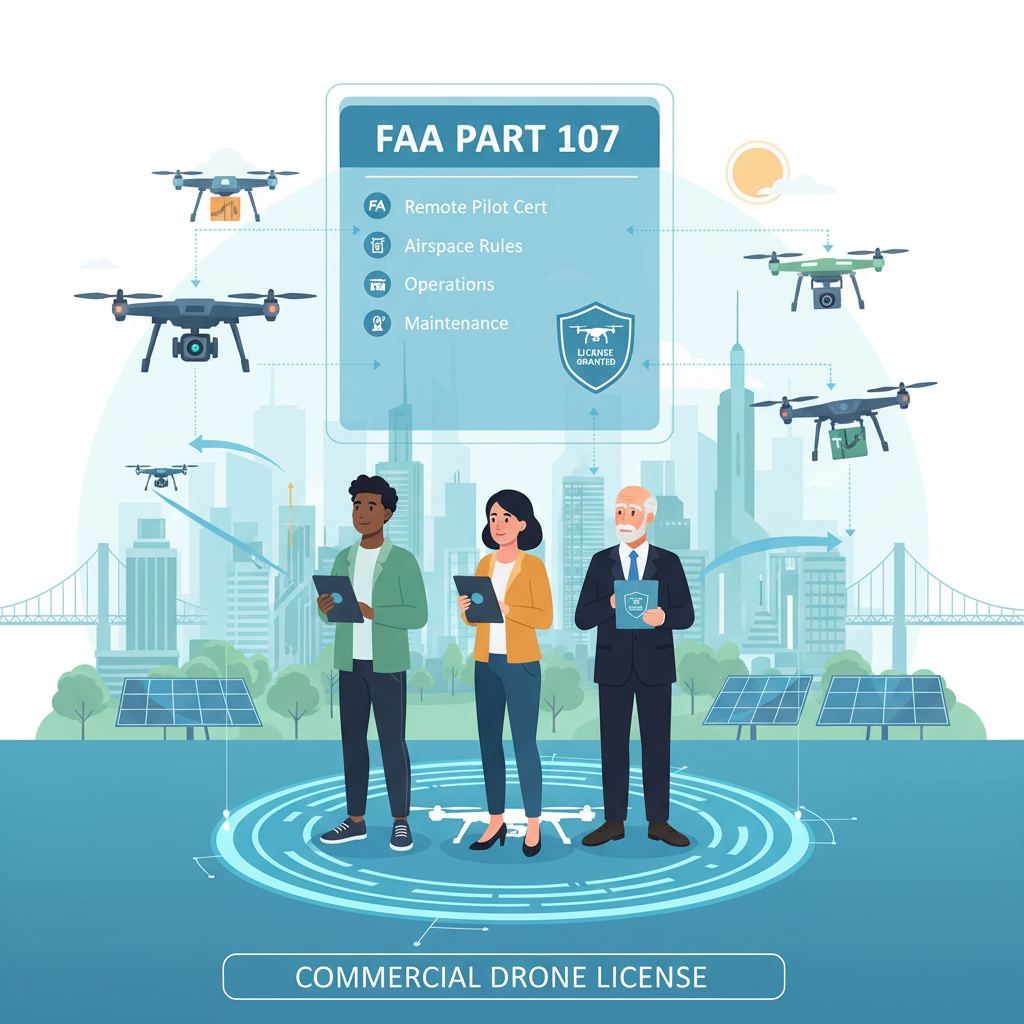
The FAA’s Part 107 regulations govern the commercial use of small unmanned aircraft systems (sUAS), commonly known as drones. These regulations are designed to promote safety and efficiency in the national airspace system. Key requirements include operating drones at or below 400 feet, maintaining visual line of sight with the drone, and not flying over people or moving vehicles without a waiver. Understanding these regulations is critical, as non-compliance can result in fines and legal repercussions. Additionally, adhering to safety and operational guidelines ensures not only your safety but also the safety of others in the vicinity of your drone operations.
Eligibility Criteria for Becoming a Drone Pilot
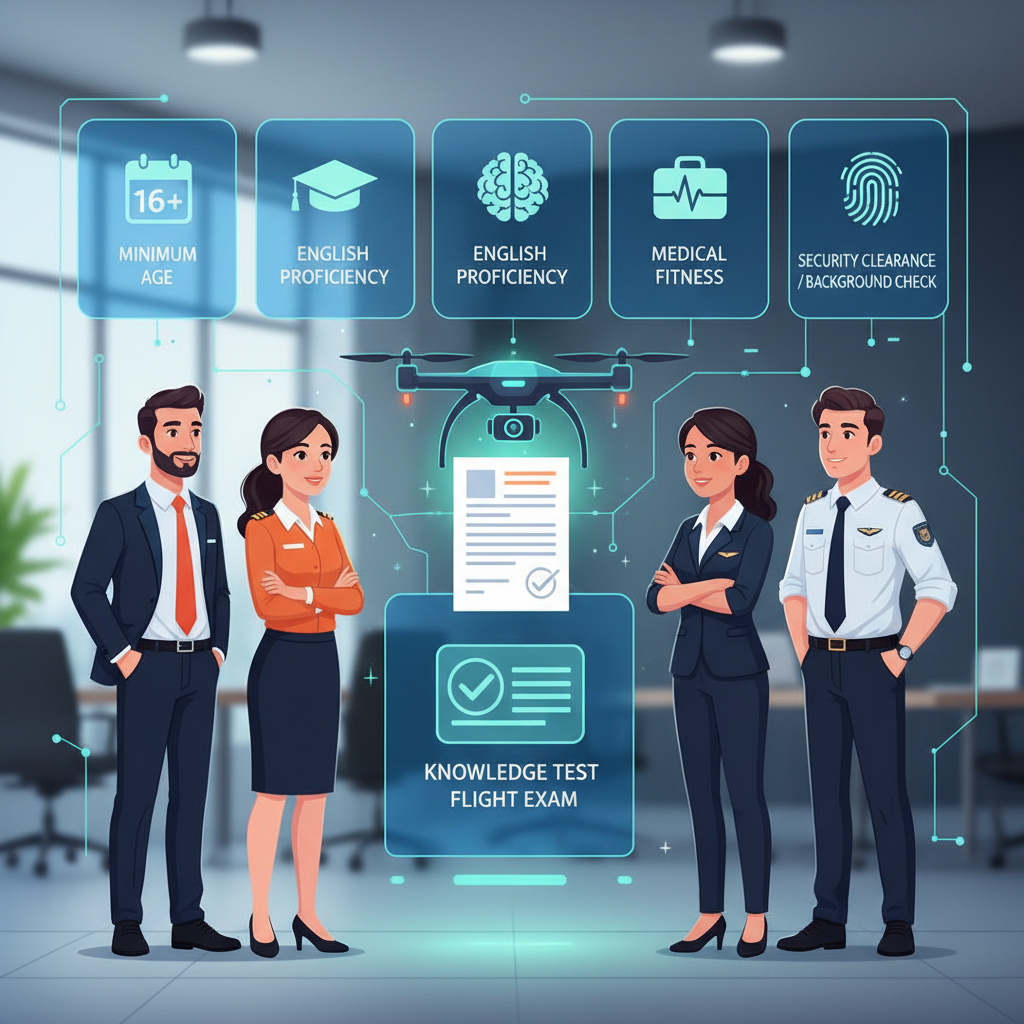
Before diving into the technical aspects of flying drones, it’s essential to meet the eligibility criteria established by the FAA. First and foremost, you must be at least 16 years old. This age requirement ensures that operators have a level of maturity and responsibility necessary for safely piloting aircraft. Secondly, you must be a U.S. citizen or a legal resident. This legal status is vital for the FAA to maintain oversight and regulation of commercial drone operations within the United States. Ensuring you meet these criteria is the first step in your journey to becoming a licensed drone pilot.
Preparing for the Part 107 Exam
Preparation for the Part 107 exam is crucial, as this test assesses your knowledge of aviation weather, regulations, and safety procedures. Numerous study materials are available, including the FAA’s official study guide, online courses, and practice tests. Websites like RemotePilot101.com and Drone Pilot Ground School offer comprehensive resources tailored to help you understand the material effectively. To enhance your study habits, consider creating a study schedule that allows you to review topics systematically. Engaging in practice tests can also boost your confidence and identify areas where you need further study. A well-prepared candidate is more likely to pass the exam on the first attempt, saving time and resources.
Registering Your Drone with the FAA
Once you have acquired the necessary knowledge and passed the Part 107 exam, the next step is to register your drone with the FAA. The registration process is relatively straightforward and can be completed online through the FAA’s DroneZone portal. You will need to provide information such as the make and model of your drone, your contact information, and payment for the registration fee, which is currently $5. After completing the registration, you will receive a unique identification number that must be displayed on your drone. It is essential to maintain this registration and ensure compliance with any updates or changes to the regulations, as failure to register can lead to fines and penalties.
Taking the Part 107 Exam
The Part 107 exam consists of 60 multiple-choice questions covering various topics, including airspace classification, weather, and drone operations. To pass, you must achieve a score of at least 70%. The exam is administered at FAA-approved testing centers, and you will have two hours to complete it. To manage test anxiety and time during the exam, arrive early to the testing center, ensuring you are calm and collected. Familiarize yourself with the exam format by taking practice tests, which can help reduce nervousness and improve your time management skills. Remember, preparation is key; the more confident you are in your knowledge, the better you will perform.
Post-Exam Steps and License Maintenance
After successfully passing the Part 107 exam, you will receive your remote pilot certificate from the FAA, allowing you to operate commercially. However, your responsibilities do not end here. It is crucial to stay updated on any changes to regulations, as the drone industry is continuously evolving. Part of maintaining your license involves completing a recurrent training course every 24 months to ensure you remain knowledgeable about current practices and regulations. Additionally, if you are planning to expand your drone operations, consider obtaining waivers for specific areas where the standard Part 107 rules may need to be adapted to fit your business model.
Additional Resources for Commercial Drone Operators
As a commercial drone operator, continuous education and networking are invaluable. Organizations such as the Association for Unmanned Vehicle Systems International (AUVSI) and the Drone U provide resources, training, and networking opportunities that can help you stay informed and connected within the industry. Online forums and social media groups also offer platforms for sharing experiences, insights, and best practices with fellow drone operators. By engaging with these resources, you can enhance your knowledge and skills, ultimately leading to greater success in your drone operations.
In conclusion, obtaining a commercial drone license involves understanding regulations, preparing for the Part 107 exam, and maintaining compliance. By following these steps and utilizing available resources, you can embark on a successful career as a licensed drone operator. The journey may seem daunting, but the rewards of operating commercially in this innovative industry are significant. Start your journey today and explore the vast opportunities that await in the world of commercial drone operations.
Frequently Asked Questions
What are the requirements to obtain a commercial drone license in the United States?
To obtain a commercial drone license in the United States, you must be at least 16 years old, have a valid government-issued ID, and pass the FAA’s Part 107 Remote Pilot Knowledge Test. Additionally, you need to demonstrate your ability to operate drones safely and understand regulations related to airspace, weather, and drone operations. After passing the test, you can apply for your Remote Pilot Certificate through the FAA.
How do I prepare for the FAA Part 107 drone test?
Preparing for the FAA Part 107 drone test involves studying various resources, including the FAA’s official study guide, online courses, and practice exams. Focus on key topics such as airspace classifications, weather effects on drone operations, and emergency procedures. Many aspiring pilots find it helpful to join study groups or forums where they can exchange knowledge and tips, while also taking practice quizzes to gauge their readiness before the exam day.
Why is obtaining a commercial drone license important for my business?
Obtaining a commercial drone license is crucial for your business because it not only ensures compliance with federal regulations but also enhances your credibility with clients. Without a valid Remote Pilot Certificate, you risk facing significant fines and legal issues if caught operating commercially. Furthermore, having a license allows you to access more job opportunities, as many industries, such as real estate or agriculture, require licensed drone operators for professional services.
What is the best way to choose a drone for commercial use?
The best way to choose a drone for commercial use is to assess your specific needs and the type of tasks you plan to perform. Consider factors such as flight time, camera quality, payload capacity, and ease of use. Popular options for commercial use include the DJI Matrice series for aerial photography and mapping, and the Parrot Anafi USA for inspection purposes. Always read reviews and compare specifications to ensure the drone meets your operational requirements.
Which organizations offer training for obtaining a commercial drone license?
Several organizations offer training for obtaining a commercial drone license, including the FAA, various online platforms like Drone Pilot Ground School, and local flight schools. Many of these programs provide comprehensive courses that cover the FAA regulations, flight techniques, and preparation for the Part 107 test. Additionally, community colleges and universities may also offer drone training programs, providing hands-on experience and expert instruction.
References
- https://www.faa.gov/uas/getting_started/part_107
- https://www.faa.gov/uas/education/
- https://www.nasa.gov/centers/dryden/pdf/87969main_UAS_Training_Manual.pdf
- https://www.nerdwallet.com/article/investing/drone-license
- https://www.dronepilotgroundschool.com/drone-license-requirements/
- https://www.suasnews.com/2021/11/10-steps-to-getting-your-drone-pilot-license/
- https://www.wired.com/story/how-to-get-a-drone-license/
- https://www.abc.net.au/news/2021-05-04/drone-pilot-licence-in-australia/13307948
