
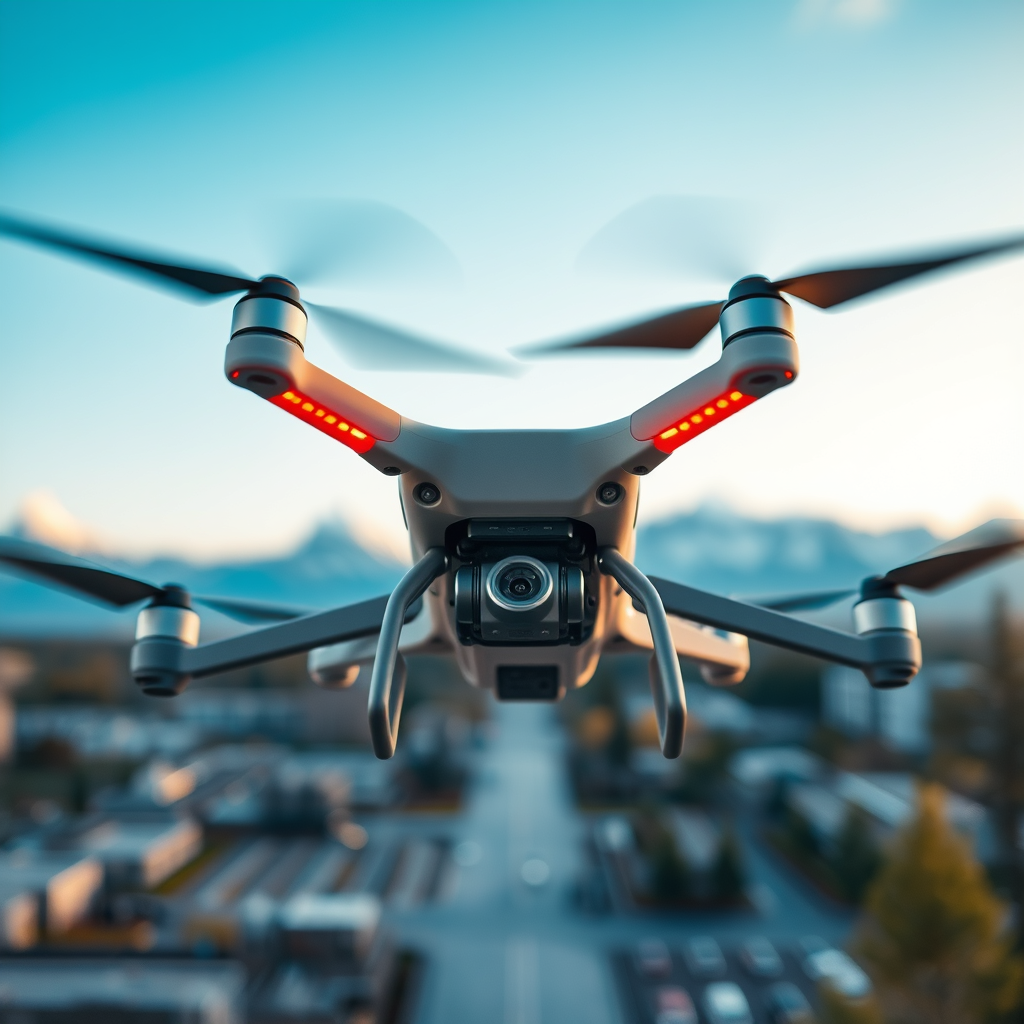
To obtain a drone license in Canada, you must complete the necessary training and pass the required exams set by Transport Canada. This involves understanding regulations, airspace, and safety protocols. The process may seem daunting, but with the right guidance, you can navigate it smoothly. This comprehensive guide will break down the steps necessary to secure your drone license, ensuring you are well-prepared for responsible and legal drone operation.
Understanding the Types of Drone Licenses

In Canada, there are two primary types of drone licenses issued by Transport Canada, each catering to different operational needs.
– Basic License: This license is required for flying drones under specific conditions, primarily in uncontrolled airspace where there is little risk of conflict with manned aircraft. With a Basic License, you can operate drones that weigh up to 25 kilograms, as long as you adhere to certain distance and height restrictions. For instance, you must keep your drone within visual line-of-sight and cannot fly over people or moving vehicles.
– Advanced License: If you plan to conduct complex operations, such as flying in controlled airspace or conducting commercial activities, you’ll need an Advanced License. This license allows for greater operational flexibility, enabling you to fly in more regulated airspace and under more complex conditions. For example, having an Advanced License permits you to fly over people and conduct night operations, provided you meet additional safety requirements.
Understanding these license types is crucial as it determines the scope of your drone operations and ensures compliance with Canadian aviation regulations.
Prerequisites for Getting Your Drone License
Before embarking on your journey to obtain a drone license, you must meet certain prerequisites:
– Minimum age requirement: You must be at least 14 years old to apply for a Basic License and 16 years old for an Advanced License. This age requirement ensures that applicants have a sufficient level of maturity and responsibility for flying drones.
– Knowledge of aviation regulations and drone operations: A solid understanding of the Canadian Aviation Regulations (CARs) and the specific rules governing drone operations is essential. Familiarity with airspace classification, safety protocols, and operational guidelines will not only prepare you for the licensing exams but also enhance your overall flying competence.
Meeting these prerequisites is the first step toward becoming a certified drone pilot in Canada.
Steps to Prepare for the Drone Exam
Preparation for the drone pilot exams is crucial for success. Here are some effective strategies:
– Study the Transport Canada materials: Transport Canada offers a wealth of resources, including study guides and reference materials, specifically designed for drone pilot preparation. Familiarizing yourself with these materials will provide a foundation in the regulations and operational knowledge necessary for the exam.
– Take online courses: Numerous online platforms offer courses that provide comprehensive training for aspiring drone pilots. These courses often include interactive quizzes, instructional videos, and practice exams to help reinforce your understanding of the material. Enrolling in a reputable online course can significantly enhance your chances of passing the exam on your first attempt.
By diligently preparing for the exams, you will not only improve your chances of success but also become a more competent and confident drone operator.
Registering Your Drone
Once you have acquired your knowledge and passed the necessary exams, the next step is to register your drone:
– Mandatory registration: In Canada, all drones weighing over 250 grams must be registered with Transport Canada. This requirement is in place to promote accountability and safety in the skies.
– Provide necessary details: When registering your drone, you will need to submit specific information, including your name, address, and the specifications of your drone (make, model, and serial number). Once registered, you will receive a registration number that must be displayed on your drone. This number serves as identification and assists authorities in tracking drone operations.
Proper registration is essential to comply with Canadian regulations and to ensure that your drone flights are legal and safe.
Taking the Drone Pilot Exam
The drone pilot exam is a pivotal part of the licensing process. Here’s what to expect:
– Format of the exam: The exam consists of multiple-choice questions that test your knowledge of operational procedures, safety protocols, and aviation regulations. You will need to demonstrate a thorough understanding of various topics, such as airspace classifications, emergency procedures, and maintenance requirements.
– Passing score: To obtain your drone license, you must achieve a minimum score of 65% on the exam. Preparing adequately and familiarizing yourself with the exam format will help you meet this requirement and secure your license.
Taking the exam seriously and preparing effectively will ensure you have the knowledge to operate drones safely and in compliance with Canadian law.
Practical Flight Training
Hands-on experience is a critical component of becoming a proficient drone pilot:
– Hands-on experience: Gaining practical flying experience is essential for developing your skills and confidence. Start by flying your drone in open areas away from people and structures to practice basic maneuvers and become familiar with its controls.
– Consider flight schools: For those seeking structured learning, enrolling in a flight school can provide guided practice and professional instruction. Flight schools often offer tailored programs that address both theoretical knowledge and practical flying skills, ensuring you are well-prepared for real-world operations.
Investing time in practical flight training will significantly enhance your competence as a drone pilot and prepare you for various flying scenarios.
Maintaining Your License
After obtaining your drone license, it is vital to stay informed and maintain your credentials:
– Periodic re-examination: As regulations and technology evolve, staying updated on any changes in drone legislation is crucial. Consider re-evaluating your knowledge periodically to ensure compliance and safety. This may involve taking refresher courses or participating in industry workshops.
– Keeping up with regulations: Regularly check for updates from Transport Canada regarding drone operation rules and safety guidelines. Being proactive in your learning will help you navigate potential changes in the regulatory landscape and maintain your status as a responsible drone operator.
By staying informed and engaged, you will ensure that your skills and knowledge remain current, allowing you to operate your drone safely and legally.
In conclusion, acquiring a drone license in Canada involves understanding the requirements, passing exams, and registering your drone. By following the outlined steps—understanding license types, fulfilling prerequisites, preparing for exams, registering your drone, gaining practical experience, and maintaining your license—you can successfully navigate the process and enjoy flying your drone legally and safely. With the increasing popularity of drones, being a certified pilot not only enhances your credibility but also contributes to the overall safety and enjoyment of the drone flying community.
Frequently Asked Questions
What are the requirements to obtain a drone license in Canada?
To obtain a drone license in Canada, you must meet several key requirements set by Transport Canada. These include being at least 14 years old for a Basic Pilot Certificate and 16 for an Advanced Pilot Certificate. You must also complete an online exam, demonstrate knowledge of aviation regulations, and pass a flight review with an authorized instructor for the Advanced certificate. Additionally, you need to register your drone if it weighs more than 250 grams.
How do I prepare for the drone pilot exam in Canada?
Preparing for the drone pilot exam in Canada involves studying the Canadian Aviation Regulations (CARs) relevant to drone operations, understanding airspace classifications, and familiarizing yourself with safety practices. Transport Canada provides a study guide specifically for the exam, and many online courses offer practice questions and simulations. Joining online forums and discussing with experienced pilots can also provide valuable insights and tips.
Why is it important to get a drone license in Canada?
Obtaining a drone license in Canada is crucial for several reasons. Firstly, it ensures that you are knowledgeable about aviation safety regulations and best practices, which minimizes the risk of accidents. Secondly, flying without a license can result in hefty fines and legal repercussions. Lastly, having a valid drone license can enhance your credibility if you plan to use your drone for commercial purposes, opening up job opportunities in various industries.
What is the difference between a Basic and Advanced drone pilot license in Canada?
The Basic and Advanced drone pilot licenses in Canada differ primarily in operational limits and airspace access. A Basic Pilot Certificate allows you to fly drones only in uncontrolled airspace and requires you to maintain a minimum distance of 30 meters from people. In contrast, an Advanced Pilot Certificate grants you the ability to operate in controlled airspace and closer to people and buildings, as long as you adhere to specific safety protocols, making it essential for more complex flying scenarios.
Which online resources are best for studying for the drone pilot exam in Canada?
Some of the best online resources for studying for the drone pilot exam in Canada include Transport Canada’s official website, which offers a comprehensive study guide and sample exams. Additional resources include online courses from reputable organizations like UAV Coach, DRONEII, and the Canadian Drone Institute, which provide interactive learning experiences and practice tests. Utilizing YouTube channels and forums dedicated to drone flying can also provide practical insights and tips from experienced drone pilots.
References
- https://www.tc.gc.ca/en/services/aviation/drone-safety.html
- https://www.canada.ca/en/transport-canada/services/aviation/drone-safety.html
- https://www.cbc.ca/news/canada/drone-regulations-1.5094233
- https://www.faa.gov/uas/getting_started/registration
- https://www.wired.com/story/drone-licensing-regulations/
- https://www.theglobeandmail.com/business/article-drone-licensing-in-canada/
- https://www.aviation.ca/drone-licensing-in-canada/
