
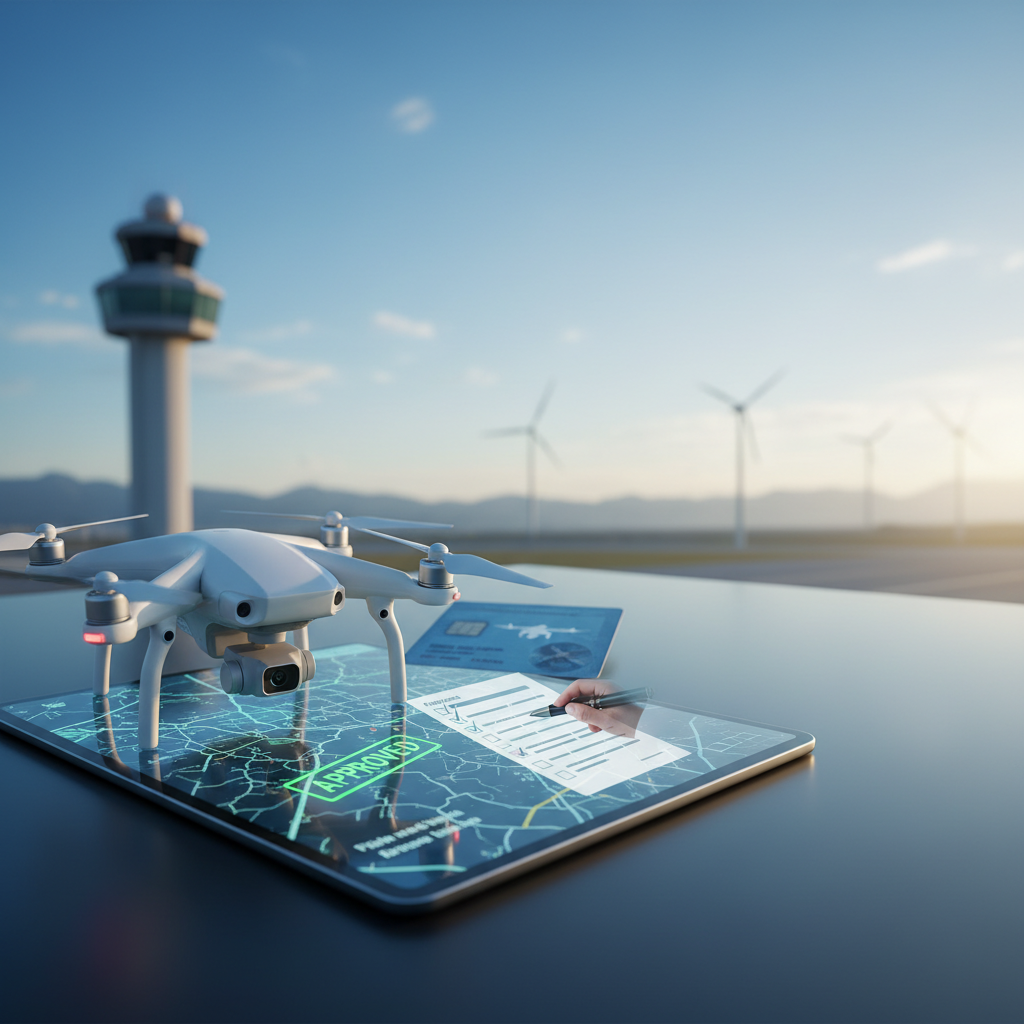
To obtain a drone pilot license, you must pass the FAA’s Aeronautical Knowledge Test and meet specific eligibility requirements. This process not only enhances your skills as a drone operator but also opens doors to a variety of professional opportunities in sectors such as photography, agriculture, real estate, and many more. In this comprehensive guide, we will walk you through each necessary step to earn your certification and become a licensed drone pilot, ensuring you understand both the technical and regulatory aspects of this exciting field.
Understanding the Requirements
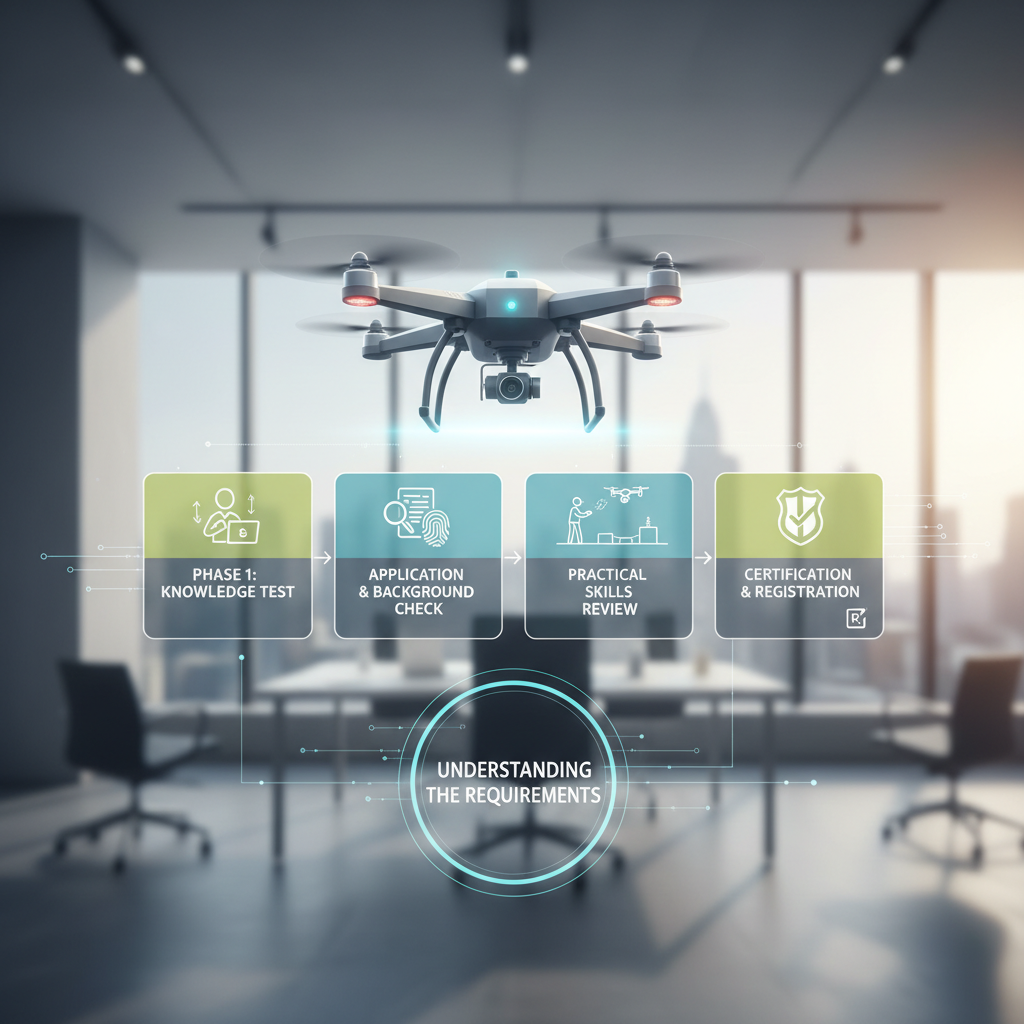
Before diving into the process of obtaining your drone pilot license, it’s essential to understand the basic requirements set by the Federal Aviation Administration (FAA).
– Age: You must be at least 16 years old to qualify for the certification. This age limit ensures that applicants are mature enough to handle the responsibilities that come with operating a drone.
– Language: Proficiency in English is essential. This requirement is in place to ensure effective communication, especially in environments where safety and coordination with air traffic control are critical.
– Medical fitness: While you are not required to hold a medical certificate, you should be mentally and physically fit to operate a drone. This means that you should be able to understand instructions, make sound judgments, and be generally healthy enough to manage the physical demands of flying.
These foundational requirements establish a baseline for all applicants, ensuring that only qualified individuals are licensed to operate drones commercially, which is crucial for maintaining safety in the airspace.
Preparing for the FAA Test
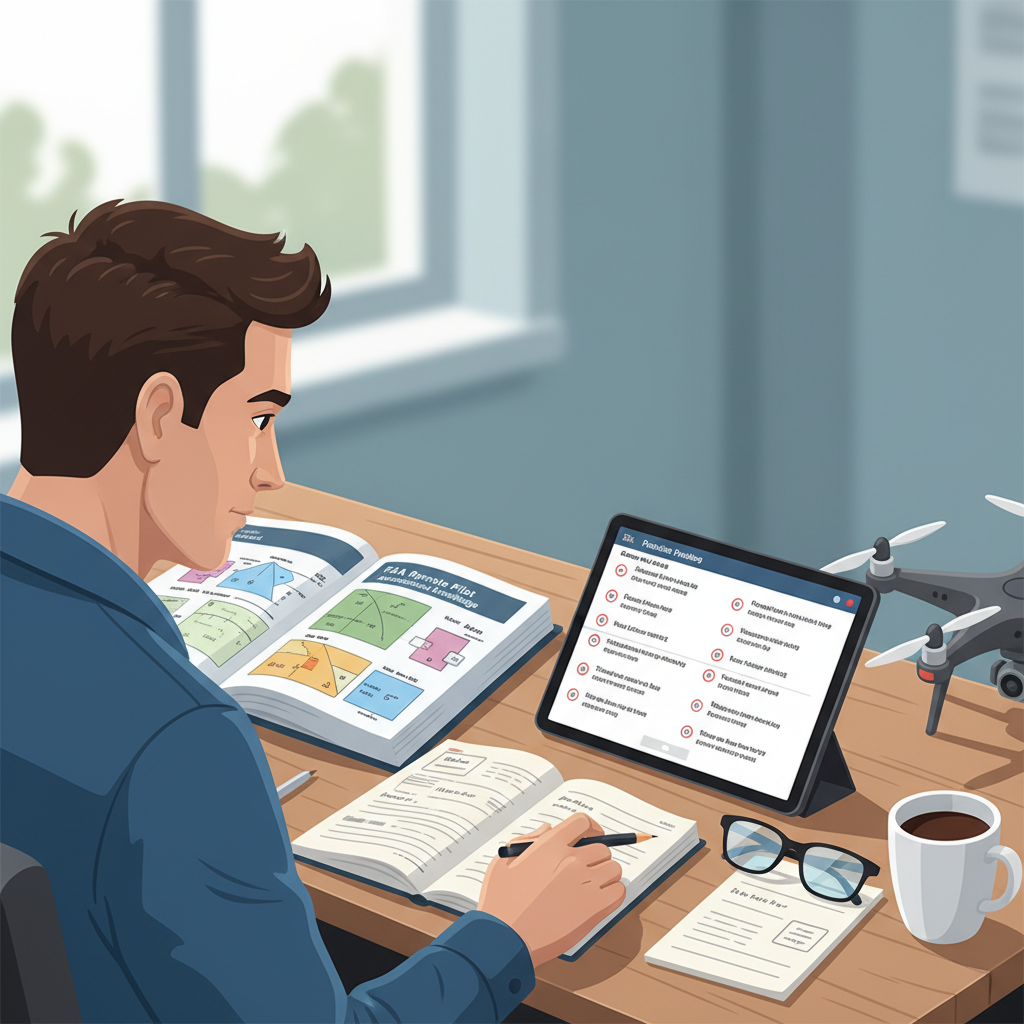
Preparation is key to passing the FAA’s Aeronautical Knowledge Test, which assesses your understanding of various aviation topics.
– Study materials: The FAA provides numerous resources, including the “Remote Pilot – Small Unmanned Aircraft Systems Study Guide.” Additionally, there are various online courses, such as those offered by reputable flight training schools and platforms like Udemy or Coursera. Utilizing practice exams can also significantly enhance your readiness for the actual test.
– Key topics: Focus on understanding airspace classifications, weather patterns, drone regulations, and emergency procedures. Specific areas such as the National Airspace System (NAS) and the responsibilities of remote pilots are crucial. Additionally, familiarize yourself with the types of unmanned aircraft systems (UAS) and their operational limitations.
Investing time in thorough preparation can help you not just pass the test but also become a competent and knowledgeable drone pilot.
Registering for the Test
Once you feel adequately prepared, the next step is registering for the FAA Aeronautical Knowledge Test.
– Online registration: You can sign up for the test through the FAA’s Integrated Airman Certification and Rating Application (IACRA) system. This platform allows you to create an account and provides a straightforward way to manage your application.
– Testing centers: Locate an approved testing center near you. The FAA has a network of testing facilities across the country, and you can find a list of these locations on the FAA’s website. It’s advisable to schedule your test in advance, as slots can fill up quickly.
By ensuring you are registered and know where to go, you can ease the stress of test day and focus on performing your best.
Taking the FAA Aeronautical Knowledge Test
On the day of the test, it’s important to be prepared for what to expect.
– Format: The test consists of 60 multiple-choice questions, covering a range of topics essential for drone operation. You will have a total of 120 minutes to complete the exam, which gives you ample time to read each question carefully.
– Passing score: To pass, you need a score of 70% or higher. This means you must answer at least 42 questions correctly. It’s advisable to manage your time effectively during the test, ensuring that you can review your answers before submitting.
Approaching the test with a calm and focused mindset can help improve your performance and increase your chances of passing on the first attempt.
Applying for Your Remote Pilot Certificate
After successfully passing the FAA Aeronautical Knowledge Test, you are ready to apply for your Remote Pilot Certificate.
– Application process: The application is submitted via the FAA’s IACRA system, where you will need to provide personal information and details about your test results. Make sure to review your application thoroughly before submission to avoid any errors that could delay the process.
– Background check: As part of the certification process, you will undergo a security background check. This process is vital for ensuring that all remote pilots are vetted to maintain the safety of the national airspace. The background check typically takes a few weeks, so be patient during this time.
Completing your application accurately and promptly is crucial to ensure a smooth transition from test taker to licensed pilot.
Maintaining Your Certification
Once you have your Remote Pilot Certificate, it is essential to understand the ongoing requirements to maintain it.
– Renewal: Your remote pilot certificate must be renewed every two years. The renewal process requires you to complete a recurrent training course or take the FAA’s knowledge test again. Keeping your certification up to date is vital for staying compliant with FAA regulations.
– Continued education: To remain effective as a drone pilot, it’s important to stay updated on changes in regulations, technology advancements, and best practices in the field. Participating in workshops, webinars, and online courses can help you continue your education and enhance your skills.
By committing to lifelong learning and staying informed, you can ensure that you remain a competent and responsible drone operator.
In conclusion, obtaining a drone pilot license involves a clear understanding of the requirements, thorough preparation for the FAA test, and adherence to the application and maintenance processes. By following this step-by-step guide, you can embark on a rewarding journey in the field of drone piloting, unlocking a myriad of professional opportunities. Start your journey today, and embrace the exciting possibilities that come with being a licensed drone pilot!
Frequently Asked Questions
What are the requirements to obtain a drone pilot license in the USA?
To obtain a drone pilot license in the USA, specifically the FAA Part 107 Remote Pilot Certificate, you must be at least 16 years old, be a U.S. citizen or legal resident, and pass a medical exam if required. Additionally, you need to successfully complete the FAA’s Aeronautical Knowledge Test at an approved testing center, which covers topics like airspace regulations, weather, and drone operations.
How can I prepare for the FAA Part 107 test to get my drone pilot license?
Preparing for the FAA Part 107 test involves studying the FAA’s Remote Pilot—Small Unmanned Aircraft Systems Study Guide and taking practice exams available online. Many candidates also benefit from enrolling in a drone pilot training course, which provides structured learning and hands-on experience. Familiarizing yourself with the regulations, airspace classifications, and weather conditions is crucial for passing the test.
Why do I need a drone pilot license if I’m flying for recreational purposes?
If you are flying a drone for recreational purposes, you do not need a drone pilot license; however, you must still adhere to certain regulations set forth by the FAA, such as flying below 400 feet and maintaining visual line of sight. However, if you plan to use your drone for commercial purposes, such as aerial photography or surveying, you are required to obtain the FAA Part 107 Remote Pilot Certificate to ensure safe and compliant operations.
What are the best resources for studying for my drone pilot license?
The best resources for studying for your drone pilot license include the FAA’s official study materials, such as the Remote Pilot—Small Unmanned Aircraft Systems Study Guide and the Airman Certification Standards. Additionally, online platforms like YouTube offer free tutorials, while paid courses on websites like UAV Coach and Drone Pilot Ground School provide comprehensive study guides and practice exams to help you prepare effectively.
Which types of drones are eligible for commercial use under the Part 107 license?
Under the Part 107 regulations, any drone that weighs less than 55 pounds (25 kg) at takeoff, including payload, is eligible for commercial use, provided it meets safety standards. This includes a wide range of drones from various manufacturers, such as DJI, Parrot, and Yuneec. It’s important to verify that the drone you plan to use is compliant with FAA regulations and has the necessary capabilities for your intended commercial application.
References
- https://en.wikipedia.org/wiki/Drone_certification
- https://www.faa.gov/uas/getting_started/fly_a_drone
- https://www.faa.gov/part_107
- https://www.dronepilotgroundschool.com/drone-licensing-guide/
- https://www.nap.edu/catalog/25311/the-future-of-drones-in-the-us
- https://www.nasa.gov/aeroresearch/programs/airspace/drones
- https://www.tec.sc.edu/engineering/Drone-Pilot-Certification
- https://www.suasnews.com/2020/01/drone-pilot-certification-what-you-need-to-know/
