
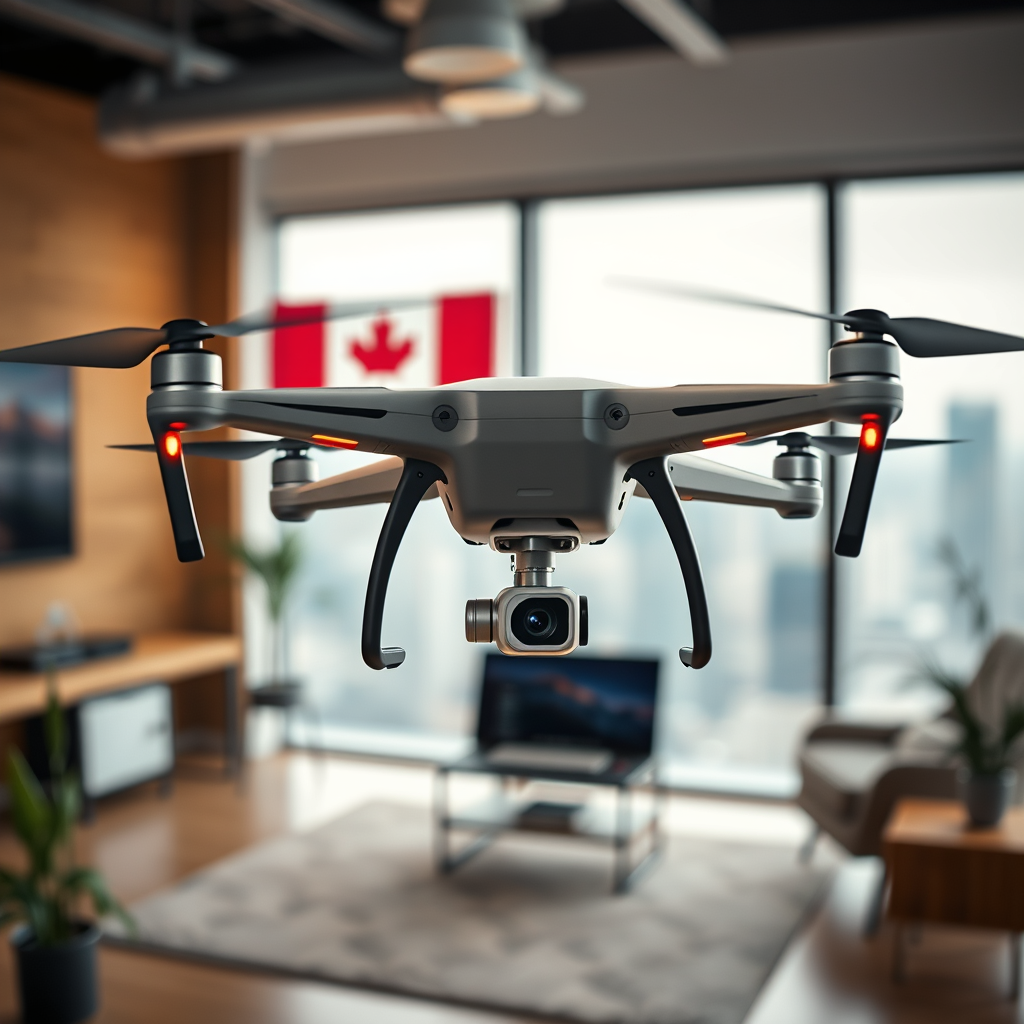
To obtain a drone pilot license in Canada, you must complete the required training and pass a written exam. This process ensures you understand the regulations and safety measures necessary for flying drones legally and safely. As the drone industry continues to grow, becoming a licensed pilot not only enhances your credibility but also opens up numerous opportunities in various sectors, such as photography, surveying, and agriculture.
Understanding the Types of Drone Licenses in Canada

In Canada, there are two primary types of drone pilot certificates: the Basic Pilot Certificate and the Advanced Pilot Certificate.
The Basic Pilot Certificate is designed for individuals who intend to fly drones weighing less than 25 kilograms (55 pounds) in uncontrolled airspace, away from bystanders and at a distance of at least 30 meters (98 feet) from people. To obtain this certificate, applicants must demonstrate a fundamental understanding of aviation regulations, airspace classification, and basic safety measures.
Conversely, the Advanced Pilot Certificate allows pilots to operate drones in more complex environments, including controlled airspace, near people, and beyond visual line of sight. This certification requires a deeper understanding of aviation regulations, and applicants must pass a more rigorous exam. Additionally, they must complete a flight review with a certified instructor, demonstrating their ability to conduct advanced maneuvers and emergency procedures.
Understanding these distinctions is essential for aspiring drone pilots, as it directly influences the training requirements and operational capabilities they will possess upon certification.
Eligibility Criteria for Obtaining a Drone License
To qualify for a drone pilot license in Canada, several eligibility criteria must be met. Firstly, applicants must be at least 16 years old to apply for a Basic Pilot Certificate, and 18 years old for an Advanced Pilot Certificate. This age requirement is in place to ensure that pilots possess the maturity and cognitive skills necessary for safe and responsible drone operation.
In addition to age, applicants are required to provide proper identification, such as a government-issued photo ID, to establish their identity. Health considerations also play a crucial role; applicants must self-declare that they meet the medical fitness requirements to operate a drone safely. Although there is no formal medical examination required, individuals with certain medical conditions that may impair their ability to fly are advised to consult with a physician.
Meeting these eligibility criteria sets the foundation for a successful journey towards obtaining a drone pilot license.
Steps to Complete Your Drone Pilot Training
The training process for obtaining a drone pilot license can vary significantly based on the certificate type. Various training programs are available, including both online and in-person options. Online courses often provide flexible learning opportunities, allowing students to study at their own pace and access materials from anywhere. These courses typically cover essential topics such as navigation, meteorology, and regulatory frameworks.
On the other hand, in-person training offers hands-on instruction that can be invaluable for novice pilots. Many flight schools provide comprehensive packages that include classroom instruction and practical flight training, enabling students to gain real-world experience in piloting drones.
Regardless of the training format chosen, aspiring pilots should prioritize hands-on flying experience. This practical knowledge not only enhances the understanding of drone operation but also builds confidence and competence when navigating various flight scenarios.
Preparing for the Written Exam
Preparation for the written exam administered by Transport Canada requires a solid understanding of various subjects pertinent to drone operation. Key topics include airspace classifications, the responsibilities of the pilot-in-command, emergency procedures, and basic flight operations.
To prepare effectively, students should utilize a variety of study materials, including Transport Canada’s official study guide, online practice exams, and drone operation manuals. Engaging in online forums and study groups can also provide additional insights and support from fellow aspiring pilots.
Additionally, many training organizations offer preparatory courses specifically designed to help candidates succeed on the written exam, ensuring they are well-equipped with the knowledge needed to pass.
Completing the Flight Review
Once the written exam is successfully passed, candidates must complete a flight review with a certified instructor. This review is a critical component of the licensing process and assesses the candidate’s practical flying skills. During the flight review, candidates must demonstrate their proficiency in executing essential maneuvers, such as takeoffs, landings, and emergency procedures.
Instructors will evaluate candidates on their ability to operate the drone safely and effectively in various scenarios, including navigating obstacles and maintaining control during adverse conditions. Successful completion of the flight review not only leads to the issuance of the pilot certificate but also serves as a confidence booster, ensuring that pilots are prepared for real-world operations.
Registering Your Drone
After obtaining the necessary pilot license, it is essential to register your drone with Transport Canada. Registration is mandatory for all drones weighing over 250 grams (0.55 pounds). The registration process is straightforward and can be completed online through the Transport Canada website.
Upon registration, drone owners receive a unique identification number that must be marked on the drone. This step is crucial for compliance with regulations and contributes to accountability and traceability in the event of an incident. Additionally, registered drones are easier to identify in the air, which enhances safety for both the pilot and the public.
Maintaining Your License and Staying Updated
Obtaining a drone pilot license is not a one-time event; maintaining it requires ongoing education and awareness of regulatory changes. Transport Canada emphasizes the importance of continuous learning to ensure that pilots remain up-to-date with the latest regulations, safety protocols, and technological advancements in the drone industry.
Pilots are encouraged to engage in refresher courses and stay informed through resources like Transport Canada’s website, industry publications, and drone pilot associations. Engaging with the drone community can provide valuable insights and help pilots develop a network of support and knowledge.
In summary, obtaining a drone pilot license in Canada requires understanding the types of licenses, meeting eligibility criteria, completing training, and passing exams. It is also crucial to stay informed about regulations and maintain your skills to fly safely and legally. Start your journey today by exploring training options available in your area, and take the first step toward becoming a certified drone pilot in Canada.
Frequently Asked Questions
What are the requirements to get a drone pilot license in Canada?
To obtain a drone pilot license in Canada, you must be at least 16 years old and have a valid government-issued identification. You need to pass the Small Basic Exam, which tests your knowledge of aviation regulations, airspace, weather, and emergency procedures. Additionally, you must register your drone if it weighs between 250 grams and 25 kilograms and ensure it meets safety standards.
How do I prepare for the drone pilot exam in Canada?
Preparing for the drone pilot exam in Canada involves studying Transport Canada’s guidelines and recommended resources. You can find various online courses and study guides specifically designed for the Small Basic Exam, which cover essential topics such as airspace classification and drone operations. Practicing with sample questions and understanding practical flight scenarios can also enhance your readiness for the exam.
Why is it important to have a drone pilot license in Canada?
Having a drone pilot license in Canada is crucial for legal compliance and safety. Without the proper certification, you risk fines and legal repercussions, as operating a drone without a license is against Canadian law. Additionally, obtaining a license enhances your credibility as a drone operator, which is particularly beneficial if you plan to use your drone for commercial purposes.
What is the difference between the Basic and Advanced drone pilot licenses in Canada?
The Basic drone pilot license allows you to operate drones in uncontrolled airspace and under specific conditions, while the Advanced license permits you to fly in controlled airspace and conduct more complex operations, such as flying at night or beyond visual line-of-sight. To obtain an Advanced license, you must pass a further exam and demonstrate practical flying skills, making it suitable for those seeking to engage in commercial drone operations.
Which drone models are recommended for beginners looking to get their pilot license in Canada?
For beginners aiming to get their drone pilot license in Canada, models like the DJI Mini 2 and the Parrot Anafi are highly recommended. These drones are lightweight, user-friendly, and equipped with essential features that support safe flying practices. Moreover, their affordability and durability make them excellent choices for new pilots who wish to practice skills and gain confidence before operating larger or more complex drones.
References
- https://www.tc.gc.ca/en/services/aviation/drone-pilots.html
- https://www.canada.ca/en/transport-canada/services/aviation/drone-safety.html
- https://www.navcanada.ca/en/airspace/airport-operations/drone-operations.html
- https://www.cbc.ca/news/canada/drone-pilots-licence-1.5450442
- https://www.theglobeandmail.com/business/article-drone-pilot-licensing-in-canada/
- https://en.wikipedia.org/wiki/Drone_pilot#Canada
- https://www.uoguelph.ca/arts/courses/drone-pilot-training
- https://www.environmentaldefence.ca/2021/06/04/drones-and-the-future-of-canadian-agriculture/
