
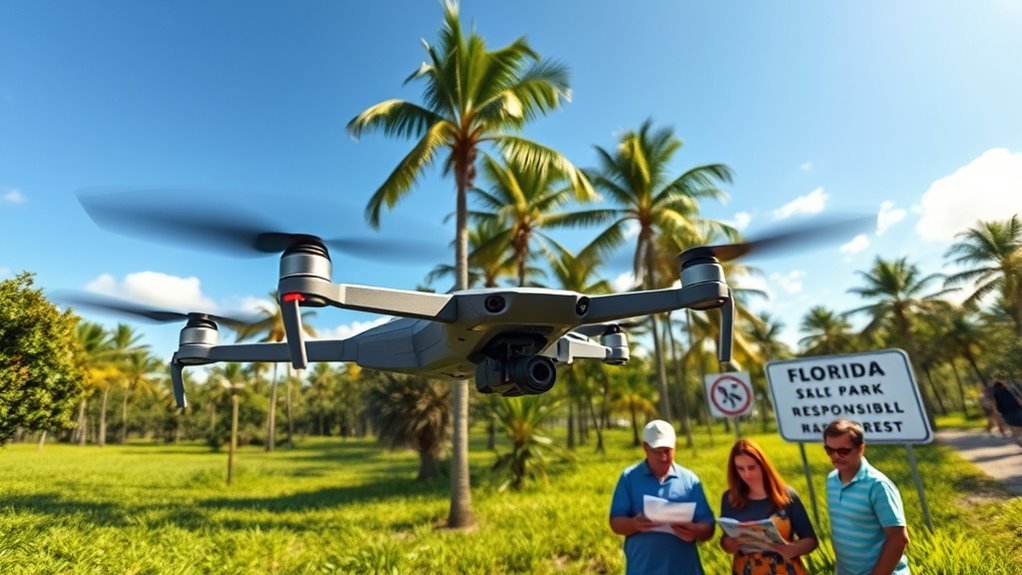
To legally fly drones in Florida, you must follow FAA regulations and state laws. Register your drone if it weighs over 0.55 pounds. Stick to a maximum altitude of 400 feet and maintain visual contact with your drone. Avoid no-fly zones, like national parks and near airports. Be mindful of local ordinances and privacy laws when taking photos. Embrace best practices for safety, as there’s more to guarantee compliant drone usage ahead.
Understanding FAA Regulations for Drone Operation
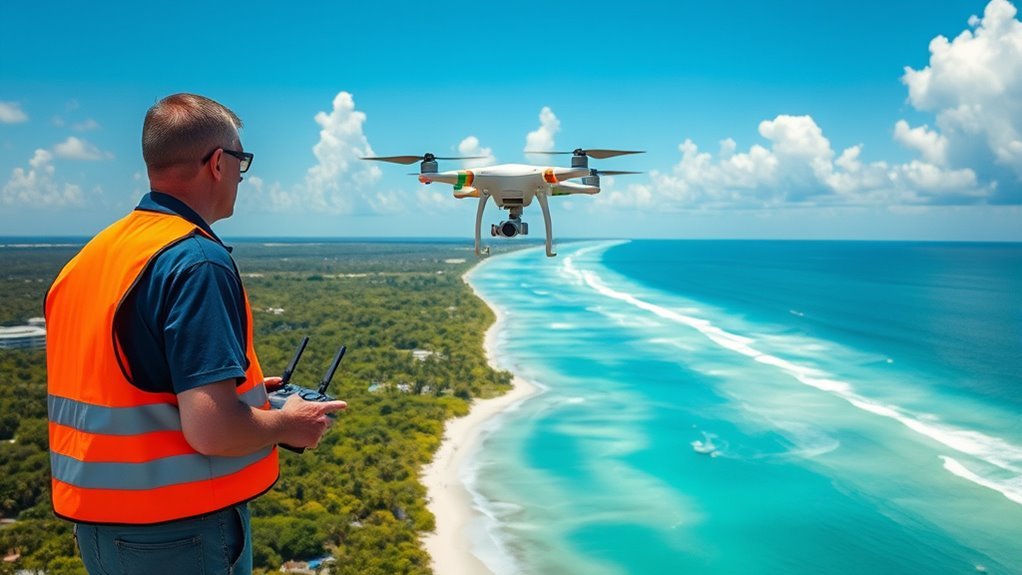
When it comes to flying drones in Florida, how well do you understand the FAA regulations? Knowing the rules is essential for maintaining your freedom as a drone operator. First, you need to register your drone if it weighs more than 0.55 pounds. Understanding your drone’s weight is vital, as it determines the regulations that apply. The FAA also sets a maximum flight altitude of 400 feet, which you must adhere to in order to avoid conflicts with manned aircraft. Flying above this limit can lead to penalties. Additionally, always keep your drone in sight and avoid flying near airports or other restricted areas. By following these guidelines, you can enjoy your drone experience while staying compliant with federal laws.
State-Specific Drone Laws in Florida
While understanding federal regulations is essential, it’s equally important to be aware of state-specific drone laws in Florida. Familiarizing yourself with these state drone regulations can help you avoid potential legal issues. Here are three key points to take into account:
- Local Ordinance Compliance: Different cities and counties may have their own drone rules, so check local laws before flying.
- Privacy Laws: Florida has strict privacy laws that could impact your drone use, especially concerning photography in private areas.
- No-Fly Zones: Certain locations, like state parks and near airports, have designated no-fly zones.
Registration Requirements for Drones

In Florida, all drones weighing more than 0.55 pounds (approximately 250 grams) must be registered with the Federal Aviation Administration (FAA) before you take flight. This drone registration is essential to guarantee compliance with federal regulations and to maintain safety in the skies. You can complete the registration through an online process, which is straightforward and typically takes only a few minutes. Simply visit the FAA’s website, provide the necessary information about your drone, and pay the registration fee. Once registered, you’ll receive a unique identification number to display on your drone. Remember, keeping your drone properly registered not only enhances your flying experience but also helps you enjoy the freedom of flying legally and responsibly.
Airspace Restrictions and No-Fly Zones
Maneuvering the skies with a drone in Florida requires awareness of airspace restrictions and no-fly zones. To guarantee a safe and legal flight, you should familiarize yourself with the following:
- Class B Airspace: Often around major airports, these areas have strict regulations and are typically no-fly zones for drones.
- National Parks: Flying drones in national parks is prohibited, as these areas are protected for wildlife and visitor enjoyment.
- Restricted Areas: Military bases and other sensitive locations are designated as no-fly zones, so always check local regulations before flying.
Understanding airspace classifications helps you navigate Florida’s skies while respecting safety regulations. Stay informed, and you’ll enjoy the freedom of flying your drone legally.
Best Practices for Safe Drone Flying
To guarantee a safe and enjoyable flying experience, it’s essential to adopt best practices when operating your drone. First, prioritize drone maintenance; regularly check and calibrate your equipment to ascertain peak performance. This not only extends your drone’s lifespan but also enhances safety during flights. Next, always monitor weather conditions before you fly. Wind, rain, and fog can greatly impact your drone’s stability and control. If conditions aren’t favorable, it’s better to postpone your flight. Additionally, maintain a clear line of sight with your drone at all times and respect privacy boundaries. By following these guidelines, you’ll not only enjoy your freedom to fly but also contribute to a safer environment for everyone. Happy flying!
Frequently Asked Questions
Can I Fly My Drone at Night in Florida?
Flying your drone at night’s like dancing with the stars, but you’ve gotta follow night flying regulations. Make certain your drone’s equipped with proper light requirements to stay safe and legal while soaring through the night sky.
Are There Age Restrictions for Flying Drones in Florida?
Yes, there are age requirements for flying drones in Florida. You must be at least 16 years old to obtain a drone license, ensuring you’re responsible and knowledgeable about safe drone operation.
How Do I Report a Drone Incident in Florida?
Have you ever wondered how to handle a drone incident? To report one in Florida, contact local law enforcement or the FAA, ensuring you comply with Florida drone regulations and follow proper drone incident reporting procedures.
Can I Fly Drones Over Private Property Without Permission?
You can’t fly drones over private property without permission due to drone privacy laws and property rights. Respecting boundaries is essential for maintaining good relationships and avoiding legal issues in your drone activities.
What Should I Do if My Drone Crashes?
If your drone crashes, you should immediately assess the damage and implement drone recovery strategies. Consider contacting your insurance provider to explore coverage options, ensuring you’re prepared for similar incidents in the future. Stay informed and proactive.
