

To legally fly drones over houses, you need to understand federal regulations, state laws, and local ordinances. Always respect privacy rights by getting permission from property owners before flying over their property. It’s essential to stay below 400 feet and avoid no-fly zones, especially near airports. Familiarizing yourself with airspace classifications and ideal flight times can enhance your operations. There’s much more to learn about compliance and safety practices in drone usage.
Understanding Federal Drone Regulations

As you venture into the world of drone flying, it is vital to understand the federal regulations that govern this activity. The Federal Aviation Administration (FAA) sets forth federal guidelines that you must adhere to, ensuring safety and order in the skies. Drones are classified into various categories, primarily based on weight and intended use. For instance, recreational flyers typically operate under Part 107 rules, while commercial users face stricter requirements. Knowing which classification your drone falls under is important for compliance. By familiarizing yourself with these regulations, you not only protect your freedom to fly but also contribute to a safer aerial environment for everyone. Ignoring these guidelines could lead to penalties, jeopardizing your ability to enjoy this exhilarating hobby.
State and Local Laws to Consider
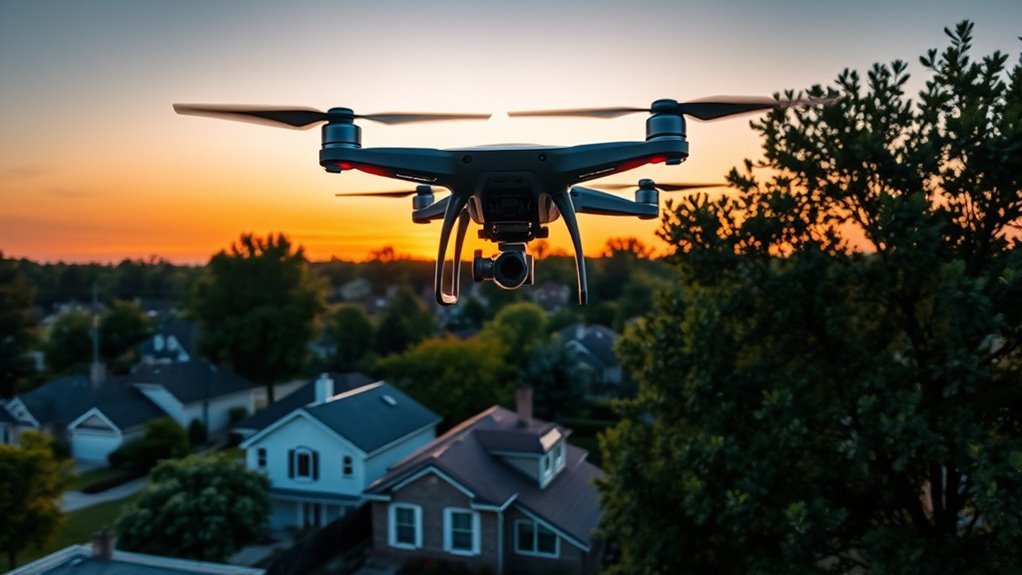
Understanding federal regulations is just the beginning of your journey into drone flying; state and local laws also play a significant role in how and where you can operate your drone. State drone regulations can vary widely, impacting everything from flight altitude to restrictions near public spaces. You’ll need to familiarize yourself with these laws to avoid fines or penalties. Additionally, local zoning laws can dictate where you can launch or land your drone, especially in residential areas. Some municipalities may have specific rules regarding drone use over private property, so it’s essential to check these regulations. By understanding and complying with state and local laws, you can enjoy the freedom of flying your drone legally and responsibly. Moreover, it’s crucial to be aware of temporary flight restrictions that may affect your flight plans.
Privacy Rights and Drone Usage

How can you guarantee that your drone flights respect the privacy rights of others? First, understand that drone surveillance ethics revolve around consent and transparency. Always seek homeowner consent before flying over private property, as this fosters trust and affirms you’re not infringing on their privacy. Respecting boundaries isn’t just about legality; it’s about ethical responsibility. Consider the potential for unintended surveillance—your drone could capture images or video that violate someone’s sense of privacy. Being proactive in communicating your intentions can help mitigate concerns. When in doubt, err on the side of caution and avoid flying too close to residential areas. By prioritizing privacy rights, you can enjoy the freedom of flight while maintaining respect for your neighbors. Additionally, it’s important to be aware that federal government controls navigable airspace above personal property, which highlights the need for responsible drone operation. Implementing physical barriers can further enhance privacy protection and prevent unauthorized drone access.
Flying Drones Over Private Property: What You Need to Know
When flying drones over private property, it’s essential to understand local regulations that govern airspace use. You should respect the privacy rights of property owners and be aware that unauthorized flights could lead to legal repercussions. Obtaining necessary permissions can help you avoid conflicts and guarantee a smoother flying experience. Additionally, ensure compliance with drone registration requirements to operate legally and safely in various airspaces. Failing to register your drone can result in significant legal penalties, which may include hefty fines and potential confiscation of the drone.
Understand Local Regulations
While managing the complexities of flying drones, it’s vital to recognize that local regulations can greatly impact your ability to operate above private property. Local drone laws vary notably by region, so you’ll want to familiarize yourself with the specific rules in your area. Engaging with your community can also provide valuable insights into any restrictions that may not be well-publicized. Whether it’s zoning laws, flight altitude limits, or no-fly zones, understanding these regulations is critical for your freedom to fly. Ignoring them could lead to fines or legal issues. By staying informed and actively participating in community engagement, you’ll not only guarantee compliance but also promote a responsible drone culture that respects others’ rights and enhances your flying experience.
Respect Privacy Rights
Although you might be excited to capture stunning aerial footage, it’s vital to recognize that flying drones over private property can raise significant privacy concerns. Understanding drone surveillance ethics is imperative to avoid potential conflicts. Respecting others’ privacy not only reflects your integrity but also protects you from legal repercussions.
| Privacy Aspect | Ethical Consideration | Potential Consequence |
|---|---|---|
| Personal Space | Respect boundaries | Legal action |
| Data Collection | Transparency is key | Trust erosion |
| Intent of Use | Consider public perception | Reputation damage |
Obtain Necessary Permissions
Respecting privacy rights is just the beginning when it comes to flying drones legally. To guarantee you’re operating within the law, obtaining necessary permissions is essential. Before flying over private property, check local regulations and seek drone permits if required. Each jurisdiction may have its own rules governing drone usage, and legal compliance is non-negotiable. This might involve notifying property owners or securing explicit consent, depending on your flight’s purpose. Remember, ignorance of the law won’t protect you from penalties. Stay informed about airspace classifications and restrictions, as these can impact where you can fly. By doing your due diligence, you not only respect others’ rights but also maintain your freedom to explore the skies responsibly.
Best Practices for Aerial Photography and Videography
When you’re capturing aerial images or videos, understanding airspace regulations is essential to avoid legal issues. Securing necessary permissions can also enhance your credibility and safety during flights. Additionally, choosing ideal flight times guarantees better lighting conditions and minimizes disturbances in populated areas. Always remember to maintain visual line of sight with your drone to ensure safe navigation and compliance with regulations. Furthermore, being aware of collision avoidance technology is crucial for mitigating risks during your flights.
Understanding Airspace Regulations
Understanding airspace regulations is essential for anyone looking to capture breathtaking aerial photography and videography with drones. To navigate the complexities of airspace classifications and altitude restrictions, you’ll want to familiarize yourself with the different types of airspace and their specific rules.
| Airspace Classification | Key Characteristics |
|---|---|
| Class G | Uncontrolled, no altitude restrictions below 400 ft |
| Class B | Busy airspace, requires ATC clearance |
| Class C | Controlled, must stay below 400 ft and stay clear of airports |
Securing Necessary Permissions
Maneuvering airspace regulations is just the first step in guaranteeing your drone photography and videography are legally compliant. Securing necessary permissions involves understanding the permission processes for both private and public properties. Always seek consent from property owners before flying over their land, as this protects your rights and fosters goodwill. Maintain thorough legal documentation of your permissions, including written agreements when possible. Additionally, check local laws and ordinances, as they can vary greatly by region. Familiarize yourself with any special requirements for aerial photography, such as permits for commercial use. By being proactive in obtaining permissions and respecting others’ rights, you can enjoy the freedom of flying your drone while staying within the boundaries of legality.
Choosing Optimal Flight Times
While selecting the right time to fly your drone may seem trivial, it greatly impacts the quality of your aerial photography and videography. To capture stunning visuals, consider the following ideal weather conditions and peak activity hours for your flights:
| Day of the Week | Ideal Weather Conditions | Peak Activity Hours |
|---|---|---|
| Monday | Clear, sunny | 7 AM – 9 AM |
| Tuesday | Partly cloudy | 10 AM – 12 PM |
| Wednesday | Mild winds | 3 PM – 5 PM |
| Thursday | Low humidity | 6 PM – 8 PM |
| Friday | Overcast | 5 PM – 7 PM |
Obtaining Permission From Property Owners
Before you take to the skies with your drone, securing permission from property owners is essential. Respecting property boundaries not only fosters good relationships but also aligns with drone etiquette. Always approach property owners with clear intentions, explaining your purpose for flying over their land. This transparency can alleviate concerns they may have about privacy or safety. If possible, provide a way for them to contact you during the flight, ensuring they feel comfortable. Remember, some may have specific requests or preferences regarding flight times or altitudes. By obtaining permission, you empower yourself as a responsible drone operator, enjoying your freedom while minimizing disputes. Ultimately, clear communication is key to a successful and enjoyable experience for everyone involved.
Navigating Airspace Restrictions and No-Fly Zones
Understanding airspace restrictions and no-fly zones is essential for any drone operator aiming to fly legally and safely. Familiarizing yourself with airspace classifications helps you navigate where you can fly. Here’s a quick overview:
| Airspace Class | Description | No-Fly Zones |
|---|---|---|
| Class A | High-altitude airspace | Near airports |
| Class B | Busy metropolitan areas | Military installations |
| Class C | Surrounding airports | National parks |
| Class D | Smaller airports | Events with large crowds |
Always check local regulations and map resources before your flight. Ignoring these zones can lead to hefty fines and safety risks. Stay informed, respect the rules, and enjoy your freedom to fly responsibly.
Frequently Asked Questions
Can I Fly My Drone at Night Legally?
You can fly your drone at night, but you must follow night flying regulations. Guarantee your drone has proper light requirements to maintain visibility. Always check local laws to avoid potential fines or restrictions.
What Happens if I Accidentally Fly Over a No-Fly Zone?
If you accidentally fly over a no-fly zone, you could face serious no fly consequences, including legal penalties. It’s vital to stay informed about airspace regulations to avoid unintentional violations and their repercussions.
Are There Age Restrictions for Flying Drones?
Flying drones is like maneuvering through a maze; you’ve got to know the rules. Drone regulations often restrict youth operators under 13. Verify you check local laws to avoid complications and enjoy your aerial freedom responsibly.
Do I Need Insurance to Operate a Drone?
You don’t legally need insurance to operate a drone, but it’s wise. Exploring drone insurance types and coverage options can protect you from liabilities, ensuring your freedom to fly without unnecessary risks or financial burdens.
How Can I Report a Drone-Related Incident?
So, you’ve encountered an errant drone, huh? To report an incident, document it meticulously, noting details for drone safety. Then, contact local authorities or aviation bodies. Your voice guarantees freedom in the skies remains intact!
