
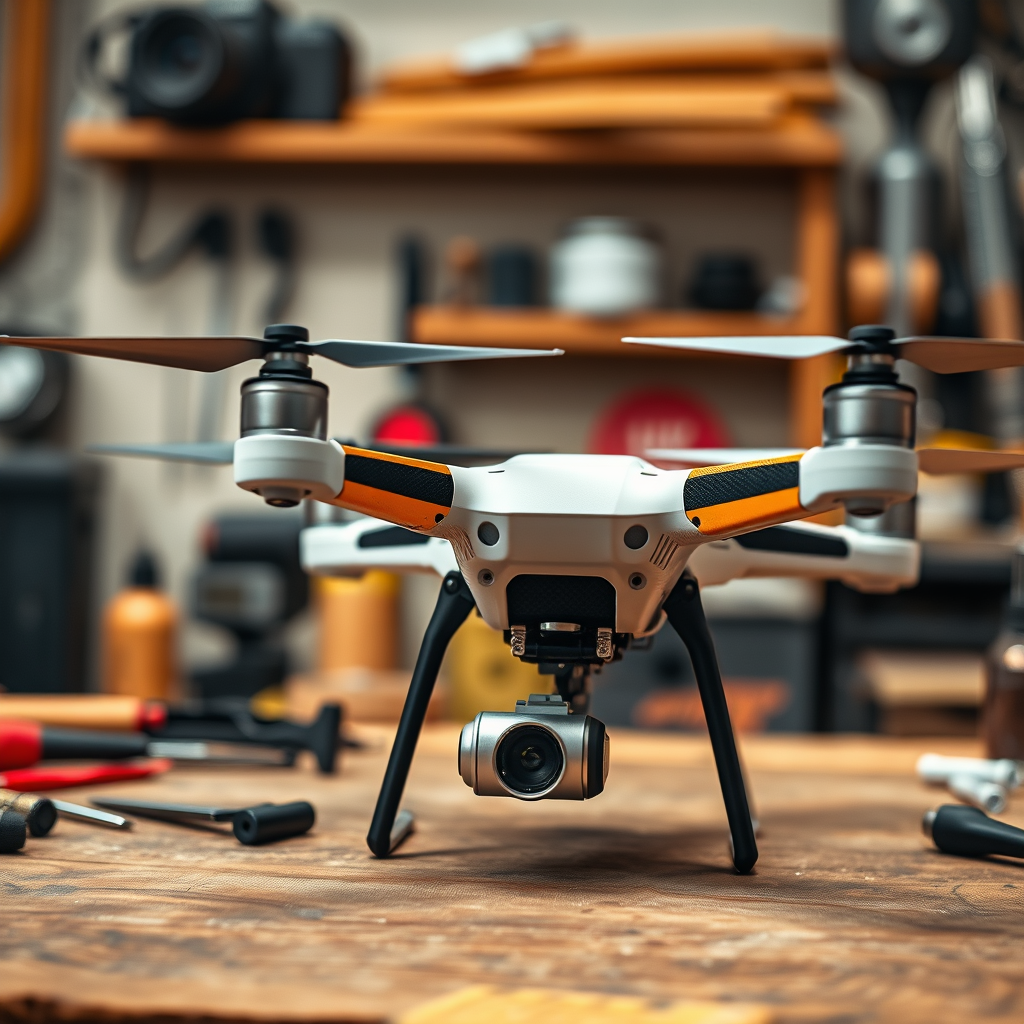
To make your drone more powerful, consider upgrading its battery, motors, and propellers. These enhancements can significantly improve flight time, speed, and overall performance. Upgrading these key components not only maximizes your drone’s potential but also elevates your flying experience to new heights. In this post, we will delve into essential upgrades that can transform your standard drone into a high-performance machine, allowing you to tackle more demanding tasks with ease.
Upgrade the Battery
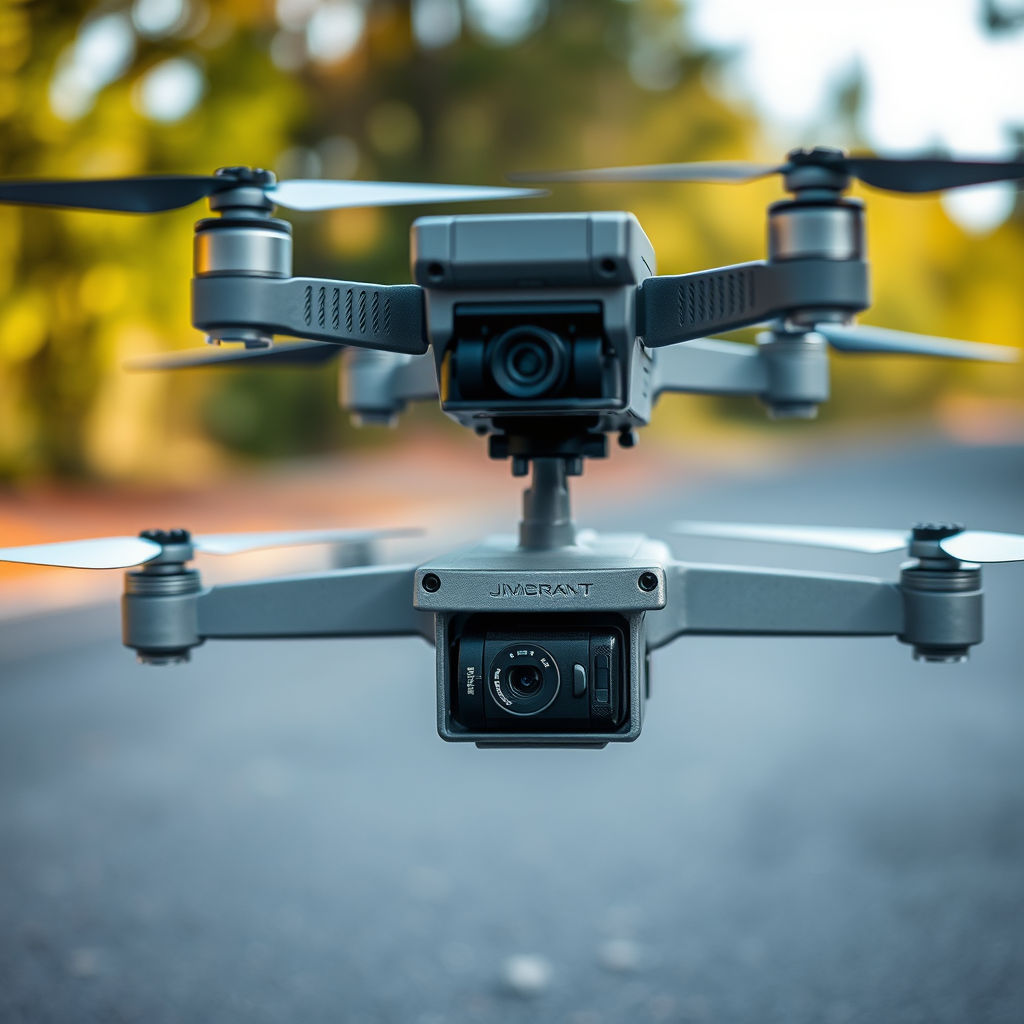
One of the most straightforward and effective ways to enhance your drone’s performance is by upgrading the battery. A higher capacity battery can significantly extend flight time, allowing you to stay airborne longer without the need for frequent recharges. For instance, if your drone currently operates on a 2200mAh battery, consider upgrading to a 4000mAh battery. This change can provide nearly double the flight time, enabling you to capture more extensive aerial footage or cover larger areas during your flights.
However, while increasing capacity is beneficial, it’s equally important to opt for lightweight batteries to avoid adding unnecessary weight that could hinder performance. Lithium Polymer (LiPo) batteries are popular for drone upgrades due to their high energy density and relatively low weight. Brands like Tattu and Gens Ace offer excellent options that balance power and weight effectively. Always check the compatibility of the battery with your drone’s specifications to ensure optimal performance.
Enhance the Motors
Replacing stock motors with high-performance alternatives is another critical upgrade that can yield substantial benefits. Stock motors are often designed with cost efficiency in mind, which can limit your drone’s thrust and overall performance. Upgrading to brushless motors, for example, can enhance efficiency and reliability, resulting in increased thrust and responsiveness.
When selecting new motors, ensure they are compatible with your drone’s frame and battery specifications. For instance, if you upgrade to a more powerful motor, you may also need to adjust your battery choice to accommodate the increased power draw. Brands like EMAX and Hobbywing offer a range of motors that can provide the necessary boost, making your drone faster and more agile during flight.
Optimize Propeller Size and Material
The propellers play a crucial role in your drone’s ability to lift and maneuver effectively. By selecting larger or more efficient propellers, you can achieve better lift and stability. For example, if your drone currently uses 5-inch props, consider upgrading to 6 or 7-inch props to enhance lift, particularly beneficial for heavier payloads or windy conditions.
Additionally, the material of the propellers also matters. While plastic propellers are common, switching to lightweight materials like carbon fiber can result in improved performance. Carbon fiber propellers are not only stronger and more efficient but also reduce vibrations, which can lead to smoother video footage if you’re capturing aerial content. Brands like Gemfan and HQProp provide high-quality carbon fiber options that can dramatically improve your drone’s performance.
Fine-Tune the Firmware
Often overlooked, updating your drone’s firmware can have a significant impact on its overall performance. Manufacturers periodically release firmware updates that include performance enhancements, bug fixes, and new features. Regularly checking for and installing these updates ensures your drone operates at peak efficiency.
Moreover, after upgrading components like the battery and motors, it’s essential to fine-tune the settings within the firmware. Adjusting parameters such as motor output, flight modes, and PID settings can help optimize flight characteristics based on your specific upgrades. This can result in improved stability, responsiveness, and overall flight experience. Many drones come with companion apps or software that facilitate these adjustments, making it easier for users to customize their flying experience.
Reduce Weight
Reducing the overall weight of your drone is an effective way to enhance its power-to-weight ratio, leading to better performance. Start by removing unnecessary accessories that may add weight without providing significant benefits. For example, if you have additional sensors or cameras that are not essential for your current flying needs, consider detaching them.
Additionally, look for lightweight components to replace heavier parts. For example, using a carbon fiber frame instead of a plastic or aluminum one can significantly decrease weight while maintaining structural integrity. This reduction in weight allows your drone to achieve better flight times and improved maneuverability, as less power is required to keep it airborne.
Improve Aerodynamics
Aerodynamics plays a pivotal role in a drone’s efficiency and performance. By adding aerodynamic modifications or fairings, you can reduce drag, allowing your drone to fly more efficiently and at higher speeds. Simple modifications, such as streamlining the design or adding fairings to the arms, can make a noticeable difference.
Ensuring that your drone’s design is as streamlined as possible also contributes to better flight efficiency. This can involve repositioning components, minimizing exposed wires, or using low-drag materials. The more aerodynamic your drone is, the less energy it consumes, which translates to longer flight times and enhanced performance.
Regular Maintenance
Finally, regular maintenance is crucial for ensuring your drone operates at optimal performance levels. Keeping motors and propellers clean, well-maintained, and free from debris is essential for smooth operation. Dirt and grime can negatively affect performance, leading to reduced efficiency and increased wear on components.
Additionally, routinely checking for wear and tear on components like motors, batteries, and propellers can prevent unexpected failures during flight. Regular maintenance not only extends the life of your drone but also ensures that all upgrades function as intended, maximizing the benefits of your enhancements.
In conclusion, making your drone more powerful involves a combination of smart upgrades, regular maintenance, and fine-tuning. By focusing on enhancing the battery, motors, and propellers, optimizing firmware settings, reducing weight, and improving aerodynamics, you can significantly elevate your drone’s capabilities. These upgrades not only enhance performance but also enrich your flying experience, allowing you to explore new possibilities in aerial photography, racing, and recreational flying. Don’t hesitate to get started with these upgrades today and unlock the full potential of your drone!
Frequently Asked Questions
What upgrades can I make to increase my drone’s power?
To increase your drone’s power, consider upgrading the motors and propellers. High-quality brushless motors can provide better thrust, while larger, more efficient propellers can improve lift and flight time. Additionally, upgrading to a higher-capacity battery can enhance power output and extend flight duration, allowing your drone to perform better in demanding conditions.
How do battery upgrades affect my drone’s performance?
Upgrading to a higher-capacity battery can significantly improve your drone’s performance by providing more energy for longer flight times and increased power output. When selecting a battery, look for one with a higher milliamp-hour (mAh) rating, while also ensuring it matches your drone’s voltage requirements. This can lead to improved stability, faster speeds, and the ability to carry heavier payloads.
Why is it important to balance my drone’s propellers for better power?
Balancing your drone’s propellers is crucial for optimizing performance because unbalanced propellers can lead to vibrations, decreased flight efficiency, and increased wear on your drone’s components. Properly balanced propellers enable smoother flight, better energy consumption, and overall improved power, allowing your drone to operate at its best without unnecessary strain on the motors.
What is the best way to tune my drone for maximum power?
To tune your drone for maximum power, start by adjusting the PID settings in your flight controller. This involves fine-tuning the Proportional, Integral, and Derivative values to improve response and stability. Additionally, experimenting with different flight modes and settings can help you find an optimal balance between power and control, enhancing your drone’s performance in various flying conditions.
Which settings should I change in my drone’s flight controller for more power?
To increase your drone’s power through the flight controller, focus on adjusting the throttle curve and increasing the maximum throttle limit. Depending on your drone’s model, you may also want to enable features like “agility mode” or “acro mode,” which can enhance responsiveness and power delivery. Always test these changes in a safe environment to ensure stability and control.
References
- https://en.wikipedia.org/wiki/Drone
- https://www.nasa.gov/feature/what-is-a-drone
- https://www.faa.gov/uas/getting_started/what_is_a_drone
- https://www.sciencedirect.com/science/article/pii/S2351978917304214
- https://www.techrepublic.com/article/how-to-make-your-drone-more-powerful/
- https://www.wired.com/story/how-to-make-your-drone-faster/
- https://www.aaai.org/ojs/index.php/aimagazine/article/view/1730
- https://www.nist.gov/itl/iad/mig/drones-and-their-impact-industry
- https://www.dronepilotgroundschool.com/drone-battery-tips/
