

To obtain a 107 drone license, also known as the Remote Pilot Certificate, you need to pass the FAA’s Aeronautical Knowledge Test and meet specific eligibility requirements. This guide will walk you through the essential steps to successfully obtain your license, empowering you to operate drones for commercial purposes in compliance with federal regulations.
Understanding the 107 Drone License
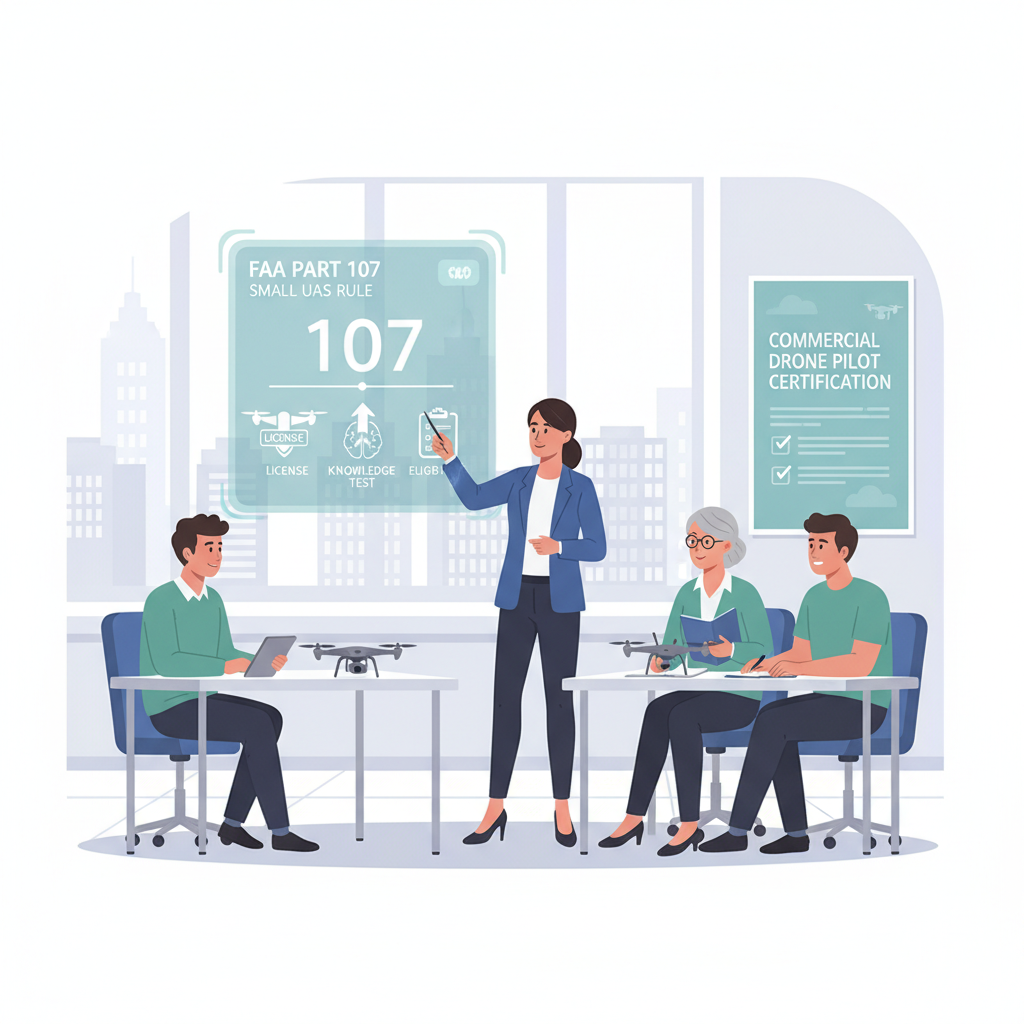
The 107 drone license, or Remote Pilot Certificate, is a certification issued by the Federal Aviation Administration (FAA) that allows individuals to operate drones for commercial purposes legally. This license is crucial for anyone looking to utilize drones in fields such as real estate photography, agricultural monitoring, infrastructure inspections, and more. The importance of the 107 license cannot be overstated; it not only legitimizes your operations but also ensures that you are knowledgeable about the safety and regulatory aspects of flying drones.
The FAA oversees all regulations governing drone operations through Part 107, which outlines the standards and procedures necessary for commercial drone pilots. Understanding these regulations is fundamental to ensuring safe flight operations and compliance with federal laws, which helps mitigate risks associated with drone usage in populated areas and sensitive environments.
Eligibility Requirements
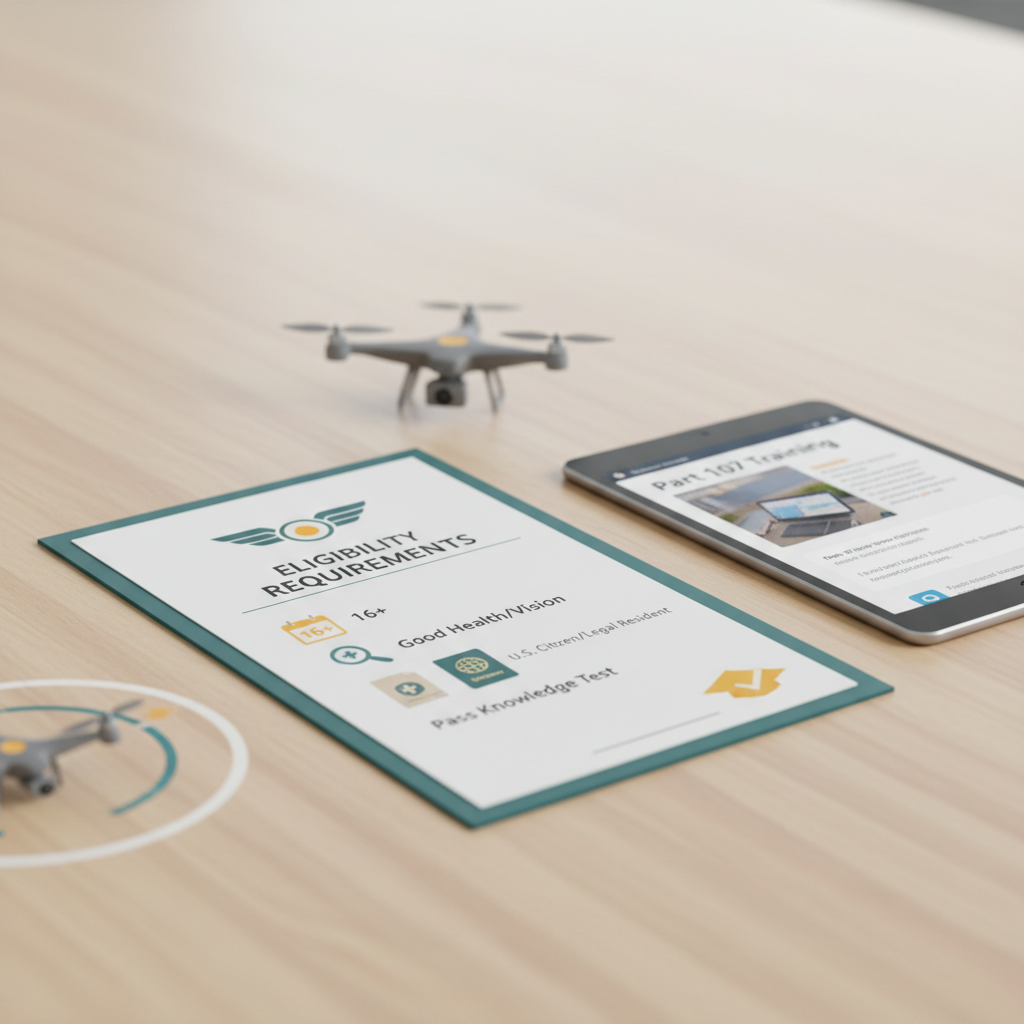
To qualify for a 107 drone license, you must meet several eligibility requirements:
– Minimum Age Requirement: Applicants must be at least 16 years old. This age limit ensures that pilots have reached a level of maturity and understanding necessary for responsible drone operation.
– Legal Residency: You must be a U.S. citizen or a legal resident. This requirement helps the FAA maintain a record of certified pilots and ensures accountability within the aviation system.
– Medical Fitness: Applicants must demonstrate physical and mental fitness to operate a drone. While a formal medical examination is not required, pilots must be able to understand and respond to the operational environment. This includes being able to see and hear effectively, which is essential for safe aerial navigation.
Meeting these eligibility criteria is the first step toward obtaining your Remote Pilot Certificate, paving the way for your future in commercial drone operation.
Preparing for the Aeronautical Knowledge Test
Preparation for the Aeronautical Knowledge Test is critical for success. Here are some recommended study materials and resources:
– Online Courses: Numerous platforms offer comprehensive courses tailored to the FAA’s requirements for the 107 test. Websites like UAV Coach and Drone Pilot Ground School provide structured learning paths that cover essential knowledge areas.
– Textbooks: The FAA’s own “Remote Pilot – Small Unmanned Aircraft Systems Study Guide” is an invaluable resource. This guide breaks down the necessary information in a clear and concise manner, focusing on key topics like airspace classifications, weather effects, and operational procedures.
Key topics to focus on during your study sessions include:
– Airspace Classifications: Understanding the different types of airspace (Class A, B, C, D, E, and G) and their associated regulations is vital for safe operation.
– Weather: Familiarity with meteorological factors that could affect drone flight, such as wind patterns, visibility, and precipitation, is crucial for planning safe missions.
– Drone Operations: This encompasses knowledge of preflight checks, emergency procedures, and the ability to navigate using visual references.
Investing time in thorough preparation will enhance your confidence and competence on test day.
Scheduling the Knowledge Test
Once you feel prepared, the next step is scheduling your Aeronautical Knowledge Test. Here’s how to go about it:
– Finding a Testing Center: The FAA has a network of approved testing organizations. You can easily locate a testing center near you by visiting the FAA’s website or using resources like PSI Services, which administers the test.
– What to Expect on Test Day: On test day, be sure to bring a valid form of identification, such as a government-issued ID. The test consists of 60 multiple-choice questions, and you will need to score at least 70% to pass. It is typically conducted in a computer-based format, allowing for immediate scoring.
Be prepared for a variety of questions that assess your knowledge of drone regulations, safety procedures, and operational best practices. Arriving well-prepared will ease the stress of the testing process.
Passing the Test and Receiving Your Certificate
After successfully passing the Aeronautical Knowledge Test, you’ll need to take several steps to complete the certification process:
– FAA Application Process: You must submit an application to the FAA through the Integrated Airman Certification and Rating Application (IACRA) system. This online process involves providing personal information and proof of your test results.
– Understanding the Certificate’s Validity: The Remote Pilot Certificate does not have an expiration date; however, you must complete a recurrent training requirement every two years. This ensures that you remain up-to-date with any regulatory changes or advancements in drone technology.
Completing this process will officially grant you the ability to operate drones commercially, opening doors to numerous opportunities in various industries.
Operating Under Part 107 Regulations
Once you have obtained your 107 drone license, it is essential to operate within the boundaries established by Part 107 regulations. Here are some key operational limits and rules to keep in mind:
– Flight Restrictions: Drones must be flown within visual line-of-sight (VLOS) and cannot exceed an altitude of 400 feet above ground level, except when flying above a structure. Pilots should also be aware of any temporary flight restrictions (TFRs) that may be in effect.
– Night Operations: While the FAA has relaxed some restrictions regarding night flying, drone operators must have anti-collision lighting and adhere to specific visibility guidelines.
– Commercial Use: As a licensed remote pilot, you can charge for your services, but you must always prioritize safety and compliance with FAA regulations.
Maintaining safe flight practices is paramount for sustaining a successful and compliant drone operation. Regularly reviewing your knowledge of regulations will help avoid any potential pitfalls.
Staying Current with Regulations and Updates
The drone industry is evolving rapidly, and it is crucial for certified remote pilots to stay informed about changes in regulations and advancements in technology. Here are some resources to consider:
– FAA Updates: Regularly check the FAA’s website for updates on drone regulations, new policies, and safety guidelines. Subscribing to the FAA’s newsletter can also keep you informed.
– Professional Organizations: Joining organizations such as the Association for Unmanned Vehicle Systems International (AUVSI) or the Drone Advisory Committee can provide valuable networking opportunities, resources, and educational materials.
– Online Forums and Communities: Engaging in forums like Drone Pilot Network or the UAV Coach Community can help you connect with other drone enthusiasts and professionals. These platforms are excellent for sharing experiences, asking questions, and finding support.
Staying current with industry developments will enhance your skills and help you maintain compliance with evolving regulations.
In conclusion, obtaining your 107 drone license is a straightforward process if you follow these steps and prepare adequately for the Aeronautical Knowledge Test. Meeting the eligibility requirements, understanding the test preparation materials, and staying informed about regulations are essential for a successful career as a certified remote pilot. Take the first step today and embark on your journey to becoming a compliant and knowledgeable drone operator!
Frequently Asked Questions
What is a 107 drone license and why do I need one?
The 107 drone license, formally known as the Part 107 Remote Pilot Certificate, is issued by the Federal Aviation Administration (FAA) in the United States. This license is essential for anyone looking to operate a drone commercially, as it ensures that the pilot understands the regulations, airspace classifications, and safe operational practices. Without this certification, you may face legal issues and fines if you attempt to use a drone for business purposes.
How do I apply for a 107 drone license?
To apply for a 107 drone license, you must first pass the FAA’s Aeronautical Knowledge Test, which covers topics such as airspace regulations, weather, and drone operation. After passing the test, you can complete the FAA Form 8710-13 for your Remote Pilot Certificate application. Additionally, you’ll need to undergo a TSA security background check, and once approved, you’ll receive your license, allowing you to fly drones commercially.
What study materials are best for preparing for the 107 drone license exam?
The best study materials for preparing for the 107 drone license exam include the FAA’s Remote Pilot – Small Unmanned Aircraft Systems Study Guide, which provides comprehensive information on the necessary topics. Additionally, online courses and practice exams from reputable sources, such as Drone Pilot Ground School or UAV Ground School, can help reinforce your knowledge and familiarize you with the exam format. Utilizing these resources will significantly enhance your chances of passing the test.
How much does it cost to get a 107 drone license?
The cost to obtain a 107 drone license can vary, but you can generally expect to pay around $150 for the FAA examination fee. Additional expenses may include study materials, online courses, and any necessary equipment for practice flights, which could range from $50 to several hundred dollars depending on your approach. Overall, budgeting around $300 to $500 for the entire process is a reasonable estimate.
How long does it take to get a 107 drone license after passing the test?
After passing the FAA’s Aeronautical Knowledge Test, the approval time for your 107 drone license can vary but typically takes anywhere from a few days to several weeks. The process involves a TSA background check, and while many applicants receive their certificates quickly, delays can occur based on the volume of applications. Once granted, your Remote Pilot Certificate will be valid for two years, after which you must complete a recurrent training or testing requirement to maintain your certification.
References
- https://www.faa.gov/uas/getting_started/part_107
- https://www.faa.gov/uas/commercial_operators/part_107/
- https://www.faa.gov/uas/getting_started/part_107/test
- https://www.natlawreview.com/article/getting-your-part-107-drone-license
- https://www.dronepilotgroundschool.com/part-107-drone-license-requirements/
- https://www.droneu.com/part-107-certification-guide/
- https://www.wired.com/story/how-to-get-your-drone-license-107/
- https://www.usc.edu/part-107-drone-certification-guide/
