

To get a drone license in Canada, you must complete the necessary training and pass the required exams administered by Transport Canada. This process ensures that you understand the regulations and safe flying practices necessary for operating drones legally in Canadian airspace. As drone usage continues to grow in popularity for both recreational and commercial purposes, acquiring a license is not just a legal requirement; it also underscores your commitment to safe and responsible drone operation.
Understanding Canadian Drone Regulations
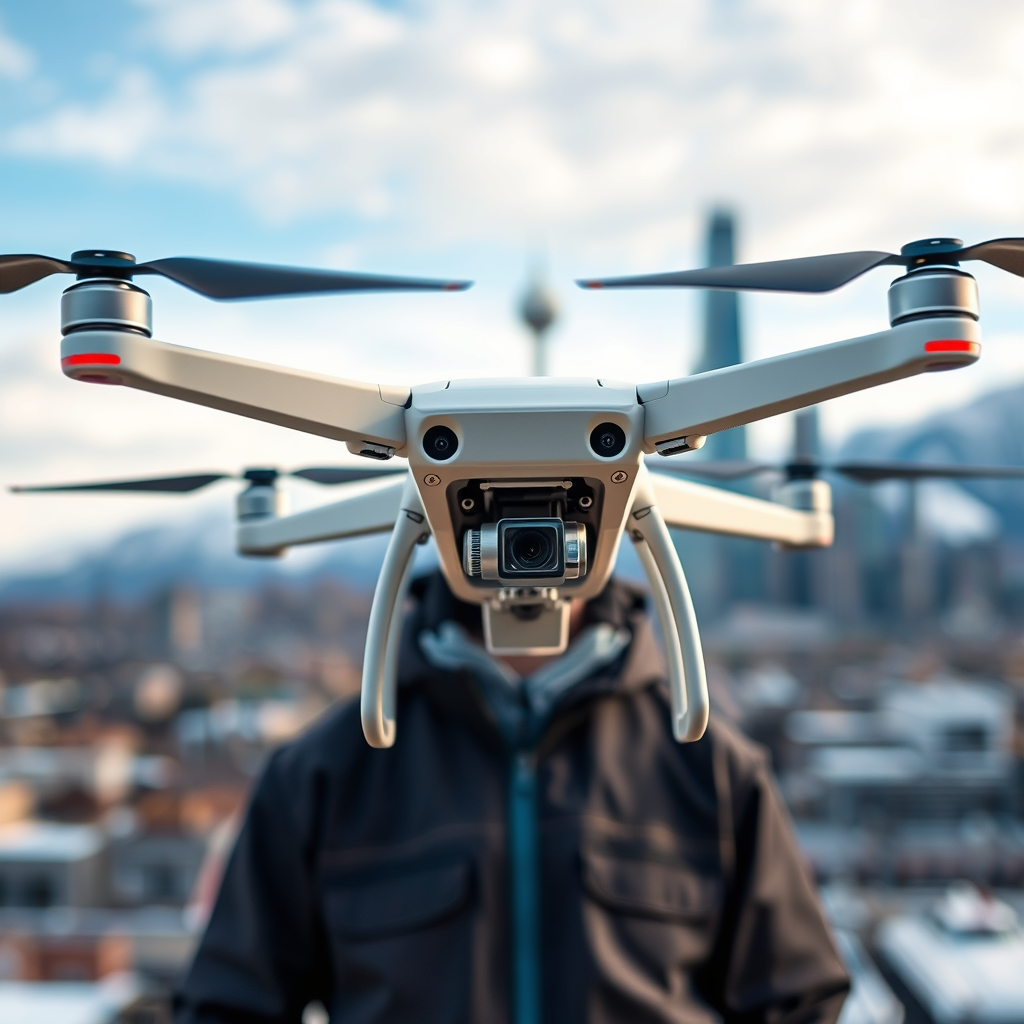
Familiarizing yourself with Transport Canada’s rules for drone operation is crucial for anyone looking to fly a drone legally. Transport Canada has established a comprehensive set of regulations known as the Canadian Aviation Regulations (CARs) that apply specifically to Remotely Piloted Aircraft Systems (RPAS). These regulations are designed to ensure the safety of both drone operators and the general public.

One key aspect of these regulations is the distinction between basic and advanced operations. Basic operations pertain to flying drones that weigh under 250 grams or flying in uncontrolled airspace, where you are not likely to encounter other aircraft. Conversely, advanced operations involve more complex scenarios, including flying in controlled airspace, near people, or beyond visual line-of-sight. Understanding these distinctions is essential for determining which license you will need, as the requirements for each are significantly different.
Types of Drone Licenses
In Canada, there are two primary types of drone licenses you can obtain from Transport Canada: the Basic Pilot Certificate and the Advanced Pilot Certificate.
– Basic Pilot Certificate: This certificate is necessary for operating drones that weigh less than 250 grams or for flying in uncontrolled airspace. The requirements for obtaining this certificate are less stringent, making it accessible for hobbyists and new drone pilots. To qualify, you must pass a written exam that tests your knowledge of airspace rules, regulations, and safe flying practices.
– Advanced Pilot Certificate: If you intend to engage in more complex operations, such as flying near populated areas or in controlled airspace, you will need an Advanced Pilot Certificate. This requires a deeper understanding of aviation regulations and includes completing a more rigorous written exam and a flight review with a qualified instructor. The advanced certification expands your operational capabilities and is often required for commercial drone use.
Preparing for the Knowledge Exam
Preparation for the knowledge exam is essential for success. Start by studying the Transport Canada study guide, which outlines the necessary topics, including air law, navigation, and meteorology. This guide serves as the foundation for your understanding of drone operation within Canadian airspace.
In addition to the official study materials, consider utilizing online resources, forums, and community groups focused on drone operation. Participating in practice exams can be particularly beneficial, as these assessments will help gauge your understanding of the material and familiarize you with the exam format. Many online platforms offer practice questions that mimic the actual exam, allowing you to identify areas where you may need further study.
Practical Flight Training
Once you have prepared for the theoretical aspects of drone operation, the next step is practical flight training. Enrolling in a certified flight school or finding a qualified instructor is highly recommended. These professionals can provide you with hands-on experience and tailored instruction that aligns with your specific goals and the type of license you seek.
When selecting a flight school or instructor, ensure they are recognized by Transport Canada and have a solid reputation for training drone pilots. During your training, you will accumulate the flight time and experience required for your chosen license. This practical experience is invaluable, as it allows you to apply the theoretical knowledge you’ve gained in real-world scenarios, enhancing your confidence and competence as a pilot.
Applying for Your Drone License
After successfully completing your training and exams, you can proceed with the application process to obtain your drone license. This process is conducted via the Transport Canada website, where you will find detailed instructions on how to submit your application.
Be prepared to provide documentation that verifies your training and exam results, including proof of your practical flight training and any other required certifications. Ensure that all documents are accurate and complete to avoid delays in processing your application. Once your application is submitted, Transport Canada will review it, and upon approval, you will receive your pilot certificate, allowing you to operate your drone legally.
Maintaining Your License
After obtaining your drone license, it is important to maintain it by staying updated on any changes to regulations or requirements. The field of drone technology is continually evolving, and Transport Canada may revise its rules to address new safety concerns or technological advancements.
Additionally, consider pursuing further training or certifications for advanced operations or specialized uses. For instance, if you plan on using drones for commercial photography or surveying, additional skills and knowledge may be beneficial. Engaging in continuous education not only keeps you compliant with regulations but also enhances your capabilities as a drone pilot.
In conclusion, obtaining a drone license in Canada involves understanding the regulations, completing the necessary training, and passing the required exams. By following these steps, you can ensure safe and legal drone operation. Start your journey today by exploring the resources available from Transport Canada and take the first steps towards becoming a certified drone pilot. Doing so not only opens new opportunities for personal and professional growth but also contributes to the responsible use of this exciting technology.
Frequently Asked Questions
What are the steps to get a drone license in Canada?
To obtain a drone license in Canada, you must first complete the Transport Canada’s online training course and pass the exam for basic or advanced operations. After passing the exam, you will need to register your drone if it weighs over 250 grams. Finally, ensure you comply with any additional local regulations and keep your pilot certificate updated. Following these steps will help you operate your drone legally and safely.
How much does it cost to get a drone license in Canada?
The cost to obtain a drone license in Canada can vary depending on the path you choose. For the basic online exam, the fee is around CAD 10, while the advanced exam is about CAD 25. Additional costs may include purchasing a drone, registering it, and investing in training resources or courses, which can range from CAD 100 to CAD 500, depending on the provider.
Why do I need a drone license in Canada?
A drone license is required in Canada to ensure safe and responsible drone operation, particularly in populated areas or near restricted airspace. By obtaining a license, you demonstrate that you understand the rules of the air, safety protocols, and the regulations set forth by Transport Canada. This not only protects public safety but also enhances your credibility as a drone operator, particularly if you plan to use your drone for commercial purposes.
Which type of drone license do I need for commercial use in Canada?
If you plan to use your drone for commercial purposes in Canada, you will need to obtain an Advanced Pilot Certificate. This certification allows you to fly in controlled airspace and conduct more complex operations, such as flying at night or beyond visual line of sight (BVLOS). To earn this certificate, you must complete a more comprehensive exam and demonstrate your understanding of advanced safety procedures.
What are the regulations for flying a drone in Canada?
In Canada, drone regulations are governed by Transport Canada and include several key rules. You must fly your drone below 122 meters (400 feet), maintain visual line-of-sight with your drone, and avoid flying near airports or built-up areas without the appropriate certification. Additionally, you should respect privacy laws and ensure that you don’t operate your drone in a manner that could endanger people, property, or aircraft. Understanding these regulations is essential for safe and legal drone operation.
References
- https://www.tc.gc.ca/en/services/aviation/drone-safety.html
- https://www.canada.ca/en/transport-canada/services/aviation/drone-safety.html
- https://www.cbc.ca/news/canada/drone-regulations-1.6144411
- https://www.cbc.ca/news/canada/drone-pilot-certification-1.5721327
- https://www.ottawapublichealth.ca/en/public-health-topics/drone-safety.aspx
- https://www.ryerson.ca/engineering-and-architecture/research/technology-and-society/drone-research/
- https://en.wikipedia.org/wiki/Unmanned_aerial_vehicle#Regulation_in_Canada
- https://www.cctc.ca/education/drone-safety-certification/
