

To obtain a drone license, you need to pass the Federal Aviation Administration (FAA) Part 107 exam and meet specific eligibility requirements. This process is essential for anyone looking to operate a drone commercially or for specific purposes legally. Understanding the necessary steps and preparing accordingly will not only help you succeed in obtaining your license but also ensure you are well-equipped to operate your drone safely and effectively in compliance with FAA regulations.
Understanding Drone Licensing Requirements
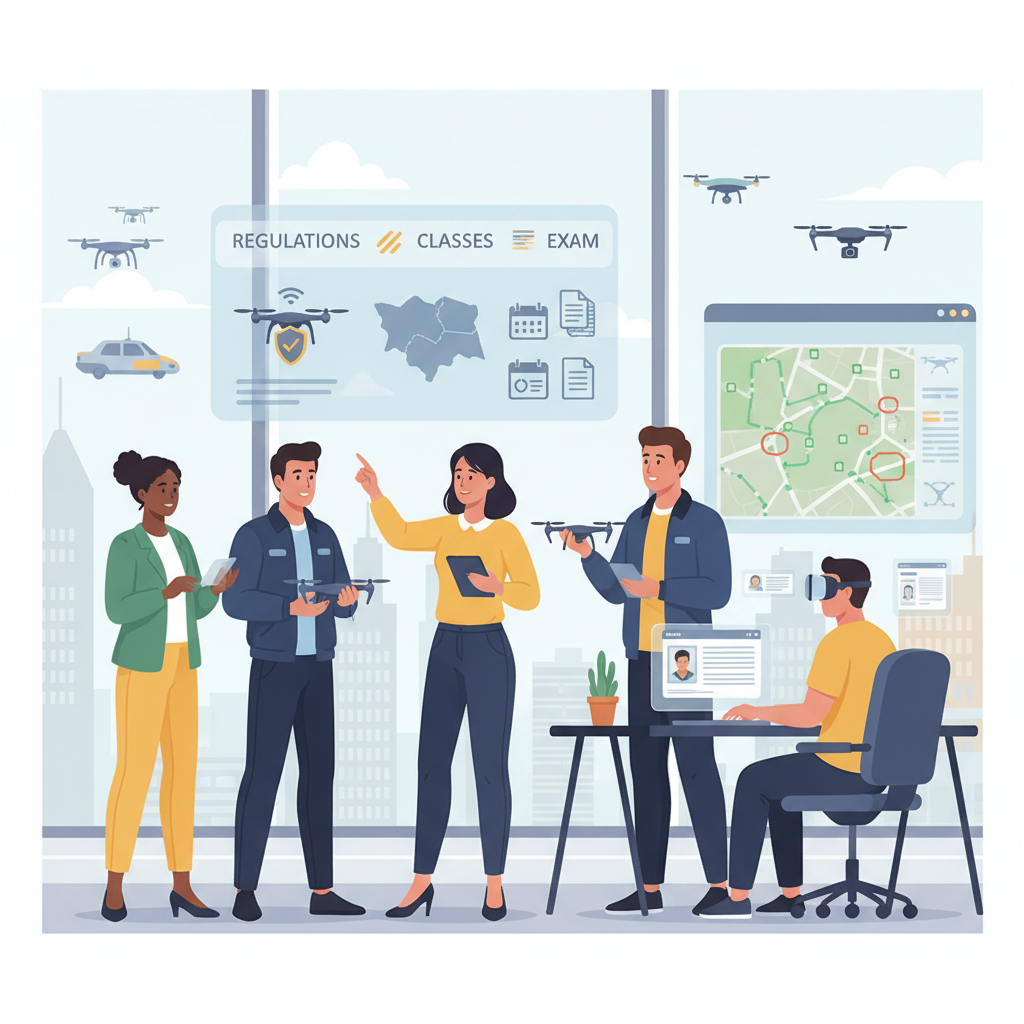
The first step toward obtaining a drone license is familiarizing yourself with the FAA regulations regarding drone operation. The FAA has established guidelines that must be adhered to in order to ensure safety in the national airspace system. For instance, drones must be flown below 400 feet, kept within visual line-of-sight, and not operated over people without specific waivers.
In addition to understanding the regulations, it’s crucial to ensure you meet the eligibility criteria set by the FAA. You must be at least 16 years old, able to read, write, speak, and understand English, and be in a physical and mental condition that allows you to operate a drone safely. Moreover, U.S. citizenship or legal residency is required. Familiarizing yourself with these requirements will streamline your path to becoming a licensed drone pilot.
Preparing for the FAA Part 107 Exam
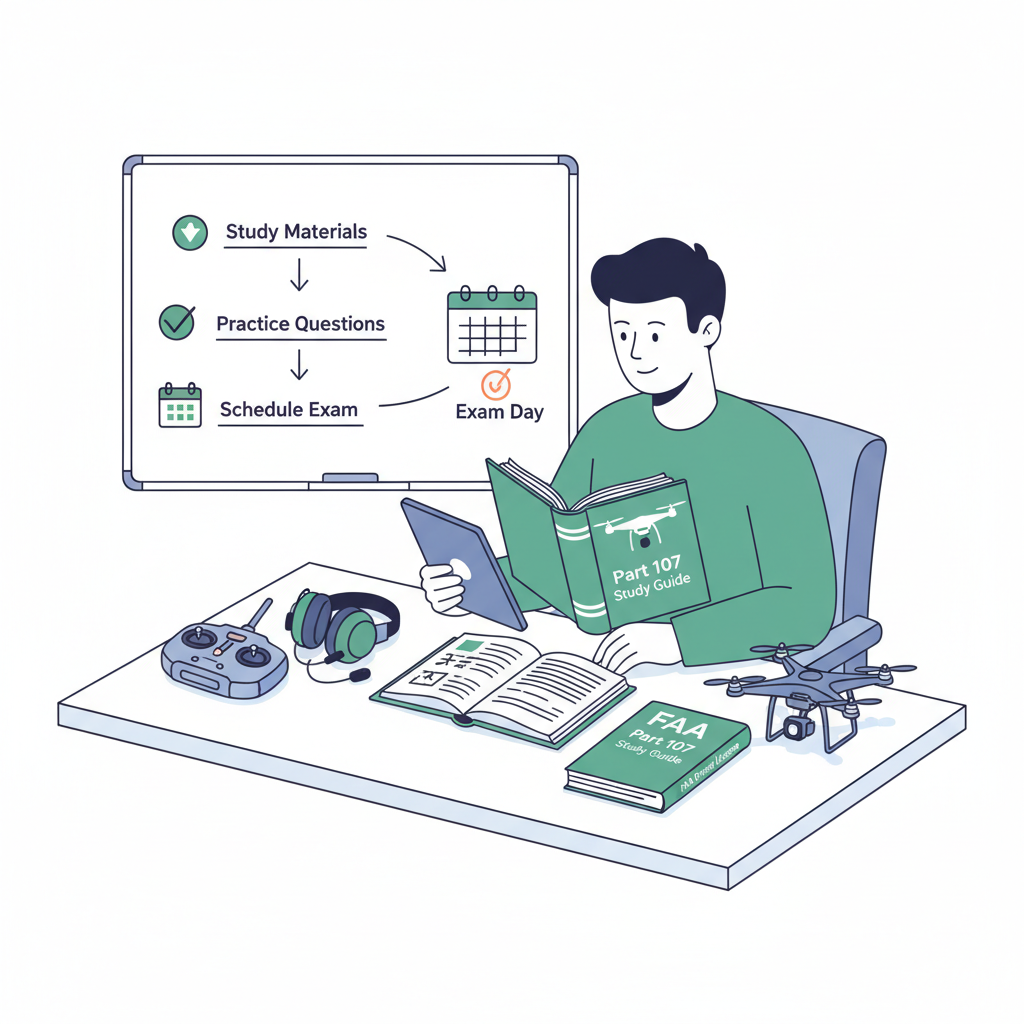
Preparation for the FAA Part 107 exam is vital for passing the test and becoming a licensed drone pilot. The FAA offers a Remote Pilot Knowledge Test guide that outlines the topics covered in the exam, including airspace classification, weather effects, and drone operation regulations.
To enhance your understanding, consider utilizing additional resources such as online courses, textbooks, or study groups. Many aspiring pilots find it beneficial to enroll in a preparatory course that offers structured learning and access to instructors who can answer questions and provide insights. Resources like the FAA’s official website, as well as dedicated drone pilot forums, are ideal for gathering knowledge and tips from experienced pilots.
Scheduling the Exam
Once you feel adequately prepared, the next step is to schedule the FAA Part 107 exam. You can register for the exam through an FAA-approved testing center, which is commonly found at various locations across the country, including community colleges and flight schools. The registration process typically involves creating an account on the FAA’s Integrated Airman Certification and Rating Application (IACRA) website, where you can find a list of available testing centers.
Keep in mind that there is an exam fee, which is currently set at $175. It is advisable to prepare thoroughly for the testing environment, as the exam is given in a multiple-choice format and requires a passing score of at least 70%. Make sure to arrive at the testing center with valid identification and any required documentation to ensure a smooth examination process.
Taking the Exam
Understanding the structure of the FAA Part 107 exam is crucial for your success. The exam consists of 60 multiple-choice questions that cover various topics related to drone operation, safety protocols, airspace regulations, and weather conditions. You will have two hours to complete the exam, which provides ample time if you have prepared adequately.
To build confidence and familiarize yourself with the types of questions you may encounter, practice with sample questions and take online practice tests. Many online platforms offer mock exams that simulate the actual test environment, helping you gauge your readiness. This practice can significantly improve your chances of passing on your first attempt.
Maintaining Your License
Once you have successfully passed the FAA Part 107 exam and obtained your drone license, it is important to know how to maintain it. The FAA requires that you renew your drone license every two years. This process involves completing a recurrent training requirement, which can be fulfilled by passing a free online training course provided by the FAA.
Additionally, staying informed on any changes in regulations is essential to ensure compliance. The drone industry is continuously evolving, and the FAA may update its guidelines or require additional training. Following relevant news sources, joining professional organizations, and participating in workshops can help you stay updated on best practices and regulatory changes.
Additional Certifications and Training
While the FAA Part 107 license is a significant step in your drone pilot journey, there are additional certifications and training opportunities that can enhance your skills and marketability. For instance, obtaining specialized certifications in areas such as aerial photography, drone mapping, or thermal imaging can set you apart from other pilots in the industry.
Consider pursuing training programs that offer hands-on experience and mentorship from experienced drone operators. These programs not only improve your technical skills but also provide networking opportunities that can lead to job prospects or collaborations within the drone community.
Resources for Aspiring Drone Pilots
Lastly, there are numerous resources available for aspiring drone pilots that can aid in your journey. Online platforms such as forums and social media groups are great places to connect with other drone enthusiasts, share experiences, and seek advice. Websites like the FAA’s official portal provide extensive educational materials, including guides, webinars, and instructional videos that can further enhance your knowledge.
Utilizing these resources will not only help you prepare for the exam but also keep you engaged with the broader drone community. Networking with fellow pilots can provide insights into industry trends, job opportunities, and best practices for safe drone operation.
In conclusion, obtaining your drone license requires preparation, understanding of regulations, and successful completion of the FAA Part 107 exam. By following the outlined steps, from comprehending licensing requirements to utilizing available resources, you can achieve your goal of becoming a licensed drone pilot. Start your journey today and take the first step toward exploring the exciting opportunities that drone operation can offer.
Frequently Asked Questions
What are the requirements to obtain a drone license in the United States?
To obtain a drone license in the U.S., specifically a Remote Pilot Certificate from the FAA, you must be at least 16 years old, be able to read, speak, write, and understand English, and pass the FAA’s Aeronautical Knowledge Test. Additionally, you must undergo a TSA security background check. Understanding the regulations and passing the test are crucial steps in ensuring safe and legal drone operation.
How do I prepare for the FAA drone license test?
Preparing for the FAA drone license test involves studying the FAA’s Remote Pilot – Small Unmanned Aircraft Systems Study Guide, taking online courses, and practicing with sample tests. Familiarizing yourself with key topics such as airspace classifications, weather, and drone regulations will greatly enhance your chances of passing the test. Many applicants also find it helpful to join study groups or forums for additional support and resources.
Why is it important to have a drone license for commercial use?
Having a drone license, specifically the FAA’s Remote Pilot Certificate, is essential for anyone looking to use drones for commercial purposes. Operating without a license can result in hefty fines and legal repercussions, as well as risking safety and privacy violations. Moreover, a valid license demonstrates professionalism and adherence to regulations, which can enhance credibility and attract clients in the competitive drone industry.
What is the best way to find a drone license training program?
The best way to find a drone license training program is to research accredited flight schools or online training providers that specialize in FAA certification for drone pilots. Look for programs that offer comprehensive coursework, practice tests, and hands-on flight training. Additionally, reading reviews and testimonials from previous students can help assess the quality of the training program and its alignment with your learning style.
Which documents do I need to submit to apply for a drone license?
To apply for a drone license, you need to complete the FAA Form 8710-13, which is the application for a Remote Pilot Certificate. You will also need to provide proof of passing the Aeronautical Knowledge Test and undergo a TSA security background check. It’s important to keep a copy of all documents and ensure that your application contains accurate information to avoid delays in processing your license.
References
- https://www.faa.gov/uas/getting_started/part_107/
- https://www.faa.gov/uas/education/
- https://www.nasa.gov/feature/what-you-need-to-know-about-flying-drones-0
- https://www.suasnews.com/2020/01/faa-drone-licensing-requirements/
- https://www.dronepilotgroundschool.com/drone-license-requirements/
- https://en.wikipedia.org/wiki/Unmanned_aerial_vehicle#Regulations
- https://www.droneregulations.info/
- https://www.aopa.org/training-and-safety/online-resources/drone-pilot-training-guide
- https://www.ncaa.org/sports/2020/9/11/drone-licensing.aspx
