
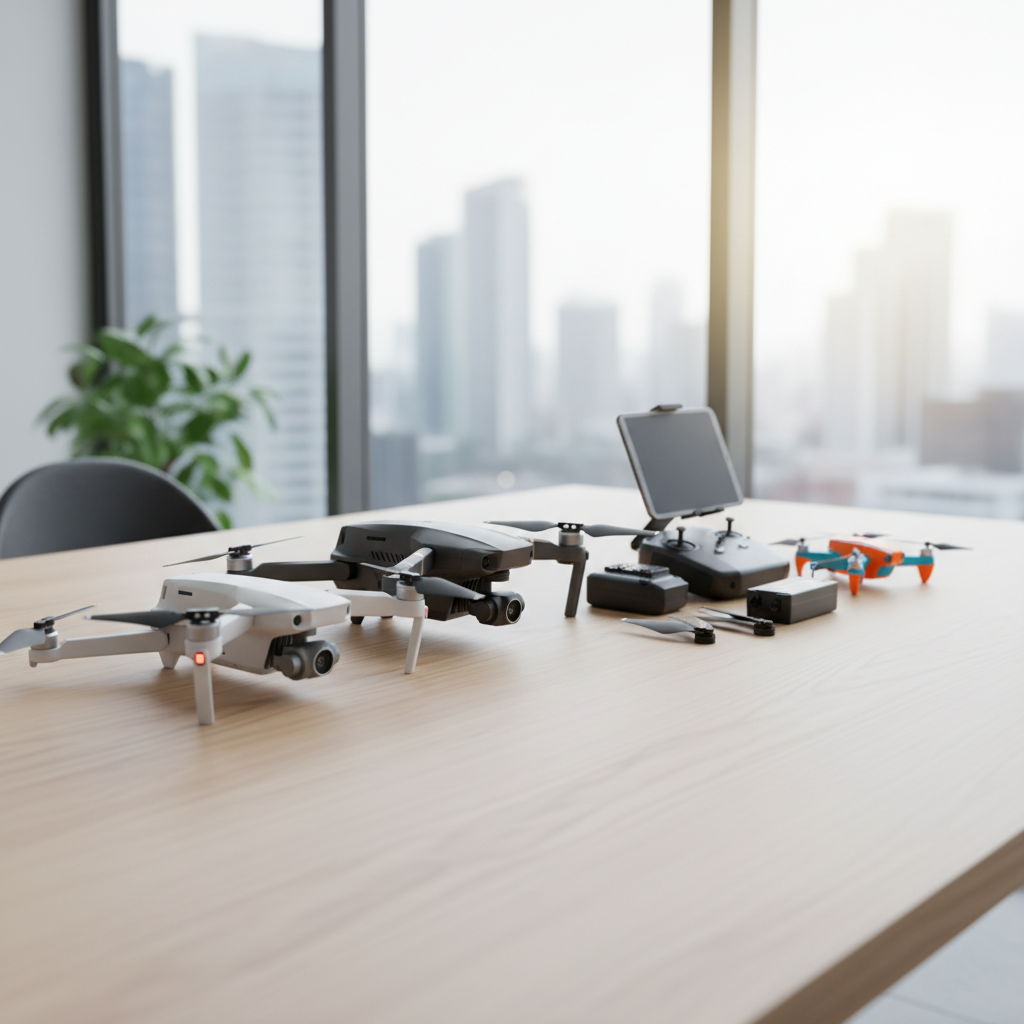
To pick the right drone, first identify your needs, such as photography, racing, or recreational flying. Understanding your purpose will significantly narrow down your options and help you make an informed decision. With the rapid advancement of drone technology, the market offers a diverse range of models tailored to various applications. Whether you’re a beginner eager to explore the skies or an experienced pilot looking to enhance your aerial photography skills, knowing what to look for is critical to making the right choice.
Understanding Drone Types
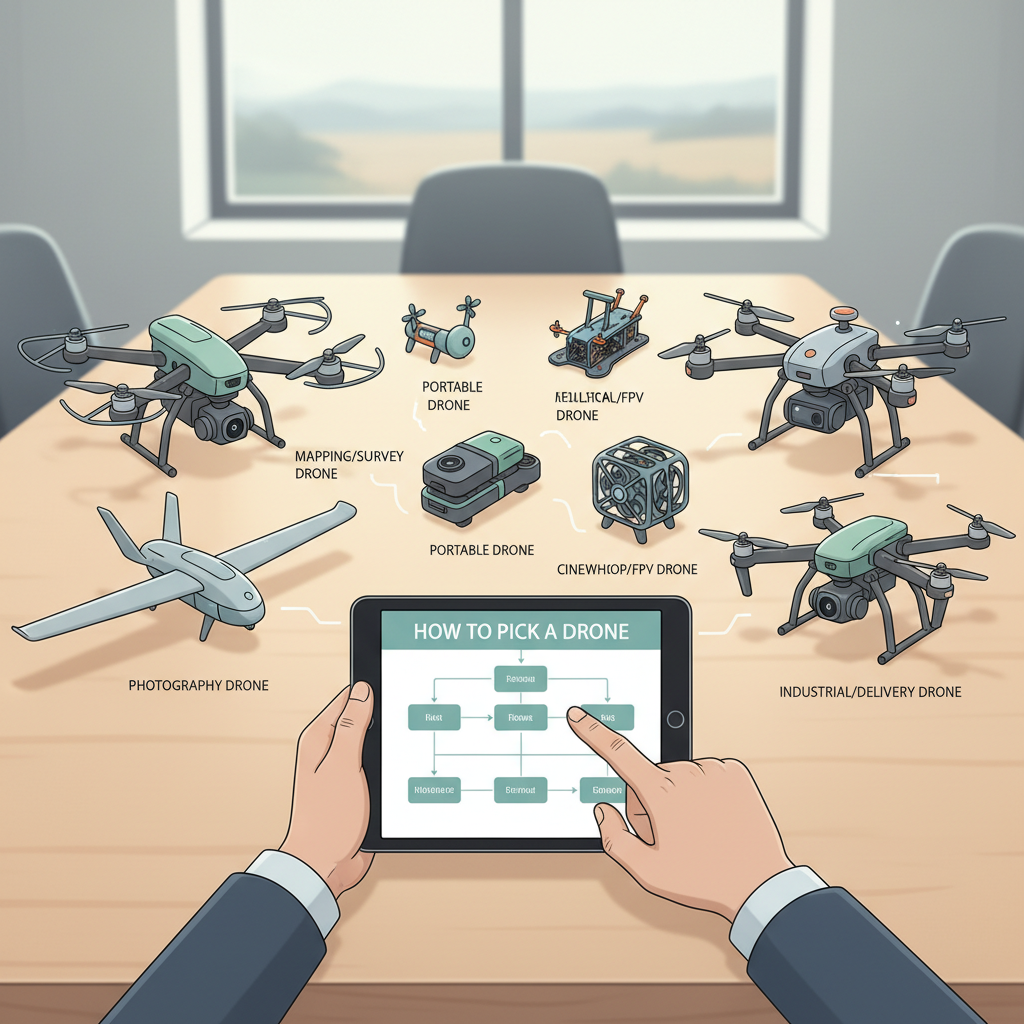
When considering which drone to buy, it’s essential to differentiate between the main types available in the market: hobbyist drones, camera drones, and racing drones.
Hobbyist drones are typically designed for casual flying and are user-friendly, making them ideal for beginners. These drones often come equipped with basic features that allow users to enjoy flying without the need for extensive technical knowledge. Examples include models like the Holy Stone HS720 or the DJI Mini SE, which are perfect for people just starting out in the hobby.
Camera drones, on the other hand, are built primarily for aerial photography and videography. They typically feature high-quality cameras, gimbals for stabilization, and are capable of capturing stunning images and videos. Popular models such as the DJI Mavic Air 2 and the Autel Robotics EVO Lite are excellent choices for those serious about photography, offering advanced features like 4K video recording and various intelligent flight modes.
Racing drones are designed for speed and agility, often constructed from lightweight materials to enhance performance. These drones are not typically equipped with cameras for photography but are instead focused on delivering a thrilling flying experience. Models like the EMAX Tinyhawk II and the Fat Shark 101 are popular choices in the racing community, providing a platform for competitive flying and stunts.
Understanding these distinctions will help you select a drone that aligns with your interests and flying style.
Budget Considerations

Setting a clear budget is crucial when selecting a drone, as it can help you avoid overspending on unnecessary features or models that may not suit your needs. It’s important to consider not just the initial cost of the drone but also potential ongoing expenses, such as batteries, spare parts, and accessories.
For beginners, entry-level drones typically range from $100 to $500. These models provide a good balance of performance and affordability, allowing new users to learn and gain experience without a significant financial commitment. The Ryze Tello, for instance, is an excellent entry-level drone that offers decent camera quality and straightforward controls at an affordable price.
For more advanced users, high-end models can range from $1,000 to $3,000 or more. These drones often feature superior camera systems, longer flight times, and advanced capabilities like obstacle avoidance and programmable flight paths. The DJI Phantom 4 Pro is a prime example of a high-end drone that caters to professional photographers and videographers, offering exceptional image quality and a robust set of features.
Always assess what features are essential for your intended use and how much you’re willing to invest to ensure you get the best value for your money.
Key Features to Look For
When selecting a drone, it’s vital to assess key features that will enhance your flying experience and meet your specific needs.
One of the most critical aspects is camera quality. If your primary interest lies in aerial photography or videography, look for drones that offer at least a 4K camera resolution, as this will ensure high-quality images and videos. Additionally, consider features like a three-axis gimbal for stabilization, which helps reduce blurriness during flight.
Battery life is another essential factor to consider. Most consumer drones offer flight times between 20 to 30 minutes on a single charge, but this can vary significantly. Longer flight times allow you to capture more footage without interruptions. It’s wise to invest in extra batteries if you plan to use your drone for extended periods.
Flight range is also important, particularly for those interested in capturing expansive landscapes. Drones like the DJI Mavic 3 boast impressive ranges of up to 15 kilometers, allowing pilots to explore vast areas without losing connection.
Additional features like GPS, obstacle avoidance systems, and follow-me modes can greatly enhance the user experience. GPS helps in precise positioning and flight stabilization, while obstacle avoidance ensures a safer flying experience by preventing collisions. Follow-me modes are particularly useful for capturing dynamic action shots, as the drone can autonomously track and film a moving subject.
Regulatory Requirements
Before purchasing a drone, it’s essential to familiarize yourself with local regulations and restrictions governing drone flying in your area. Many countries have specific laws regarding where and how drones can be operated, which can include restrictions on flying near airports, over populated areas, or at certain altitudes.
In the United States, for example, the Federal Aviation Administration (FAA) requires that drones weighing over 0.55 pounds be registered before use. Furthermore, if you plan to use your drone for commercial purposes, such as aerial photography for a client, you will need to obtain a Remote Pilot Certificate by passing a knowledge test.
In other regions, regulations may differ significantly. It’s advisable to check with local aviation authorities or drone associations to ensure compliance with all relevant laws and regulations. This not only helps you avoid fines but also promotes safe and responsible flying practices.
Reviews and Recommendations
Reading customer reviews and expert recommendations is a valuable step in the drone selection process. These insights can provide a clearer picture of a drone’s performance, reliability, and user experience, which may not be apparent from specifications alone.
Online platforms such as YouTube, DroneDJ, and various tech blogs regularly feature reviews and hands-on demonstrations of the latest models, allowing potential buyers to see drones in action. Additionally, consumer feedback on websites like Amazon or Best Buy can shed light on common issues or highlight exceptional performance.
Engaging with online forums and communities dedicated to drones, such as Reddit’s /r/drones or specialized Facebook groups, can also yield practical advice and recommendations. Enthusiasts often share their experiences, tips, and tricks, which can be invaluable for first-time buyers.
By leveraging these resources, you can make a more informed decision and select a drone that best meets your expectations.
Testing and Hands-On Experience
If possible, testing different drone models before committing to a purchase is highly recommended. Hands-on experience can provide insights into how a drone handles, its responsiveness to controls, and the overall user interface.
Visiting local stores that specialize in drones allows you to interact with knowledgeable staff who can answer questions and offer demonstrations. Many retailers also provide indoor flying areas where you can test a drone’s capabilities in a controlled environment.
Additionally, local drone meetups and clubs present great opportunities to connect with other enthusiasts. Attending these gatherings not only allows you to see various models in action but also gives you a chance to gather firsthand feedback from experienced pilots about their favorite drones.
Testing different models will ensure that you find one that aligns well with your flying style and comfort level.
In conclusion, picking the right drone involves understanding your specific needs, setting a budget, and evaluating key features. By familiarizing yourself with various drone types, considering regulatory requirements, and seeking advice from reviews and community members, you’ll be better equipped to make an informed choice. Take your time to research and test different options to ensure you select a drone that suits your flying style and purposes, ultimately enhancing your aerial adventures.
Frequently Asked Questions
What should I consider when choosing a drone for photography?
When selecting a drone for photography, consider key features such as camera resolution, stabilization technology, flight time, and range. High-quality drones often have 4K cameras with gimbal stabilization for capturing smooth, professional-grade images and videos. Additionally, look for drones with a longer battery life and reliable transmission range to ensure you can shoot in various environments without interruption.
How do I determine the right drone size for my needs?
The right drone size depends on your intended use and environment. Smaller drones are portable and ideal for casual flying or indoor use, while larger drones typically offer better stability and advanced features for professional applications. Assess your specific needs, such as whether you need to transport the drone easily or require enhanced performance for aerial photography or racing.
Why is flight time an important factor when selecting a drone?
Flight time is crucial because it directly impacts how long you can operate the drone before needing to recharge or replace the battery. Most consumer drones offer flight times ranging from 20 to 30 minutes, so consider how this fits into your planned activities. For extensive shooting sessions or exploration, opt for a drone with longer flight capabilities to minimize downtime and maximize your experience.
Which drone brands are known for their reliability and performance?
Some of the most reputable drone brands known for their reliability and performance include DJI, Parrot, and Autel Robotics. DJI, in particular, dominates the market with a wide range of models catering to beginners and professionals alike, boasting advanced features and excellent customer support. Research user reviews and expert recommendations to find the best fit for your specific needs and budget.
What are the legal requirements for flying a drone in my area?
Legal requirements for flying a drone vary by country and region but generally include registering the drone with the relevant aviation authority, adhering to altitude limits, and maintaining a visual line of sight during flights. In the U.S., for example, the FAA mandates that drone pilots follow specific regulations, including obtaining a Remote Pilot Certificate for commercial use. Always check local laws and regulations to ensure compliance and avoid potential fines or penalties.
References
- https://en.wikipedia.org/wiki/Drone
- https://www.faa.gov/uas/getting_started/part_107/
- https://www.nytimes.com/2021/03/10/technology/drones.html
- https://www.wired.com/story/how-to-choose-a-drone/
- https://www.techcrunch.com/2020/07/06/how-to-choose-the-right-drone-for-you/
- https://www.nationalgeographic.com/science/article/how-drones-are-changing-the-way-we-see-the-world
- https://www.abc.net.au/news/2021-05-25/how-to-choose-the-right-drone-for-you/100153166
- https://www.theguardian.com/technology/2019/jul/02/the-best-drones-for-2019
