
To shoot compelling drone footage for commercials effectively, you must prioritize meticulous planning, masterful technique, and the right equipment. This guide will walk you through essential steps—from pre-production to post-editing—ensuring your aerial shots not only captivate your audience but also elevate your brand’s message. By following these guidelines, you’ll be well-equipped to create stunning visuals that stand out in a crowded marketplace.
Understanding Your Project Goals

Understanding your project goals is the first step in creating effective drone footage for commercials. Clearly defining the purpose of your commercial is essential, as it dictates the style and content of your footage. Are you aiming to introduce a new product, promote a service, or build brand awareness? Knowing your target audience is equally important; understanding their demographics, preferences, and emotional triggers will guide your creative approach. For example, if your audience is environmentally conscious, emphasizing natural landscapes in your shots can resonate powerfully. Identify key messages and visuals that align with your brand ethos, ensuring that each frame contributes to a cohesive narrative that engages viewers from start to finish.
Choosing the Right Equipment
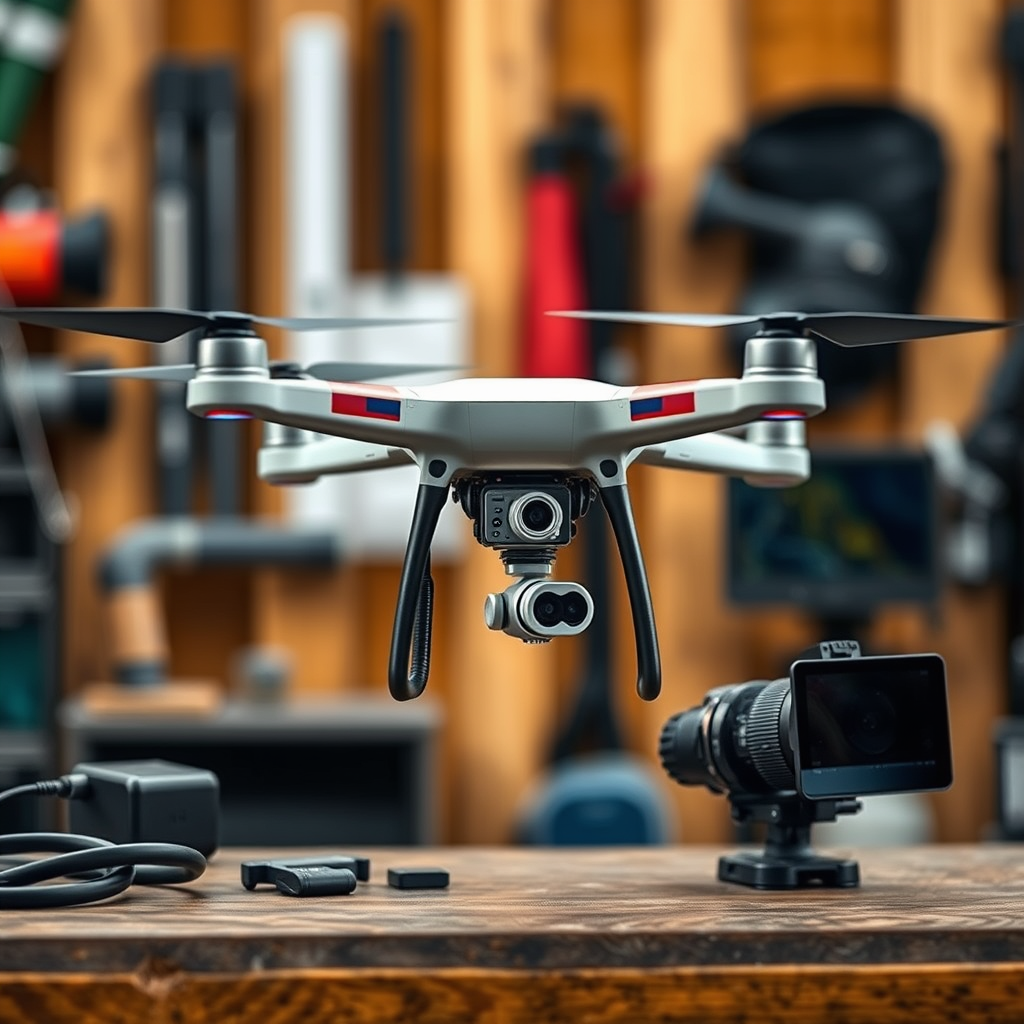
Selecting the right equipment is crucial for capturing high-quality drone footage. The drone you choose should suit your specific filming needs, which includes camera quality, flight time, and ease of use. For instance, drones like the DJI Mavic 3 offer impressive camera capabilities with 4/3 CMOS sensors, allowing for stunning image quality and extended flight times. Additionally, investing in accessories such as gimbals can enhance stabilization, resulting in smoother footage. ND filters are also beneficial, especially in bright lighting conditions, as they help to reduce glare and maintain proper exposure settings. Research and compare various drones and accessories to ensure you have the right tools to achieve your desired aesthetic.
Planning Your Shots
Effective planning is key to capturing breathtaking aerial footage. Start by creating a comprehensive shot list that outlines specific angles, movements, and compositions you wish to capture. This will serve as your roadmap during the shoot, ensuring you don’t miss any critical shots. Additionally, scouting locations in advance can be invaluable; visiting sites ahead of time allows you to assess lighting conditions, potential obstacles, and the overall aesthetic of the environment. For example, if you’re shooting a commercial for a luxury resort, identify scenic viewpoints that showcase the property’s surroundings in the best light. Using tools like Google Earth can also help in visualizing aerial perspectives before arriving on-site.
Mastering Drone Flight Techniques
Mastering drone flight techniques is essential for achieving professional-looking footage. Practice basic maneuvers such as panning, tracking, and elevation changes to develop a smooth flying style. For instance, a slow, steady pan can dramatically enhance the cinematic quality of your shots. Furthermore, utilizing automated flight modes—such as waypoints or follow-me features—can add a layer of precision to your filming, allowing you to focus on composition rather than manual controls. This is particularly useful when capturing dynamic scenes, such as a vehicle moving through a landscape, where maintaining a consistent distance and angle is critical to the shot’s impact.
Capturing High-Quality Footage
Capturing high-quality footage requires an understanding of optimal lighting conditions and camera settings. The golden hours—shortly after sunrise or before sunset—offer the best natural light for filming, producing softer shadows and warmer tones. When shooting in varying environmental conditions, adjust your camera settings accordingly; for example, a lower ISO can reduce noise in brighter settings, while a higher shutter speed can help freeze motion in dynamic scenes. Furthermore, consider using manual focus to avoid the drone’s autofocus shifting unexpectedly during a shot. These technical adjustments will ensure that your footage is not only visually stunning but also technically sound.
Editing Your Drone Footage
The editing phase is where your drone footage truly comes to life. Utilizing professional editing software such as Adobe Premiere Pro or Final Cut Pro can significantly enhance your post-production workflow. Focus on color grading to create a consistent look and feel across your footage; tools like LUTs (Lookup Tables) can simplify this process. Stabilization features within editing software can also help to smooth out any shaky footage, resulting in a polished final product. Additionally, incorporating sound design and music can amplify the emotional impact of your visuals, creating a more immersive experience for the audience. Choose soundtracks that complement the tone of your commercial, whether it’s uplifting, dramatic, or serene.
Legal and Safety Considerations
Before embarking on your drone filming journey, it is imperative to familiarize yourself with local drone regulations and obtain any necessary permits. Each country—and often each state or region—has its own set of laws governing drone usage, including where you can fly and how high you can go. For example, in the United States, the Federal Aviation Administration (FAA) mandates that drone pilots adhere to specific guidelines, especially when flying over populated areas. Additionally, following safety guidelines is crucial for protecting both people and property during filming. Always conduct a pre-flight check, maintain a safe distance from crowds, and be mindful of your surroundings to ensure a safe and successful shoot.
Shooting drone footage for commercials effectively involves a multi-faceted approach that combines understanding project goals, selecting appropriate equipment, meticulous planning, mastering flight techniques, capturing high-quality footage, and adhering to legal standards. By applying these principles, you can create stunning aerial visuals that not only enhance your commercials but also engage your audience in meaningful ways. Start implementing these strategies today, and watch your aerial storytelling capabilities soar to new heights.
Frequently Asked Questions
What are the essential equipment and accessories needed for shooting drone footage for commercials?
To shoot high-quality drone footage for commercials, essential equipment includes a reliable drone with a good camera, such as a DJI Mavic or Phantom series. Additionally, invest in accessories like spare batteries for extended flight time, ND filters to control exposure, and a gimbal for stabilization. A quality remote controller and a smartphone or tablet for live monitoring can also enhance your shooting experience.
How can I improve the quality of my drone footage for commercials?
Improving the quality of your drone footage involves several key techniques. First, ensure you are flying in optimal lighting conditions, such as during golden hour for softer light. Use manual camera settings to control aperture, shutter speed, and ISO for better image quality. Additionally, practice smooth flight maneuvers, utilize cinematic camera movements like orbits and reveals, and consider post-processing techniques to enhance colors and stabilization in editing software.
Why is planning important before shooting drone footage for commercials?
Planning is crucial before shooting drone footage for commercials as it allows you to visualize your shots and ensures you capture all necessary angles and scenes efficiently. By scouting locations, understanding weather conditions, and obtaining necessary permits, you can avoid disruptions and maximize your shoot time. A well-structured shot list and storyboard can also help communicate your vision to the team and align on creative goals.
What are the best practices for adhering to drone regulations when filming commercials?
To adhere to drone regulations while filming commercials, familiarize yourself with the local laws governing drone use, including no-fly zones and altitude restrictions. Always register your drone with the Federal Aviation Administration (FAA) if required and obtain necessary permissions for commercial flights. Additionally, consider following the guidelines for safe drone operation, such as maintaining a visual line of sight and avoiding flights over crowds, to ensure both legality and safety.
Which software is best for editing drone footage for commercials?
Some of the best software for editing drone footage includes Adobe Premiere Pro, Final Cut Pro X, and DaVinci Resolve. These programs offer advanced editing features tailored for high-resolution video, such as color grading, stabilization, and multi-camera support. Additionally, they come with a range of built-in effects and transitions that can enhance your commercial footage, allowing for a polished final product that meets professional standards.
References
- https://en.wikipedia.org/wiki/Drone_filming
- https://www.nationalgeographic.com/science/article/drones
- Unmanned Aircraft Systems (UAS) | Federal Aviation Administration
- Dua Lipa Brit awards – ABC News
- https://www.dji.com/education/learn/how-to-shoot-drone-footage-for-commercials
- https://www.pbs.org/newshour/nation/why-the-drones-are-here
- https://www.sciencedirect.com/science/article/pii/S2352864817300593
- https://www.nytimes.com/2020/08/21/business/technology/drones-commercial-use.html
