
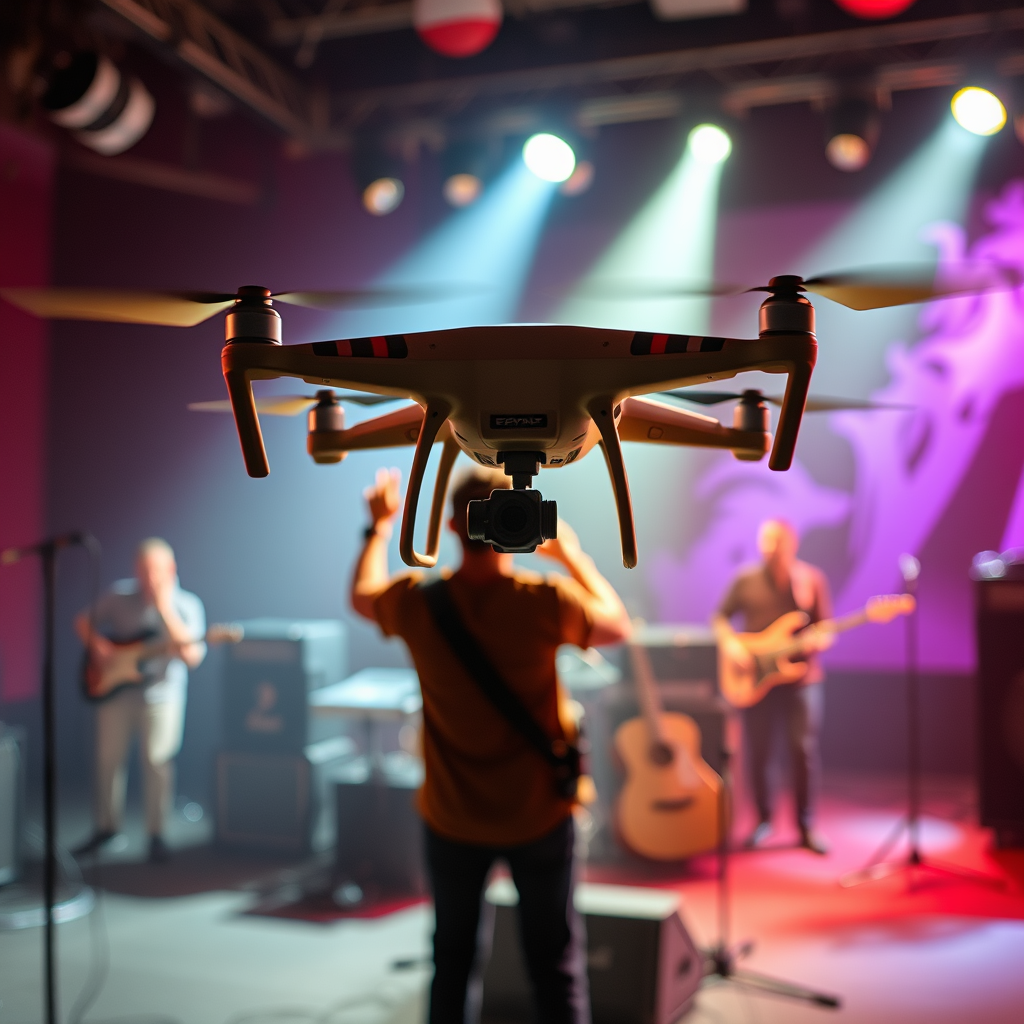
To effectively shoot drone footage for music videos, focus on meticulous planning, mastering camera techniques, and selecting the right equipment. This comprehensive guide will equip you with the essential knowledge and skills needed to capture breathtaking aerial shots that enhance the visual narrative of your music video and resonate with its audience.
Understanding the Basics of Drone Videography
Before diving into the intricacies of shooting drone footage, it’s crucial to understand the different types of drones available on the market. Drones can be broadly categorized into consumer-grade and professional-grade models. Consumer drones, such as the DJI Mavic Mini or DJI Air 2S, are typically more affordable, user-friendly, and boast impressive camera capabilities, making them suitable for beginners. Professional drones, like the DJI Inspire 2 or the Freefly Alta, offer advanced features, interchangeable lenses, and greater stability, catering to seasoned videographers.
In addition to understanding drone types, familiarize yourself with local regulations and laws regarding drone operations. Many regions require pilots to register their drones, adhere to altitude restrictions, and avoid flying near airports or crowded areas. Researching and complying with these regulations not only ensures a safe flying experience but also helps avoid potential fines and legal issues.
Planning Your Shoot
Effective planning is the cornerstone of successful drone videography. Begin by creating a detailed storyboard or shot list that aligns with the song’s mood and lyrics. For instance, if the song conveys a sense of nostalgia, consider incorporating sweeping shots over picturesque landscapes or urban scenery that reflect those emotions.
Location scouting is another critical aspect of preparation. Visit potential filming sites in advance to assess the best angles, light conditions, and environmental factors. For example, golden hour—just after sunrise or before sunset—provides soft, diffused lighting that can enhance the aesthetic quality of your footage. Additionally, consider the terrain and obstacles that may affect flight patterns, ensuring you have a clear path for your drone’s movements.
Mastering Camera Settings
To achieve cinematic quality in your drone footage, it’s essential to master your drone’s camera settings. Start by adjusting the resolution and frame rate to match your project’s requirements. For music videos, shooting in 4K at 24 or 30 frames per second is a popular choice, as it provides a film-like appearance. If your drone supports it, try shooting in a flat color profile, which allows for more flexibility during the color grading process.
Experimenting with shooting modes is also crucial. Utilize manual focus to maintain sharpness on your subject, and adjust ISO settings to manage exposure in varying light conditions. For instance, a lower ISO (100-400) is ideal for bright environments, while a higher ISO (800-1600) may be necessary in darker settings. Understanding these settings will empower you to capture visually stunning footage that stands out in your music video.
Incorporating Movement and Angles
Dynamic movement is vital for engaging viewers and enhancing the overall impact of your footage. Utilize diverse flight patterns, such as orbits, ascents, and descents, to create visually interesting shots. For example, an orbiting shot around a performer can showcase their talents while adding depth to the scene.
Varying your altitude and distance from the subject is another effective technique. Low-altitude shots can create an intimate feel, while high-altitude perspectives provide a broader context of the environment. Combining these approaches allows you to craft a narrative that draws viewers in while keeping them visually stimulated.
Editing Your Drone Footage
Once your footage is captured, the editing process plays a crucial role in bringing your vision to life. Utilize professional editing software such as Adobe Premiere Pro or Final Cut Pro to trim, color grade, and synchronize your drone shots with the music track. Pay attention to the rhythm of the song; cutting shots in sync with the beat can significantly enhance the overall viewing experience.
Incorporate transitions and effects that complement the energy of the song. For instance, fast cuts may work well with upbeat tracks, while slow fades can be more suitable for ballads. Additionally, consider using color grading techniques to create a cohesive look that matches the song’s mood—warm tones for uplifting tracks and cooler hues for more somber themes.
Tips for Collaborating with Artists
Collaboration with musicians is essential for creating drone footage that aligns with their artistic vision. Begin by having open discussions with the artists to understand their concept and how drone visuals can enhance their performance. This collaborative approach not only helps you capture footage that resonates with the music but also fosters a positive working relationship.
Involving artists during the filming process can also be beneficial. Allow them to provide input on shot angles and movements, as their perspective can offer valuable insights that enhance the footage. Moreover, ensuring that they feel comfortable with the drone’s presence will lead to more genuine performances, which ultimately translates into better video content.
Troubleshooting Common Challenges
Despite thorough planning, challenges may still arise during your drone shoot. Weather conditions can significantly impact your filming schedule. Always monitor weather forecasts and be prepared to postpone or adjust your shoot if necessary. For instance, high winds or rain can compromise safety and footage quality.
Technical issues, such as battery management and signal loss, also require attention. Always arrive equipped with extra batteries and ensure you are familiar with your drone’s battery life. Additionally, check the signal strength before flying and stay within the recommended range to prevent disconnection. Preparing for these challenges will help maintain a smooth filming experience and ensure the successful capture of your footage.
Summarizing the key aspects of shooting drone footage for music videos emphasizes the importance of planning, technique, and collaboration. By understanding the basics of drone videography, meticulously planning your shoots, mastering camera settings, incorporating movement and angles, and effectively editing the footage, you can create eye-catching aerial shots that elevate the overall impact of your music video. Don’t hesitate to implement these tips and start capturing your unique vision with drone footage!
Frequently Asked Questions
What are the best drones for shooting music videos?
The best drones for shooting music videos typically have high-quality cameras, stable flight capabilities, and advanced features like 4K video recording and gimbal stabilization. Some popular options include the DJI Mavic Air 2 for its portability, the DJI Phantom 4 Pro for its excellent image quality, and the Autel Robotics EVO Lite+ for its impressive battery life. Choosing the right drone depends on your budget and specific filming needs, such as the type of shots you want to achieve.
How can I plan a drone shoot for a music video?
Planning a drone shoot for a music video involves several steps: first, define the concept and storyboard to visualize the scenes you want to capture. Next, scout locations that complement the music and check for any airspace restrictions or local regulations regarding drone use. Finally, create a shot list that includes specific angles and movements to ensure a smooth shooting process, allowing you to maximize the impact of your drone footage.
Why is aerial footage important in music videos?
Aerial footage adds a dramatic and visually captivating element to music videos, enhancing storytelling and evoking emotions. It allows filmmakers to showcase breathtaking landscapes, dynamic movements, and unique perspectives that ground-level shots cannot achieve. Incorporating drone footage can elevate the production quality of a music video, making it more engaging and memorable for viewers.
Which filming techniques work best for drone footage in music videos?
Effective filming techniques for drone footage include using smooth, fluid movements like orbiting, tracking, and revealing shots to create a cinematic feel. It’s also essential to utilize the drone’s altitude to provide varying perspectives, such as high shots for landscape views and lower shots for intimate scenes. Experimenting with different angles and movements can help achieve a diverse range of visuals, enhancing the overall impact of the music video.
What are common mistakes to avoid when shooting drone footage for music videos?
Common mistakes to avoid include flying in restricted areas, which could result in legal issues, and neglecting to check weather conditions that can affect flight safety. Additionally, failing to plan shots or not practicing maneuvers can lead to unsteady footage or missed opportunities. Lastly, be cautious about battery life to prevent mid-air crashes and always have a backup plan for capturing essential scenes if the drone encounters unexpected issues.
References
- https://en.wikipedia.org/wiki/Drone_filmography
- https://www.theguardian.com/technology/2020/aug/11/how-to-shoot-drone-footage
- https://www.nytimes.com/2020/07/14/technology/drone-video-tips.html
- https://www.nasa.gov/mission_pages/tdrss/news/drone-technology.html
- https://www.wired.com/story/drone-video-tips/
- https://www.techcrunch.com/2021/06/23/how-to-shoot-drone-footage-for-your-next-video-project/
- https://www.dronesfordrones.com/education/drone-videos-in-music-videos
- https://www.faa.gov/uas/education_resources/
- https://www.nationalgeographic.com/science/article/how-to-film-with-drones
