
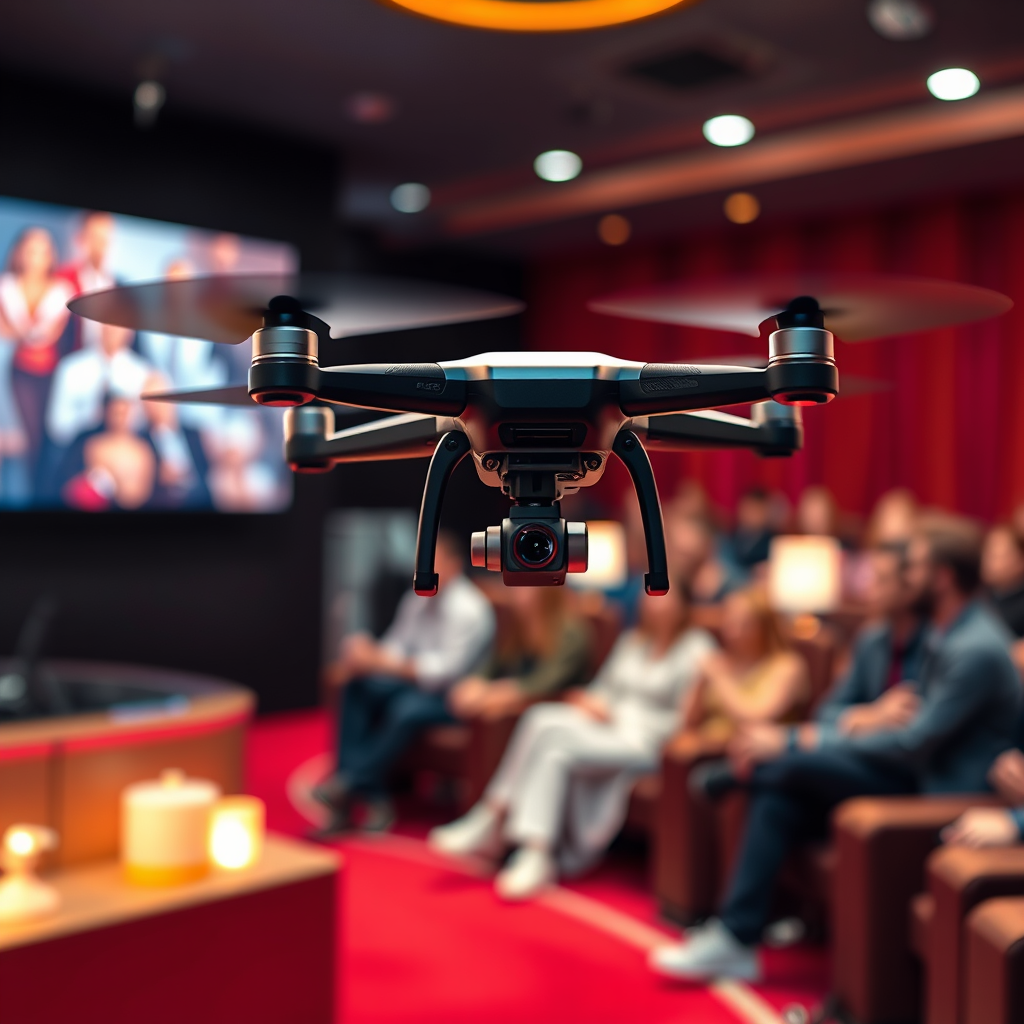
To effectively shoot drone footage for short films, focus on planning your shots, mastering drone controls, and understanding the aesthetics of aerial cinematography. By integrating these elements, you can create visually stunning content that enhances your storytelling and captivates your audience. This guide will help you navigate the essential techniques and tips to elevate your film projects with breathtaking aerial visuals.
Understanding Your Drone
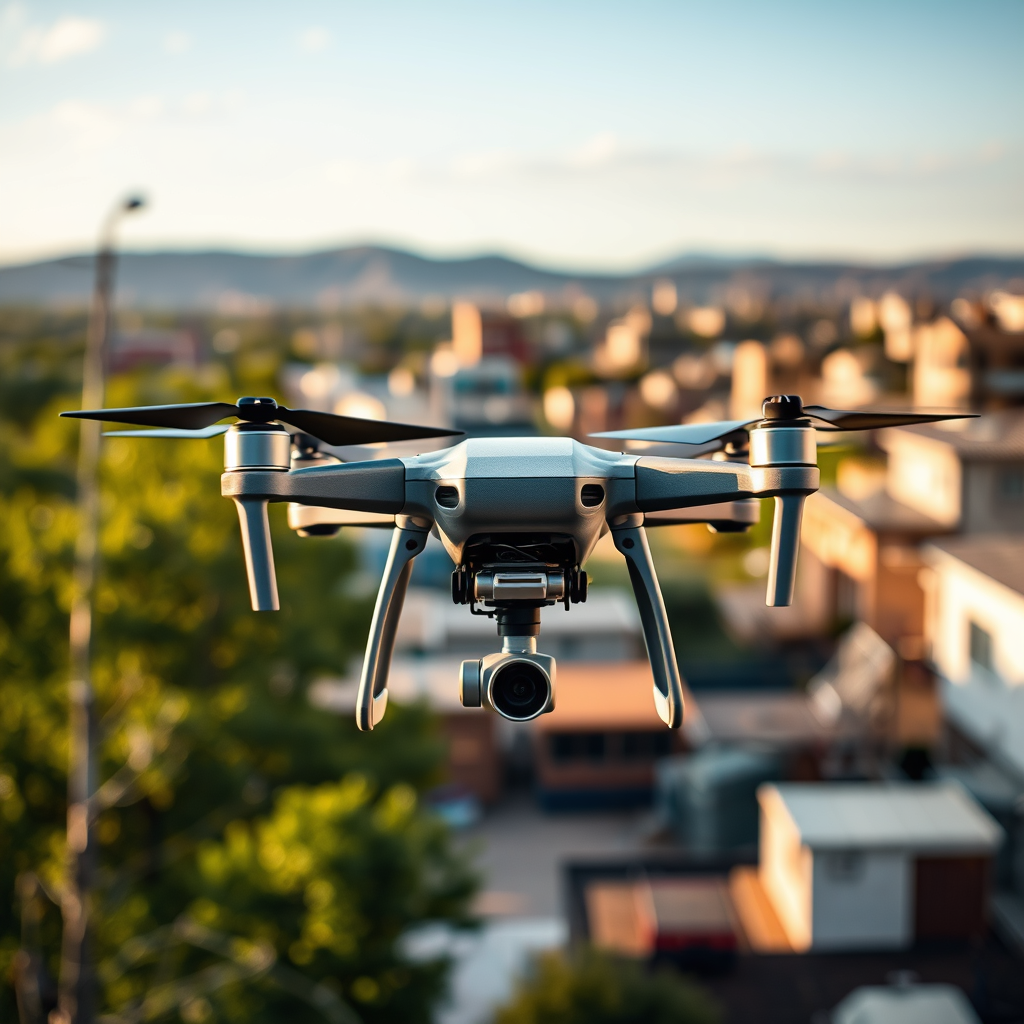
The first step in creating impressive drone footage is to thoroughly understand your drone’s specifications. Familiarizing yourself with key features such as flight time, camera quality, and control mechanisms is crucial. For instance, if you are using a DJI Mavic Air 2, you should know that it offers a flight time of approximately 34 minutes and features a 4K camera capable of shooting at 60 fps. Additionally, understanding the control layout is essential for executing complex maneuvers.
Equally important is mastering basic drone maneuvers. Practice takeoff, landing, and hovering to ensure smooth flights. Begin in an open area away from obstacles and people to build your confidence. For example, perfecting how to hover allows you to frame shots effectively without unwanted movement, which can compromise the quality of your footage.
Planning Your Shots
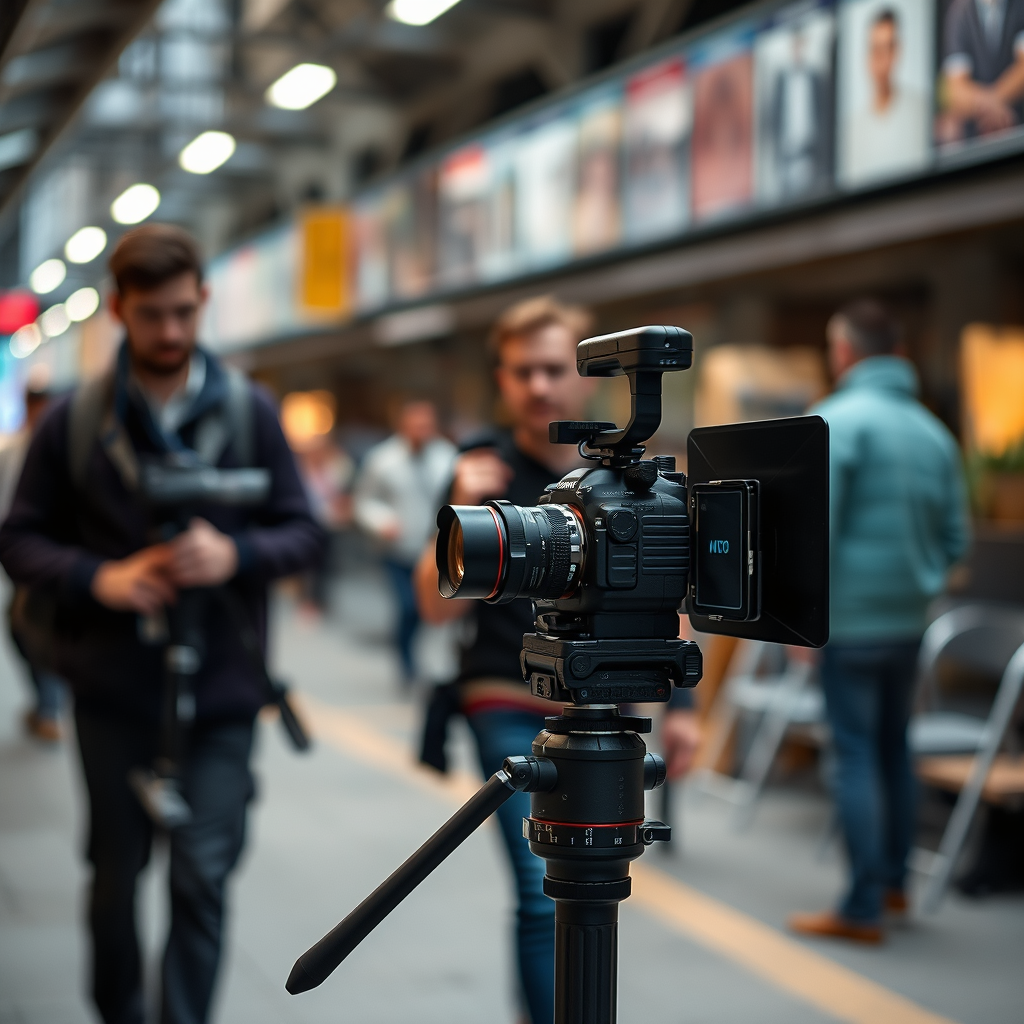
Effective drone cinematography begins with meticulous planning. Before you even launch your drone, scout your locations to identify the best angles and compositions for your film. This preliminary work helps you visualize how the drone can enhance your narrative. For instance, if your short film features a scenic landscape, consider how different elevations will affect the shot composition.
Creating a shot list and storyboard is another critical aspect of planning. A detailed shot list helps you organize your filming schedule and ensures that you capture every necessary angle to maintain a coherent narrative. For example, if your film revolves around a character’s journey, plan for aerial shots that establish context and convey emotional depth, such as wide shots that showcase the character in relation to their environment.
Mastering Aerial Techniques
Once you’re comfortable with your drone and have planned your shots, it’s time to master essential aerial techniques. Movements like tracking shots, reveal shots, and orbiting can add dynamic elements to your footage. For instance, a tracking shot can follow a moving subject, creating a sense of movement and urgency. Practice these movements to ensure they are smooth and fluid; this will greatly enhance the cinematic quality of your shots.
Additionally, utilizing slow, controlled movements is vital for creating cinematic effects. A gradual reveal shot, where the camera slowly ascends to unveil a stunning landscape, can create a dramatic effect that captivates viewers. Avoid jerky movements by utilizing the drone’s gimbal and adjusting your throttle inputs to maintain control over speed and direction.
Choosing the Right Time and Weather
Lighting plays an essential role in aerial cinematography, and timing your shots can significantly impact the quality of your footage. Shooting during the golden hour—shortly after sunrise or before sunset—provides optimal lighting conditions. The soft, warm light during this time enhances the colors and textures of the landscape, resulting in visually stunning imagery.
It’s also crucial to monitor weather conditions before your shoot. Strong winds can affect drone stability and lead to shaky footage, while rain can damage your equipment. Always check local weather forecasts and aim for days with clear skies and light winds. For example, calm days with little to no cloud cover will not only improve stability but also enhance the visual appeal of your shots.
Post-Production Considerations
After capturing your drone footage, the next step is post-production. Import your clips into editing software such as Adobe Premiere Pro or Final Cut Pro and organize them for easy access. This organization will save time during editing, allowing you to focus on the creative aspects of your film.
Color grading is an essential part of post-production that can elevate your footage. Use color grading tools to enhance the visual quality of your drone shots, ensuring that they align with the overall mood of your film. Additionally, stabilization tools can smooth out any shaky footage, providing a polished final product. For instance, applying stabilization effects can transform a slightly shaky shot into a seamless cinematic experience.Legal Considerations and Safety
Before you start flying, familiarize yourself with local regulations regarding drone usage. Each country has different rules, and many areas have designated no-fly zones, particularly near airports, military bases, or urban areas. Securing the necessary permits is essential to avoid legal complications.
Safety should always be your top priority when flying a drone. Maintain a clear line of sight with your drone and avoid flying in crowded areas. Ensure that you are also aware of your surroundings to avoid accidents. For example, if you plan to film at a popular tourist destination, obtain permission from property owners to avoid legal issues and prioritize the safety of bystanders.
Enhancing Your Storytelling
Drone footage can significantly enhance your storytelling by providing context and emotional depth. When integrating aerial shots into your narrative, consider how they complement the overall theme of your film. Use drone shots to establish settings, capture expansive landscapes, or heighten moments of tension or resolution.
Pacing is another crucial factor to consider. Ensure that drone shots flow seamlessly from one scene to another, enhancing transitions and maintaining audience engagement. For instance, if you are telling a story that involves a journey, drone footage can help illustrate the passage of time by showing the character traveling through diverse landscapes.
In summary, the key techniques for shooting drone footage involve careful planning, understanding your drone’s capabilities, and effectively incorporating aerial techniques. As you embark on your next short film, apply these insights to explore the creative possibilities that drone cinematography offers. Begin experimenting with your drone today, and elevate your filmmaking to new heights!
Frequently Asked Questions
What are the essential tips for shooting high-quality drone footage for short films?
To achieve high-quality drone footage for short films, focus on several key tips. First, ensure that your drone is equipped with a high-resolution camera to capture crisp images. Use smooth, controlled movements while flying to avoid shaky footage and utilize filming modes like tripod mode for added stability. Additionally, plan your shots ahead of time, considering the lighting conditions and the composition of each frame to enhance the visual storytelling of your film.
How can I choose the right drone for filming short films?
When selecting a drone for filming short films, consider factors such as camera quality, flight time, and ease of use. Look for drones with 4K video capabilities and gimbal stabilization to ensure smooth footage. Popular choices include models from DJI, such as the Mavic Air 2 or the Phantom 4 Pro, which offer excellent image quality and user-friendly controls. Additionally, consider the drone’s range and battery life to ensure it meets the needs of your specific filming locations.
Why is planning important when shooting drone footage for a short film?
Planning is crucial when shooting drone footage for a short film because it helps you visualize your shots and ensures you capture the necessary footage efficiently. By creating a shot list and scouting locations in advance, you can identify the best angles, lighting conditions, and specific movements you want to achieve. This preparation minimizes the risk of missing essential scenes and allows for a more cohesive narrative in your film.
What are the best practices for editing drone footage in a short film?
The best practices for editing drone footage in a short film include stabilizing your clips to eliminate any jitteriness and maintaining consistent color grading for a professional look. Use editing software like Adobe Premiere Pro or Final Cut Pro, which offer tools for color correction and motion effects. Additionally, incorporate music and sound design strategically to enhance the emotional impact of your footage, ensuring that the drone shots complement the story you are telling.
Which legal considerations should I keep in mind when shooting drone footage for short films?
When shooting drone footage for short films, it’s essential to be aware of legal considerations such as obtaining necessary permits and adhering to local regulations regarding drone use. Always check airspace restrictions and ensure you are flying in compliance with FAA guidelines or any relevant national aviation authority. Additionally, respect privacy laws by avoiding filming in restricted areas or near private property without permission, as this can lead to potential legal issues.
References
- https://en.wikipedia.org/wiki/Drone_filmography
- https://www.nytimes.com/2020/07/17/technology/drone-filmmaking.html
- https://www.pbs.org/newshour/nation/drones-are-changing-the-way-filmmakers-work
- https://www.bbc.com/future/article/20200722-how-drones-are-changing-the-way-filmmakers-work
- https://www.nasa.gov/feature/nasa-s-drones-are-helping-filmmakers
- https://www.arts.gov/publications/drones-arts-and-technology
- Unmanned Aircraft Systems (UAS) | Federal Aviation Administration
- https://www.nationalgeographic.com/science/article/drones-in-film-and-tv-making
