
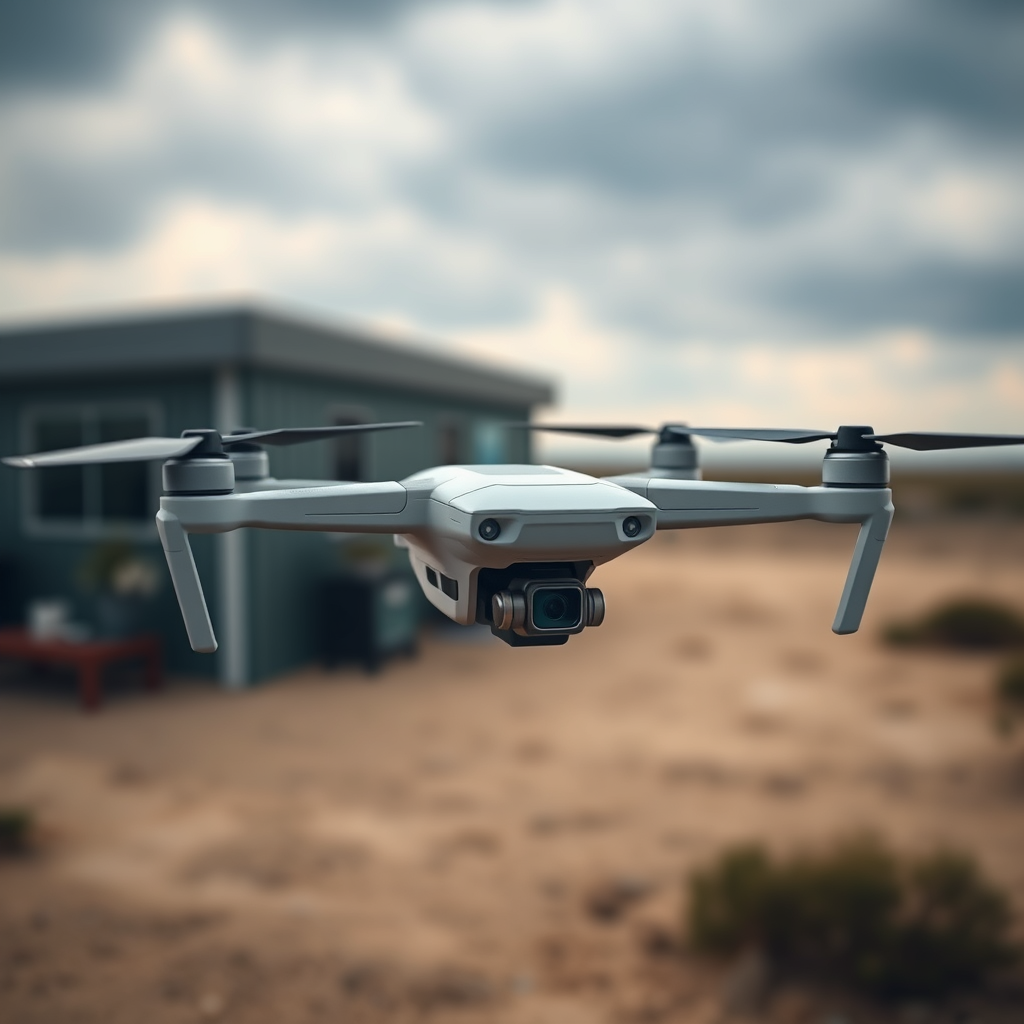
Shooting drone footage in high-wind conditions is possible with the right strategies and precautions. While high winds can pose a significant challenge to aerial videography, understanding your drone’s capabilities and employing effective techniques can lead to stunning results despite adverse weather. This article outlines essential tips that will help you capture stable and impressive drone footage, even when faced with unpredictable wind conditions.
Understand Your Drone’s Capabilities
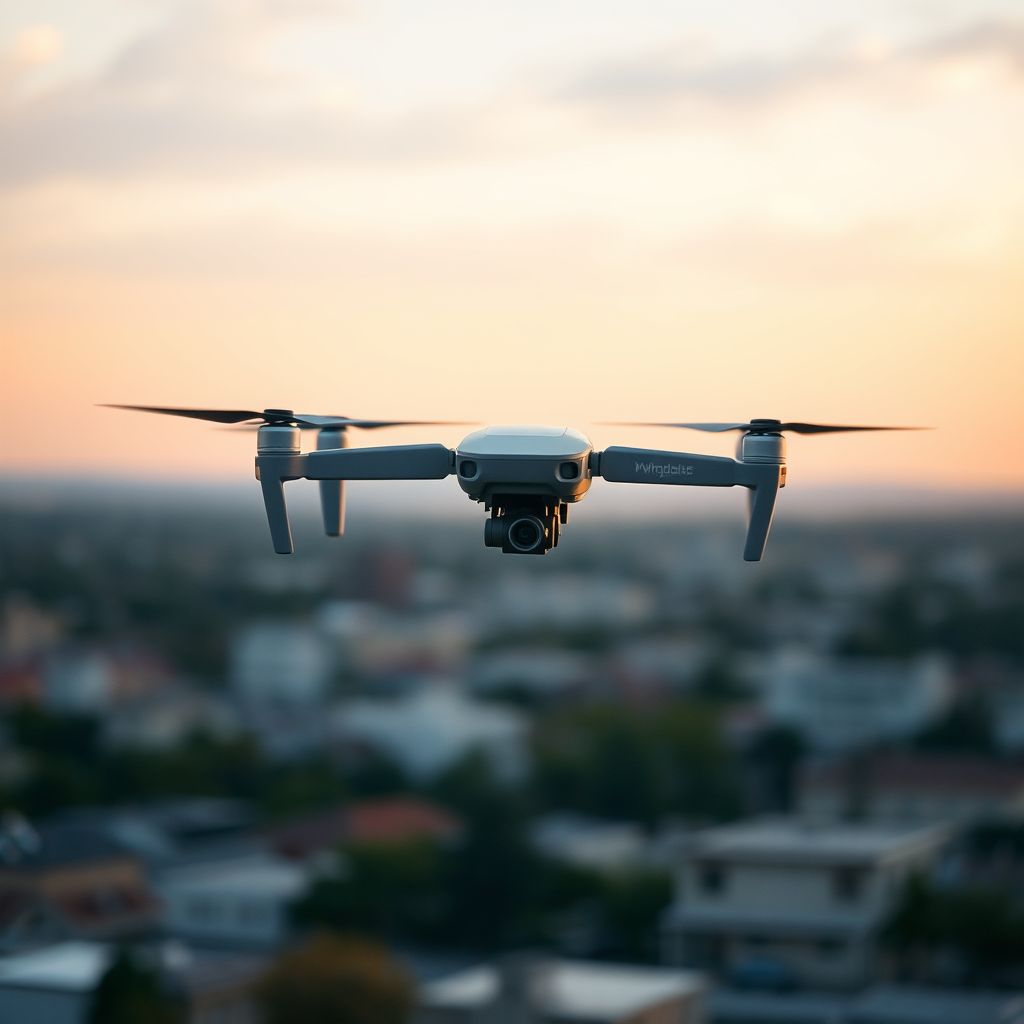
To navigate high-wind conditions successfully, it’s crucial to understand your drone’s specifications, particularly its wind tolerance. Each drone model has a designated maximum wind speed it can handle, typically ranging from 15 mph to over 30 mph for more advanced models. Exceeding this threshold can lead to loss of control or even damage to your drone.
In addition, familiarize yourself with your drone’s stabilization features. Most modern drones come equipped with sophisticated stabilization systems, such as GPS and altitude hold, which can help maintain steady flight even in gusty conditions. Knowing how to utilize these features effectively can significantly enhance the quality of your footage. For example, drones like the DJI Mavic series include built-in sensors that provide stability, allowing you to focus more on capturing the shot rather than worrying about losing control.
Select the Right Time and Place
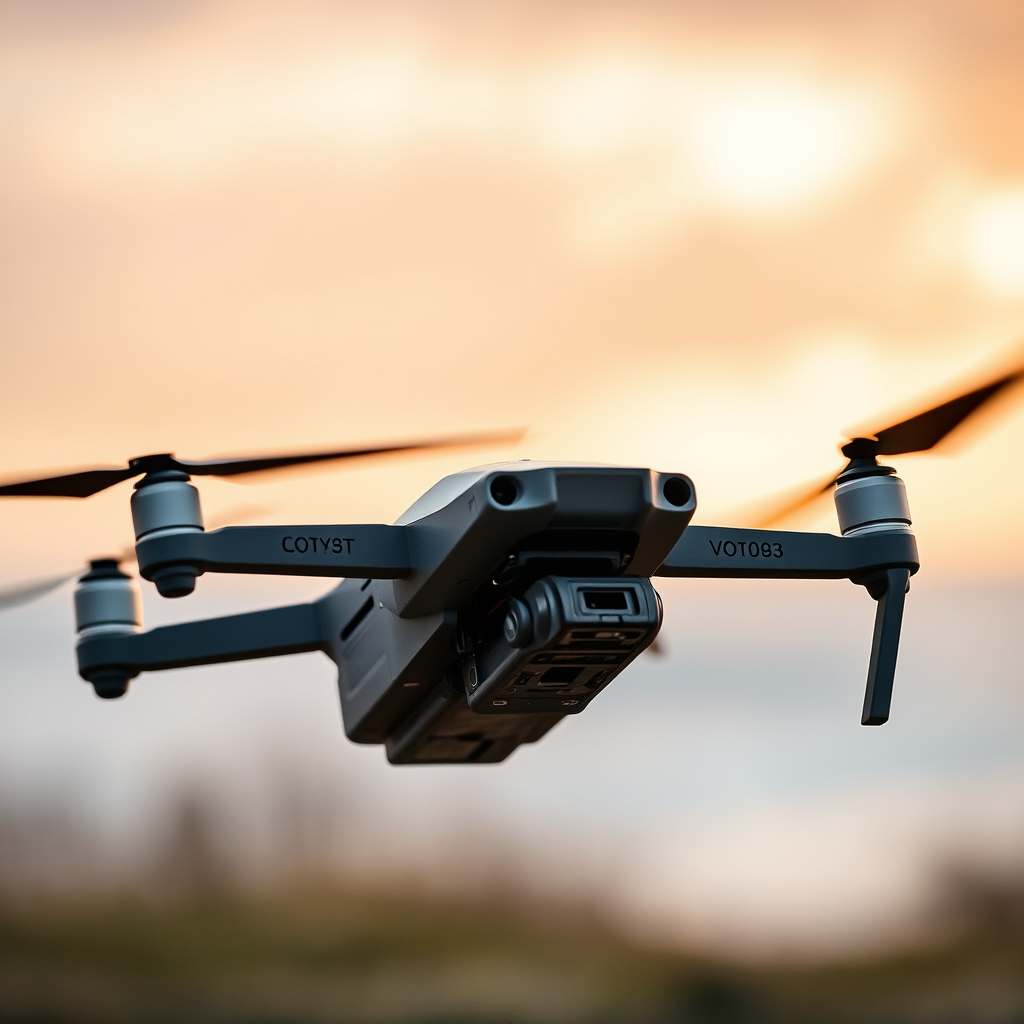
Choosing the right location and timing is paramount when filming in windy conditions. Select filming sites that naturally shield against wind, such as valleys, hills, or urban environments where buildings can block gusts. For instance, capturing footage in a forest can provide a natural barrier against wind, allowing for smoother shots.
Moreover, keep an eye on weather forecasts to plan your shoots. Wind speeds can fluctuate throughout the day, often peaking during afternoon hours. Aim to film during early morning or late afternoon when winds are typically calmer. Utilizing local weather apps or websites can provide real-time updates on wind conditions, ensuring you make informed decisions about when to fly.
Use Appropriate Camera Settings
Adjusting your camera settings is crucial for mitigating the effects of wind on your footage. A faster shutter speed is essential to reduce motion blur that can result from drone vibrations and gusts. Consider settings around 1/250th to 1/1000th of a second, depending on the light conditions.
Additionally, adjusting your ISO settings can help compensate for changes in lighting, especially if you’re filming under overcast skies, which can often accompany windy weather. A higher ISO allows for better exposure in lower light, but be mindful of introducing noise into your footage. Striking the right balance will ensure your shots remain crisp and visually appealing.
Implement Flight Techniques for Windy Conditions
When flying in windy conditions, certain flight techniques can help maintain stability and improve footage quality. Flying at lower altitudes can reduce the effects of turbulence, as the air is often more stable closer to the ground. This technique can be particularly useful when capturing scenic landscapes or following moving subjects.
Using manual flight controls is another effective approach, as it allows for greater responsiveness to wind gusts. By manually adjusting the throttle and pitch, you can better counteract sudden shifts in wind direction. Practicing these manual controls can improve your reaction time and overall piloting skills, enhancing your ability to maintain stability during challenging conditions.
Post-Processing Techniques
Even with the best planning and execution, some footage may still experience shaking or instability due to wind. Post-processing techniques can help salvage these shots. Utilizing stabilization software, such as Adobe Premiere Pro‘s Warp Stabilizer or DaVinci Resolve’s stabilization features, can smooth out shaky footage effectively.
Additionally, pay attention to color grading and contrast adjustments during post-production. Windy conditions can sometimes wash out colors or reduce clarity. Enhancing the saturation and contrast can bring your footage back to life and compensate for any loss in detail, ensuring that the final product meets your quality standards.
Safety Measures to Consider
Safety is a paramount concern when flying drones, particularly in windy conditions. Always maintain a visual line of sight with your drone, as this ensures you remain aware of its position relative to obstacles and changing weather. Additionally, avoid flying near populated areas, particularly during windy conditions, where gusts can unpredictably shift your drone’s trajectory, posing risks to bystanders.
Before each flight, conduct a thorough pre-flight check to ensure that your drone is in optimal condition. Regular maintenance, including checking for firmware updates and battery health, can prevent technical failures during crucial moments.
Practice Makes Perfect
Finally, practice is essential for mastering drone flight in challenging conditions. Conducting test flights in varying wind speeds will help you understand your drone’s behavior and how it responds to different environmental factors. Use these practice sessions to experiment with different techniques and settings, developing a repertoire of strategies that work best for your specific drone model.
Recording your practice flights can also provide valuable insights during post-analysis, allowing you to identify areas for improvement. Over time, you will build confidence and proficiency, enabling you to capture breathtaking footage even in the most challenging of conditions.
Summarizing these tips can help you confidently shoot drone footage in high-wind conditions. By understanding your drone’s capabilities, utilizing the right techniques, and incorporating post-processing adjustments, you can capture impressive aerial shots regardless of the weather. With practice and careful planning, you can elevate your drone videography skills and create stunning content that stands out. Get out there and embrace the challenge of filming in the wind!
Frequently Asked Questions
What are the best drones for shooting footage in high-wind conditions?
When selecting a drone for high-wind conditions, look for models that feature robust builds, powerful motors, and advanced stability systems. Drones like the DJI Mavic 3 and the Autel Robotics EVO Lite are highly rated for their wind resistance capabilities. Additionally, consider drones with a larger wingspan and weight, as they tend to handle windy conditions better due to increased inertia.
How can I prepare my drone for filming in windy weather?
To prepare your drone for filming in high-wind conditions, first, check the manufacturer’s specifications for wind resistance limits. Ensure that your drone’s firmware is up to date and calibrate the IMU and compass before flying. Additionally, use propeller guards to protect the blades from potential damage and consider flying in a controlled area to mitigate risks associated with sudden gusts.
Why is it challenging to shoot drone footage in high winds?
Shooting drone footage in high winds is challenging because strong gusts can cause instability, making it difficult for the drone to maintain its position and achieve smooth, cinematic shots. Wind can also lead to increased battery consumption as the drone works harder to stabilize itself, potentially shortening flight time. Moreover, unpredictable wind patterns can increase the risk of losing control or crashing the drone.
What techniques can I use to stabilize drone footage in windy conditions?
To stabilize drone footage in windy conditions, utilize gimbal stabilization features available in most modern drones, which help smooth out the video during flight. Additionally, use slower flight speeds to allow the drone to adjust to the wind’s impact gradually. When editing, consider employing software stabilization tools to further enhance footage post-capture, ensuring a professional look despite challenging conditions.
Which weather conditions should I avoid when planning to shoot drone footage?
When planning to shoot drone footage, avoid flying in conditions with wind speeds exceeding the drone’s recommended limits, typically around 15-20 mph for most consumer drones. Additionally, steer clear of heavy rain, fog, or snow, as these can impair visibility and affect the drone’s performance. Always check local weather forecasts and consider flying during periods with mild winds and clear skies for optimal results.
References
- https://www.faa.gov/uas/getting_started/fly_for_fun/
- https://www.nasa.gov/centers/langley/news/factsheets/Drone.html
- https://www.dronepilotgroundschool.com/drone-wind-tips/
- https://www.suasnews.com/2020/02/how-to-fly-a-drone-in-high-wind-conditions/
- JetStream | National Oceanic and Atmospheric Administration
- https://www.bbc.com/future/article/20190503-how-drones-are-changing-the-way-we-see-the-world
- https://www.nytimes.com/2018/07/11/technology/drone-flying-wind.html
- https://www.cnet.com/how-to/how-to-fly-a-drone-in-windy-conditions/
- https://www.abc.net.au/news/2020-01-23/how-to-fly-a-drone-in-high-wind-conditions/11899772
