
Shooting drone footage in rainy conditions can yield stunning visuals, but it requires careful preparation and technique. To successfully capture captivating imagery when the weather turns unfavorable, drone operators must prioritize equipment protection, make necessary adjustments to camera settings, and plan their shots meticulously to exploit the unique atmosphere that rain creates. This article will guide you through essential tips for maximizing your drone footage even in wet conditions.
Preparing Your Drone for Rain
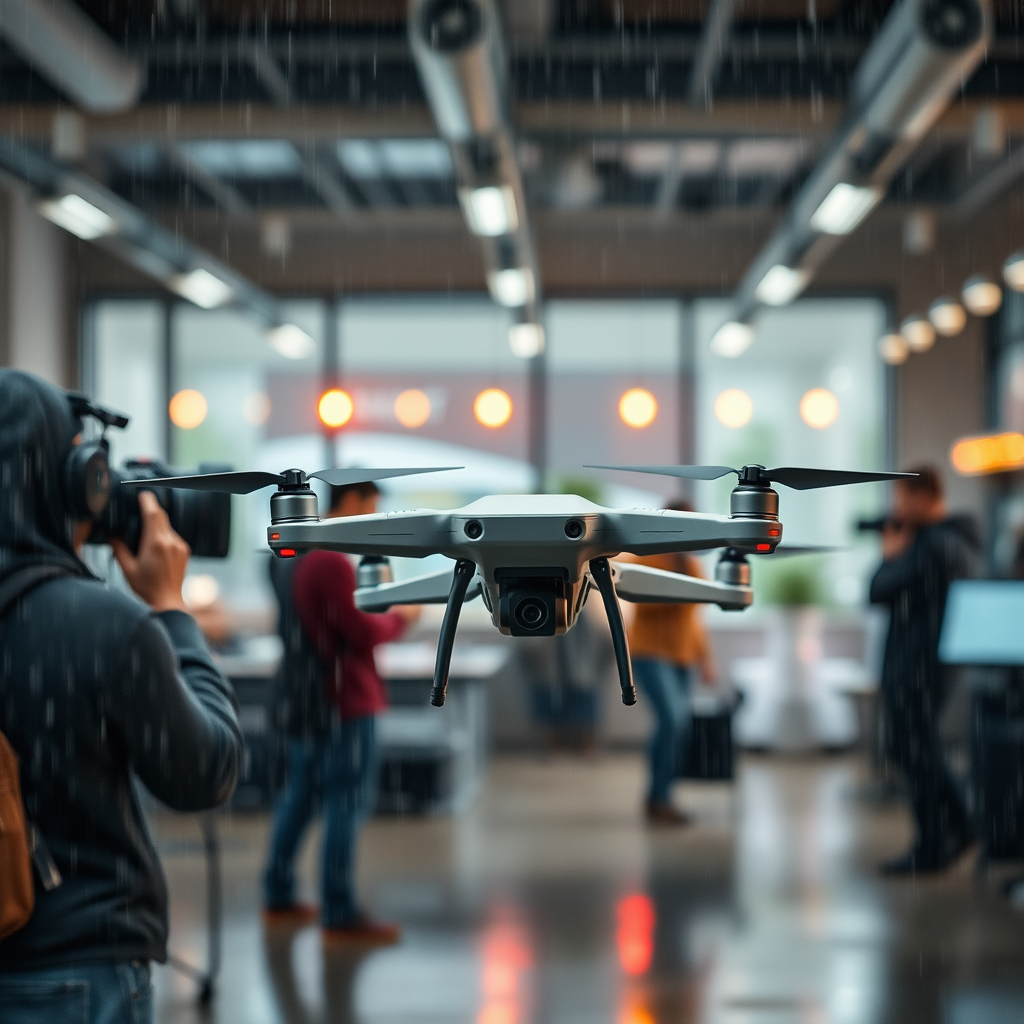
To ensure your drone remains functional during rainstorms, investing in protective gear is paramount. A rain cover or waterproof case can shield the drone from moisture, preventing any water damage that could compromise electronics and functionality. Many drone manufacturers offer specialized covers, which not only protect against rain but also keep dust and debris at bay.
Before taking flight, inspect the seals and gaskets on your drone. These components are crucial for protecting the internal circuitry from moisture. Ensure they are intact and functioning properly. If you notice any wear or damage, it’s best to delay your flight until necessary repairs or replacements are made. Additionally, consider applying a water-repellent coating to vulnerable areas, further enhancing your drone’s resistance to rain.
Choosing the Right Equipment
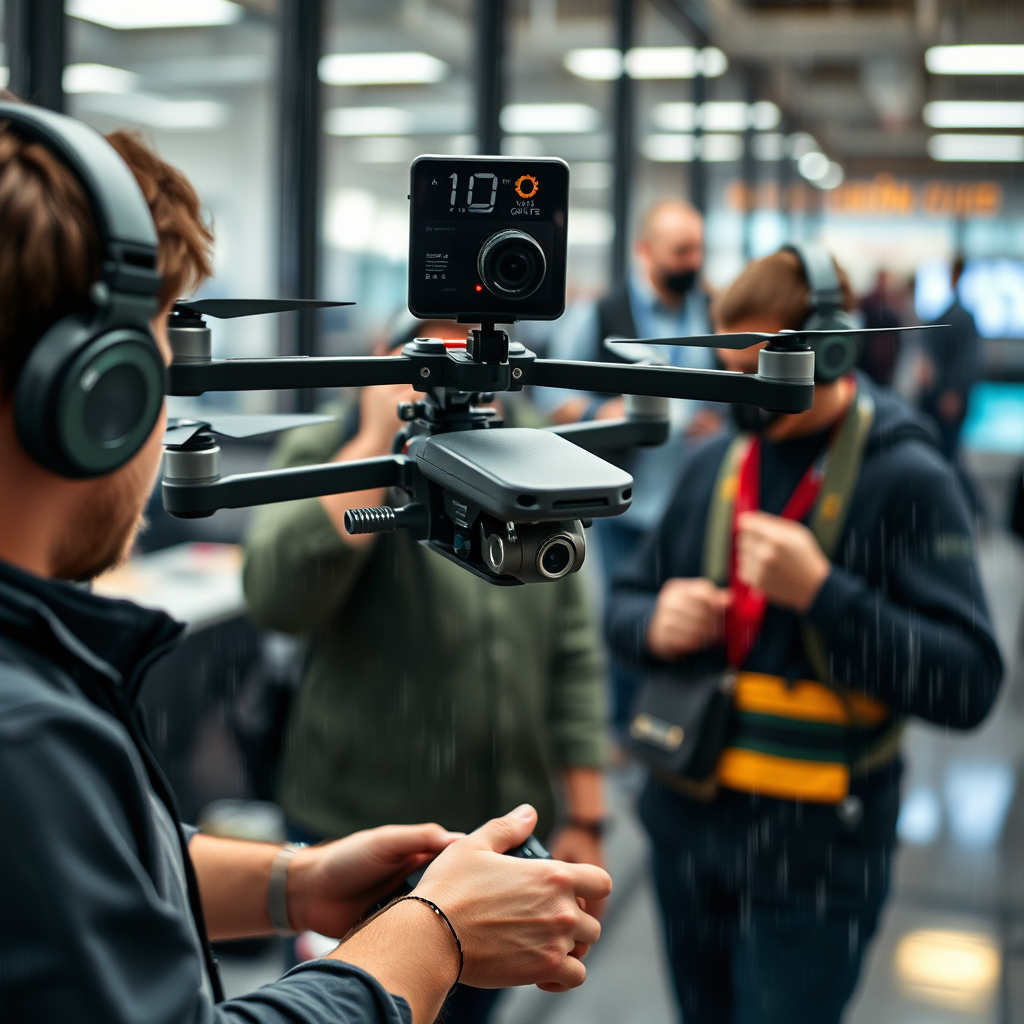
When planning to shoot in rainy conditions, selecting the right drone is essential. Drones designed for adverse weather conditions, such as the DJI Mavic 2 Enterprise or the Autel EVO Lite+, often come equipped with enhanced weather resistance. These models feature improved sealing to keep moisture out and are built to endure harsher weather conditions.
Alongside a suitable drone, the camera plays an equally important role. Opt for a camera known for its good low-light performance, as rainy weather often leads to diminished lighting conditions. Cameras with image stabilization technology are also vital, as they help reduce the impact of vibrations caused by wind or raindrops. This ensures smoother footage and better overall quality in your shots.
Adjusting Camera Settings
Camera settings are crucial for optimizing your footage in rainy environments. Start by lowering the ISO settings to minimize noise in your footage. In low-light conditions, higher ISO levels can introduce unwanted grain, diminishing the clarity of your images. A lower ISO will help maintain crisp visuals, particularly when shooting in overcast or dimly lit situations.
Another important adjustment is the shutter speed. Utilizing slower shutter speeds can capture the movement of raindrops, adding dynamism to your footage. This technique can create a mesmerizing effect where raindrops appear as streaks, enhancing the overall mood and atmosphere of your shots. Just be mindful of your drone’s movement; too slow of a shutter speed might lead to motion blur if the drone is moving quickly.
Planning Your Shots
Effective planning is key when it comes to capturing stunning drone footage in the rain. Scout potential filming locations beforehand, identifying spots where the rain enhances the scene rather than detracts from it. For instance, reflections on wet surfaces or the lushness of foliage can create striking visuals that you wouldn’t find in dry conditions.
Consider varying your angles and perspectives. A low-angle shot can make raindrops appear larger and more dramatic in the frame, while a high-angle shot might showcase the overall landscape draped in a veil of rain, providing context to the scene. Experimenting with different compositions can lead to unexpected and visually appealing results. Don’t hesitate to capture the same scene from multiple angles; sometimes, the perfect shot is just a slight adjustment away.
Safety Considerations
Safety should always be a top priority when flying drones, particularly in adverse weather conditions. Rain can affect visibility, making it challenging to maintain line-of-sight with your drone. Furthermore, battery life can be significantly impacted by cold and wet conditions, as moisture can drain power faster. Regularly monitor your battery levels and be prepared to land early if you notice a significant drop.
Avoid flying in heavy winds or severe weather, as these conditions could jeopardize your drone’s stability and safety. Always check the local weather forecast before heading out, and be cautious of changing weather patterns. If conditions worsen unexpectedly, prioritize your safety and the safety of your equipment by aborting the flight.
Editing Rainy Footage
Post-production is where your rainy footage can truly shine. Begin by using color grading techniques to enhance the mood and contrast of your footage. Rainy scenes often benefit from a cooler color palette, which can evoke a sense of calm or melancholy. Adjusting the hues and saturation can help emphasize the unique aesthetic of rainy weather.
Additionally, consider integrating slow-motion effects into your editing. This technique can draw attention to the beauty of falling rain, allowing viewers to appreciate the intricacies of your footage. Slow-motion can amplify the emotional connection to the scene, making it more impactful and visually engaging.
Incorporating transitions, overlays, and sound design can further enhance the storytelling aspect of your footage. Rain sounds, for example, can add an immersive element that complements the visuals, creating a more compelling viewing experience.
By implementing these tips and techniques, you will be well-equipped to tackle the challenges of shooting drone footage in rainy conditions.
As you practice your skills in various weather conditions, don’t hesitate to share your results with fellow enthusiasts. Exploring further resources on drone photography can help elevate your understanding and expertise, allowing you to become more adept at capturing the world from above, regardless of the weather.
Frequently Asked Questions
What precautions should I take when flying a drone in rainy conditions?
When flying a drone in rainy conditions, it’s crucial to ensure that your drone is equipped for wet weather. Use drones specifically designed for water resistance or waterproofing, check that all seals and ports are secured, and avoid flying in heavy downpours. Additionally, consider the visibility and wind conditions, as rain can cause turbulence, affecting your drone’s stability and control.
How can I protect my drone from rain while shooting footage?
To protect your drone from rain while capturing footage, you can use waterproof drone covers or bags that fit over the device. Additionally, consider applying a waterproof coating to the drone’s exposed electronics and lenses, and always avoid flying in heavy rain or during thunderstorms. Some users also suggest using desiccants like silica gel in the drone’s carrying case to absorb any moisture that may get inside.
Why is it challenging to shoot drone footage in rainy weather?
Shooting drone footage in rainy weather presents challenges such as reduced visibility, potential water damage to the drone, and unstable flight conditions due to wind and turbulence. Rain can also create reflections and distortions in your footage, making it harder to achieve the desired visual quality. Understanding these challenges helps you prepare better and adjust your shooting techniques for optimal results.
What settings should I adjust on my drone camera for filming in the rain?
When filming in the rain, adjust your drone camera settings to accommodate the lower light levels and potential reflections. Increase your ISO setting to enhance sensitivity while keeping an eye on noise levels, and consider using a faster shutter speed to counteract the motion blur from raindrops. Additionally, use ND filters to help manage exposure and reduce glare, ensuring clearer footage.
Which drones are best for filming in rainy conditions?
The best drones for filming in rainy conditions are those with IP ratings indicating water resistance or waterproofing, such as the DJI Mavic 2 Enterprise or the Autel Robotics EVO Lite+. These drones are designed to handle adverse weather conditions better than standard models. Always check the manufacturer’s specifications and user reviews to find drones that have proven reliability in wet weather scenarios.
References
- https://www.wired.com/story/drone-photography-tips/
- https://www.reuters.com/article/us-technology-drones-insight-idUSKBN1A30KO
- https://www.faa.gov/uas/resources/policies_regulations/
- https://www.nytimes.com/2020/08/04/technology/drones-photography.html
- https://www.abc.net.au/news/2022-12-05/how-to-use-drones-in-rain/101738604
- https://www.washingtonpost.com/technology/2021/04/15/photographing-drones/
- https://www.uh.edu/~jrp2288/Drone%20Photography%20in%20Rainy%20Weather.pdf
