
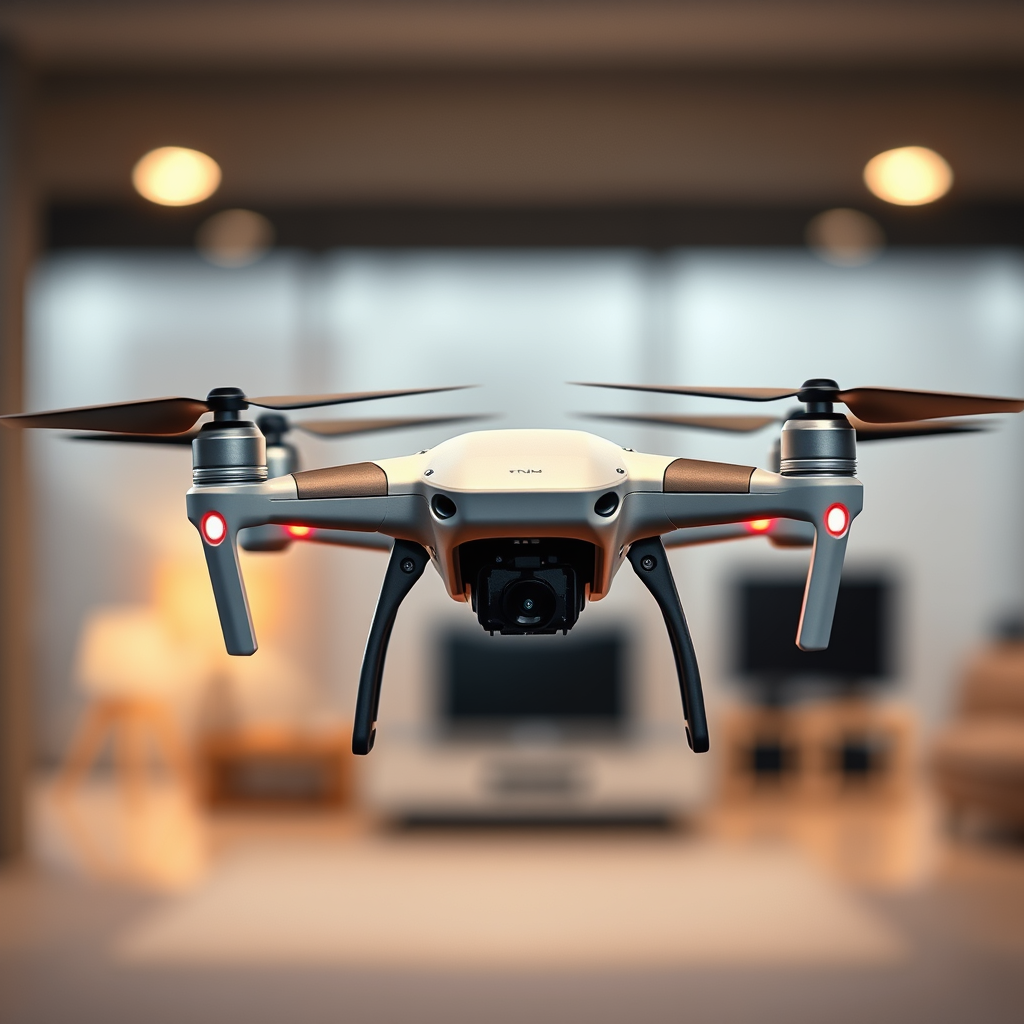
To easily distinguish a drone from a plane, look for their size, shape, and flight capabilities. Drones are typically smaller, often quadcopter-shaped, and can hover in place, while planes are larger, with fixed wings and require runways for takeoff and landing. Understanding these differences can help you identify each aircraft type effectively, particularly as both drones and planes become increasingly prevalent in our skies, serving various roles from leisure to commercial transportation.
Size and Shape
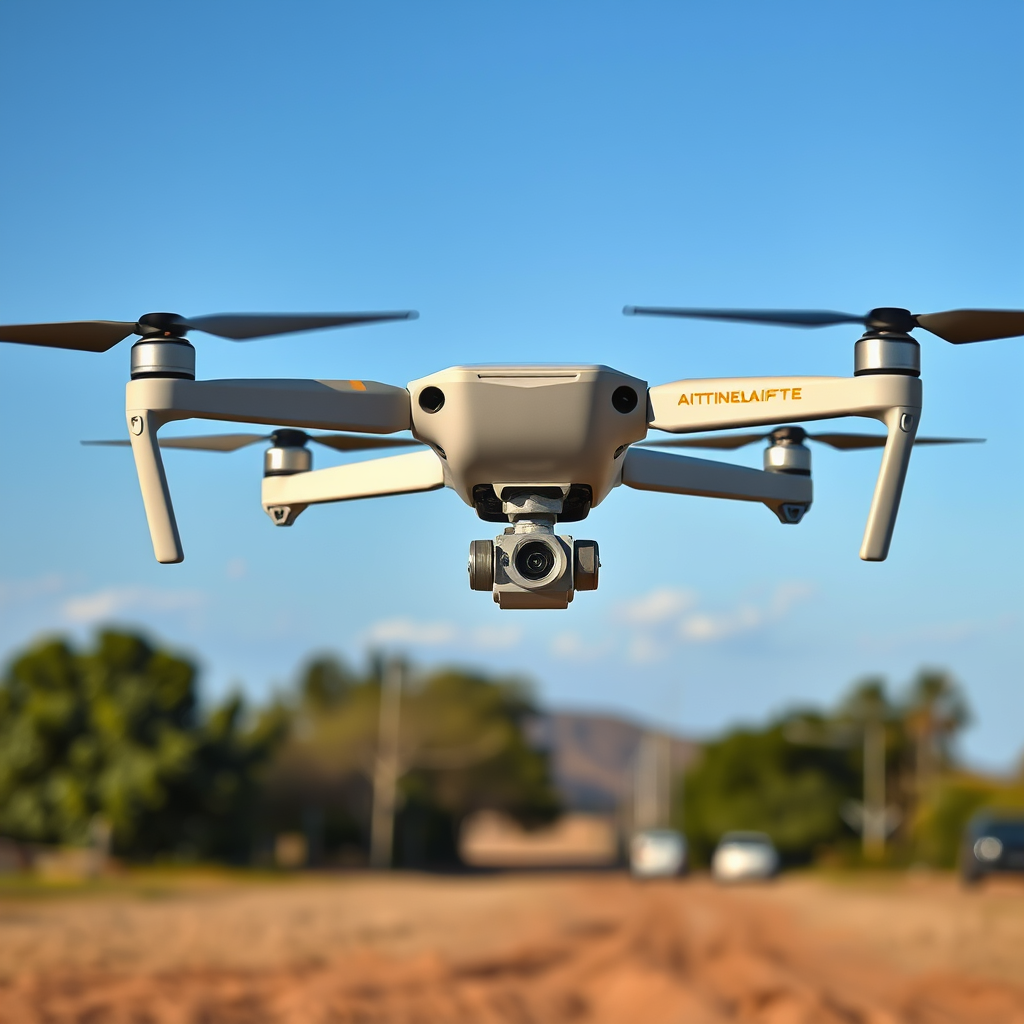
One of the most immediate differences between drones and planes is their size and shape. Drones are usually compact and lightweight, often measuring less than 5 feet across. The most common types of consumer drones are quadcopters, which feature four propellers and a symmetrical design that allows for greater stability during flight. This compact design makes them ideal for maneuvering in confined spaces, such as urban environments or indoor settings.
In contrast, planes are designed with significantly larger wingspans, typically ranging from 30 feet for small private planes to over 250 feet for large commercial jets. Their fuselage is engineered to accommodate passengers or cargo, often with a streamlined shape that promotes aerodynamic efficiency. The size disparity is not just a matter of aesthetics; it also reflects the different operational capabilities and intended uses of each aircraft type.
Flight Capabilities
The flight capabilities of drones and planes further highlight their differences. Drones are uniquely equipped to hover, fly vertically, and perform agile maneuvers within tight spaces. This versatility is particularly beneficial for applications such as aerial photography, search and rescue operations, and agricultural monitoring. For instance, drones can be deployed to survey crops and monitor their health from above, providing farmers with valuable data without disturbing the land.
On the other hand, planes primarily utilize horizontal flight and require runways for both takeoff and landing. Their design allows for sustained flight over longer distances at higher altitudes, making them suitable for commercial flights and military operations. An example of this is the Boeing 747, which can cover thousands of miles while carrying hundreds of passengers. Planes have limited vertical maneuverability compared to drones, as they are built for efficiency and stability in cruising flight rather than rapid ascents or descents.
Propulsion Systems
When examining the propulsion systems, the differences between drones and planes become even more pronounced. Drones typically utilize multiple small propellers for propulsion, which can vary in number depending on the model. For example, a standard quadcopter drone uses four propellers, while more advanced models may utilize six or eight to enhance stability and control. The electric motors that power these propellers are efficient and allow for quieter operation, making drones suitable for use in residential areas without causing significant noise pollution.
Conversely, planes are powered by larger engines, which can be either propeller-driven or jet engines. Commercial airliners like the Airbus A320 utilize turbojet engines that provide the necessary thrust to lift their heavy loads off the ground and maintain high speeds during flight. These engines are designed for maximum efficiency during cruising, enabling planes to travel long distances quickly. The propulsion systems of planes are heavily regulated and require extensive maintenance to ensure safety and performance, reflecting the complexity of their operations.
Control Mechanisms
The control mechanisms of drones and planes also illustrate their operational distinctions. Drones are often operated remotely or autonomously, utilizing GPS technology and onboard sensors to navigate their environments. This remote operation allows for a greater degree of flexibility, as users can control drones from a distance, whether for recreational flying or professional tasks such as aerial mapping. For example, a drone equipped with a high-resolution camera can autonomously capture images of a landscape, relaying the data back to its operator in real-time.
Planes, in contrast, are piloted from cockpits, where trained pilots navigate using a combination of instruments and air traffic control directives. The complexity of flying a plane requires extensive training and certification, as pilots must understand aerodynamics, weather conditions, and navigational systems. The reliance on air traffic control for safe navigation further emphasizes the structured environment in which planes operate, ensuring that airspace is managed effectively to prevent collisions and ensure the safety of all passengers.
Purpose and Usage
The purpose and usage of drones and planes further delineate their roles within the aviation landscape. Drones have rapidly gained popularity for recreational activities, photography, surveying, and even emergency response scenarios. For instance, firefighters may deploy drones to assess wildfire conditions from above, providing critical data that can inform their strategies. Additionally, drones are widely used in industries such as construction and real estate, where they can capture aerial footage for marketing and project management purposes.
Planes, on the other hand, are primarily used for commercial flights, cargo transport, and military operations. Airlines like Delta and American Airlines rely on their fleets of planes to transport millions of passengers annually, connecting cities and countries in an increasingly globalized world. Military aircraft serve specialized functions, including reconnaissance, transport, and combat, highlighting their critical role in national defense. The scale and purpose of these aircraft underscore the varied applications of aviation technology and its impact on society.
Regulations and Licensing
Regulations and licensing requirements also differ significantly between drones and planes, reflecting their respective operational complexities. Drones are subject to specific regulations regarding flight altitude, no-fly zones, and registration, especially when used for commercial purposes. In the United States, the Federal Aviation Administration (FAA) requires drone operators to register their devices and adhere to guidelines that promote safety and minimize risks to other aircraft and individuals on the ground.
Conversely, planes necessitate that pilots possess valid licenses and undergo rigorous training and certification processes. These requirements ensure that pilots are well-equipped to handle the challenges of flying, including emergency situations and navigation challenges. The aviation industry is governed by stricter regulations to maintain safety standards that protect passengers and cargo alike. Compliance with these regulations is critical for the continued operation of commercial airlines and the safe integration of aviation technology into national airspace.
Visual Identification
Finally, visual identification is a straightforward way to discern drones from planes. Drones often feature colorful lights, small frames, and unique designs that can resemble toys or gadgets. This visual appeal has contributed to their popularity in recreational markets, as users enjoy customizing their drones with different colors and accessories. A typical consumer drone may have LED lights that flash during operation, enhancing its visibility during twilight flights.
In contrast, planes exhibit a more standardized appearance, usually painted in airline colors and adorned with logos that represent their respective carriers. The sleek fuselage and larger wings are designed for aerodynamic efficiency, and their size often results in a significant presence in the sky. While some planes may feature innovative designs, such as the futuristic Airbus A380, the overall aesthetic remains consistent with established aviation standards, making it easier for observers to identify them as commercial airliners or military aircraft.
In conclusion, recognizing the differences between drones and planes involves examining their size, shape, flight capabilities, propulsion systems, control mechanisms, purpose, regulations, and visual characteristics. Drones are compact, maneuverable, and designed for a variety of uses, while planes are larger, require runways, and serve primarily commercial and military functions. By being aware of these distinctions, you can easily identify each type of aircraft in the sky. Whether for safety, curiosity, or aeronautical interest, understanding these differences is beneficial in navigating an increasingly crowded aerial environment.
Frequently Asked Questions
What are the key differences between a drone and a plane?
The primary differences between a drone and a plane lie in their design, size, and operational purpose. Drones, often referred to as unmanned aerial vehicles (UAVs), are typically smaller, can be remotely controlled or autonomous, and are used for tasks like aerial photography, surveying, or recreational flying. In contrast, planes are larger, manned aircraft designed for transporting passengers or cargo over longer distances.
How can you identify a drone in the sky?
Identifying a drone in the sky can be done by observing its shape, movement patterns, and sound. Drones are usually smaller than planes and may have a quadcopter design with visible rotors. They often fly at lower altitudes and can display erratic movements, unlike planes that follow a steady flight path. Additionally, many drones emit a distinct buzzing sound, which is also a clue to their identification.
Why do drones have different regulations compared to planes?
Drones are subject to different regulations than planes primarily due to their operational characteristics and potential risks. While planes are heavily regulated due to their size and the number of passengers they carry, drones operate in a more flexible airspace and can be used for various purposes, from recreation to commercial applications. Regulatory bodies, such as the FAA in the United States, have established specific guidelines to ensure safety and minimize risks associated with drone flights.
What is the best way to recognize a hobby drone versus a commercial drone?
Recognizing a hobby drone versus a commercial drone can be achieved by examining their size, features, and capabilities. Hobby drones are generally smaller, lightweight, and designed for recreational use, often lacking advanced technology. In contrast, commercial drones are typically larger, equipped with high-quality cameras and sophisticated sensors for professional applications like mapping or agricultural monitoring, and may have longer flight times and robust capabilities.
Which visual cues can help differentiate between a drone and an airplane at a distance?
At a distance, visual cues to differentiate between a drone and an airplane include size, wing structure, and flight behavior. Drones are usually visibly smaller and may have a square or round body with propellers, while airplanes have distinct wings and a fuselage. Additionally, drones tend to hover or make sudden movements, while airplanes maintain a steady trajectory and higher altitude, making these characteristics useful for identification.
References
- https://en.wikipedia.org/wiki/Drone
- https://www.faa.gov/uas/getting_started/
- https://www.nytimes.com/2021/01/14/us/drone-planes.html
- https://www.bbc.com/future/article/20200715-how-drones-are-changing-the-way-we-see-the-world
- https://www.nasa.gov/feature/what-s-the-difference-between-drones-and-piloted-aircraft
- https://www.smithsonianmag.com/innovation/how-drones-are-different-from-planes-180973552/
- https://www.sciencedirect.com/science/article/pii/S221313882200045X
