
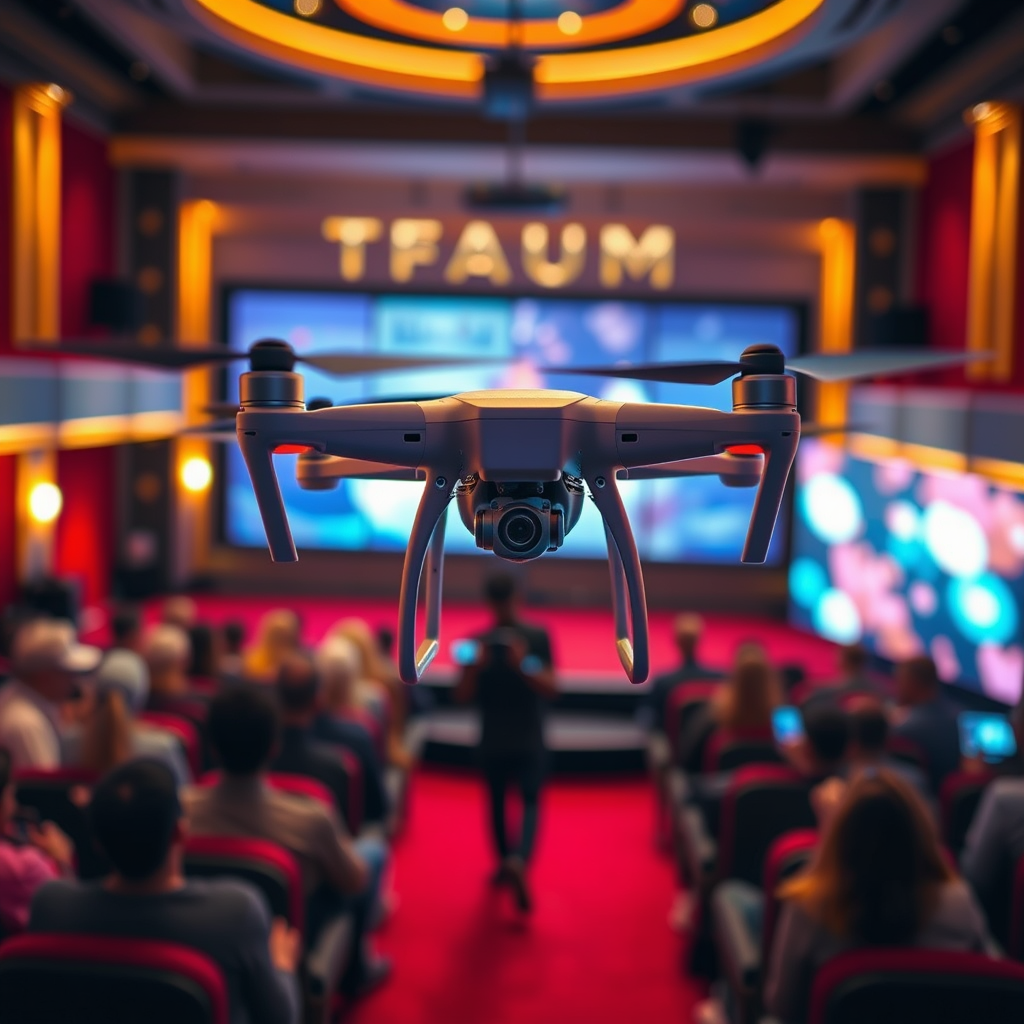
Drones can significantly enhance live event streaming by delivering breathtaking aerial views and unique perspectives that traditional cameras simply cannot achieve. This guide will walk you through the essential steps needed to effectively utilize drones for aerial event streaming, covering everything from selecting the right equipment to best practices for capturing stunning visuals that will captivate your audience.
Choosing the Right Drone
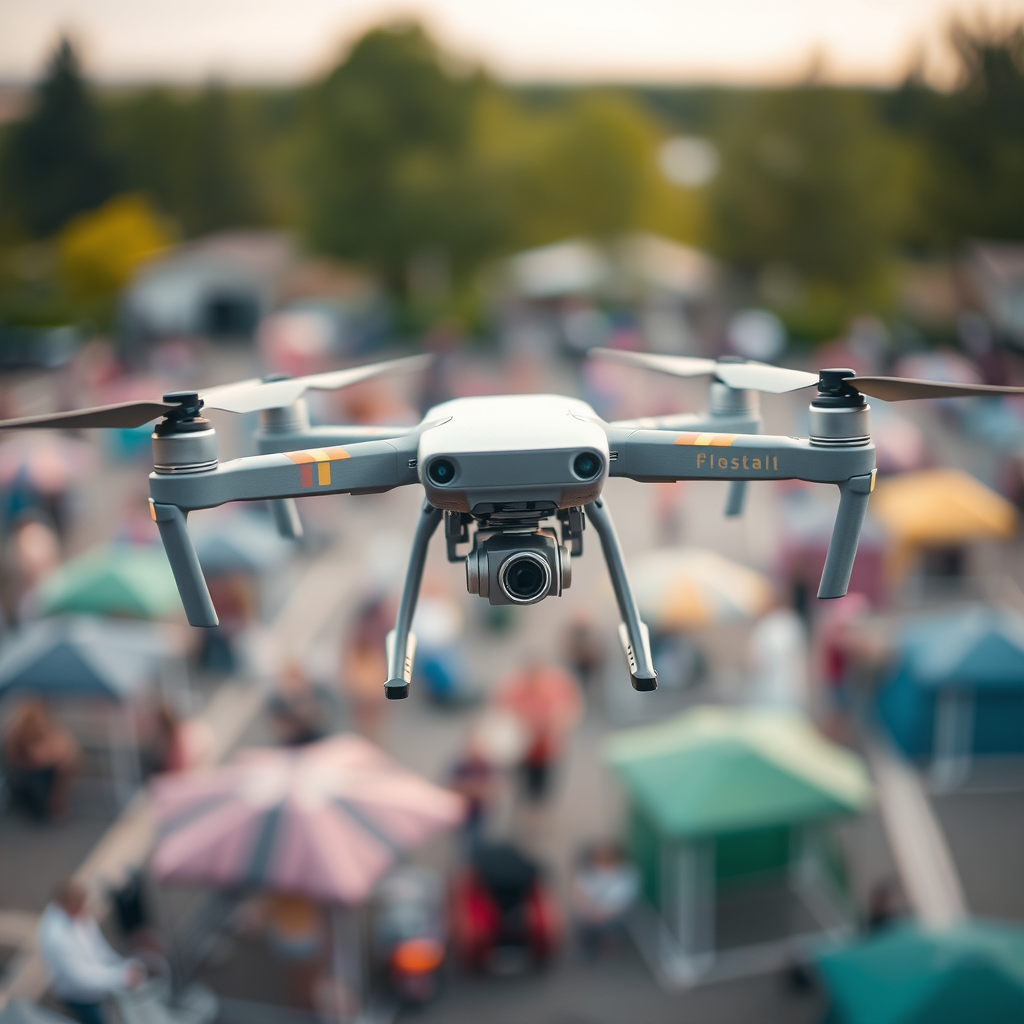
When it comes to aerial event streaming, the choice of drone can make or break your footage quality. One of the most critical factors to consider is the camera quality. Look for drones equipped with high-resolution cameras—ideally 4K or higher—to ensure your footage is sharp and professional. Stability is also paramount; drones featuring gimbal stabilization systems will reduce vibrations and ensure smooth shots, even in windy conditions.
In addition to camera quality, evaluate the drone’s flight time. A drone that can sustain longer flight durations will enable you to capture more moments without the need for frequent recharging or battery swaps. For instance, drones like the DJI Mavic Air 2, which offers up to 34 minutes of flight time, are excellent choices for events where continuous coverage is essential.
Understanding Regulations and Permissions
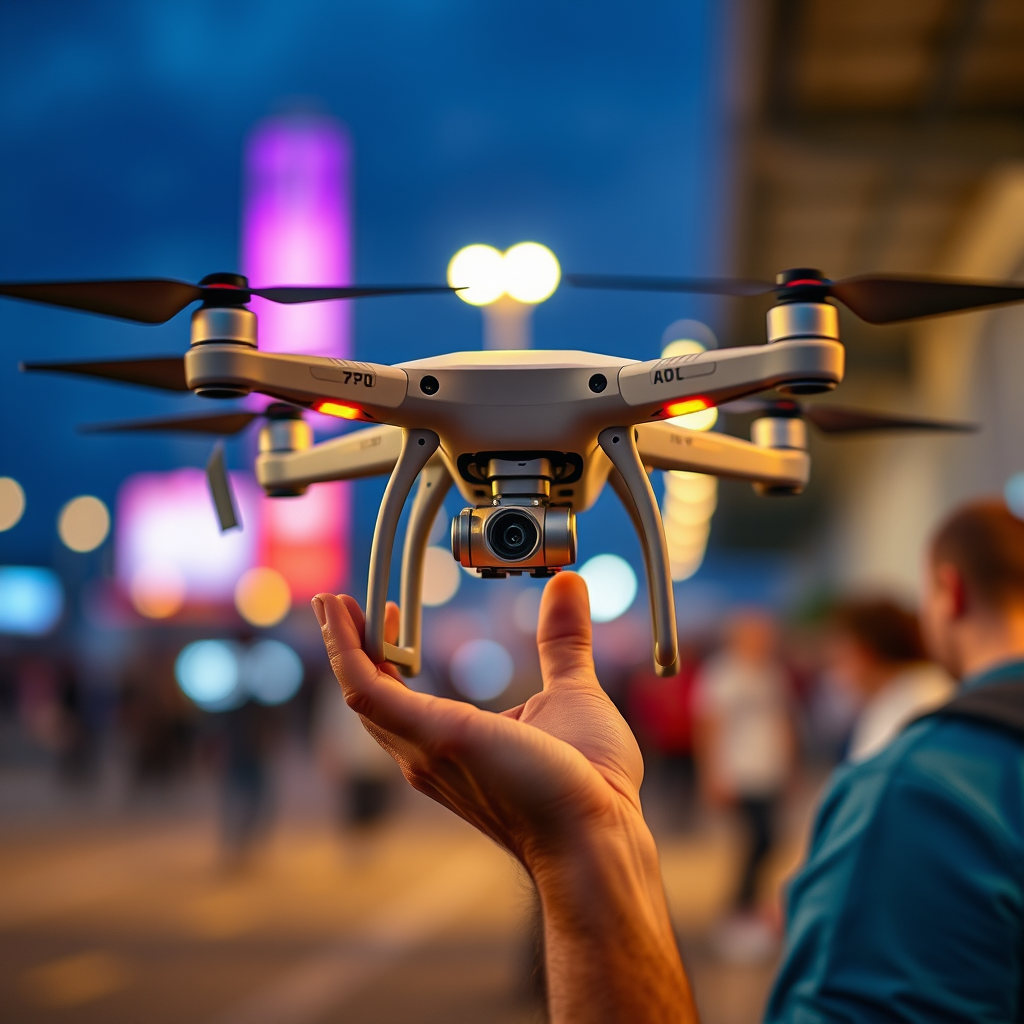
Before deploying a drone for event streaming, it is crucial to understand and comply with local regulations. Research the laws governing drone usage in your area, particularly those relevant to commercial purposes. Many jurisdictions require drone operators to adhere to specific safety guidelines, such as maintaining a certain distance from people and structures.
Obtaining the necessary permits is also vital. Depending on your location, you may need to secure permissions from local aviation authorities or event organizers. For example, in the United States, the FAA requires commercial drone operators to hold a Remote Pilot Certificate and may need to file a Notice to Airmen (NOTAM) for larger events. Ignoring these regulations can result in hefty fines and potential legal complications.
Planning Your Aerial Coverage
Effective aerial coverage begins long before the event starts. Creating a shot list will help you identify specific moments, angles, and scenes that you want to capture. This could include establishing shots of the venue, dynamic crowd reactions, and key moments such as speeches or performances.
Additionally, coordination with event organizers is essential to ensure that your drone operation does not disrupt the event. Discussing timing, flight paths, and no-fly zones will not only enhance your coverage but will also help maintain safety and minimize disturbances for attendees. For instance, securing permission to fly over specific areas or during particular times can maximize your operational efficiency.
Setting Up for Live Streaming
Choosing the right streaming platform is another vital aspect of successful aerial event streaming. Platforms like YouTube Live, Facebook Live, or dedicated services like Vimeo offer features that support high-quality live video and can cater to large audiences. Make sure to assess the platform’s compatibility with your drone’s streaming capabilities.
Moreover, a strong internet connection is imperative for seamless streaming. Conducting a pre-event site survey can help you identify the best locations for your drone and any potential connectivity challenges. If the venue lacks reliable internet, consider using a mobile hotspot or a 4G LTE router to ensure a stable connection throughout the event.
Operating the Drone During the Event
During the event, maintaining a line of sight with the drone is essential for safe operation and compliance with regulations. This not only helps prevent accidents but also allows you to adjust positioning or altitude as needed to capture the best footage.
Additionally, closely monitor the drone’s battery levels throughout the event. Using drones with smart battery management systems can alert you to low battery conditions, ensuring you have enough time to safely land. A thorough pre-flight check, including battery status, camera settings, and GPS connectivity, will prepare you for a successful operation.
Post-Event Editing and Promotion
Once the event has concluded, the real work begins. Editing the footage using professional software can greatly enhance the final product. Consider using tools like Adobe Premiere Pro or Final Cut Pro to edit for clarity, add graphics, and insert transitions or commentary that highlight key moments.
Promotion of the recorded stream is equally important. Sharing highlights on social media platforms can substantially increase audience engagement and reach. A well-crafted recap video can serve as an effective marketing tool, showcasing the event’s best moments and encouraging viewers to attend future events.
Incorporating SEO strategies, such as using relevant keywords in your titles and descriptions, can also help your content reach a broader audience online.
By leveraging the unique capabilities of drones for aerial event streaming, you can elevate your production quality and engage viewers like never before. This guide has outlined essential tips and best practices to ensure a successful event. Start planning your drone coverage today and take your streaming capabilities to new heights!
Frequently Asked Questions
What are the key benefits of using drones for aerial event streaming?
Drones offer a unique vantage point for event streaming, providing stunning aerial views that traditional cameras cannot match. They can cover large areas, allowing for dynamic shots that engage viewers and enhance storytelling. Additionally, drones are versatile, capable of capturing high-definition video and real-time streaming, making them ideal for live events like concerts, weddings, and sports.
How do I choose the right drone for live event streaming?
When selecting a drone for live event streaming, consider factors such as camera quality, flight time, and stability. Look for drones equipped with 4K cameras for high-resolution video, and ensure they have a minimum flight time of 20-30 minutes. Additionally, features like GPS stabilization and obstacle avoidance are essential for smooth, professional-quality streaming, especially in crowded environments.
What are the legal requirements for using drones at public events?
Before using a drone for aerial event streaming, familiarize yourself with local regulations and legal requirements. In many regions, you’ll need to register your drone with aviation authorities and obtain a remote pilot certificate. Additionally, ensure compliance with no-fly zones and privacy laws, especially when capturing footage of attendees at public events to avoid potential legal issues.
How can I ensure high-quality live streaming with a drone?
To achieve high-quality live streaming with a drone, invest in a reliable drone with robust streaming capabilities and a stable internet connection. Use a dedicated streaming platform that supports high-definition video and allows for real-time broadcasting. Additionally, monitor battery life, maintain optimal altitude, and conduct thorough pre-event testing to avoid technical difficulties during the live stream.
Which platforms are best for streaming aerial footage captured by drones?
The best platforms for streaming aerial footage from drones include YouTube Live, Facebook Live, and Vimeo. These platforms are user-friendly and support high-definition video streaming, making them ideal for reaching a wide audience. Additionally, consider specialized platforms like Twitch for niche events or private streaming solutions if you require enhanced privacy or customization for your audience.
References
- Drone journalism
- https://www.nasa.gov/feature/nasa-and-drones
- Unmanned Aircraft Systems (UAS) | Federal Aviation Administration
- https://www.sciencedirect.com/science/article/pii/S235286481730085X
- https://www.techrepublic.com/article/how-drones-are-changing-the-way-we-stream-events/
- https://www.bbc.com/news/technology-58685811
- https://www.nist.gov/news-events/news/2020/06/how-drones-are-revolutionizing-live-event-broadcasting
- https://www.itu.int/en/ITU-T/focusgroups/ai4good/Documents/AI4Good_Drones.pdf
- https://www.wired.com/story/drones-event-streaming/
