
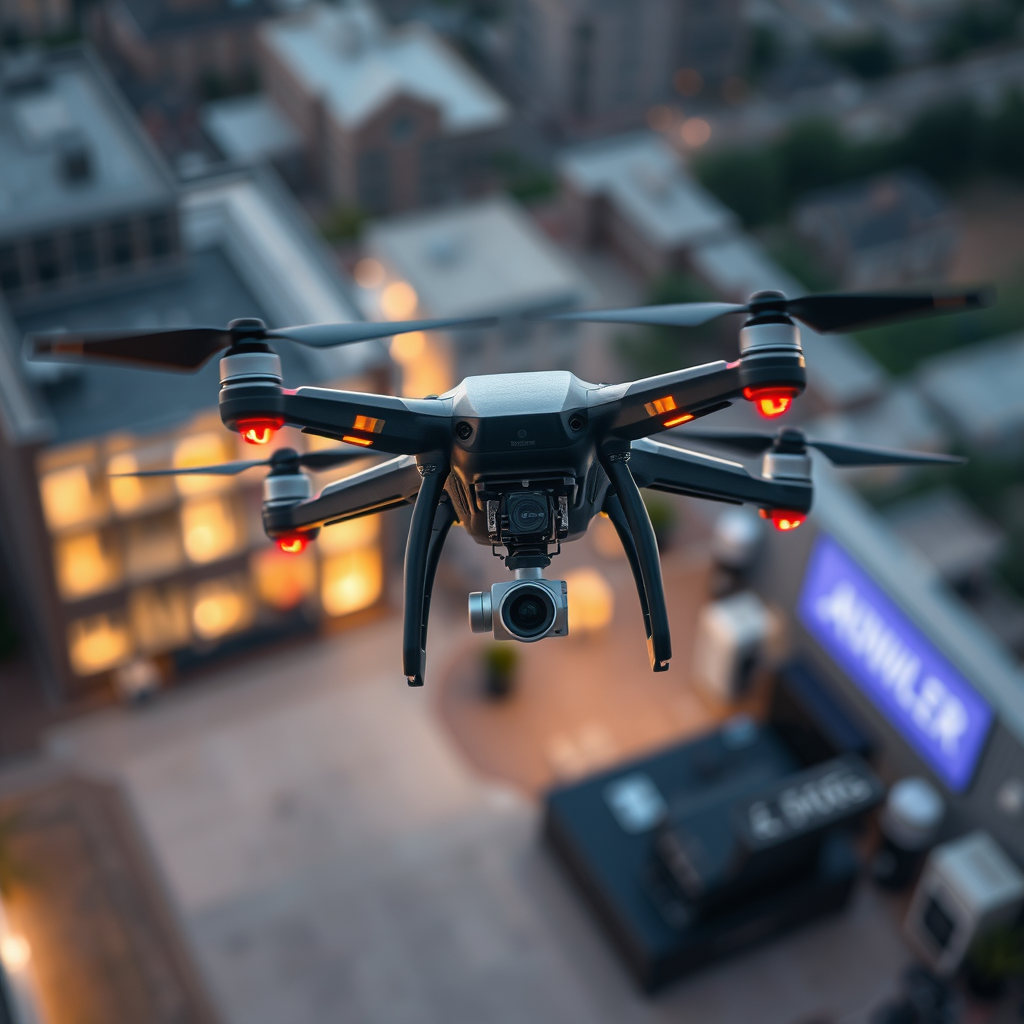
Using drones for aerial product photography can dramatically elevate your images, offering unique perspectives and angles that traditional photography simply cannot achieve. By integrating drone technology into your photography toolkit, you can capture dynamic, high-quality images that showcase your products in innovative ways. This article outlines essential steps and tips for effectively using drones to create stunning aerial product photos that will help your work stand out in a competitive market.
Understanding the Basics of Drone Photography
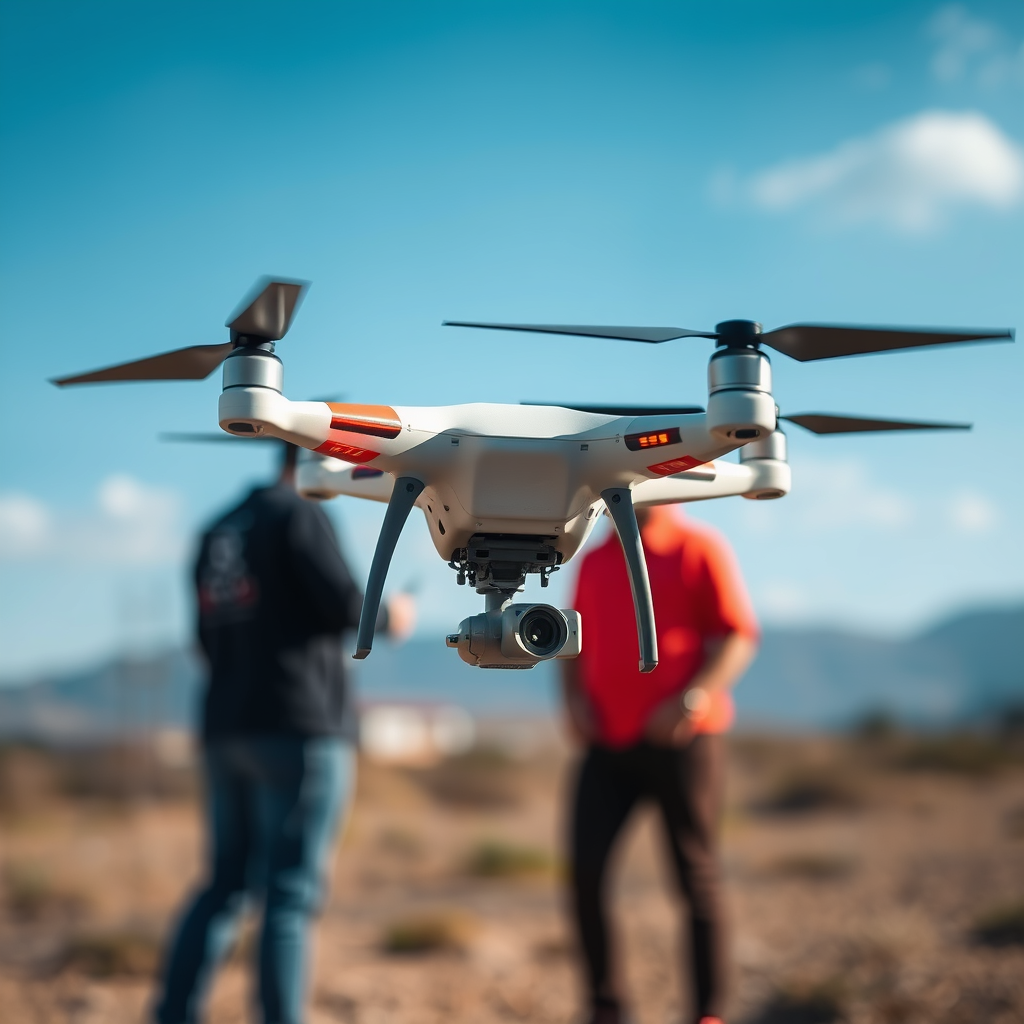
To effectively utilize drones for aerial product photography, it’s crucial to understand the different types of drones available and their specifications. Generally, drones can be categorized into three main types: consumer drones, prosumer drones, and professional drones. Consumer drones, such as the DJI Mini series, are often lightweight and user-friendly, making them perfect for beginners. Prosumer drones, like the DJI Mavic series, boast better camera capabilities and advanced features, ideal for semi-professional photographers. Professional drones, such as the DJI Inspire series, offer superior camera systems and extensive customization options, suitable for high-end commercial work.
When it comes to camera capabilities, look for drones equipped with high-resolution cameras, such as those that can shoot in 4K or higher. Features like gimbal stabilization, adjustable apertures, and manual settings significantly enhance image quality. A drone equipped with a 3-axis gimbal ensures steady shots even in windy conditions, while manual settings allow for greater creative control over exposure and depth of field. Familiarizing yourself with your drone’s camera specifications is essential for capturing breathtaking aerial images.
Preparing for Your Aerial Shoot
Preparation is key to a successful aerial shoot. Start by conducting a site assessment to identify the best locations for photography. Consider factors such as lighting, background, and surrounding scenery to enhance the visual appeal of your product shots. Scout potential locations at different times of the day to observe how natural light interacts with your products and the environment.
Moreover, be sure to check local regulations and obtain any necessary permits for drone usage. Many countries and regions have specific laws governing drone flights, particularly in populated areas or near airports. Compliance not only ensures the safety of your shoot but also protects you from potential legal repercussions.
Setting Up Your Drone for Photography
Before taking to the skies, it’s vital to set up your drone for optimal photography. Start by adjusting the camera settings to suit your shooting conditions. For aerial shots, a lower ISO setting (such as 100 or 200) is often preferred to minimize noise, while shutter speed should be adjusted according to the movement of your drone and the subject being photographed. A good rule of thumb is to set your shutter speed to at least double your frame rate to ensure sharp images.
Practicing basic flight maneuvers is equally important. Become familiar with your drone’s controls and practice flying at various altitudes and speeds. This will help you achieve smooth and stable shots during your actual shoot. Familiarizing yourself with the drone’s flight patterns will allow you to maneuver it confidently while focusing on capturing the perfect shot.
Composition Techniques for Aerial Product Photography
Composition plays a pivotal role in creating visually compelling aerial product photographs. One effective technique is to utilize the rule of thirds, which involves dividing your frame into nine equal parts and positioning your product at the intersection of these lines. This method creates balance and draws the viewer’s eye toward the subject.
Additionally, experiment with leading lines, which guide the viewer’s eye through the image. For instance, if you’re photographing a product in a landscape setting, use natural lines like roads or rivers to lead the viewer’s attention toward your product. Varying your altitude and angles can also yield striking results; low-angle shots can create a dramatic perspective, while high-altitude shots can provide context and showcase the product’s environment.
Post-Processing Aerial Images
Post-processing is an essential step in enhancing your aerial images. Begin by organizing your photos in a dedicated folder and selecting the best shots for editing. Essential editing techniques include adjusting exposure, contrast, and saturation to enhance the overall look of your images. For instance, increasing contrast can help your product stand out against its background, while fine-tuning saturation can bring out the colors you want to emphasize.
Software options like Adobe Lightroom and Photoshop are powerful tools for editing aerial photography. Lightroom is particularly user-friendly for batch processing and quick adjustments, while Photoshop offers more advanced editing capabilities, including retouching and compositing. Investing time in learning these software programs can significantly improve the quality of your final images.
Tips for Marketing Your Aerial Product Photography
Once you have created stunning aerial product images, it’s time to market your work effectively. Start by creating a professional portfolio that showcases your best aerial shots. Ensure that your portfolio is visually cohesive and reflects your unique style. Consider including case studies or project descriptions to provide context for your images, which can help potential clients understand your approach and capabilities.
Social media platforms such as Instagram, Facebook, and Pinterest are invaluable for sharing your work and engaging with potential customers. Use relevant hashtags and geotags to increase your visibility and attract a broader audience. Additionally, consider collaborating with brands or influencers in your niche to further expand your reach and gain credibility in the market.
Troubleshooting Common Drone Photography Issues
Despite careful planning, you may encounter common issues during drone photography. One frequent problem is poor battery life, which can limit your flight time. To mitigate this, always carry extra batteries and monitor battery levels closely during your shoot. It’s also crucial to invest in high-quality batteries designed for your specific drone model.
Another common issue is GPS signal loss, which can occur in dense urban environments or areas with significant interference. To minimize this risk, familiarize yourself with your drone’s return-to-home features and always maintain visual contact with your drone. Additionally, be aware of environmental factors like wind and lighting conditions, as high winds can affect stability and lighting can drastically change the appearance of your images. Monitor weather forecasts and choose optimal times for flying to ensure the best conditions for your shoot.
Incorporating drones into your product photography arsenal can significantly enhance your work and set you apart in a competitive market. By following these steps—from preparation and setup to post-processing and marketing—you’ll be well-equipped to create stunning aerial images that captivate your audience. Ready to take your photography to new heights? Grab your drone and start shooting!
Frequently Asked Questions
What equipment do I need to start using drones for aerial product photography?
To begin aerial product photography with drones, you’ll need a high-quality drone equipped with a good camera, such as a DJI Mavic Air 2 or a Phantom 4 Pro. Additionally, a gimbal stabilizer can help ensure steady shots, while extra batteries and memory cards are essential for extended shooting sessions. Don’t forget to invest in a reliable drone controller and possibly ND filters to enhance your photography in various lighting conditions.
How do I plan an aerial product photography shoot with a drone?
Planning an aerial product photography shoot involves several key steps. First, scout the location to identify the best angles and backgrounds that complement your product. Prepare a shot list detailing the specific images you want to capture, considering factors like lighting and weather conditions. Lastly, ensure you check local regulations regarding drone usage in your chosen area to avoid any legal issues during your shoot.
Why is drone photography beneficial for marketing products?
Drone photography offers a unique perspective that can make your product stand out in a crowded market. Aerial shots provide a dramatic and eye-catching view, allowing potential customers to see the product in context and appreciate its scale and surroundings. Additionally, incorporating drone imagery into your marketing strategy can enhance your brand’s visual storytelling, making it more memorable and engaging for your audience.
What are the best practices for capturing high-quality aerial product images?
To ensure high-quality aerial product images, consider shooting during the golden hour—shortly after sunrise or before sunset—when the lighting is soft and flattering. Use a high shutter speed to reduce motion blur and adjust your camera settings based on the environment. Experimenting with different altitudes and angles can also help you find the most compelling compositions. Finally, post-processing can enhance your photos, so don’t neglect that step in your workflow.
Which drones are best suited for aerial product photography?
When choosing a drone for aerial product photography, look for models with high-resolution cameras and excellent stabilization features. Top contenders include the DJI Mavic 3 for its superb camera quality and flight time, and the Autel Robotics EVO Lite+ for its impressive low-light performance and 50MP camera. Both options provide user-friendly controls and advanced features that cater specifically to photographers, making them ideal for capturing stunning aerial shots.
References
- Aerial photography
- Find and contact elected officials | USAGov
- Getting Started | Federal Aviation Administration
- https://www.nationalgeographic.com/science/article/drones-aerial-photography
- https://www.theguardian.com/technology/2020/dec/09/drones-aerial-photography-2020
- https://www.cnet.com/tech/mobile/drone-photography-tips/
- https://www.nasa.gov/mission_pages/tdm/photography.html
