
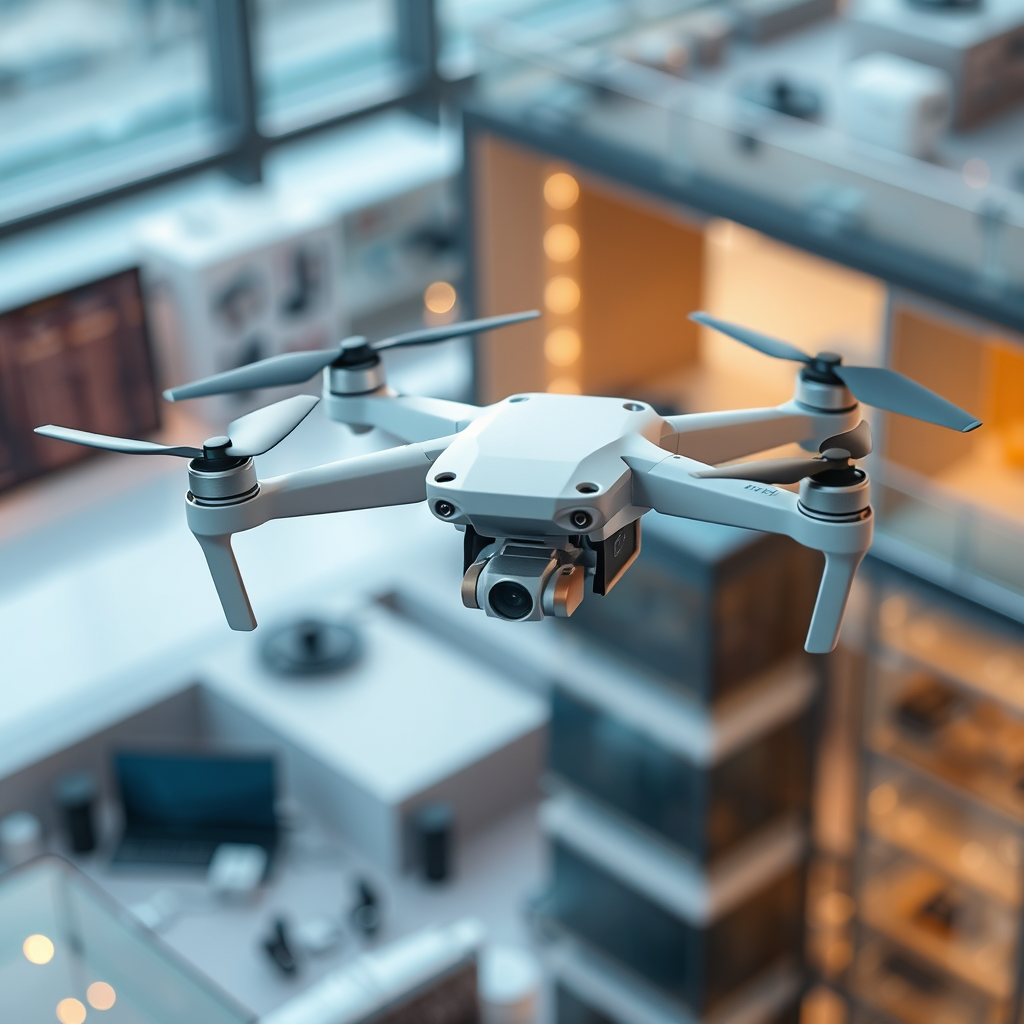
Using drones for architectural photography allows you to capture stunning aerial perspectives and intricate details that traditional photography cannot achieve. This modern approach not only enhances the visual storytelling of architectural designs but also offers photographers unique vantage points that were once inaccessible. In this comprehensive guide, you will learn essential techniques, recommended equipment, and practical tips for effectively utilizing drones in your architectural photography projects.
Understanding the Advantages of Drone Photography
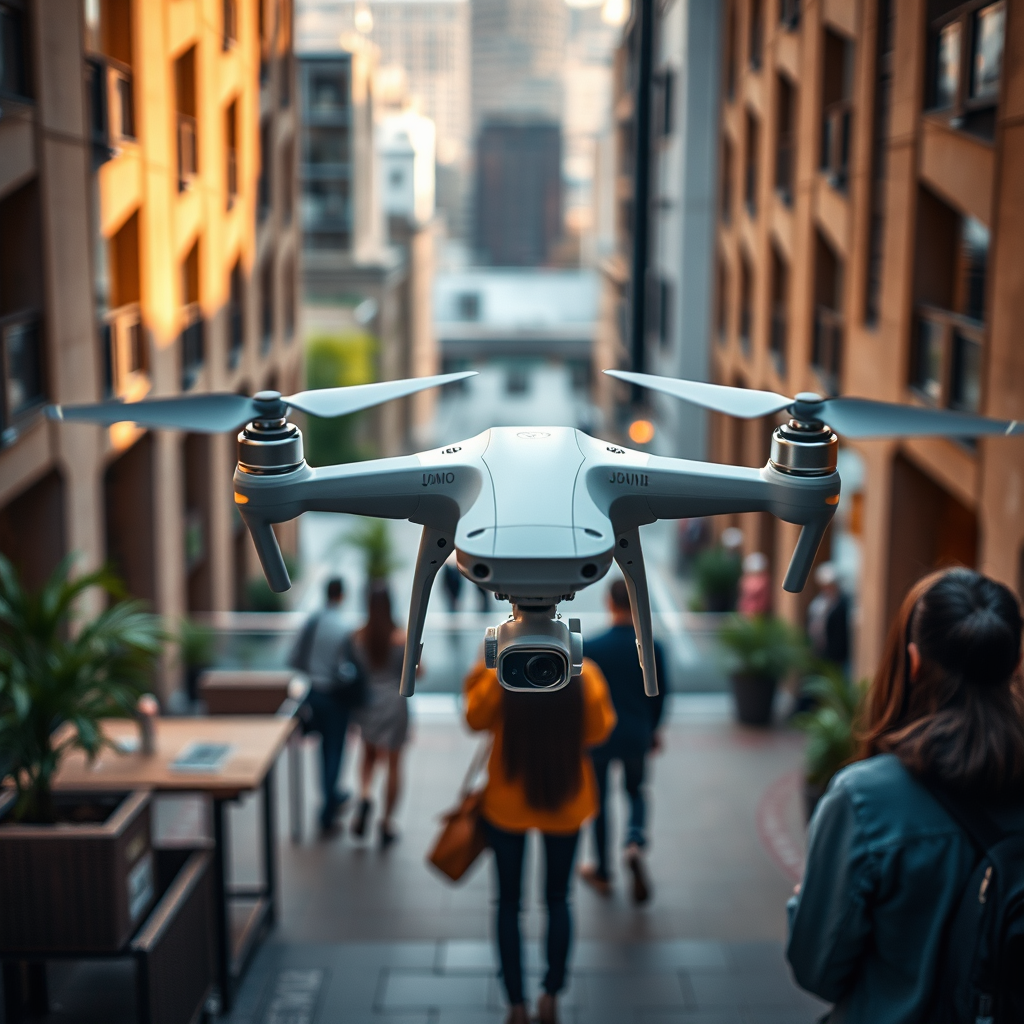
One of the primary benefits of drone photography is the ability to capture unique perspectives that showcase the architectural layout and design of structures from above. Traditional photography can only provide limited angles, often missing the grandeur and spatial relationships that are evident from an aerial view. Drones allow photographers to explore compositions that highlight the symmetry and scale of buildings, providing viewers with a fresh perspective.
Additionally, drones enhance the ability to capture intricate architectural details, such as textures, materials, and patterns, from angles that are often inaccessible to ground-level photography. This capability enables photographers to illustrate the craftsmanship and design philosophy behind structures, making their work not only visually appealing but also informative. For example, a drone can effectively capture the intricate details of a historical building’s façade or the sleek lines of a modern skyscraper, offering a closer look that engages audiences and clients alike.
Choosing the Right Drone for Architectural Photography
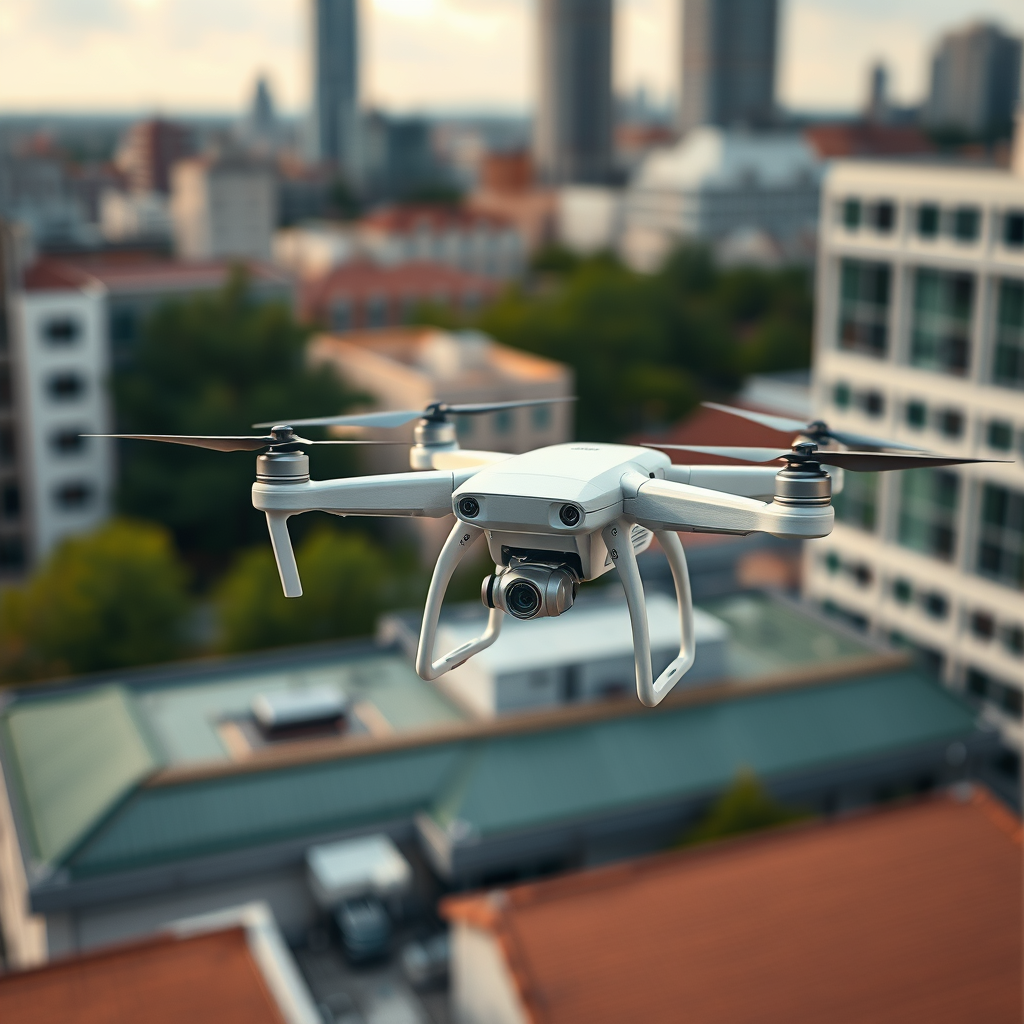
When selecting a drone for architectural photography, the camera quality is paramount. Look for drones equipped with high-resolution cameras, ideally 4K or higher, to ensure that your images are clear and detailed. Drones like the DJI Mavic 3 or the Phantom 4 Pro offer excellent camera systems that can capture stunning images and video footage, making them ideal choices for architectural work.
Stability features are another critical consideration. Opt for drones with advanced stabilization systems, such as gimbals, to ensure smooth shots even in windy conditions. A stable platform is essential for capturing crisp images and videos without motion blur. The DJI Air 2S, for instance, combines a powerful camera with robust stabilization technology, making it a solid option for architectural photography.
Essential Equipment and Accessories
To maximize your drone photography experience, certain accessories can significantly enhance your results. One essential accessory is filters, particularly Neutral Density (ND) filters. These filters help manage exposure by reducing the amount of light entering the camera, allowing for longer shutter speeds that can create beautiful motion blur in moving elements, such as clouds or water. This technique adds depth and dynamism to architectural shots.
Extra batteries are also a necessity when planning your drone photography sessions. Drones typically have limited flight times, often ranging from 20 to 30 minutes per battery. Bringing spare batteries allows you to extend your shooting time, ensuring that you can capture all desired angles and details without interruption. Consider investing in a multi-battery charger to streamline the recharging process between flights.
Tips for Planning Your Drone Shoot
Effective planning is crucial for a successful drone shoot. Start by researching locations thoroughly. Familiarize yourself with the site, including its surroundings and architectural features, to identify possible angles and compositions. Tools like Google Earth can help visualize the area from above, allowing you to determine the best vantage points before you arrive.
Timing is also essential in architectural photography. Shooting during the golden hour—shortly after sunrise or before sunset—provides the best natural lighting conditions, resulting in softer shadows and warmer colors. The low angle of the sun during these times can enhance the textures and details of architectural elements, making your images more visually striking.
Mastering Drone Flight Techniques
Proficiency in piloting your drone is vital for achieving steady and professional-looking shots. Take the time to practice flying in various conditions and environments to develop your skills. Familiarize yourself with your drone’s controls and capabilities, including altitude limits and flight modes. Practicing maneuvers, such as orbits and ascents, can also help you capture dynamic shots that showcase the architecture in context.
Moreover, adherence to local regulations and guidelines for drone operation is essential. Be aware of no-fly zones, altitude restrictions, and permit requirements, as violating these rules can not only result in fines but also jeopardize the safety of your shoot. Always prioritize safety for yourself and others while flying.
Post-Processing Your Architectural Photos
Post-processing is a vital step in architectural photography that can transform your raw images into stunning visuals. Utilize editing software like Adobe Lightroom or Photoshop for adjustments. Start by correcting exposure and contrast to enhance the overall image quality. Consider adjusting color balance and saturation to accurately represent the building materials and surroundings.
Focus on composition during post-processing as well. Use cropping techniques to draw attention to specific architectural features while maintaining the integrity of the original shot. Additionally, consider using tools like perspective correction to ensure that lines and angles remain true to their real-world counterparts, further enhancing the professional quality of your work.
Showcasing Your Work
Once you’ve captured and edited your architectural photographs, it’s time to showcase your work. Building a professional portfolio featuring your best drone shots is essential for attracting clients and demonstrating your skills. Organize your portfolio by category, such as residential, commercial, or historical architecture, allowing potential clients to easily find relevant examples of your work.
In addition to a physical portfolio, establishing a strong social media presence can significantly broaden your reach. Platforms like Instagram are ideal for sharing visual content, allowing you to connect with a wider audience and engage with fellow photographers and potential clients. Use relevant hashtags and geo-tags to increase visibility and encourage engagement with your images.
By leveraging drones in architectural photography, you can elevate your work to new heights and offer unique visual storytelling. The combination of advanced technology and creative techniques will enable you to capture stunning images that resonate with viewers. Start implementing these tips today, and watch your photography skills flourish as you explore the possibilities that drone technology offers in your architectural projects.
Frequently Asked Questions
What are the benefits of using drones for architectural photography?
Using drones for architectural photography offers several advantages, including the ability to capture unique aerial perspectives that traditional photography cannot achieve. Drones allow photographers to showcase the scale and context of buildings within their surroundings, providing a more comprehensive view. Additionally, drones can access challenging angles and heights, making them ideal for photographing tall structures, rooftops, and expansive landscapes.
How can I choose the right drone for architectural photography?
When selecting a drone for architectural photography, consider factors such as camera quality, flight stability, and ease of use. Look for drones equipped with high-resolution cameras (at least 12 MP), gimbal stabilization for smooth footage, and long flight times for extended shooting sessions. Popular options include the DJI Mavic series and the Phantom series, which are known for their excellent image quality and reliable performance in various environments.
Why is it important to plan my drone shots before flying?
Planning your drone shots is crucial for architectural photography because it helps maximize the effectiveness of your shoot and ensures you capture the best angles and lighting conditions. By scouting the location in advance and identifying key features of the architecture, you can create a shot list and determine the optimal time of day for natural lighting. This preparation can save time during the shoot and result in higher-quality images.
What are the legal requirements for using drones in architectural photography?
Before using a drone for architectural photography, it is essential to familiarize yourself with local regulations and legal requirements. Most countries require drone pilots to register their drones and adhere to specific flight restrictions, such as maintaining a certain distance from people and structures. Additionally, obtaining necessary permits for commercial use and respecting no-fly zones is crucial to avoid fines and ensure safe operation.
Which techniques can enhance my architectural photography with drones?
To enhance your architectural photography with drones, employ techniques such as utilizing different altitudes to capture varying perspectives, using the rule of thirds to compose your shots, and experimenting with lighting during golden hour for more dramatic effects. You can also incorporate dynamic movement by capturing video footage, then extracting still images from it, or using HDR techniques to balance exposure in challenging lighting conditions. These techniques can significantly elevate the quality of your architectural photos.
References
- https://en.wikipedia.org/wiki/Drone_photography
- https://www.archdaily.com/900254/7-tips-for-using-drones-in-architecture
- https://www.sciencedirect.com/science/article/pii/S235197891730469X
- https://www.naiop.org/Research-and-Publications/Magazine/2020/Winter-2020-Issue-1-Volume-40/Development-Ownership/Drones-in-Commercial-Real-Estate-How-They-Can-Help-You-Get-the-Job-Done
- https://www.aia.org/articles/202064-using-drones-in-architecture
- https://www.theguardian.com/technology/2021/apr/01/drones-architecture-photography-urban-design
- https://www.nps.gov/articles/drone-usage-in-national-parks.htm
- https://www.unm.edu/~drones/
- https://www.usgs.gov/mission-areas/natural-hazards/science/using-drones-mapping-and-monitoring-environmental-issues
