
Using drones for event videography can elevate your footage, offering stunning aerial perspectives that traditional cameras simply cannot achieve. These aerial devices enable videographers to capture breathtaking views and dynamic angles, thereby enhancing the storytelling aspect of any event. Whether it’s a wedding, corporate gathering, or festival, incorporating drones into your videography toolkit can result in captivating content that resonates with viewers. In this guide, you’ll learn essential tips and techniques for effectively incorporating drones into your event videography to create captivating and memorable content.
Understanding Drone Regulations
Before you embark on your drone videography journey, it’s crucial to familiarize yourself with local laws and regulations governing drone usage. Each country, and often individual regions within countries, have specific rules regarding where and when you can fly a drone. For instance, in the United States, the Federal Aviation Administration (FAA) mandates that all drone operators obtain a Remote Pilot Certificate, which requires passing an aeronautical knowledge test. Additionally, you will need to adhere to regulations that restrict flying near airports, over crowds, and at certain altitudes.
Moreover, securing any necessary permits or licenses is essential. Certain events, especially those held in public spaces or requiring the use of drones in urban areas, may necessitate specific permissions from local authorities. Ensuring compliance with these regulations not only protects you legally but also ensures the safety of event attendees and the integrity of the event itself.
Choosing the Right Drone
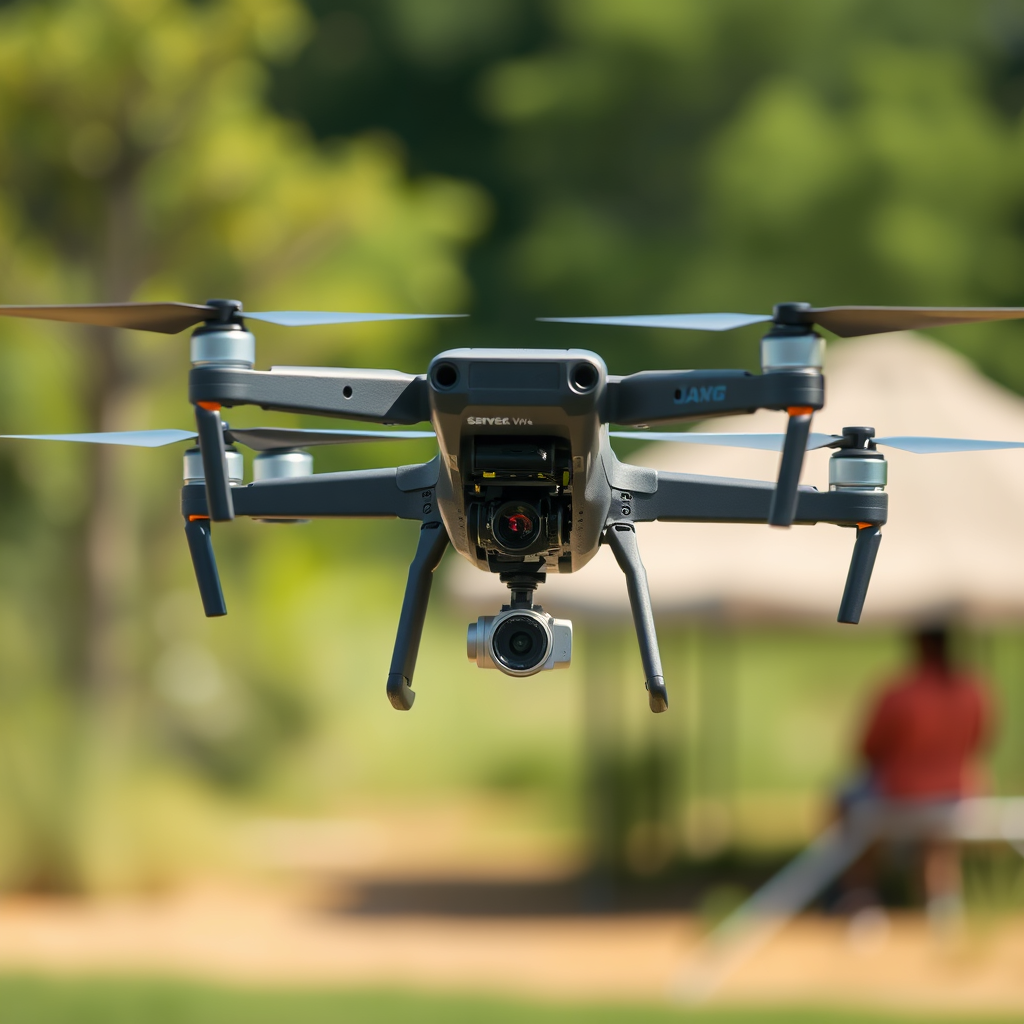
Selecting the right drone is a pivotal step in achieving stunning event videography. When evaluating your options, consider key factors such as camera quality, flight time, and ease of use. High-resolution cameras are essential for capturing crisp and vibrant footage; look for drones equipped with at least a 4K camera to deliver professional-grade results.
Flight time is another critical aspect; most consumer drones offer a flight time ranging from 20 to 30 minutes. If you anticipate needing more extensive aerial coverage, consider investing in additional batteries or a drone with longer flight capabilities.
Drones specifically designed for videography, such as the DJI Mavic series or the Phantom series, often come with features tailored for filmmakers, including gimbal stabilization, intelligent flight modes, and advanced camera controls. Conduct thorough research and read reviews to ensure that the drone you choose aligns with your videography objectives.
Planning Your Shots
Planning is essential for effective drone videography. Before the event, take the time to scout the location to identify optimal shooting angles and positions. This reconnaissance allows you to visualize how you can best utilize the drone to capture the essence of the event. Look for unique structures, natural landscapes, and crowd dynamics that can add depth to your shots.
Creating a shot list is an invaluable tool for ensuring that you capture all key moments. This list should include not only the highlights of the event, such as speeches or performances, but also candid moments that tell a deeper story. By having a clear plan, you can maximize the drone’s capabilities and ensure you don’t miss any important footage during the event.
Mastering Drone Flight Techniques
To achieve smooth and stable footage, it is essential to master basic flying skills. Spend time practicing in open areas before the event to become familiar with your drone’s controls and responsiveness. Understanding how to handle wind conditions and adjusting your flight path accordingly is crucial for capturing quality footage.
Once you are comfortable with basic maneuvers, advance your skills by learning more dynamic techniques, such as tracking shots and dynamic transitions. Tracking shots involve following a moving subject smoothly, while dynamic transitions can add a cinematic flair to your footage. For example, a smooth transition from an aerial shot of the venue to a close-up of guests interacting can create a more engaging visual narrative.
Editing and Post-Production
Editing is where your drone footage truly comes to life. Utilizing professional editing software, such as Adobe Premiere Pro or Final Cut Pro, you can enhance your footage with color correction, stabilization, and effects. These tools allow you to polish your videos, ensuring they look professional and visually appealing.
Combining aerial shots with ground footage is an effective storytelling technique that can provide context and depth. For instance, interspersing aerial views of the venue with close-up shots of attendees enjoying the event can create an immersive experience for viewers. Additionally, consider adding music and sound effects to elevate the emotional impact of the footage.
Tips for Capturing the Best Footage
To capture the best aerial footage, pay close attention to lighting conditions and the time of day. The golden hour, which occurs shortly after sunrise or before sunset, provides soft, flattering light that can enhance the quality of your video. Avoid filming in harsh midday sunlight, as this can create unflattering shadows and overexposed highlights.
Leverage the drone’s built-in features to streamline your filming process. For example, utilize follow modes to automatically track subjects as they move, or set waypoints to create pre-defined flight paths for intricate shots. These features can help you achieve complex shots that would otherwise require significant manual control.
Collaborating with Event Organizers
Effective communication with event planners is key to successful drone videography. Before the event, discuss their vision and identify important moments they want captured. This collaboration ensures that you align your shooting strategy with their expectations, ultimately resulting in footage that meets their needs.
Additionally, be mindful of any restrictions or preferences regarding drone usage during the event. Some venues may have specific guidelines about where drones can fly, so it’s essential to establish these parameters ahead of time. Respecting these guidelines not only fosters a positive relationship with the organizers but also ensures a smooth filming process.
Creating captivating event videography with drones involves careful planning, skilled flying, and thoughtful editing. By following these essential tips, you can produce stunning aerial footage that enhances the storytelling of your events. Start exploring drone options today and elevate your videography skills to new heights!
Frequently Asked Questions
What are the key benefits of using drones for event videography?
Drones offer a unique perspective that traditional cameras cannot match, allowing for breathtaking aerial shots that enhance the visual storytelling of any event. They provide versatility in capturing dynamic footage, such as sweeping panoramas or intricate crowd shots, which can add depth and excitement to your video. Additionally, drones can cover large areas quickly and efficiently, making them ideal for outdoor events like weddings, festivals, and sports.
How do I choose the right drone for event videography?
When selecting a drone for event videography, consider factors such as camera quality, flight time, and ease of use. Look for drones equipped with high-resolution cameras (4K or above) and gimbal stabilization for smooth footage. Battery life is crucial; aim for models that can fly for at least 20-30 minutes per charge to ensure you capture all essential moments. Additionally, check for features like obstacle avoidance and automated flight modes, which can help you focus on videography rather than piloting.
What are the legal requirements for flying drones at events?
Before using a drone for event videography, familiarize yourself with local regulations, as laws can vary significantly by location. In most countries, you’ll need to register your drone with the appropriate aviation authority and may require a remote pilot certificate, especially for commercial use. Additionally, it’s essential to obtain permission from event organizers and ensure you have liability insurance to protect against any potential accidents or damage during the event.
How can I effectively integrate drone footage into my event video?
To seamlessly integrate drone footage into your event video, plan your shots in advance based on the event’s schedule and key moments. Use aerial shots to establish the setting and then switch to ground-level footage for more intimate moments, creating a balanced narrative. Editing software can help you blend these shots smoothly, allowing for transitions that maintain viewer engagement. Additionally, consider using music and sound effects to enhance the emotional impact of the aerial footage.
Which types of events are most suitable for drone videography?
Drones are particularly well-suited for outdoor events such as weddings, music festivals, marathons, and sporting events, where they can capture expansive views and dynamic action. They are also great for real estate promotions or promotional videos that benefit from aerial perspectives. However, for indoor events, consider space limitations and potential interference with other equipment, as drones may not be practical in enclosed venues.
References
- https://en.wikipedia.org/wiki/Drone_filmography
- Unmanned Aircraft Systems (UAS) | Federal Aviation Administration
- https://www.nasa.gov/feature/nasa-drone-pilot-training
- https://www.edx.org/course/drone-technology
- https://www.theguardian.com/technology/2020/jan/24/how-drones-are-changing-the-world-of-videography
- Pearl boats – ABC News
- https://www.nist.gov/news-events/news/2021/07/nist-research-aims-help-drones-take-videography-next-level
- https://www.dji.com/education/resource-center/using-drones-in-video-production
