
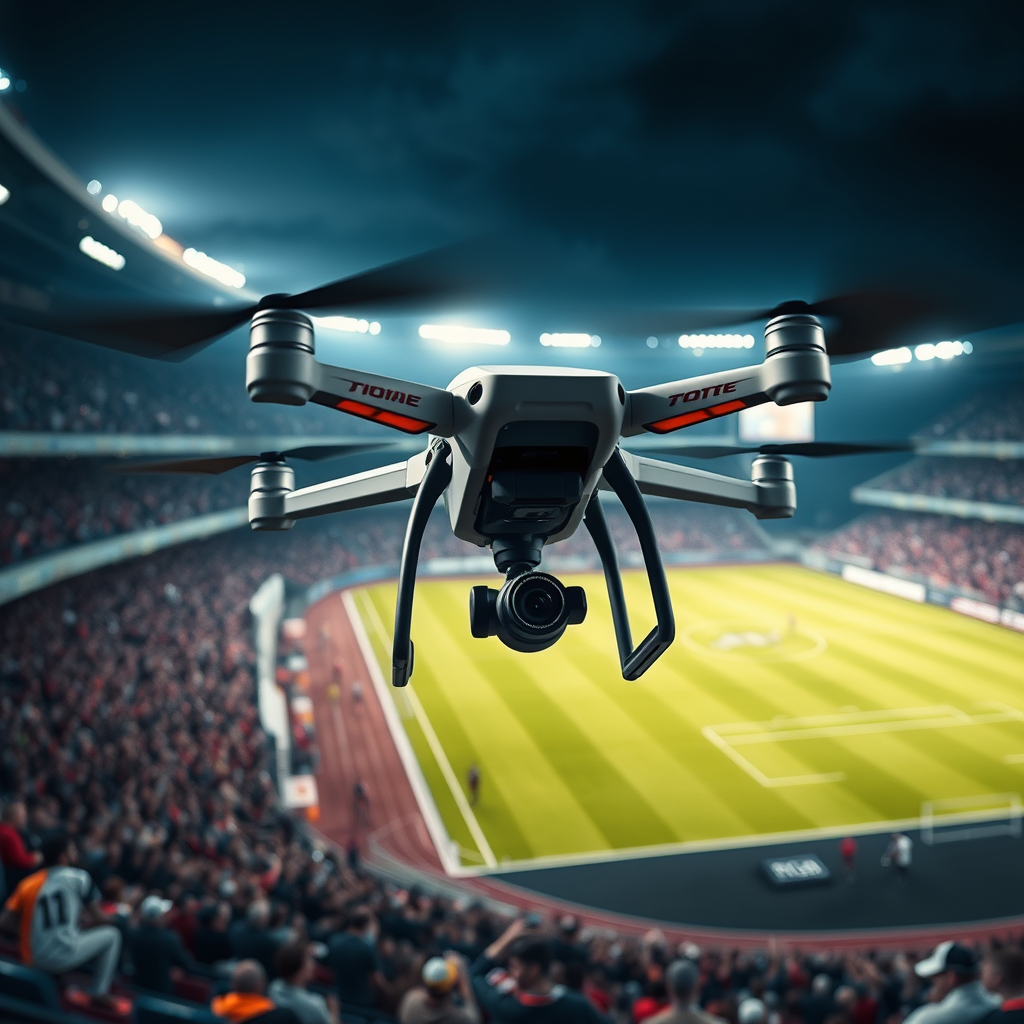
Using drones for sports photography allows you to capture dynamic, aerial perspectives that enhance the excitement of any event. Drones provide an innovative way to showcase athletic performance, revealing angles and movements that are otherwise impossible to capture from the ground. This guide will walk you through the essential techniques, equipment, and tips to effectively utilize drones in your sports photography endeavors.
Understanding the Basics of Drone Photography
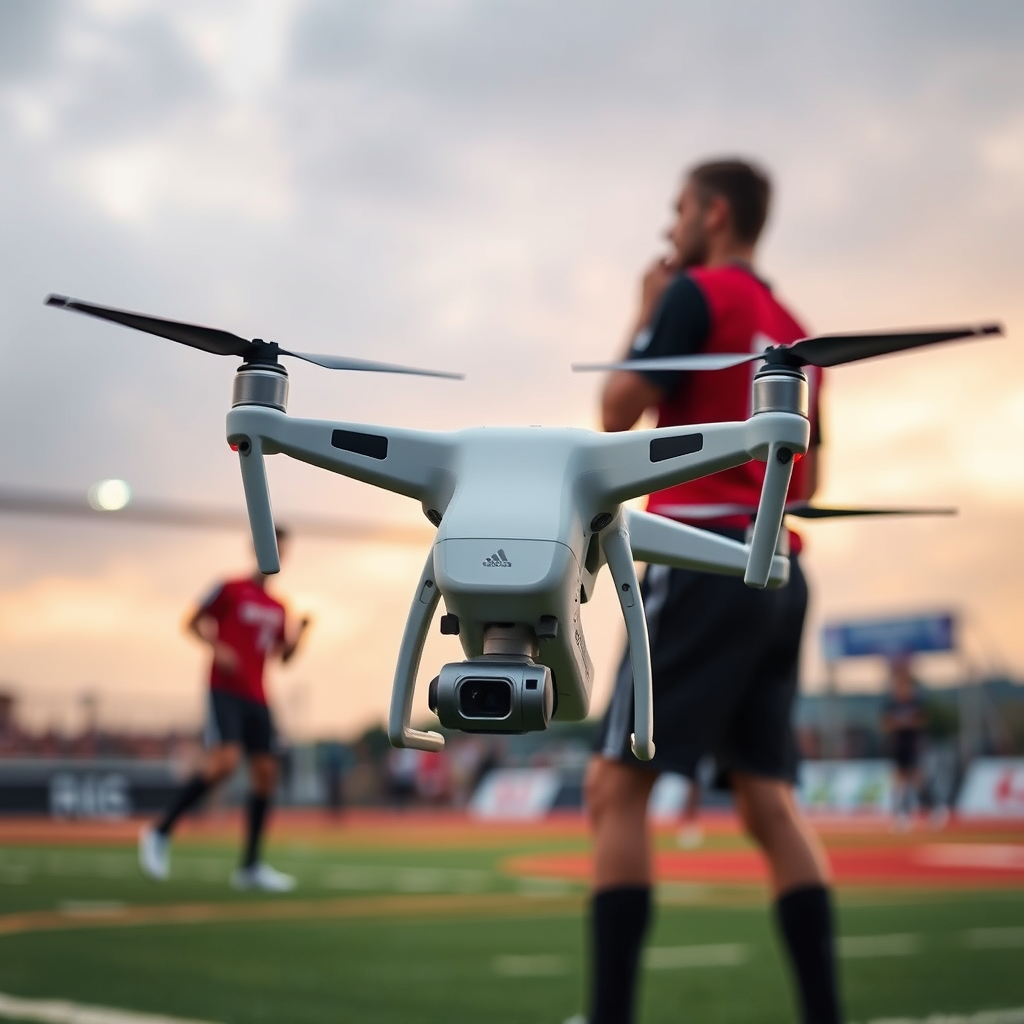
To effectively use drones in sports photography, it is crucial first to familiarize yourself with the different types of drones available and their specifications. Drones fall into various categories—ranging from entry-level models to professional-grade devices. For photography, you will want to focus on drones equipped with high-resolution cameras, stabilized gimbals, and long battery life. Popular options include the DJI Mavic series and the Phantom series, which offer excellent imaging capabilities and user-friendly controls.
Additionally, understanding the legal regulations and restrictions surrounding drone usage is vital for compliance and safety. In many regions, flying drones over crowds or certain venues may be prohibited without special permissions. Familiarize yourself with the FAA regulations or your country’s local drone laws, which often include guidelines on where and when you can fly. Knowing these regulations ensures that your photography session is both legal and respectful of the environment.
Choosing the Right Equipment
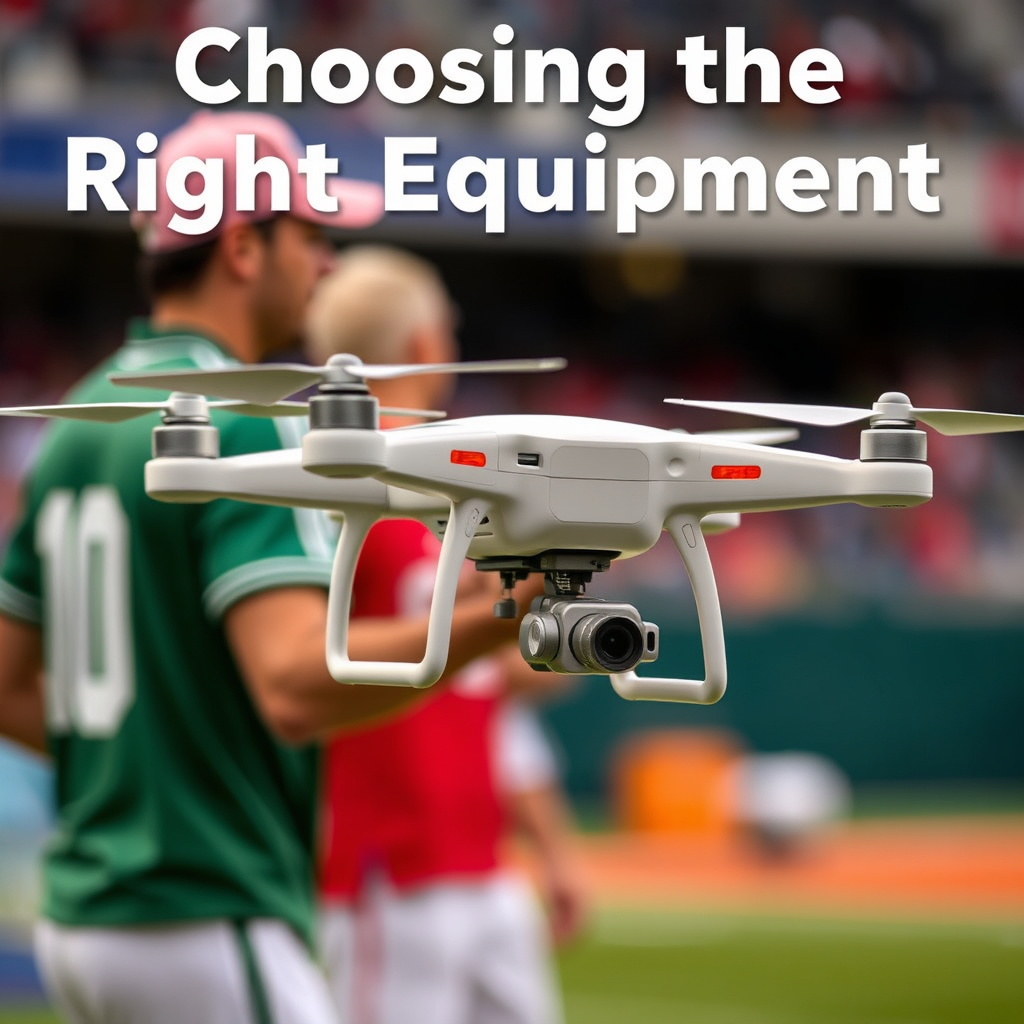
Selecting the right equipment is essential for capturing high-quality sports photographs. Opt for a drone that features a high-quality camera, ideally one that can shoot in 4K resolution to ensure optimal image clarity. Look for drones with adjustable aperture settings and the ability to shoot in RAW format, as this will give you greater flexibility in post-processing.
In addition to the drone itself, consider investing in accessories that can enhance your shooting experience. A gimbal stabilizer can help reduce camera shake, ensuring smoother footage and sharper stills. Extra batteries are also paramount, especially for long sporting events, as they allow you to maximize your flying time without the inconvenience of waiting for a recharge. Other useful accessories include ND filters to manage exposure in bright conditions, and a smartphone or tablet for improved control and live video feedback.
Planning Your Shoot
Effective sports photography requires meticulous planning. Prior to the event, scout the location to identify the best vantage points and angles from which to capture the action. Visit the venue during a similar event if possible, as this will help you gauge the flow of the game and the movements of the athletes.
Creating a shot list is also a valuable practice. Outline key moments you want to capture, such as the start of the game, pivotal plays, or celebratory moments. This proactive approach ensures you remain focused during the event, allowing you to capture not just the action but also the emotion that accompanies it. Be prepared to adapt your plan as the event unfolds, as spontaneity often leads to the most impactful images.
Mastering Aerial Techniques
Once you have your drone and plan in place, it’s time to master aerial techniques that will elevate your sports photography. Experimenting with different flight patterns can add variety to your shots. For example, overhead shots can provide a unique perspective of team formations, while low-angle shots can emphasize the speed and agility of athletes.
Panning and tracking techniques are also critical when following moving subjects. Practice moving your drone in sync with the action, which will help you capture fluid motion shots. For instance, if you are photographing a runner, try to fly parallel to their path while maintaining a consistent altitude. This technique not only keeps the subject in focus but also creates a dynamic composition that highlights their movement.
Post-Processing Your Images
The importance of post-processing cannot be overstated in sports photography. After capturing your shots, utilize editing software such as Adobe Lightroom or Photoshop to enhance colors, contrast, and sharpness. Adjusting these elements can dramatically improve the visual impact of your photos, making them more engaging for viewers.
Exploring creative editing techniques can also help convey the action and emotion of the event. Consider using selective sharpening to draw attention to key players or applying a vignette effect to focus the viewer’s eye on the subject. Additionally, combining images into a dynamic collage can tell a more comprehensive story of the event, showcasing various moments and perspectives in a single frame.
Safety and Etiquette in Drone Flying
Safety and etiquette are paramount when it comes to flying drones, especially in public spaces. Always maintain a safe distance from participants and spectators to protect their safety as well as your equipment. A good rule of thumb is to remain at least 50 feet away from people, but this distance may vary based on local regulations.
Respecting privacy and property rights is equally important. Before flying over private property or crowded events, ensure you have the necessary permissions. Additionally, be aware of your surroundings and avoid flying in restricted airspace, such as near airports or military installations. This not only protects you legally but also enhances the overall experience for everyone involved.
Tips for Capturing the Best Action Shots
Capturing fast-moving action can be challenging, but utilizing burst mode on your drone’s camera can be a game-changer. Burst mode allows you to take multiple frames per second, ensuring that you can select the best shots later. This is particularly useful during high-intensity moments, such as a last-minute goal or a critical play.
Adjusting your camera settings is also crucial for varying lighting conditions. For outdoor events, ensure your shutter speed is fast enough to freeze the action—generally, a speed of 1/1000 of a second or faster is recommended. Experiment with ISO settings to manage light sensitivity without introducing noise. By fine-tuning these settings based on the environment, you can ensure clarity and detail in every shot.
Summarizing the insights shared, utilizing drones for sports photography can elevate your work through unique angles and perspectives. By following the outlined steps, from choosing the right equipment to mastering post-processing, you can create stunning visuals that capture the thrill of the game. Start planning your next shoot and experiment with these techniques to take your sports photography to new heights!
Frequently Asked Questions
What are the best drones for sports photography?
The best drones for sports photography typically have high-quality cameras, stability features, and robust flight capabilities. Popular options include the DJI Mavic Air 2 and the DJI Phantom 4 Pro, both of which offer 4K video resolution and excellent stabilization. For more professional needs, consider the DJI Inspire 2, which supports interchangeable lenses and has superior image quality. Always ensure that the drone you choose can handle the speed and movement of various sports to capture dynamic shots.
How can I effectively plan a drone shoot for a sporting event?
To effectively plan a drone shoot for a sporting event, start by obtaining necessary permissions and understanding local regulations regarding drone usage. Scout the location ahead of time to identify the best angles and potential obstacles. Create a shot list based on the key moments you want to capture, like action shots, crowd reactions, and venue layouts. Arrive early to set up and test your equipment, ensuring you have the right settings for varying light conditions throughout the event.
Why is aerial photography important in sports coverage?
Aerial photography enhances sports coverage by providing unique perspectives that ground-level photography cannot capture. Drones can hover above the action, showcasing the scale of the event and the athleticism of the participants. This bird’s-eye view can highlight tactical formations in team sports or the layout of the course in individual events, adding depth to storytelling. Additionally, aerial shots can create engaging promotional content for teams and sponsors, making them invaluable for marketing.
Which camera settings should I use for drone sports photography?
For drone sports photography, use a fast shutter speed (at least 1/1000s) to freeze motion and avoid blur. Set your ISO as low as possible to reduce noise while ensuring adequate exposure; adjust it according to lighting conditions. Use a wide aperture (f/2.8 to f/5.6) to create a shallow depth of field, which helps isolate your subject from the background. Lastly, consider using manual mode to have full control over exposure settings, allowing for better results in dynamic environments.
What are the common challenges when using drones for sports photography and how can I overcome them?
Common challenges in drone sports photography include maintaining stable footage in windy conditions, tracking fast-moving subjects, and navigating crowded venues. To overcome these, ensure your drone has advanced stability features like GPS and obstacle avoidance. Practice tracking techniques and use intelligent flight modes that allow the drone to follow subjects autonomously. Additionally, familiarize yourself with the venue layout to avoid obstacles and ensure compliance with safety regulations, reducing the risk of accidents.
References
- Aerial photography
- https://www.nytimes.com/2021/09/02/technology/drones-sports-photography.html
- https://www.theguardian.com/technology/2020/jul/15/drones-sports-photography-tips-tricks
- https://www.ncbi.nlm.nih.gov/pmc/articles/PMC7998520/
- https://www.nasa.gov/mission_pages/earth/news/drones-in-sports.html
- https://www.sporttechie.com/drones-in-sports-photography/
- https://www.usa.gov/technology-and-telecommunications
- https://www.usc.edu/technology/drones-in-sport-photography.html
