
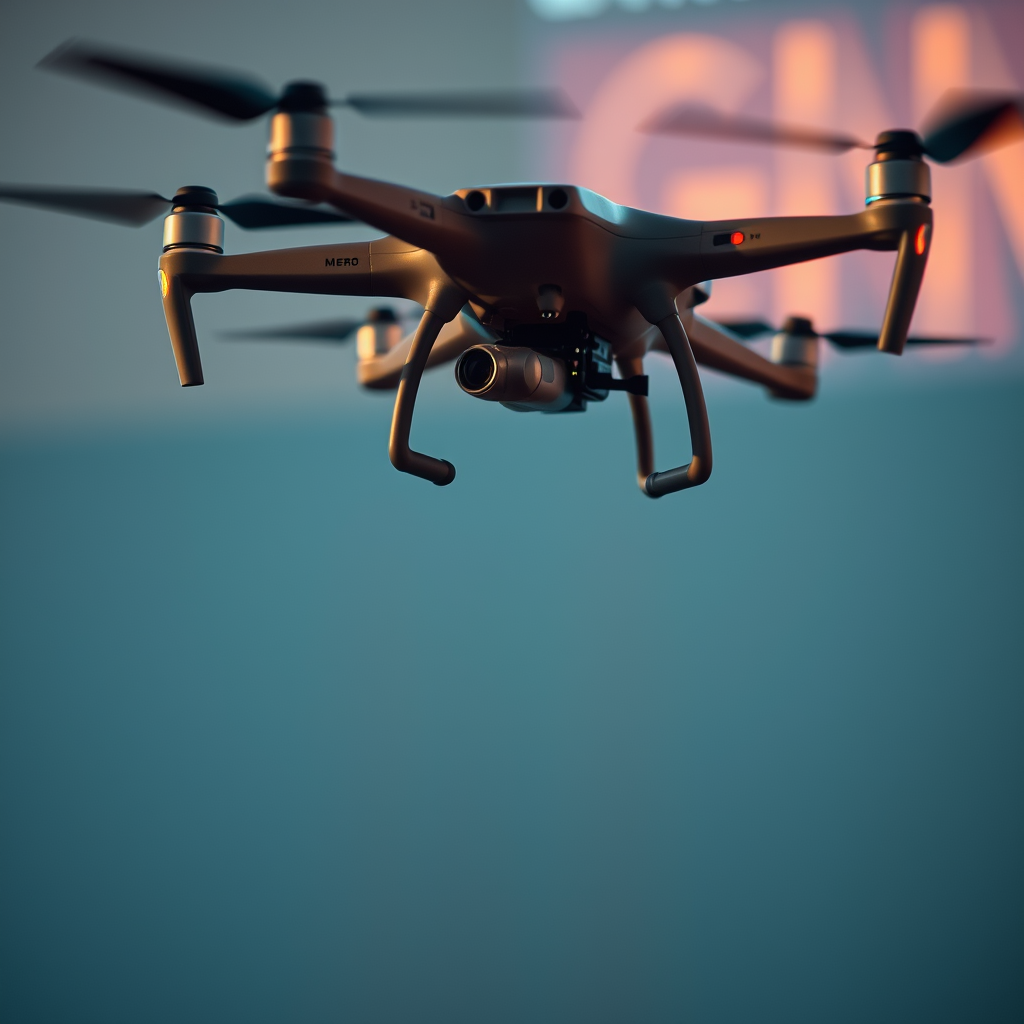
Using drones in documentary filmmaking can significantly elevate your storytelling by offering unique aerial perspectives and dynamic shots that enhance visual engagement. Drones allow filmmakers to capture breathtaking landscapes, intricate details, and immersive experiences that ground-level shots simply cannot provide. In this guide, you’ll learn how to effectively integrate drone technology into your documentary projects, from planning to execution, ensuring your film stands out with high-quality visuals.
Understanding Drone Types and Features
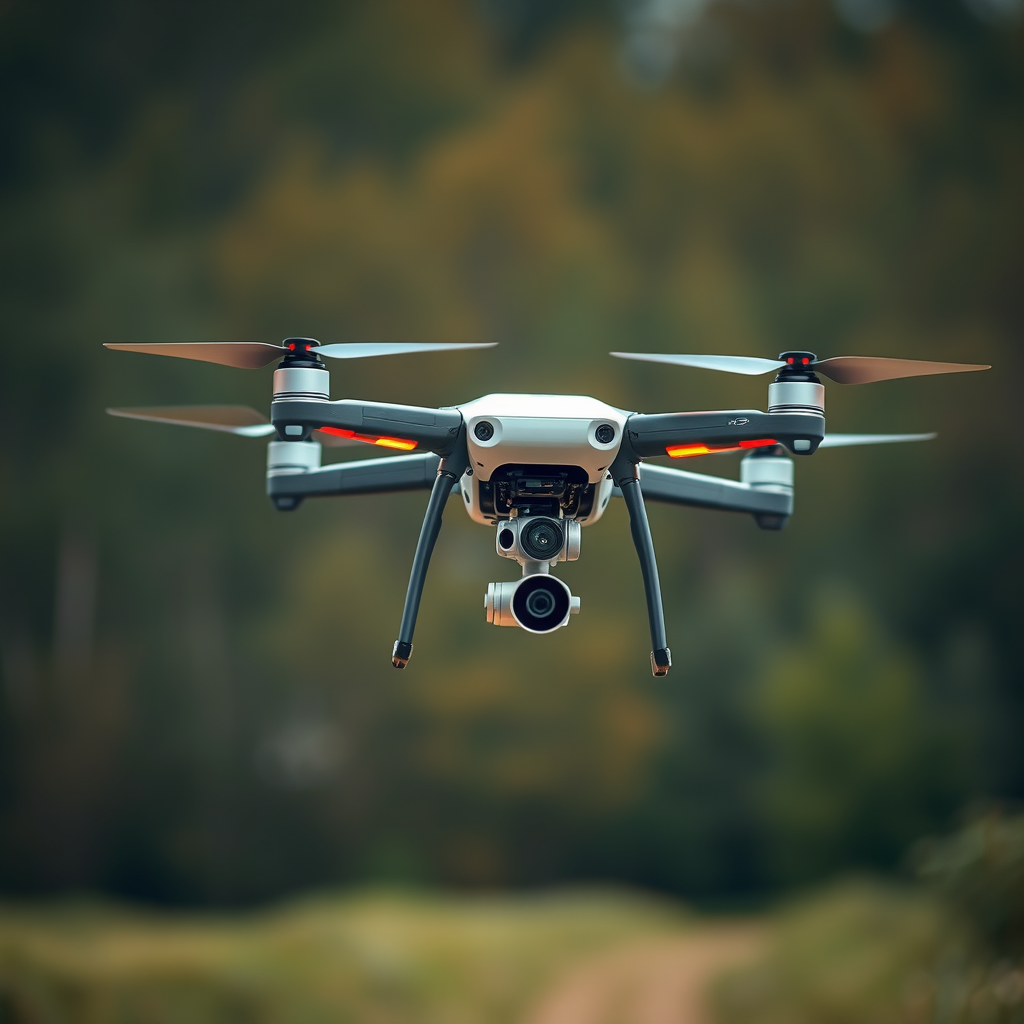
When choosing a drone for documentary filmmaking, it’s essential to differentiate between the various models available. Quadcopters, such as the DJI Mavic series or the Phantom series, are the most popular for filmmakers due to their stability, ease of use, and ability to carry high-quality cameras. They are excellent for capturing dynamic, high-definition footage in tight spaces and are relatively portable. On the other hand, fixed-wing drones are suited for larger areas, offering longer flight times and the ability to cover more ground efficiently, making them ideal for documentaries set in expansive outdoor environments.
In addition to the type of drone, several critical features must be considered. Camera quality is paramount; look for drones equipped with at least a 4K camera to ensure high-resolution footage. Gimbal stabilization is another essential feature that helps to eliminate shaky shots, providing smooth movement crucial for maintaining a professional aesthetic. Flight time is also an important consideration, as most consumer drones offer between 20 to 30 minutes per charge. Understanding these specifications allows filmmakers to select the right drone that aligns with their project needs.
Legal Considerations for Drone Use
Before embarking on your drone filmmaking journey, it is crucial to familiarize yourself with the Federal Aviation Administration (FAA) regulations and local laws governing drone operation. In the United States, for instance, commercial drone use mandates that operators obtain a Remote Pilot Certificate under the Part 107 rules, which requires passing a knowledge test. Additionally, many localities have specific regulations regarding where drones can be flown, especially near airports or densely populated areas.
Obtaining the necessary permits and insurance is equally important. Depending on the location and nature of your documentary, you may need special permissions to fly in certain areas or to film specific events. Insurance not only protects your equipment but also mitigates risks associated with potential accidents during filming. Complying with these legal considerations ensures that your production runs smoothly and avoids costly legal complications.
Planning Your Shots with Drones
Effective planning is vital when integrating drone footage into your documentary. Start by storyboarding your film, which helps visualize how aerial shots will complement your narrative. Identify key locations that would benefit from aerial views—such as dramatic landscapes, bustling cityscapes, or significant landmarks. Consider how these shots can serve to enhance the story, providing context and scale to the subject matter.
For instance, if your documentary is about environmental conservation, aerial footage of deforested areas can starkly illustrate the issue. Similarly, if covering a cultural festival, using drone shots to capture the crowd and festivities from above can create an immersive experience for the audience. By thoughtfully planning your drone shots, you can create a seamless blend of ground and aerial footage that enriches the storytelling.
Operating Drones: Tips for Filmmakers
Mastering basic drone piloting skills is essential for capturing smooth and stable footage. Start by familiarizing yourself with the controls and practicing in open spaces. Understanding how to maneuver your drone will give you the confidence to experiment with different angles and movements during actual filming.
Utilize cinematic techniques such as slow panning and tracking shots to enhance the visual appeal of your documentary. Slow panning can create a dramatic reveal of landscapes, while tracking shots can follow subjects, providing a sense of motion that engages viewers. Additionally, consider the use of altitude changes; ascending or descending can dramatically alter the perspective and impact of your shots. By honing your piloting skills and employing creative techniques, you can produce visually stunning footage that enhances your documentary.
Editing Drone Footage
Integrating drone footage with traditional shots in post-production requires careful consideration. Begin by selecting a consistent color palette and style for your edit to maintain visual coherence. Adobe Premiere Pro and Final Cut Pro X are popular editing software options that offer advanced features for color grading and stabilizing footage.
Stabilization is particularly crucial for drone shots, as even minor shakes can detract from the overall quality. Using stabilization tools within your editing software can help smooth out any unwanted jitters. Additionally, consider using transitions that align with the drone’s movement to create a seamless flow between aerial and ground shots. By employing these best practices, you can effectively integrate drone footage into your documentary, enhancing the overall visual narrative.
Enhancing Storytelling with Aerial Perspectives
Aerial shots can provide critical context and scale to your documentary subjects, allowing viewers to grasp the larger narrative at play. For instance, showcasing a community in relation to its geographical environment can highlight the challenges they face, such as natural disasters or urbanization. By placing your subjects within their broader surroundings, you elevate the story’s emotional weight and significance.
Moreover, drone footage can be used to convey emotions and highlight significant moments in your narrative. A sweeping aerial shot of a majestic landscape can evoke feelings of awe and wonder, while a close-up drone shot of a subject’s expression can create intimacy. Understanding how to use aerial perspectives to enhance storytelling empowers filmmakers to craft a more compelling narrative that resonates with audiences on a deeper level.
By mastering these aspects of drone use in documentary filmmaking, you can create captivating stories that resonate with your audience. The integration of drone technology not only enhances the visual quality of your film but also opens up new creative possibilities. Start planning your next project with drones to unlock the full potential of your storytelling techniques and elevate your documentary filmmaking to new heights.
Frequently Asked Questions
What are the best drones for documentary filmmaking?
The best drones for documentary filmmaking typically include models like the DJI Mavic 3, DJI Air 2S, and the Autel Robotics EVO Lite. These drones are favored for their excellent camera quality, stability in flight, and advanced features like obstacle avoidance and automated flight modes. When selecting a drone, consider factors such as your budget, portability, and the specific filming requirements of your documentary to ensure you choose the right equipment for your needs.
How can I capture cinematic shots using a drone?
To capture cinematic shots with a drone, focus on smooth movement and stable shots. Utilize features like slow, sweeping pans, and altitude changes to add depth to your footage. Additionally, practice the use of camera settings such as frame rates and shutter speed to achieve the desired cinematic look, and consider utilizing ND filters to control light and maintain shutter speed for more professional results.
Why is drone cinematography important for documentaries?
Drone cinematography is crucial for documentaries as it provides unique aerial perspectives that can significantly enhance storytelling. It allows filmmakers to capture expansive landscapes, intricate details, and dynamic action from above, creating a visually compelling narrative. Furthermore, aerial shots can emphasize themes like isolation, connection to nature, or scale, making the documentary more engaging for viewers.
Which regulations should I be aware of when using drones for filmmaking?
When using drones for documentary filmmaking, it’s essential to be aware of regulations from aviation authorities such as the FAA in the United States. This includes obtaining the necessary licenses, adhering to altitude restrictions, and maintaining visual line of sight during flight. Additionally, you should check local laws regarding drone use in specific areas, especially in urban environments or near sensitive locations to ensure compliance and avoid legal issues.
What are some tips for planning a drone shoot for a documentary?
Planning a drone shoot for a documentary involves several key steps: first, conduct a thorough location scout to identify the best filming spots and understand potential challenges like wind or restricted airspace. Next, create a shot list that outlines the specific angles and movements you want to capture, and schedule flights during times with optimal lighting, such as golden hour. Lastly, ensure you have a backup plan for weather changes and always conduct a pre-flight check to ensure the drone is in optimal condition.
References
- https://en.wikipedia.org/wiki/Drone_filmography
- https://www.nytimes.com/2020/06/22/technology/drones-documentary-filmmaking.html
- https://www.bbc.com/future/article/20200804-how-drones-are-changing-documentary-filmmaking
- https://www.futurelearn.com/info/courses/drone-photography-and-videography/0/steps/136434
- https://www.nationalgeographic.org/article/drones-documentaries/
- https://www.ncbi.nlm.nih.gov/pmc/articles/PMC7103045/
- https://www.sciencedirect.com/science/article/abs/pii/S0098300419301843
- https://www.wired.com/story/drones-documentary-filmmaking/
