
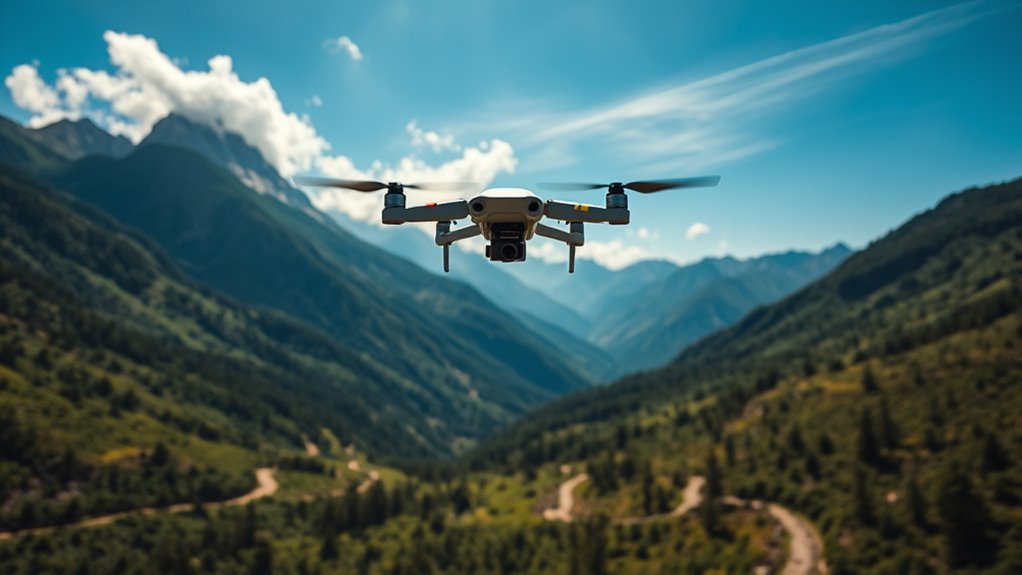
Using drones in national parks is heavily regulated to protect wildlife and visitor experiences. Generally, drone operations are prohibited, but you can apply for special permits under specific circumstances. Each state has its own additional restrictions, which can complicate compliance. It’s essential to understand safety guidelines, such as avoiding crowds and wildlife, and to use quiet equipment whenever possible. Staying informed about these regulations enhances your drone experience and helps preserve natural beauty. Learn more about traversing this complex landscape.
Understanding the Legal Framework for Drones in National Parks
As you explore the possibilities of using drones in national parks, it is crucial to understand the legal framework governing their operation. Drone technology offers promising avenues for wildlife conservation, but regulations are in place to guarantee these benefits don’t come at a cost to the environment or public safety. Federal laws, including the FAA’s guidelines, dictate where and how drones can be flown. You’ll need to take into account airspace restrictions, privacy concerns, and the potential impact on wildlife. Engaging with these regulations not only aids in responsible use but also enhances your ability to contribute positively to conservation efforts. Knowledge of the legal landscape empowers you to harness drone technology effectively while respecting the delicate ecosystems within national parks.
National Park Service Regulations
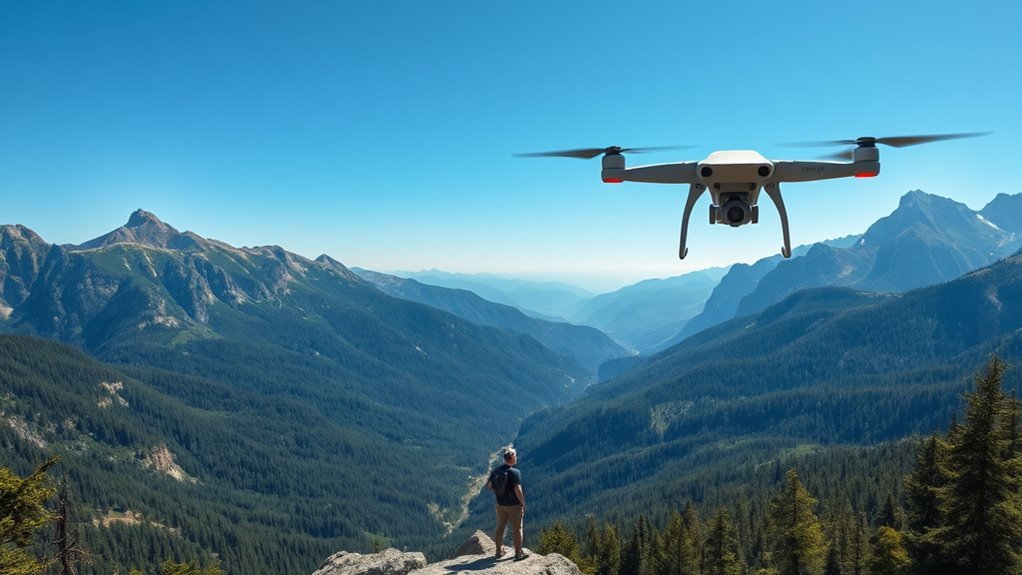
When considering drone usage in national parks, it’s essential to understand the general restrictions imposed by the National Park Service. These regulations often prohibit flying drones in many areas to protect wildlife and preserve the natural experience for visitors. However, special use permits may be available for specific activities, allowing limited drone operations under controlled conditions.
General Drone Restrictions
Although many may find the use of drones in national parks appealing for capturing stunning aerial footage, the National Park Service (NPS) enforces strict regulations governing their operation. These restrictions are in place to mitigate potential wildlife impact and preserve the natural beauty of the parks. Here are some key points to reflect upon:
- Drones are generally prohibited in all national parks.
- Operating drones may disturb wildlife and their habitats.
- Drone technology must not interfere with other visitors’ experiences.
- Night flying is typically not permitted.
- Violations can result in fines or confiscation of equipment.
Understanding these regulations is essential if you want to respect the environment while enjoying the freedom that drone photography offers.
Special Use Permits
While general drone use is heavily restricted in national parks, there are specific circumstances under which individuals or organizations can obtain permission to operate drones. This permission is granted through special use permits, which park management issues for particular activities that benefit research, education, or film production. To secure a special use permit, you’ll need to submit a detailed application outlining your intended drone operations, including safety measures and potential impacts on wildlife and visitors. The review process can be rigorous, as park management assesses the compatibility of your request with park regulations and conservation goals. Ultimately, if granted, these permits can provide you with a unique opportunity to engage with the park environment from a new perspective.
State-Specific Drone Laws
When operating drones in national parks, it’s vital to understand the state-specific laws that may apply. Each state has its own restrictions and permitting requirements that can affect your drone use. Familiarizing yourself with these regulations is fundamental to guarantee compliance and avoid potential legal issues.
State Drone Restrictions
As drone usage becomes increasingly popular, understanding state-specific restrictions is vital for enthusiasts and professionals alike. Each state has its own laws that can greatly affect how you operate your drone. State drone enforcement varies widely, and local drone ordinances add another layer of complexity. It’s important to familiarize yourself with these regulations to avoid legal complications. Here are some common state drone restrictions you might encounter:
- No-fly zones near airports and military installations
- Limitations on flying over private property
- Restrictions on altitude and distance from the operator
- Requirements for registration and insurance
- Prohibitions on drone use in state parks
Being aware of these rules will help you navigate the freedom of flying your drone responsibly.
Permitting Requirements Overview
Understanding state-specific drone restrictions leads directly to the permitting requirements that govern drone use. Each state has its own permitting types, which can vary greatly. Some states require a simple registration, while others may demand a more detailed application process that includes safety assessments and flight plans. Knowing the specific requirements in your state is vital for compliance and ensuring your freedom to operate drones.
In general, the application process often involves submitting necessary documents, paying fees, and sometimes undergoing a review period. It’s important to stay informed about changing regulations, as non-compliance can lead to fines or restrictions. By understanding these requirements, you can confidently navigate the landscape of drone use in national parks.
Safety Guidelines for Drone Operation
Although flying drones in national parks can enhance your experience by providing unique aerial perspectives, it’s essential to adhere to safety guidelines to guarantee both your safety and the preservation of the park’s natural environment. Prioritizing drone safety helps prevent accidents and protects wildlife. Here are some key guidelines to follow:
Flying drones in national parks offers stunning views, but it’s crucial to follow safety guidelines to protect both yourself and the environment.
- Always maintain visual line-of-sight with your drone.
- Avoid flying over crowds or wildlife to minimize stress and risk.
- Be aware of local weather conditions and adjust your flight plans accordingly.
- Have emergency procedures in place in case of equipment failure or unexpected incidents.
- Follow park regulations and be respectful of other visitors.
Permitted Areas for Drone Flight
Where can you fly your drone in national parks? Unfortunately, most national parks prohibit drone use entirely to protect wildlife and preserve natural beauty. However, some parks might have designated zones where drone flight is permitted. It’s vital to check each park’s specific regulations, as these areas can vary greatly. In these designated zones, you’ll typically find altitude limits you must adhere to—often capped at 400 feet above ground level. Flying within these restrictions not only guarantees compliance but also promotes safety for both your drone and the surrounding environment. Always remember, even within permitted areas, maintaining control and respecting wildlife is fundamental to uphold the integrity of the park experience.
Consequences of Violating Drone Regulations
Flying your drone in national parks comes with strict regulations, and violating these rules can lead to serious consequences. It’s vital to understand these repercussions to maintain your freedom to fly legally. Here’s what you might face if you ignore the regulations:
- Legal consequences: You could be subject to arrest or legal action.
- Financial penalties: Fines may range from hundreds to thousands of dollars.
- Loss of drone equipment: Your drone could be confiscated by authorities.
- Ban from parks: Repeat offenders may face restrictions on future park access.
- Negative impact on wildlife: Your drone could disturb animals, leading to further regulations.
Being informed and compliant guarantees you can enjoy your drone experience while respecting the natural environment.
Best Practices for Responsible Drone Use in Nature
To guarantee a positive experience while operating drones in natural settings, it’s essential that you follow best practices that respect both the environment and fellow park visitors. First, always check local regulations and obtain necessary permits, as adherence promotes wildlife conservation. When flying, maintain a respectful distance from wildlife to avoid causing stress or disruption. Use your drone primarily for aerial photography during designated hours to minimize disturbances, especially since the Dji Mini 2’s camera quality allows for impressive shots without intruding on natural habitats. Additionally, remain aware of other park users; avoid flying in crowded areas. Finally, verify your drone is equipped with technology that reduces noise, preserving the tranquility of nature. By prioritizing these practices, you can enjoy the freedom of drone flying while contributing to the conservation of the beautiful landscapes you cherish. Moreover, it’s crucial to secure appropriate permits to ensure compliance with the U.S. Forest Service regulations.
Frequently Asked Questions
Can I Use My Drone for Commercial Purposes in National Parks?
You can’t just fly your drone commercially in national parks without maneuvering the labyrinth of national park regulations. First, you’ll need commercial drone permits, or you’ll risk hefty fines and lost freedom. Always check the rules!
Are There Specific Times When Drone Flying Is Prohibited?
Yes, there’re specific times when drone flying’s prohibited, particularly during holiday weekends and special events. These restrictions help guarantee safety and preserve the tranquility of the park for all visitors, maintaining a harmonious environment.
How Can I Report Drone Violations in National Parks?
Imagine a bird’s flight interrupted by a drone’s buzz. To report violations, contact park authorities directly, providing details of the drone activity that violates park regulations. Your drone reporting helps protect nature’s serenity for everyone.
What Are the Environmental Impacts of Drone Usage?
Drone usage can lead to ecological disruption, disturbing wildlife habitats and behaviors. Additionally, it contributes to noise pollution, which can negatively affect both animals and visitors seeking tranquility in natural environments, undermining the park experience.
Can I Fly My Drone Near Wildlife or Habitats?
Did you know drone disturbances can affect up to 80% of wildlife behavior? You shouldn’t fly near wildlife or habitats, as it poses risks to their well-being and disrupts habitat protection efforts essential for conservation.
