
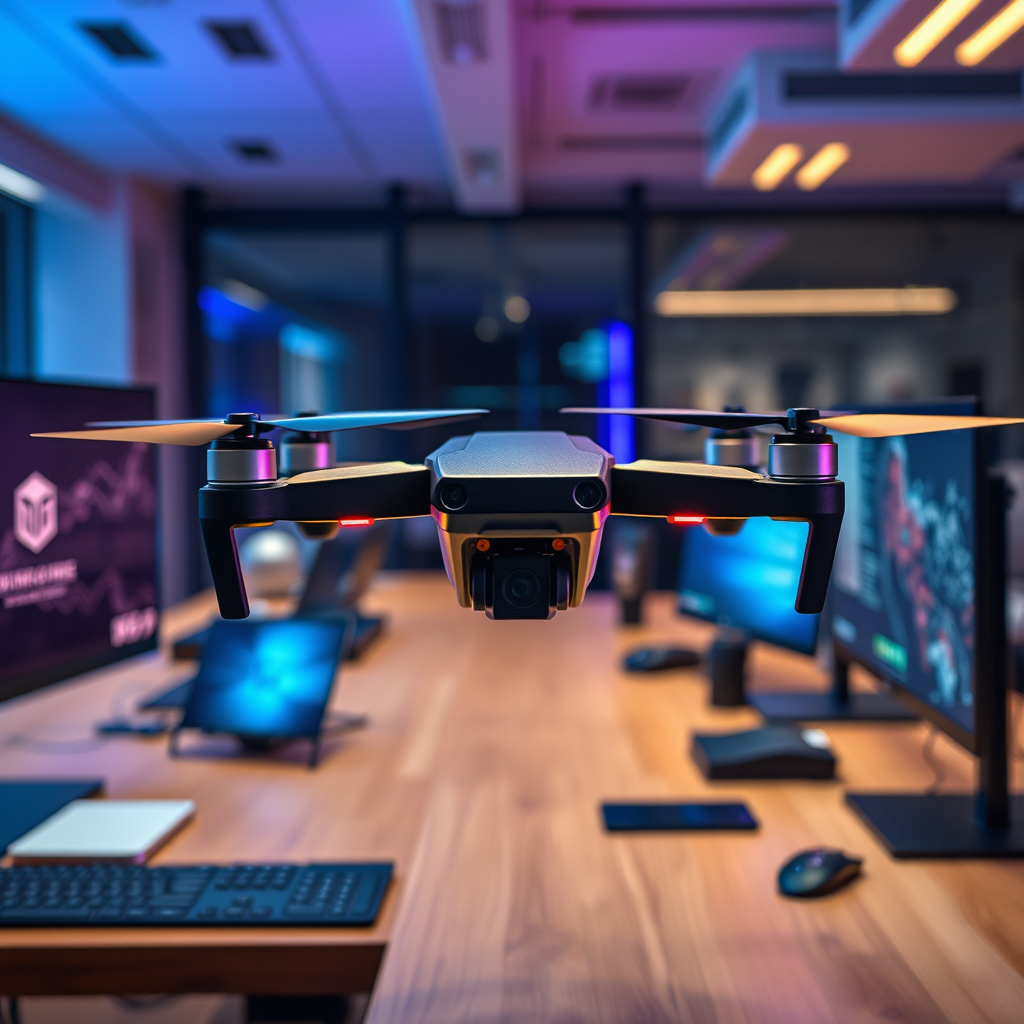
The Hubsan Zino Mini Pro outshines the HoverAir X1 with its impressive 6km FPV range, making it the better choice for aerial photography enthusiasts looking for extended reach. The Zino Mini Pro is designed for those who demand high-quality imagery and extensive flight capabilities, while the HoverAir X1 caters to casual users seeking a straightforward, easy-to-use drone for basic selfie-taking. In this article, we will compare these two lightweight drones, focusing on their features, performance, and suitability for selfie-taking.
Overview of Each Drone
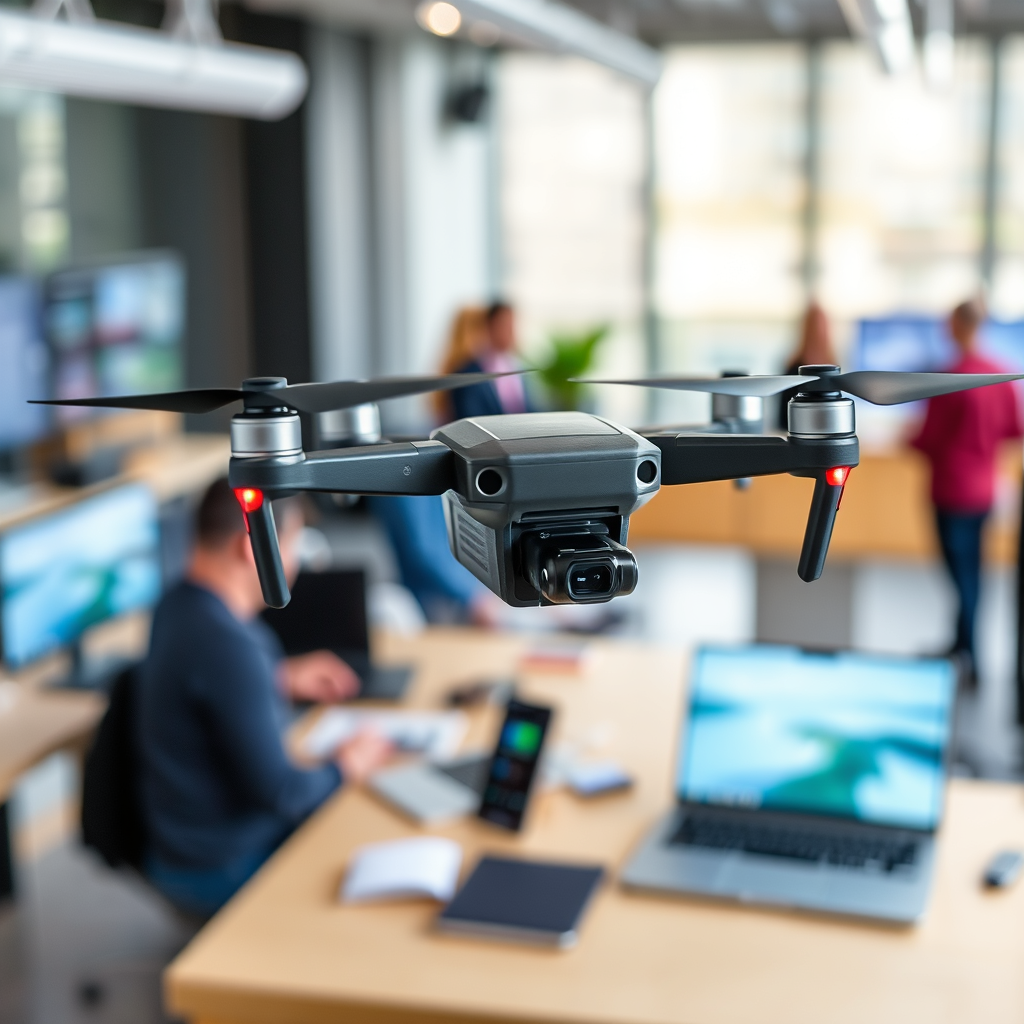
The Hubsan Zino Mini Pro is a compact drone that boasts an impressive 6km FPV (First Person View) transmission range, setting it apart in the market for aerial photography. It is equipped with advanced camera capabilities, allowing for 4K video recording and high-resolution images, making it ideal for serious photographers and videographers. Additionally, it includes intelligent flight modes such as Follow Me and Point of Interest, enhancing its versatility for various shooting scenarios.
Conversely, the HoverAir X1 is designed primarily for casual users, offering a user-friendly experience with a 500m Wi-Fi range. This drone simplifies the flying experience, making it accessible to beginners who may be intimidated by more complex models. The HoverAir X1 features easy controls and a lightweight design, making it a portable option for quick selfies and social media content, though it lacks the advanced features of the Zino Mini Pro.
Design and Build Quality
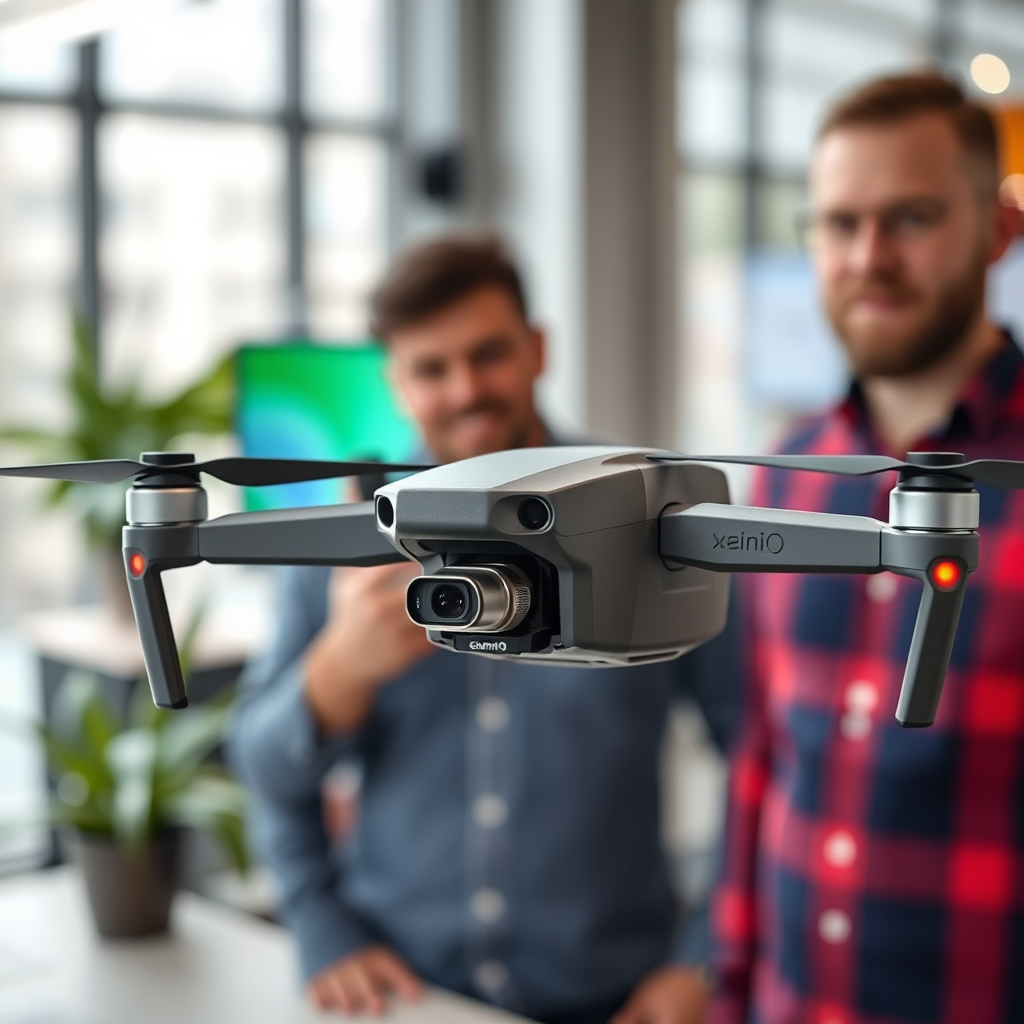
When it comes to design and build quality, the Hubsan Zino Mini Pro stands out with its robust construction and sleek, aerodynamic design. The materials used in its build enhance durability while maintaining a lightweight profile, ensuring stability in flight. This drone is engineered to withstand mild environmental challenges, making it suitable for various outdoor conditions.
In contrast, the HoverAir X1 prioritizes portability and compactness, which makes it an excellent travel companion for casual outings. However, this lightweight design may come at the cost of durability, as it is generally made from less robust materials than the Zino Mini Pro. Users should be cautious with rough handling, as the X1 may not endure significant wear and tear as effectively.
Camera and Imaging Capabilities
The camera and imaging capabilities of the Hubsan Zino Mini Pro are one of its most compelling features. It is equipped with a 4K camera that captures high-quality images and videos with stunning clarity, even at long distances. The ability to shoot in 4K is particularly advantageous for content creators and professionals who require high-resolution footage for their projects. Additionally, the Zino Mini Pro supports HDR (High Dynamic Range) photography, providing enhanced detail in both shadows and highlights.
On the other hand, the HoverAir X1 features a basic 1080p camera that is adequate for casual selfies and social media posts but falls short in comparison to the Zino Mini Pro. While the X1’s camera performs reasonably well in good lighting conditions, it lacks the advanced features and quality needed for professional photography or videography. Users looking for serious imaging capabilities will likely find the X1 insufficient for their needs.
Flight Range and Connectivity
In terms of flight range and connectivity, the Hubsan Zino Mini Pro excels with its remarkable 6km FPV transmission. This extensive range allows users to control the drone from a considerable distance, providing more opportunities for creative aerial shots and exploration without losing connection. The FPV capability also enables real-time video streaming, enhancing the flying experience and allowing for precise navigation during flights.
In stark contrast, the HoverAir X1 is limited to a 500m Wi-Fi range. While this is sufficient for casual flying, it significantly restricts shooting opportunities and aerial exploration compared to the Zino Mini Pro. The Wi-Fi connectivity may also experience interference in crowded areas, which could further impact performance. For users looking to maximize their aerial photography experience, the limited range of the X1 can be a major drawback.
Battery Life and Performance
When evaluating battery life and performance, the Hubsan Zino Mini Pro again takes the lead. It offers impressive flight times of up to 40 minutes on a single charge, depending on flying conditions and usage. This extended battery life enhances usability during outings, allowing for longer flights and more opportunities to capture stunning imagery.
In contrast, the HoverAir X1 has a shorter battery life, typically around 15-20 minutes. This limitation can be frustrating for users who wish to engage in longer flights or take multiple shots. The shorter battery life may necessitate more frequent recharging and could limit the overall experience for those looking to maximize their time in the air.
User Experience and Control Options
The user experience and control options for the Hubsan Zino Mini Pro are designed to cater to both beginners and experienced pilots. It features advanced controls and a comprehensive app that allows for seamless navigation and customization of flight settings. The app provides real-time telemetry data, enabling users to monitor battery life, altitude, and distance, which is crucial for strategic flying.
In contrast, the HoverAir X1 is equipped with simple controls that are ideal for beginners. Its intuitive interface makes it easy to fly, but this simplicity comes at the price of advanced settings and customization options. While the X1 is appropriate for those new to drone flying, more experienced pilots may find it lacking in features that enhance the flying experience.
Pricing and Value for Money
In terms of pricing and value for money, the Hubsan Zino Mini Pro is positioned at a higher price point, reflecting its superior features, performance, and capabilities. For serious drone enthusiasts and professionals, the investment in the Zino Mini Pro is justified by its advanced imaging technology and extended flight range, making it a worthwhile purchase.
On the other hand, the HoverAir X1 is a budget-friendly option that appeals to casual users who are looking for an affordable drone for basic selfie needs. While it may not satisfy those seeking advanced features, its lower price makes it an attractive choice for newcomers to the hobby. Users should consider their specific requirements and how often they plan to use the drone when evaluating value for money.
The Hubsan Zino Mini Pro clearly stands out with its superior range, camera quality, and overall performance, making it the optimum choice for serious drone enthusiasts. It offers advanced features that cater to those who value high-quality imagery and extensive flight capabilities. Meanwhile, the HoverAir X1 serves well for casual users looking for an easy-to-use drone for basic selfie needs. Ultimately, potential buyers should weigh their specific requirements and budget before making a decision, ensuring they select the drone that best fits their aerial aspirations.
Frequently Asked Questions
What are the key differences between the Hubsan Zino Mini Pro and the HoverAir X1?
The Hubsan Zino Mini Pro boasts a significant advantage with its 6km FPV (First Person View) range, allowing for extensive flight distance and enhanced aerial photography capabilities. In contrast, the HoverAir X1 is limited to a 500m Wi-Fi range, making it more suitable for casual users who prefer close-range selfies and simpler operations. Additionally, the Hubsan Zino Mini Pro features a 4K camera with advanced stabilization, while the HoverAir X1 focuses on lightweight design and portability.
How does the camera quality of the Hubsan Zino Mini Pro compare to that of the HoverAir X1?
The Hubsan Zino Mini Pro offers superior camera quality with its 4K resolution at 30 frames per second, ensuring sharp, high-definition images and smooth video capture. It also includes advanced features like HDR and a 3-axis gimbal for stabilization, making it ideal for professional-quality shots. On the other hand, the HoverAir X1 typically features a lower resolution camera, which may suffice for casual selfies but lacks the advanced capabilities of the Hubsan, making it less suitable for serious photography.
Why should I consider the flight range when choosing between the Hubsan Zino Mini Pro and HoverAir X1?
The flight range is crucial as it directly impacts how far you can fly the drone and how effectively you can capture images and videos from various distances. The Hubsan Zino Mini Pro’s impressive 6km FPV range allows for expansive exploration and dynamic shots from high altitudes, making it appealing for hobbyists and content creators. Conversely, the HoverAir X1’s 500m range is more limiting and may restrict your ability to capture unique perspectives, making it better suited for those who prioritize ease of use over extensive flight capabilities.
Which drone is better for beginners: Hubsan Zino Mini Pro or HoverAir X1?
For beginners, the HoverAir X1 may be the better choice due to its simpler controls and lightweight design, making it more manageable for first-time users. Its limited range of 500m also helps new pilots stay within sight, reducing the risk of losing the drone. However, if a beginner is willing to invest time in learning, the Hubsan Zino Mini Pro offers more advanced features and greater potential for skill development, making it a long-term option as users become more experienced.
What are the weight and portability differences between the Hubsan Zino Mini Pro and the HoverAir X1?
The HoverAir X1 is designed to be lightweight and compact, making it highly portable and easy to carry, which is ideal for casual outings and travel. In comparison, while the Hubsan Zino Mini Pro is also relatively lightweight, it is slightly bulkier due to its advanced features and battery life, which may make it less convenient for users seeking maximum portability. If ease of transport is a primary concern, the HoverAir X1 is likely the better option, whereas the Hubsan Zino Mini Pro offers more capabilities for those willing to manage a slightly larger drone.
References
- Drone
- https://www.theguardian.com/technology/2021/jun/01/the-rise-of-the-drone-what-you-need-to-know
- drones | TechCrunch
- https://www.sciencedirect.com/topics/engineering/unmanned-aerial-vehicle
- https://www.nytimes.com/2020/11/09/technology/drones-delivery.html
- Unmanned Aircraft Systems (UAS) | Federal Aviation Administration
- https://www.wired.com/story/what-is-a-drone/
