

When it comes to selecting the right UAV for your operational needs, the Intel Falcon 8+ and Anzu Raptor T offer distinct advantages tailored to specific applications. The Falcon 8+ is designed for precision in urban environments with a reliable 1km radio range, while the Raptor T boasts an impressive 7km range, enhancing its versatility in larger settings. This article delves into their specifications, performance metrics, and ideal use cases to ensure you make an informed decision that aligns with your operational requirements.
Overview of Intel Falcon 8+

The Intel Falcon 8+ is engineered for precision and reliability, making it an ideal choice for applications ranging from surveying and mapping to inspection and monitoring. Its design focuses on stability and accuracy, featuring a robust octocopter configuration that ensures it can handle various payloads and environmental conditions with ease.
Advanced features of the Falcon 8+ include automated flight planning that simplifies the mission preparation process, allowing operators to focus on data collection rather than navigation. The drone’s real-time data processing capabilities enable immediate analysis, which is crucial for applications requiring swift decision-making, such as emergency response or infrastructure inspection. Its compact size and lightweight construction further enhance its maneuverability in confined urban spaces, making it a go-to option for tasks that demand precision.
Overview of Anzu Raptor T
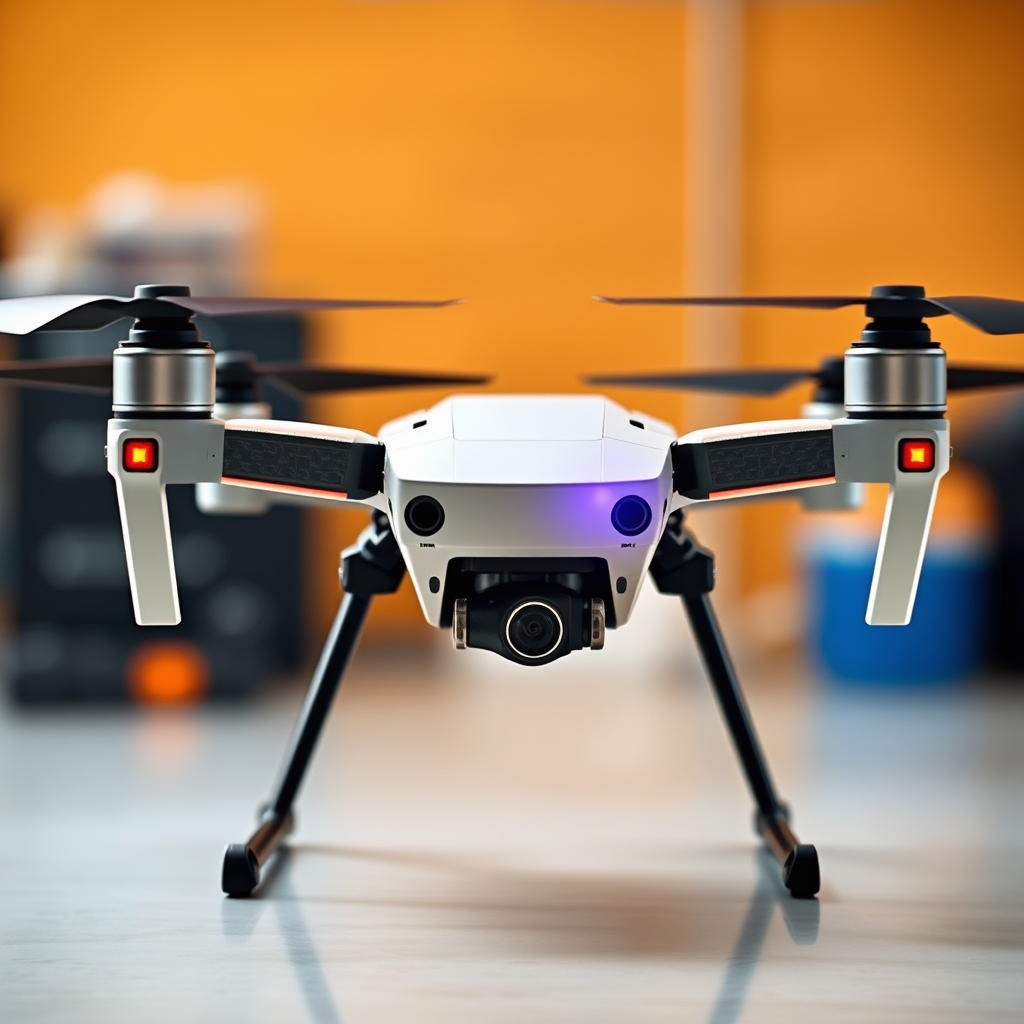
In contrast, the Anzu Raptor T is known for its long-range capabilities and exceptional versatility, positioning it as a strong contender for industrial applications that require extensive area coverage. Its advanced design allows it to operate effectively in diverse environments, from rural landscapes to complex urban settings.
The Raptor T is equipped with superior sensors, including high-resolution cameras and multi-spectral imaging tools, making it suitable for agricultural monitoring, environmental assessments, and large-scale infrastructure inspections. Moreover, its ability to carry various payload options, including thermal and LiDAR sensors, allows users to customize the drone for specific missions. This adaptability, combined with its impressive 7km operational range, enhances its effectiveness in larger projects where extended autonomy and data collection over vast areas are required.
Comparison of Radio Ranges
The radio range of a UAV has significant implications for its operational capabilities. The Intel Falcon 8+ operates effectively within a 1km range, which is particularly advantageous in urban environments where obstacles such as buildings and trees can disrupt signals. This shorter range allows for precise control and immediate data transmission, making it ideal for applications such as detailed inspections of urban infrastructure, where close proximity is often necessary.
Conversely, the Anzu Raptor T’s 7km range enhances operational flexibility across larger areas. This extended range is particularly beneficial for agricultural monitoring, where vast fields require comprehensive data collection without the need for frequent repositioning. Additionally, the Raptor T’s long-range capability allows it to perform surveillance tasks over extensive industrial sites or natural landscapes, reducing the number of flights required to cover large areas and increasing overall efficiency.
NDAA Compliance and Industrial Use
NDAA (National Defense Authorization Act) compliance is crucial for organizations engaged in government contracts or sensitive operations. Both the Intel Falcon 8+ and Anzu Raptor T are designed to meet NDAA requirements, ensuring that they are suitable for use in secure environments. This compliance not only assures users of the drones’ integrity but also enhances their appeal in industrial and governmental sectors.
The Falcon 8+ meets NDAA standards through its secure data transmission protocols, which protect sensitive information collected during operations. Similarly, the Raptor T is equipped with features that ensure data security, making it compliant for use in both government and private sectors that prioritize secure operations. The significance of NDAA compliance cannot be understated, as it ensures that both drones can be utilized confidently across various industries, including defense, energy, and construction.
Performance Analysis in Real-World Scenarios
Assessing the performance of both drones in varied environmental conditions reveals distinct strengths tailored to specific applications. The Falcon 8+ has been successfully utilized in urban settings for infrastructure inspections, where its precision and ability to navigate tight spaces are invaluable. For example, its deployment in monitoring bridge conditions has allowed inspectors to gather critical data without the need for scaffolding or other intrusive methods, thereby saving time and resources.
On the other hand, the Anzu Raptor T has demonstrated its effectiveness in agricultural settings, where its long-range capabilities allow it to conduct extensive crop assessments. Case studies have shown that farmers using the Raptor T can monitor irrigation systems and crop health over large fields with minimal flight time. Its ability to carry multi-spectral sensors has enabled users to assess plant health more effectively, ultimately leading to increased yields and better resource management.
Cost Considerations and Budget Implications
When evaluating the financial aspects of both UAVs, it is essential to consider not only the initial purchase price but also the long-term value and return on investment (ROI). The Intel Falcon 8+ typically falls within a moderate price range, making it accessible for smaller businesses or organizations that require high precision without extensive operational demands. Its durability and efficiency in specific tasks can lead to cost savings in labor and time, ultimately providing a favorable ROI.
In contrast, the Anzu Raptor T is generally priced higher due to its advanced capabilities and long-range functionality. However, for businesses that operate on a larger scale, the investment may be justified by the drone’s ability to cover extensive areas and conduct comprehensive data collection in fewer flights. Additionally, the versatility of the Raptor T allows for a broader range of applications, potentially opening new revenue streams for organizations willing to invest in its capabilities.
User Feedback and Expert Opinions
User feedback and expert reviews play a crucial role in understanding the real-world performance of both drones. Users of the Intel Falcon 8+ often praise its reliability in urban settings, particularly highlighting its ease of use and precision in data collection. Testimonials frequently mention its effectiveness in infrastructure inspections and emergency response scenarios, where swift deployment and accurate data are paramount.
Experts in the UAV industry have also weighed in, noting that while the Falcon 8+ is exceptional for focused tasks, the Anzu Raptor T is often favored for larger projects requiring extensive area coverage. Reviews of the Raptor T highlight its user-friendly interface and adaptability, making it a strong choice for businesses looking to enhance their operational capabilities. Industry professionals recommend evaluating specific operational needs carefully, as both drones offer unique advantages depending on the context of their use.
The Intel Falcon 8+ and Anzu Raptor T each bring unique strengths to the table, catering to different operational needs within the UAV industry. While the Falcon 8+ is ideal for shorter, precision tasks, the Raptor T’s extended range makes it suitable for larger projects. Understanding their differences can guide your decision on which drone best fits your specific use case, so consider your operational requirements carefully before making a choice.
Frequently Asked Questions
What are the key differences between the Intel Falcon 8+ and the Anzu Raptor T in terms of range and capabilities?
The Intel Falcon 8+ offers a robust 1km radio range, making it suitable for close-range applications such as surveying and inspection, while the Anzu Raptor T boasts an impressive 7km range, ideal for industrial applications requiring extended coverage. The Falcon 8+ is known for its high-precision sensors and stability, whereas the Raptor T is designed for endurance and versatility, appealing to users needing long-distance data collection and monitoring.
How does the NDAA compliance affect the choice between the Falcon 8+ and the Anzu Raptor T?
The National Defense Authorization Act (NDAA) compliance is crucial for government and defense contractors, as it restricts the use of certain foreign-made technologies. The Anzu Raptor T is marketed as NDAA-compliant, making it a safer choice for users in regulated industries. On the other hand, while the Intel Falcon 8+ is not specifically labeled as NDAA-compliant, it’s essential for users to verify the specific configurations and suppliers to ensure compliance with their operational requirements.
Why should I consider the Intel Falcon 8+ for industrial applications despite its shorter range?
The Intel Falcon 8+ excels in high-precision applications thanks to its advanced imaging sensors and stability in challenging environments. Its shorter 1km range is offset by superior data quality and reliability, making it ideal for detailed inspections, mapping, and surveying tasks where accuracy is paramount. If your projects demand high fidelity in data collection rather than long-distance operations, the Falcon 8+ is a compelling choice.
Which UAV is better for long-distance surveillance: Intel Falcon 8+ or Anzu Raptor T?
For long-distance surveillance, the Anzu Raptor T clearly stands out due to its impressive 7km operational range. This extended range allows for broader coverage and monitoring capabilities, making it suitable for applications such as environmental assessments and infrastructure inspections over large areas. Conversely, the Falcon 8+ serves better for localized surveillance where high-resolution imagery and data accuracy are more critical than range.
What factors should I consider when choosing between the Intel Falcon 8+ and the Anzu Raptor T for my specific needs?
When choosing between the Falcon 8+ and the Raptor T, consider factors such as the operational range required, the type of data you need to collect, and your compliance needs regarding NDAA regulations. Additionally, evaluate the UAV’s payload capabilities, flight stability, and sensor quality based on your industry requirements. Assessing the specific use case—whether for industrial inspections, mapping, or surveillance—will help determine which UAV aligns best with your objectives.
References
- https://en.wikipedia.org/wiki/Comparison_of_drones
- https://www.reuters.com/technology
- https://www.nytimes.com/technology
- BBC Technology | Technology, Health, Environment, AI
- https://www.techcrunch.com/
- https://www.wired.com/tag/drone/
- https://www.sciencedirect.com/topics/engineering/drones
- https://www.nasa.gov/mission_pages/technology/drones.html
- Unmanned Aircraft Systems (UAS) | Federal Aviation Administration
- https://www.airforce.com/drones
