
When it comes to drone technology, the Intel Shooting Star 2 and Autel EVO II Dual 640T stand out for their specialized applications in aerial entertainment and thermal imaging, respectively. While the former is perfect for creating stunning visual displays with swarm technology, the latter excels in critical industrial applications with its advanced thermal imaging capabilities. This article delves into the strengths and weaknesses of each drone, comparing their operational ranges and functionalities to help you identify which is best suited for your needs.
Overview of the Intel Shooting Star 2
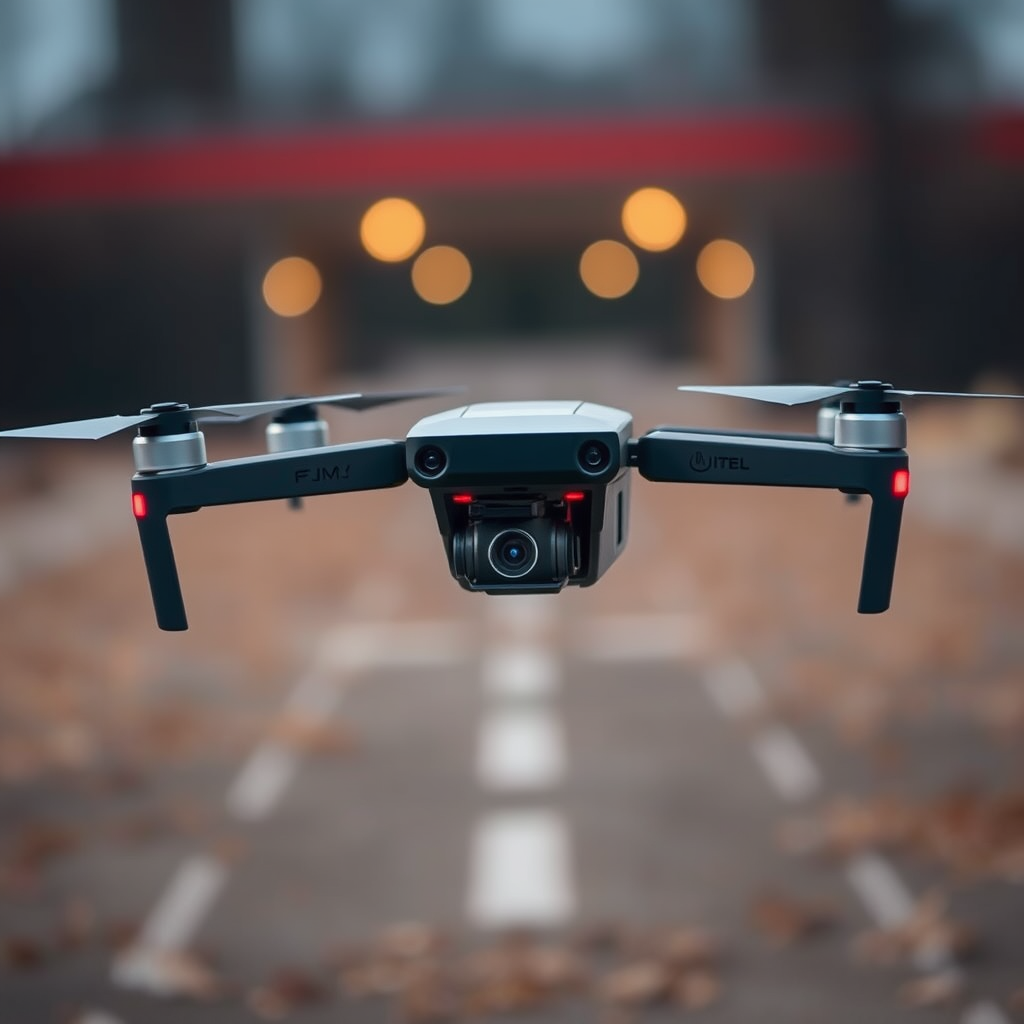
The Intel Shooting Star 2 is a drone specifically engineered for aerial shows and swarm performances. Its design integrates advanced light display capabilities, allowing for the synchronization of multiple drones to create breathtaking visual effects in the sky. With a maximum operational range of 1 km, the Shooting Star 2 is optimized for short-range displays, making it ideal for entertainment settings such as concerts, festivals, and corporate events. The drone’s lightweight frame and easy-to-use software ensure that performers can choreograph intricate light shows with relative ease, enhancing the audience’s experience. Furthermore, the Intel Shooting Star 2 has a rapid deployment feature that allows for quick setup and takedown, which is essential for events that require flexibility and speed.
Overview of the Autel EVO II Dual 640T
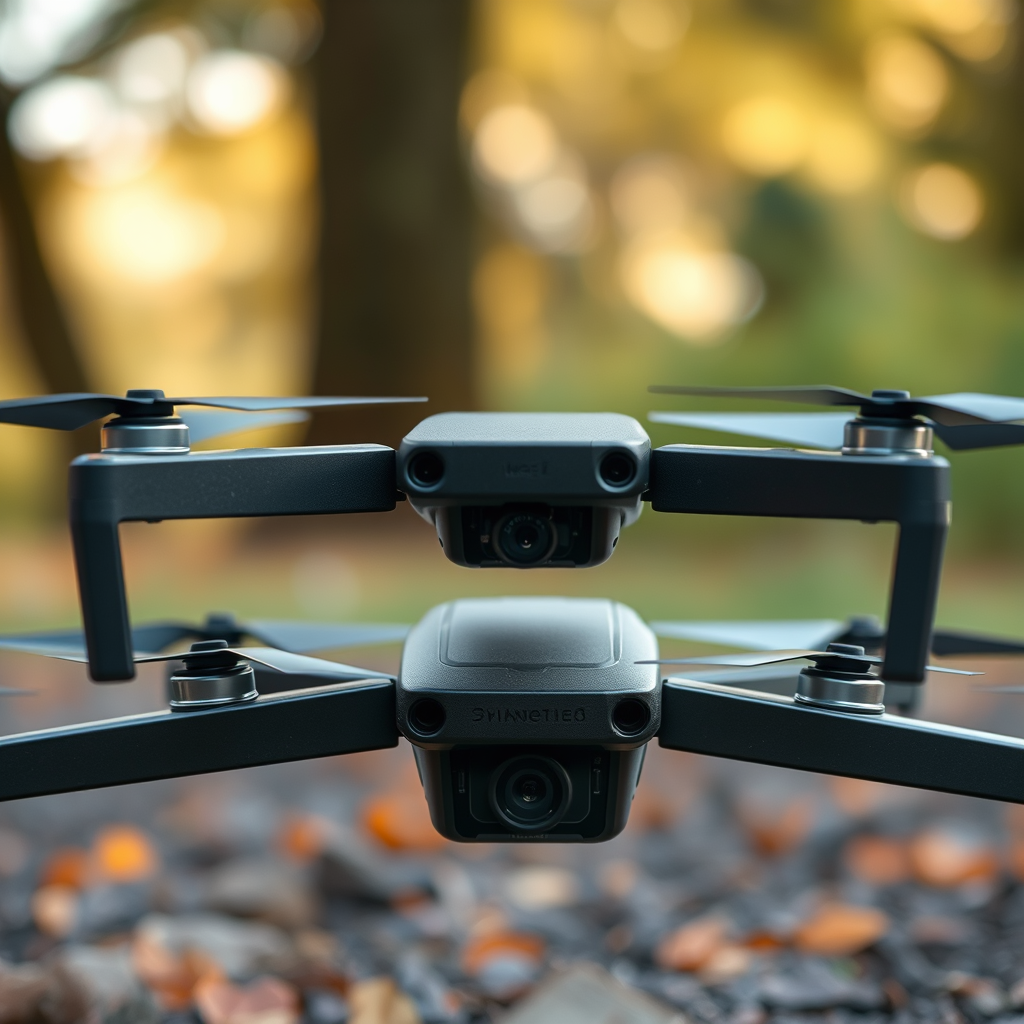
In stark contrast, the Autel EVO II Dual 640T is primarily focused on thermal imaging, boasting an impressive operational range of up to 12 km. This drone is equipped with dual sensors that facilitate both visual and thermal imaging, making it a versatile choice for various applications. Its high-resolution thermal camera is particularly valuable for nighttime operations and low-visibility situations, enhancing situational awareness for users. The EVO II Dual 640T is commonly employed in industrial fields, including agriculture, surveying, and search-and-rescue operations. Its ability to cover vast areas with high detail allows for comprehensive inspections and assessments, positioning it as a crucial tool for professionals who rely on accurate data collection and analysis.
Key Comparison: Operational Range
One of the most significant differentiators between the Intel Shooting Star 2 and the Autel EVO II Dual 640T is their operational ranges. The Shooting Star 2 operates effectively at a maximum of 1 km, making it well-suited for localized performances that do not require extensive coverage. This short-range capability is ideal for controlled environments where audiences can be positioned to get the best view of the aerial displays. Conversely, the Autel EVO II Dual 640T excels with its remarkable 12 km range, allowing for extensive coverage in critical applications. This long-range capability enables operators to conduct thorough inspections of large properties or search areas, making it especially beneficial for industries where data accuracy over distance is paramount.
Thermal Imaging Capabilities
The thermal imaging capabilities of these two drones represent another area of stark contrast. The Intel Shooting Star 2 does not incorporate thermal imaging technology. Instead, it focuses solely on visual displays, utilizing LED lights to create captivating performances. While this specialization is advantageous for entertainment purposes, it limits the drone’s applicability in situations requiring thermal data. On the other hand, the Autel EVO II Dual 640T features a state-of-the-art thermal camera with high-resolution imaging, which is crucial for nighttime and low-visibility operations. This capability allows users to detect heat signatures, making it invaluable for tasks such as locating missing persons, assessing infrastructure integrity, and monitoring wildlife. The high-definition thermal imagery enhances situational awareness, ensuring that operators can make informed decisions based on the data provided.
Swarm Technology vs. Thermal Imaging
Swarm technology, as exemplified by the Intel Shooting Star 2, offers unique benefits in the realm of coordinated performances. The ability to synchronize multiple drones creates dynamic displays that can be choreographed to music, lighting, and storytelling elements, engaging audiences in a way that static displays cannot. This technology allows event planners to push creative boundaries, setting new standards for aerial entertainment. Conversely, thermal imaging, as offered by the Autel EVO II Dual 640T, enhances situational awareness and safety across various operational fields. The ability to visualize temperature differentials is crucial for tasks such as identifying hotspots in electrical equipment, assessing crop health in agriculture, and conducting search and rescue missions under challenging conditions. Each technology serves its purpose, highlighting the importance of selecting the right tool based on the desired outcome.
Use Cases and Applications
The Intel Shooting Star 2 shines in scenarios where artistic expression and audience engagement are priorities. It is used extensively in entertainment venues, sporting events, and festivals, providing stunning visual spectacles that captivate viewers. For example, during the opening ceremony of the 2018 Winter Olympics, Intel’s Shooting Star drones created a breathtaking display that dazzled audiences worldwide. In contrast, the Autel EVO II Dual 640T finds diverse applications in industries that require precise data collection and analysis. Its use in agriculture can optimize crop yields through detailed thermal imaging that identifies areas needing water or nutrients. In emergency response scenarios, the drone can quickly cover large areas to locate missing persons or assess disaster-stricken regions, proving invaluable for search-and-rescue teams. The versatility of the EVO II Dual 640T makes it a vital tool for professionals across various sectors.
Pricing and Availability
When considering pricing, the Intel Shooting Star 2 generally falls into a different category compared to the Autel EVO II Dual 640T. The Shooting Star 2 is often available through event production companies, which may include rental fees as part of a larger package for event management. The costs can vary significantly based on the scale of the drone show and specific requirements. On the other hand, the Autel EVO II Dual 640T is available for purchase directly from retailers and online platforms, typically priced in the mid-to-high range for consumer drones due to its advanced thermal imaging capabilities. Factors contributing to its cost include the quality of its sensors, range capabilities, and additional features such as dual imaging. Availability is generally good, although fluctuations may occur based on demand and supply chain factors. As both technologies continue to evolve, potential upgrades or accessories may become available, enhancing their respective functionalities.
The capabilities of the Intel Shooting Star 2 and Autel EVO II Dual 640T cater to different market needs, highlighting the importance of selecting the right drone for your specific application. The Shooting Star 2 excels in artistic and entertainment-focused scenarios, while the EVO II Dual 640T stands out in professional applications requiring thermal imaging and extensive operational range. Assess your priorities, whether they be artistic, operational, or industrial, and choose the drone that aligns best with your objectives. By understanding the distinctions between these two impressive technologies, you can make informed decisions that best suit your needs.
Frequently Asked Questions
What are the key differences between the Intel Shooting Star 2 and the Autel EVO II Dual 640T for thermal events?
The Intel Shooting Star 2 is designed primarily for synchronized drone light shows, offering an innovative swarm capability for aerial displays. In contrast, the Autel EVO II Dual 640T is a versatile drone with advanced thermal imaging capabilities, ideal for search and rescue operations or industrial inspections. While the Shooting Star 2 focuses on visual performance, the EVO II provides detailed thermal data, making it crucial to choose based on your specific use case.
How does the range of the Autel EVO II Dual 640T compare to the Intel Shooting Star 2 in real-world applications?
The Autel EVO II Dual 640T boasts an impressive SkyLink transmission range of up to 12 kilometers, allowing for extended operational capabilities in various settings. On the other hand, the Intel Shooting Star 2 is optimized for performances within a 1-kilometer range, suitable for tightly controlled event environments. Users must evaluate their operational needs; if long-range thermal imaging is required, the EVO II is the better choice, while the Shooting Star 2 excels in visually captivating shows.
Why would someone choose the Intel Shooting Star 2 over the Autel EVO II Dual 640T for event planning?
The Intel Shooting Star 2 is specifically engineered for light shows, offering a unique feature set that allows for synchronized flying and coordinated light displays among multiple drones. This makes it an ideal choice for event planners looking to create stunning visual spectacles. In contrast, the Autel EVO II Dual 640T, while powerful in thermal imaging, lacks the specialized capabilities for artistic aerial performances that the Shooting Star 2 provides.
Which drone is better for night operations: Intel Shooting Star 2 or Autel EVO II Dual 640T?
For night operations focused on visual displays, the Intel Shooting Star 2 is superior due to its LED lighting system designed to create eye-catching aerial shows. However, if the goal is to conduct thermal imaging or surveillance during nighttime, the Autel EVO II Dual 640T excels with its 640×512 thermal camera, providing enhanced visibility and detail in low-light conditions. Therefore, the best choice depends on whether the primary goal is entertainment or functional thermal imaging.
What are the limitations of the Intel Shooting Star 2 compared to the Autel EVO II Dual 640T?
The Intel Shooting Star 2 is limited to a 1-kilometer operational range and is primarily designed for choreographed light shows, lacking versatile features for other drone applications. Conversely, the Autel EVO II Dual 640T offers a much broader range of functionalities, including high-resolution thermal imaging, obstacle avoidance, and longer flight times. This makes the EVO II more adaptable for various industries such as public safety and inspections, while the Shooting Star 2 is specialized for entertainment purposes.
References
- Drone
- https://www.bbc.com/news/technology-53763105
- https://www.reuters.com/technology/drone-technology-2021-05-01/
- https://www.nytimes.com/2021/04/15/technology/drone-delivery.html
- https://www.sciencedirect.com/science/article/pii/S2352864819301815
- https://www.wired.com/story/drones-future-technology/
- Autel Robotics Enterprise Drone, Quadcopter & UAV for Sale
- drones | TechCrunch
- https://www.nasa.gov/aeroresearch/programs/airspace/technology/drones.html
