
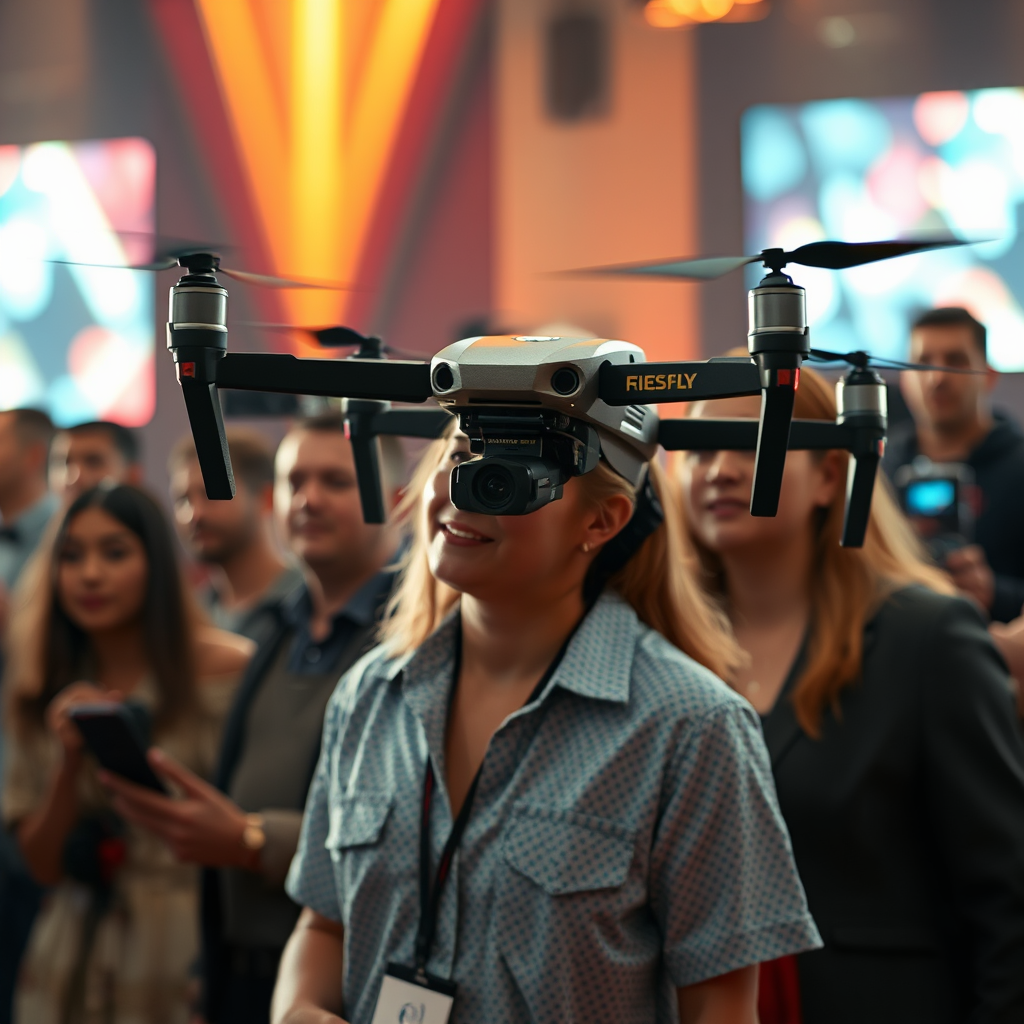
The Intel Shooting Star 2 and Freefly Astro Prime are two industry-leading drones that cater to different aspects of aerial entertainment and event execution. The Shooting Star 2 is ideal for creating captivating drone light shows within a 1km range, thanks to its synchronized swarm capabilities. In contrast, the Freefly Astro Prime excels in versatility and long-distance operations, with a remarkable range of 5km, making it suitable for a variety of enterprise applications. This comparative analysis will delve into their respective features, performance metrics, and overall use cases, providing a comprehensive understanding to help you select the drone that best fits your needs.
Overview of Intel Shooting Star 2
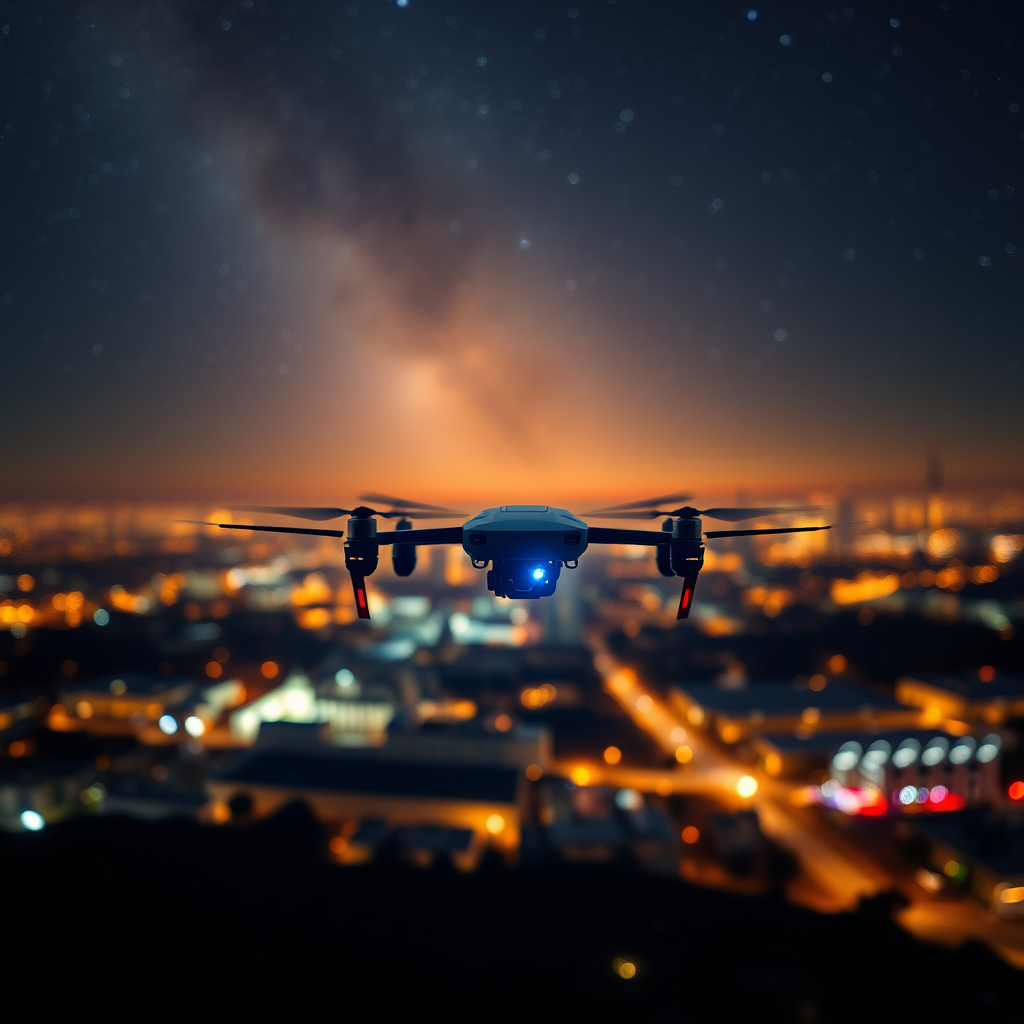
The Intel Shooting Star 2 is a purpose-built drone designed specifically for captivating drone light shows and entertainment experiences. Featuring a unique swarm technology, it can coordinate the movements of hundreds of drones, creating stunning visual displays in the night sky. This drone is particularly effective for events with shorter distance requirements, typically operating within a radius of up to 1km. Its lightweight design allows for agile maneuvers and creative choreography, making it a favorite for urban events, festivals, and large-scale celebrations.
Equipped with LED lights that can display millions of colors, the Shooting Star 2 enhances the visual appeal of performances. The drones can be programmed to execute intricate patterns, shapes, and animations that captivate audiences. Moreover, the Intel Shooting Star 2 is designed with safety in mind, featuring built-in collision avoidance systems and automatic return-to-home capabilities, ensuring reliability during shows.
Overview of Freefly Astro Prime
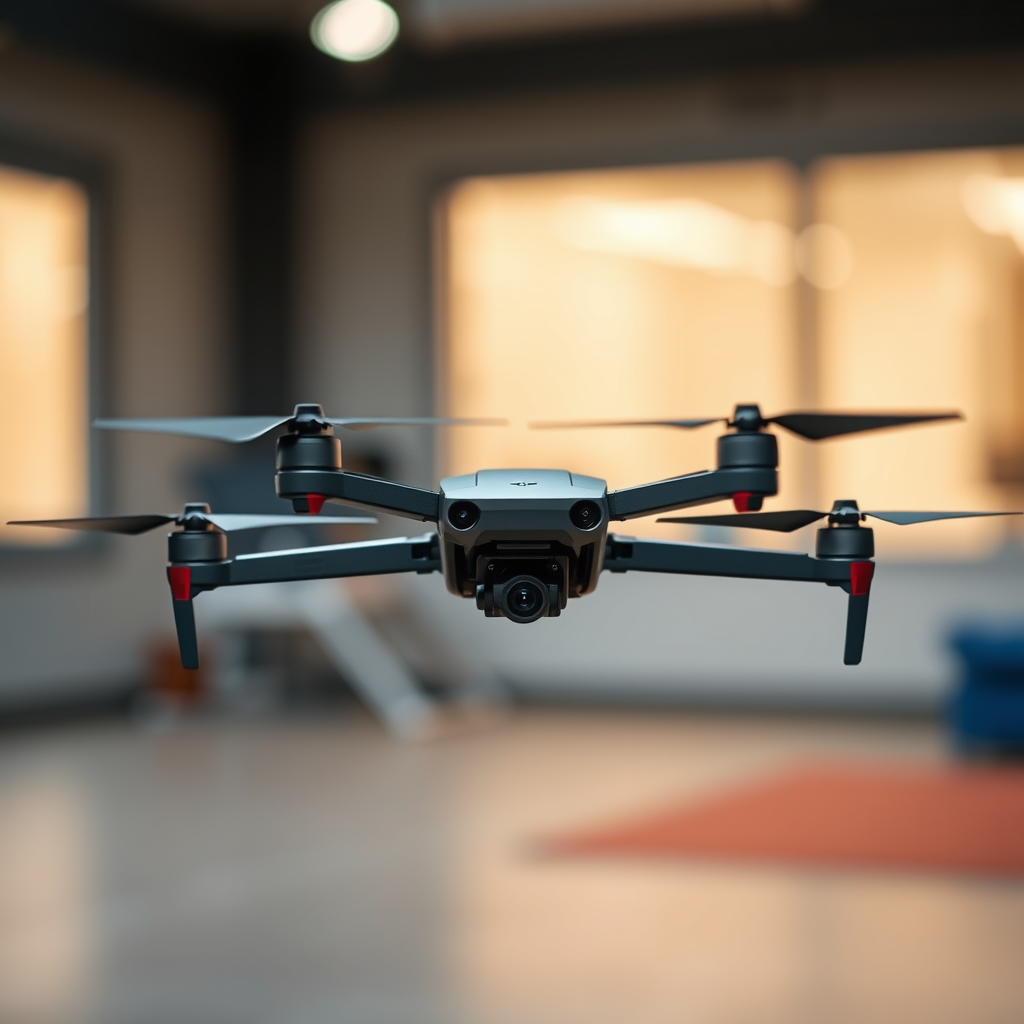
The Freefly Astro Prime is a versatile drone that is designed for a wide range of enterprise applications, including event production, aerial cinematography, and commercial use. One of its standout features is its capability to operate effectively over longer distances, with a radio range of up to 5km. This extended range not only makes it suitable for larger outdoor events but also allows for greater flexibility in deployment scenarios.
The Astro Prime offers a robust payload capacity, enabling the attachment of various equipment such as cameras, sensors, or additional lighting systems. Its modular design allows for customization based on the specific needs of a project, making it an ideal choice for corporate functions, marketing events, and large-scale productions. Additionally, the drone’s advanced flight technology ensures stability and precision, allowing operators to execute complex maneuvers with ease.
Performance Comparison
When comparing the performance of the Intel Shooting Star 2 and Freefly Astro Prime, several key factors come into play: speed, agility, battery life, and synchronization capabilities. The Shooting Star 2 is engineered for rapid, synchronized movements, which is essential for creating visually dynamic light shows. It typically boasts a flight speed of around 15-20 mph, enabling it to perform elaborate patterns quickly.
On the other hand, the Astro Prime prioritizes stability and endurance over sheer speed. It can maintain a steady flight over longer distances, with a flight time of up to 30-40 minutes depending on the payload. This is particularly advantageous for longer events or when capturing high-quality aerial footage. In multi-drone setups, both drones have impressive synchronization capabilities, but the Shooting Star 2’s swarm technology allows for more intricate choreographic designs.
Use Cases for Each Drone
The Intel Shooting Star 2 shines in scenarios that require dazzling visual displays, such as urban events, music festivals, and holiday celebrations. Its ability to create synchronized performances over a limited distance is ideal for settings where audiences are concentrated, allowing for maximum impact. For instance, a city’s New Year’s Eve celebration would benefit significantly from the light show capabilities of the Shooting Star 2.
Conversely, the Freefly Astro Prime excels in larger outdoor events or corporate functions where greater distances are involved. Its robust design and extended range make it suitable for capturing live events from various vantage points or providing aerial coverage for sporting events. For example, a major outdoor concert could leverage the Astro Prime to capture stunning aerial footage while simultaneously broadcasting the event to audiences both on-site and online.
Technical Specifications
When examining the technical specifications of the Intel Shooting Star 2 and the Freefly Astro Prime, several critical differences emerge. The Shooting Star 2 weighs approximately 1.5 kg and has dimensions of around 0.6 meters in diameter. Its operational range is limited to 1km, but it compensates for this with advanced multi-drone coordination capabilities.
In contrast, the Freefly Astro Prime has a heavier build, weighing around 3 kg, with a larger footprint of approximately 1 meter in diameter. Its operational range of 5km allows for a greater distance between the operator and the drone, which is crucial for enterprise-level projects. The Astro Prime can carry payloads of up to 2 kg, making it suitable for various attachments, while the Shooting Star 2 is primarily focused on light displays.
Pricing and Cost Considerations
The pricing structure for both drones varies significantly based on their capabilities and intended use. The estimated cost for acquiring an Intel Shooting Star 2 typically ranges from $100,000 to $200,000, primarily due to its specialized technology for light shows. Additional expenses may include software licenses, training for operators, and maintenance costs.
In contrast, the Freefly Astro Prime is priced in a similar range but may vary based on configuration and customization options. A base model may start around $15,000, but adding advanced features and payload capabilities can raise the cost considerably. Investors should consider the long-term implications of their purchase, as the versatility of the Astro Prime may provide a broader scope of use, potentially justifying the investment through diverse applications.
User Experience and Reviews
User experiences and reviews provide valuable insights into the real-world performance of both the Intel Shooting Star 2 and Freefly Astro Prime. Many users of the Shooting Star 2 praise its ease of use and the breathtaking visual effects it creates, often noting the positive audience reactions during events. However, some criticisms revolve around its limited operational range, which can restrict performance in larger venues.
Conversely, the Freefly Astro Prime has garnered attention for its robust performance and versatility. Users appreciate its reliability during extended operations and the quality of footage captured. However, some operators have noted challenges related to its weight and handling, particularly in windy conditions. Overall, customer satisfaction tends to be high for both drones, reflecting their technological advancements and unique strengths.
The comparison between the Intel Shooting Star 2 and Freefly Astro Prime reveals distinct advantages for each drone. Depending on your specific needs—whether it’s the intricate choreography of a light show or the extended reach of an enterprise event—you can now make an informed decision. Explore further, reach out to vendors, or consider a demo to see which drone aligns best with your vision.
Frequently Asked Questions
What are the key differences between the Intel Shooting Star 2 and Freefly Astro Prime drones for light shows?
The Intel Shooting Star 2 is specifically designed for drone light shows, featuring a swarm capability of up to 1,000 drones that can create stunning visual displays with programmable LED lights. In contrast, the Freefly Astro Prime is geared more towards enterprise applications, boasting a longer radio transmission range of up to 5 kilometers, which is ideal for filming and surveying. The choice between the two largely depends on the intended use—entertainment versus professional filming.
How does the swarm capability of the Intel Shooting Star 2 enhance visual performances?
The swarm capability of the Intel Shooting Star 2 allows for synchronized flight patterns, enabling a large number of drones to work in harmony to create intricate designs and animations in the sky. This technology is essential for achieving dynamic light shows that can be customized for various events, making it a popular choice for entertainment companies looking to create memorable experiences. The precise control and coordination of the drones lead to visually captivating results that leave audiences in awe.
Why is the 5km range of the Freefly Astro Prime significant for enterprises?
The 5km radio transmission range of the Freefly Astro Prime is crucial for enterprises that require extensive coverage for surveying, mapping, or cinematic applications. This extended range allows operators to capture high-quality aerial footage over large areas without the need for frequent repositioning or loss of signal. Additionally, the robust design and reliability of the Astro Prime make it suitable for challenging environments, ensuring consistent performance in various operational scenarios.
Which drone is better suited for outdoor events, the Intel Shooting Star 2 or Freefly Astro Prime?
If the primary goal is to create a captivating light show at outdoor events, the Intel Shooting Star 2 is the better choice due to its specialized design for aerial performances with a large number of drones. However, for outdoor events requiring filming or surveying over a large area, the Freefly Astro Prime would be preferable due to its longer transmission range and versatility in handling various tasks. Ultimately, the best choice depends on the specific needs of the event.
What factors should I consider when choosing between the Intel Shooting Star 2 and Freefly Astro Prime for my project?
When deciding between the Intel Shooting Star 2 and Freefly Astro Prime, consider the primary purpose of your project. If you’re focused on creating visually striking light shows with a large drone swarm, the Shooting Star 2 is ideal. However, if your project involves extended aerial photography or mapping over larger areas, the Astro Prime’s longer range and adaptability will be more beneficial. Additionally, assess factors such as budget, operational environment, and technical expertise required for both drone systems.
References
- Intel Shooting Star
- https://www.sciencedirect.com/science/article/pii/S2352864819300241
- https://www.wired.com/story/what-is-swarm-drone-technology/
- https://www.reuters.com/technology/drones-are-taking-flight-2021-05-20/
- https://www.techcrunch.com/2020/12/17/freefly-systems-releases-the-astro-drone/
- https://www.nytimes.com/2020/01/15/technology/drones-light-shows.html
- https://www.bbc.com/news/technology-54411752
