
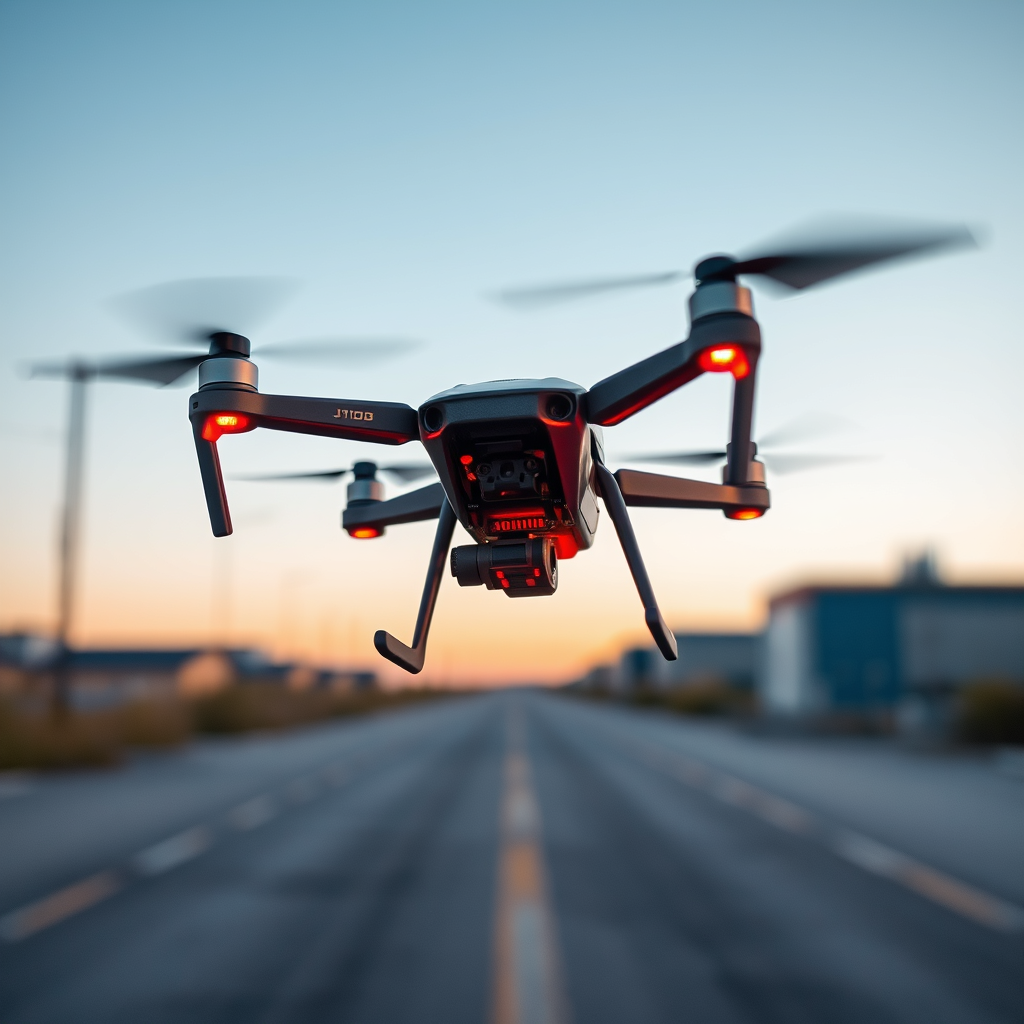
The Autel EVO II Dual 640T clearly outshines the JJRC H106 when it comes to range and thermal imaging capabilities, boasting a remarkable 12km SkyLink connection compared to the H106’s 1km Wi-Fi limit. When deciding on the right drone, it’s essential to consider not only the specifications but also your intended applications. This article will delve into the key differences between these two drones, focusing on their features, performance, and overall value.
Design and Build Quality
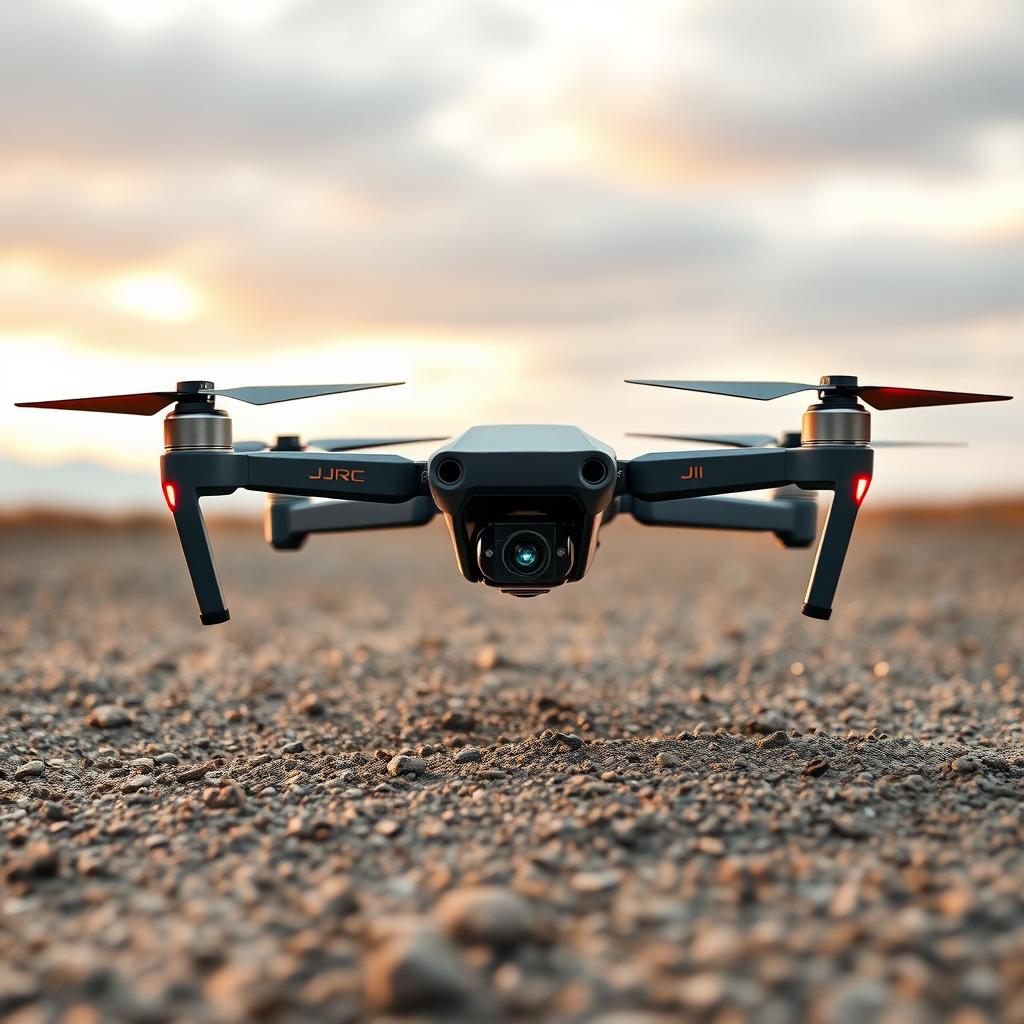
The design and build quality of a drone significantly influence its performance and usability. The JJRC H106 features a lightweight plastic construction, which makes it highly portable and easy to carry. However, this lightweight design may compromise its durability, making it less suitable for rugged environments or inclement weather. For hobbyists or casual users who prioritize ease of transport and simplicity, the H106’s design may suffice.
In contrast, the Autel EVO II Dual 640T is built with a robust, high-quality material that enhances its durability. Its foldable design adds to its portability while ensuring that it can withstand harsher conditions, making it an excellent choice for professional applications. The EVO II’s design is not just about aesthetics; it is engineered for functionality, with a sturdy frame that can endure the rigors of outdoor use, thereby appealing to both commercial drone operators and serious enthusiasts.
Camera and Imaging Capabilities
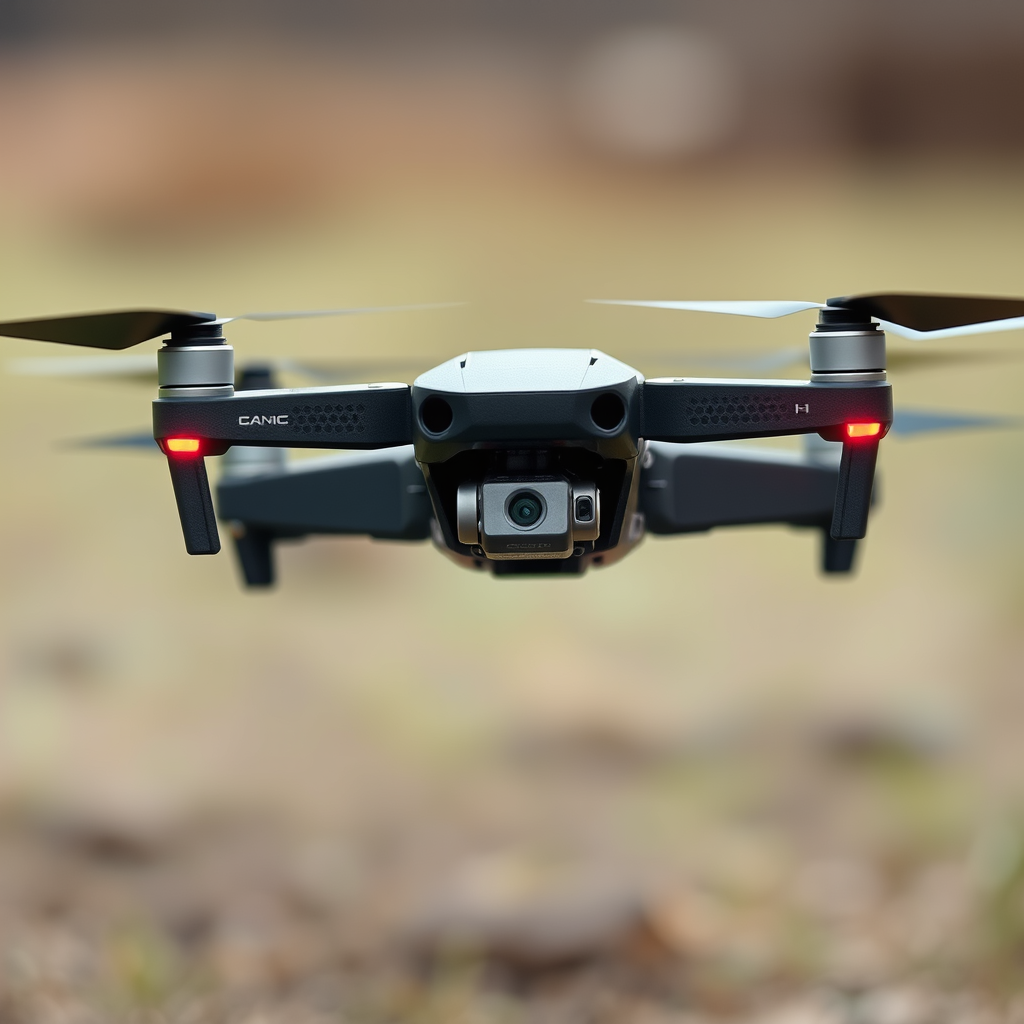
When it comes to camera and imaging capabilities, the JJRC H106 provides basic HD video quality, which is adequate for casual use, such as family outings or simple aerial photography. Its camera is capable of capturing decent imagery but lacks the advanced features that professional users might seek. For those who are primarily interested in recreational flying, the H106 may meet their needs without overwhelming them with complexity.
On the other hand, the Autel EVO II Dual 640T is equipped with dual cameras—one thermal and one visual—allowing it to excel in various professional applications. The thermal camera has a resolution of 640×512 pixels, enabling users to detect heat signatures, which is invaluable for search and rescue operations, building inspections, and agricultural monitoring. The 4K visual camera complements the thermal imaging by providing high-definition video and still photography, making it an ideal choice for industries that require detailed visual documentation. The combination of these two advanced imaging systems allows the EVO II to deliver unparalleled versatility, making it a top choice for professionals.
Flight Range and Connectivity
Flight range is a critical factor when choosing a drone for specific applications. The JJRC H106 operates on a 1km Wi-Fi connection, which significantly limits its operational range. This constraint can be a disadvantage for those looking to explore larger areas or requiring real-time transmission over longer distances. While it may be suitable for short-distance recreational flying, the 1km range can quickly become a limitation.
Conversely, the Autel EVO II Dual 640T utilizes SkyLink technology, achieving an impressive transmission range of up to 12km. This extended connectivity allows for comprehensive coverage during operations, making it ideal for tasks that require extensive surveying or monitoring. The EVO II’s advanced transmission technology ensures stable connectivity even at longer distances, providing users with the confidence to operate in challenging environments without losing control over their drone.
Battery Life and Charging
Battery life is another essential aspect that can influence a drone’s practicality. The JJRC H106 offers moderate flight times, typically ranging between 15 to 20 minutes per charge. While this may be adequate for short recreational flights, users seeking longer operational periods may find themselves frequently recharging the battery, which can disrupt workflow.
In contrast, the Autel EVO II Dual 640T boasts impressive flight times, reaching up to 40 minutes on a single charge. This extended battery life allows for longer missions, reducing downtime and increasing productivity, especially in professional settings. Moreover, the EVO II features efficient charging options, including fast charging capabilities, which can help users quickly prepare for their next flight. The superior battery performance of the EVO II ultimately enhances its value for professionals who require reliable and extended operational time.
User Interface and Control
User interface and control mechanisms play a pivotal role in the overall user experience. The JJRC H106 features a straightforward control interface that is designed with beginners in mind. Its intuitive controls and user-friendly design make it an excellent entry point for those new to drone flying. The simplicity of the interface allows users to focus on enjoying their flying experience without becoming overwhelmed by complex settings.
In contrast, the Autel EVO II Dual 640T includes advanced controls and features tailored for experienced drone operators. The drone’s sophisticated software offers a range of customizable settings, allowing users to fine-tune their flight experience. Features such as automated flight modes, obstacle avoidance, and customizable camera settings cater to professionals who demand precision and control. While the learning curve may be steeper for new users, the extensive capabilities available in the EVO II empower experienced operators to maximize their drone’s potential.
Price and Value
When it comes to price and value, the JJRC H106 is positioned as a budget-friendly option, appealing to casual users or hobbyists looking for an affordable entry into drone flying. Its lower price point makes it accessible for those who wish to explore aerial photography without a significant financial commitment. However, potential buyers should be aware that the lower cost may come with limitations in performance and features.
In contrast, the Autel EVO II Dual 640T is on the higher end of the price spectrum. While it may be more expensive, the superior technology and capabilities justify the investment for professionals and serious enthusiasts. The advanced imaging systems, extended flight range, and robust build quality provide significant value, especially for users who require a drone for commercial applications. Ultimately, the decision between these two drones will depend on individual needs and budget constraints.
Applications and Use Cases
The JJRC H106 is best suited for recreational flying and basic photography, making it an excellent choice for families, hobbyists, or those interested in flying for fun. Its simplicity allows users to capture memorable moments from a unique perspective without the need for in-depth technical knowledge.
On the other hand, the Autel EVO II Dual 640T is tailored for industrial applications, including inspections, search and rescue operations, and thermal imaging tasks. Its advanced capabilities make it ideal for professionals in various fields, such as real estate, agriculture, and public safety. The dual-camera system and extended flight range allow users to perform complex tasks that require precision and high-quality data capture.
In summary, while the JJRC H106 serves well for casual users, the Autel EVO II Dual 640T stands out as a powerful tool for professionals needing advanced features and extended range.
The Autel EVO II Dual 640T is the clear winner for those needing advanced features and extended range, while the JJRC H106 remains a solid choice for beginners or casual users. If you’re looking to make an informed decision, consider your specific needs and budget before purchasing. Whether you prioritize user-friendliness or professional-grade capabilities, understanding the key differences between these two drones is essential for making the right choice for your aerial endeavors.
Frequently Asked Questions
What are the main differences between the JJRC H106 and the Autel EVO II Dual 640T?
The JJRC H106 is a compact, budget-friendly drone designed primarily for casual users, featuring a 1km Wi-Fi range and basic thermal capabilities. In contrast, the Autel EVO II Dual 640T offers advanced features, including a robust 12km SkyLink transmission range and superior thermal imaging capabilities with dual sensors. This makes the EVO II Dual more suitable for professional applications such as search and rescue, inspections, and surveillance, while the JJRC is ideal for hobbyists.
How does the thermal imaging quality compare between the JJRC H106 and the Autel EVO II Dual 640T?
The thermal imaging quality of the Autel EVO II Dual 640T is significantly superior due to its high-resolution sensor, which provides detailed thermal data for various applications. The JJRC H106, while having thermal capabilities, offers lower resolution and performance, limiting its effectiveness in critical tasks. Users needing precise thermal imaging for inspections or emergency response should opt for the Autel EVO II Dual 640T for optimal results.
Which drone is better for long-range operations, JJRC H106 or Autel EVO II Dual 640T?
The Autel EVO II Dual 640T is the clear choice for long-range operations, boasting SkyLink technology that allows for communication over distances up to 12km. In contrast, the JJRC H106 is limited to a 1km Wi-Fi range, making it unsuitable for extensive aerial surveys or operations where distance is a crucial factor. For users requiring long-range capabilities, the EVO II Dual is the more reliable option.
What should I consider when choosing between the JJRC H106 and the Autel EVO II Dual 640T?
When deciding between the JJRC H106 and the Autel EVO II Dual 640T, consider your primary use case, budget, and required features. If you’re a hobbyist looking for an affordable drone with basic thermal capabilities, the JJRC H106 may suffice. However, for professionals needing high-quality thermal imaging, longer ranges, and advanced flight features, the Autel EVO II Dual 640T is a worthwhile investment.
Why is the SkyLink technology in the Autel EVO II Dual 640T important for drone users?
SkyLink technology in the Autel EVO II Dual 640T is crucial for ensuring a stable and reliable connection over long distances, up to 12km. This technology minimizes signal loss and provides a consistent control range, enabling users to conduct comprehensive aerial surveys and missions without worrying about losing connection. For users who require extensive operational capabilities, this feature significantly enhances the drone’s usability and reliability.
References
- Drone
- https://www.reuters.com/technology/drones-are-helping-fight-wildfires-2021-07-02/
- https://www.sciencedirect.com/science/article/pii/S2213138821001605
- https://www.ncbi.nlm.nih.gov/pmc/articles/PMC7066734/
- https://www.wired.com/story/what-is-thermal-imaging/
- drones | TechCrunch
- https://www.nist.gov/news-events/news/2021/08/thermal-imaging-drones-are-helping-us-see-what-we-cant
- https://www.bbc.com/future/article/20200623-what-can-drones-really-do-for-us
- https://www.nationalgeographic.com/science/article/how-drones-are-changing-the-way-we-see-the-world
