

Drones flying over private property are subject to a blend of airspace rights, FAA regulations, and local laws. Generally, landowners don’t have absolute control over the airspace above their property, but they do have certain rights that may be affected by drone activity. Issues of trespass and privacy could arise if drone flights interfere with your reasonable expectations. Understanding these legal nuances is essential to navigate potential conflicts and guarantee responsible drone use. There’s more to discover about legal limitations and implications.
Understanding Airspace and Property Rights
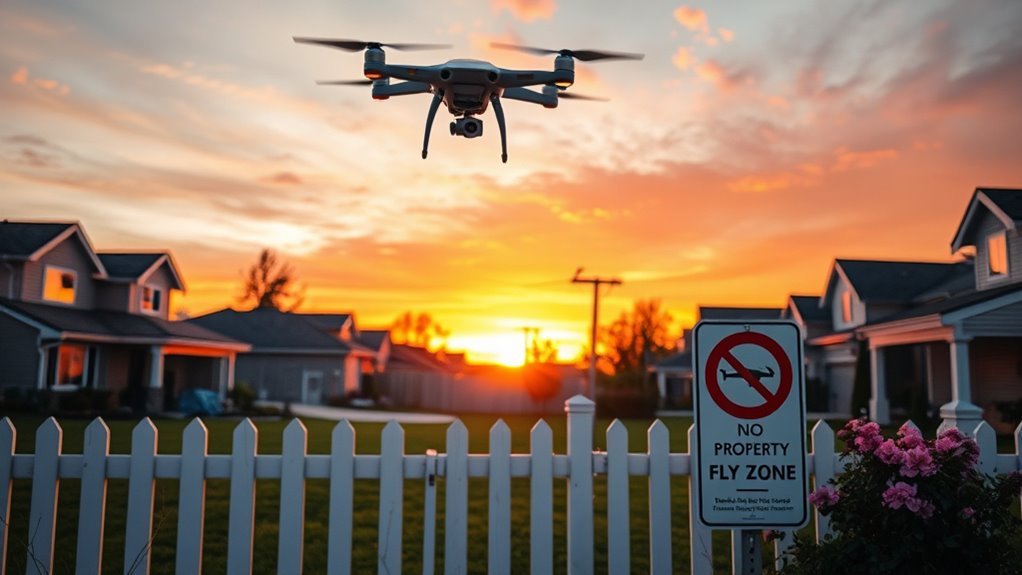
While you might think of airspace as an open expanse above your property, the reality is more complex. Airspace interpretation varies by jurisdiction, often blurring the lines of property boundaries. You may feel entitled to control everything above your land, but legal standards often differ. Generally, landowners possess rights to the space extending to a certain altitude, but this doesn’t grant absolute dominion. The Federal Aviation Administration (FAA) regulates airspace use, which can limit your control. Understanding these nuances is essential for any property owner concerned about drones flying overhead. Balancing your rights with airspace regulations can guide you in traversing this intricate legal landscape, ensuring that your desire for freedom doesn’t conflict with regulatory frameworks.
Federal Aviation Administration (FAA) Regulations
As you navigate the complexities of drone use, it is vital to understand the Federal Aviation Administration (FAA) regulations that govern airspace and UAV operations. The FAA requires drone registration for any unmanned aerial vehicle over 0.55 pounds, ensuring accountability and safety in the skies. These regulations are designed to manage air traffic effectively, preventing accidents and conflicts between drones and manned aircraft. Additionally, it’s important to familiarize yourself with the designated airspace classifications, as they dictate where you can legally fly your drone. Adhering to these regulations not only enhances your flying experience but also protects your rights and freedoms as a drone operator, ensuring you’re operating within the law while respecting the airspace around private properties. Furthermore, understanding local drone regulations is crucial for safe and responsible operation in residential areas.
State and Local Laws Impacting Drone Use
Understanding FAA regulations is just the beginning when it comes to flying drones legally. State regulations and local ordinances can impose additional drone restrictions that vary widely. These laws often include zoning laws that dictate where you can operate, aiming to balance public safety and environmental impact. Enforcement mechanisms may involve fines for non-compliance, so staying informed is vital. Community engagement is essential, as local councils may seek input on noise regulations and other concerns. Liability issues also arise, especially if your drone causes damage or injury. You’ll need to navigate these complexities to guarantee your freedom in flying drones respects both individual rights and the broader community’s interests. Always check for updates in your area to remain compliant.
The Concept of Trespass in Drone Flight
When considering drone flight, it’s essential to understand the distinction between airspace rights and property rights. You need to assess what constitutes a reasonable expectation of privacy for individuals and how this can be affected by drone activity. Legal precedents provide insight into how courts have navigated these issues, shaping the current understanding of trespass in the context of drone use.
Airspace vs. Property Rights
While the regulation of drone flight often highlights airspace as a public resource, the intersection of airspace and property rights introduces complex legal challenges, particularly regarding the concept of trespass. You might assume that flying a drone above your property is permissible, but airspace boundaries can blur ownership rights. Courts are grappling with whether a drone crossing into your airspace constitutes an infringement on your property ownership. The traditional view supports that property rights extend vertically to a certain height, but this is being tested as drone technology evolves. Understanding these nuances is essential; your rights may not be as clear-cut as you think. As drone use increases, so will the necessity of clarifying these legal complexities surrounding trespass and airspace.
Reasonable Expectation of Privacy
As drones increasingly invade personal spaces, the legal concept of a reasonable expectation of privacy becomes critical in determining whether their operation constitutes trespass. You might assume that your backyard, shielded from public view, offers privacy expectations that should be respected. However, aerial surveillance complicates this notion. Courts may evaluate whether the drone’s flight occurs at a height that infringes upon your reasonable privacy. If a drone captures images or data from within your property lines, it could be argued that it crosses the boundary of acceptable observation. Ultimately, the balance between individual privacy rights and technological advancement will shape how we navigate drone usage in the context of trespass, ensuring one’s freedom while acknowledging the realities of aerial intrusion.
Legal Precedents and Cases
Although the legal landscape surrounding drone flight is still evolving, several key precedents have begun to shape the understanding of trespass in this domain. Landmark rulings, such as *United States v. Causby*, highlight how airspace rights extend to a certain altitude, impacting drone operations. In this case study, the court recognized that flights interfering with the use of private property could constitute a trespass. Additionally, courts have grappled with defining what constitutes reasonable airspace, leading to differing interpretations across jurisdictions. As you consider the implications of these rulings, it’s essential to understand that the legal definition of aerial trespass is still in flux, reflecting society’s balancing act between technological advancement and property rights.
Privacy Concerns and Drone Surveillance
In an age where technology increasingly intersects with daily life, the rise of drone surveillance has sparked significant privacy concerns. Many people worry about potential privacy invasion, especially when drones can easily capture images and video without consent. Here are three key issues to reflect upon:
- Lack of Regulation: Current laws often don’t adequately protect individuals from unwanted surveillance.
- Data Misuse: There’s a risk that captured data could be misused by individuals or organizations for malicious purposes.
- Public Awareness: Many aren’t aware of their rights regarding drone surveillance, leaving them vulnerable to privacy invasions.
As drone technology evolves, it’s essential to strike a balance between innovation and protecting personal freedoms against invasive surveillance. This is particularly important given that federal regulations supersede individual claims regarding airspace control.
Special Considerations for Commercial Drone Operators
As a commercial drone operator, you must navigate a complex landscape of regulatory compliance requirements that govern your operations. Understanding privacy concerns and potential liability is vital, as these factors can greatly impact your business. Additionally, adhering to flight permission protocols guarantees that you operate within legal boundaries while minimizing risks.
Regulatory Compliance Requirements
While maneuvering through the complexities of drone operations, commercial operators must adhere to a range of regulatory compliance requirements that guarantee safety and legality. Understanding the relevant regulatory frameworks is essential, but compliance challenges can often arise. Here are three key areas to focus on:
- Licensing: Verify you possess the necessary certifications and permits mandated by aviation authorities.
- Operational Limits: Familiarize yourself with altitude restrictions, no-fly zones, and other operational guidelines specific to your region.
- Reporting Requirements: Stay updated on any mandatory reporting obligations, including incident reporting and maintenance logs.
Privacy Concerns and Liability
Steering through regulatory compliance is just one aspect of operating drones commercially; privacy concerns and liability also play significant roles in ensuring responsible drone use. As you engage in drone surveillance, you must be acutely aware of privacy legislation that governs how and where you can operate. Infringing on someone’s privacy can lead to hefty legal liabilities, not to mention damage your reputation. Understanding the boundaries of acceptable drone use is essential. Make sure to stay informed about local laws and regulations, as they can vary widely. Implementing strict protocols for data collection and storage can help mitigate risks associated with privacy violations. Ultimately, balancing operational freedom with respect for individual privacy is key to maintaining ethical drone practices.
Flight Permission Protocols
Before launching a commercial drone operation, you must navigate various flight permission protocols that guarantee compliance with aviation regulations. Understanding these protocols guarantees you can operate freely and responsibly. Here are key elements to take into account:
- Flight Authorization Processes: Obtain necessary approvals from relevant aviation authorities to guarantee your operation is legally permitted.
- Drone Usage Agreements: Establish clear agreements with property owners regarding drone activities, addressing boundaries and privacy concerns.
- Local Regulations: Familiarize yourself with zoning laws and local ordinances that may affect your flight paths and operational areas.
Neighbor Disputes and Conflict Resolution
As drone technology becomes increasingly common, disputes among neighbors over aerial activities can arise, leading to potential conflicts. Understanding drone etiquette becomes essential in maintaining good neighbor communication and preventing misunderstandings. If you’re using a drone, it’s wise to be considerate of your neighbors’ privacy and preferences. Initiating a conversation can go a long way; let them know when and where you’ll be flying, and listen to any concerns they might have. Should disagreements occur, aim for a calm discussion rather than escalating tensions. Mediation can also be an option if direct communication fails. Ultimately, respecting boundaries and fostering open dialogue can help you navigate neighbor disputes effectively, ensuring that everyone enjoys their property while embracing the freedom that drone technology offers.
Future Trends in Drone Legislation and Property Rights
Conflicts over drone use among neighbors highlight the need for clearer regulations regarding property rights and aerial activities. As emerging technologies continue to advance, legislative challenges will likely arise, demanding a balanced approach. Here are three potential trends in drone legislation:
- Defined Airspace Boundaries: Expect clearer definitions of airspace, detailing what’s considered private property and what isn’t. This may include regulations that are similar to national forest drone regulations to establish boundaries for drone operations.
- Privacy Protections: New laws may emerge to safeguard individuals from invasive drone surveillance.
- Licensing Requirements: As drone use expands, stricter licensing for operators might be implemented to guarantee responsible flying.
Additionally, understanding drone regulations is crucial as these trends could shape how property rights are respected while allowing freedom for drone enthusiasts. It’s vital to stay informed as these regulations evolve to protect both personal rights and technological growth.
Frequently Asked Questions
Can I Shoot Down a Drone Over My Property?
You can’t just shoot down a drone over your property. Drone trespassing laws vary, and while you have property rights, using force may lead to legal consequences. It’s best to explore non-violent solutions first.
What if a Drone Crashes on My Land?
What would you do if a drone suddenly crashed on your land? You may face issues of drone liability and property damage, potentially leading to disputes over responsibility and compensation. Know your rights and options.
Are There Height Limits for Drones in Residential Areas?
Yes, there are height limits for drones in residential airspace. Drone regulations typically cap altitudes at 400 feet to guarantee safety and minimize disturbances, balancing your freedom to fly with community safety concerns.
How Can I Report a Drone Flying Illegally Over My Property?
Diligently document details about the drone’s direction and duration. Then, follow reporting procedures by contacting local authorities or aviation regulators. Protecting your drone privacy is paramount, so ensuring proper action’s taken is essential for peace.
Do I Need Insurance for My Own Drone Use?
When using a drone, you might consider drone insurance for liability coverage. It protects you from potential claims and damages, ensuring your freedom to operate without financial worry. Weigh your risks and benefits before deciding.
