

The LF620 drone positions itself as a well-rounded option for users who want a balance of portability, camera performance, flight stability, and practical smart features. It is designed for hobbyists, travel creators, and casual aerial photographers who need reliable performance without moving into the premium price tier. From its lightweight construction to its GPS-assisted controls, the LF620 aims to deliver a user-friendly flight experience while still offering the technical features most buyers look for in a modern camera drone.
📋 About This Article
This article reviews the LF620 drone and explains what makes it a solid all-around choice for everyday aerial filming. It’s written for hobbyists, travelers, and casual creators who want dependable flight stability, a good camera experience, and smart features without paying premium prices. You’ll learn about its design and build quality, what to expect from its camera and video options, and how its GPS-assisted controls and steady hover help make flying easier.
What stands out most about this model is its blend of durable materials, multiple video resolution options, steady hover capability, and intelligent flight support. For buyers comparing consumer drones in this category, the LF620 presents solid value by combining aerodynamic design, respectable battery life, and useful automation features in one compact platform.
LF620 Drone Design and Build Quality
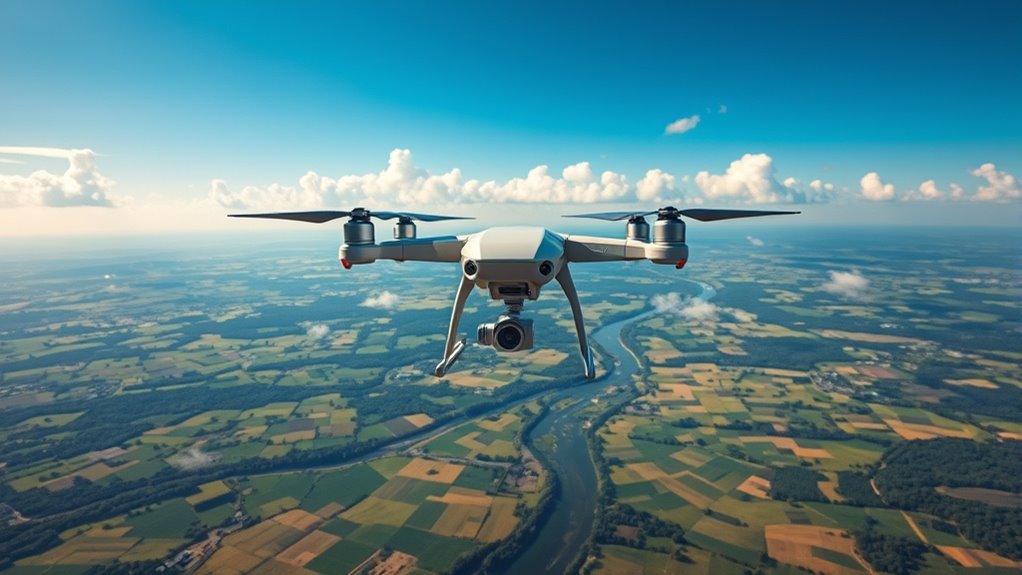
The LF620 uses a compact airframe built with lightweight carbon fiber composite materials. This construction helps reduce overall weight while improving structural strength, which is important for both maneuverability and long-term durability. A lighter frame places less demand on the motors, and that can contribute to smoother handling and better energy efficiency during flight.
From a design perspective, the drone has a streamlined, aerodynamic profile that supports stable movement in the air. Reduced drag can improve control response and help the aircraft maintain steadier positioning, especially during directional changes and moderate outdoor use. This makes the LF620 a practical choice for users who want a drone that feels agile without becoming too sensitive to control inputs.
The craftsmanship also appears focused on longevity. Reinforced connection points, tightly assembled body panels, and corrosion-resistant finishes add to the drone’s ability to handle repeated use in different environments. While no consumer drone is immune to damage, the LF620’s material choice gives it a more confidence-inspiring build than many entry-level plastic-heavy alternatives.
Camera Features and Image Quality
For many buyers, the camera is the most important part of a drone review, and the LF620 covers the core essentials well. It offers multiple camera resolution settings, allowing users to choose the right balance between image detail, storage efficiency, and editing flexibility. This type of versatility is useful whether you are capturing social media clips, travel footage, or sharper landscape video.
Resolution Options for Different Shooting Needs
The LF620 supports several video resolution modes, including 4K, 2.7K, and 1080p. Each resolution level serves a different purpose. A 4K setting is ideal for users who want higher detail, more room for cropping, and better clarity on larger displays. The 2.7K option can be a smart middle ground, preserving strong image quality while reducing file size and system demands in post-production. Full HD 1080p remains useful for everyday sharing, quick edits, and longer recording sessions.
This flexibility gives the drone broader appeal. Content creators can tailor recording settings based on the project, available storage, and platform requirements. Instead of forcing every user into one capture format, the LF620 allows more control over how footage is produced and managed.
Low-Light Performance
Low-light performance is often where affordable drones begin to struggle, but the LF620 makes a respectable effort to maintain usable image quality in dimmer conditions. Its sensor system is designed to improve light capture while controlling image noise, helping preserve detail when shooting at sunrise, sunset, or under cloudy skies.
Enhanced ISO handling contributes to better visibility in darker scenes, although users should still expect the best results in well-lit environments. For a drone in this category, the LF620 performs competently by reducing some of the grain and softness that typically appear when lighting conditions are less than ideal. It is not a substitute for a larger professional camera sensor, but it does provide enough support for casual low-light aerial footage.
Stabilization and Footage Smoothness
Image stabilization is another important strength. The LF620 uses built-in stabilization technology to reduce the visible effects of drone movement during flight. This is especially valuable when recording while turning, climbing, or flying in light wind. Without stabilization, even small vibrations can make footage look shaky and less polished.
With stabilization support in place, videos appear smoother and more watchable, and still images benefit from better consistency as well. For users creating travel content, scenic aerial shots, or general outdoor footage, this feature has a direct impact on how professional the final results feel.
Flight Performance and Stability
The LF620 is built to deliver a stable and predictable flight experience, which is essential for both beginners and experienced pilots. Its flight control system combines GPS assistance, barometric altitude hold, and responsive positioning support to improve overall handling in the air.
GPS functionality plays a major role in keeping the drone accurately positioned. It helps the aircraft maintain location, return more precisely, and provide a greater sense of control during outdoor flights. For users flying in open areas, GPS assistance makes operation easier and reduces the stress that can come with manual correction.
The barometric altitude hold system also improves stability by helping the drone maintain a more consistent height. This is particularly useful when filming, because sudden altitude drift can ruin otherwise smooth footage. With altitude hold engaged, the LF620 is better equipped to hover steadily while the pilot focuses on framing and movement.
Wind resistance is another area where the design and control system work together. While no lightweight drone is completely unaffected by wind, the LF620 manages moderate conditions reasonably well. Its aerodynamic shape and steady control logic allow it to remain more composed than many lower-end alternatives, though stronger gusts will still challenge performance.
Battery Life and Control Range
The LF620 offers a flight time of up to 25 minutes, which places it in a competitive position for a consumer drone in this segment. Real-world flight duration will vary based on speed, wind conditions, camera use, and the number of automated functions being used, but the advertised battery life is enough for meaningful shooting sessions without feeling overly limited.
For casual users, that amount of airtime is generally sufficient for multiple passes, landscape captures, and short cinematic clips. For travel and recreational use, 25 minutes strikes a practical balance between portability and performance. Users who plan extended sessions may still want spare batteries, but the standard endurance is respectable.
The listed control range of 1,200 meters adds another layer of versatility. This gives pilots more freedom to explore wide open spaces, track scenic routes, and frame distant subjects without feeling immediately constrained. As always, real transmission performance depends on interference, obstacles, weather, and legal flight restrictions, but on paper the LF620 offers enough range for most non-commercial recreational scenarios.
Smart Flight Modes and Ease of Use
One of the LF620’s key advantages is how accessible it is for newer pilots. It includes several user-friendly flight functions that reduce the learning curve and make operation more intuitive from the first flight.
One-Key Takeoff and Landing
One-key takeoff simplifies launch by automating the initial lift process. Instead of manually balancing throttle input, the drone rises in a controlled way with minimal user effort. This is especially helpful for beginners who may not yet feel comfortable managing the drone immediately after takeoff.
Landing support offers similar benefits by helping the aircraft descend in a more stable and controlled manner. These features improve convenience and also reduce the risk of user error during the two moments when many entry-level pilots are most likely to make mistakes.
Auto Return Function
The auto return feature is one of the LF620’s most valuable safety tools. When activated, it guides the drone back toward its takeoff point, helping recover the aircraft if signal strength drops or if the pilot wants a quick and reliable return path. This adds peace of mind, particularly when flying farther out or in unfamiliar areas.
For buyers evaluating GPS drones, return-to-home capability is often a must-have feature, and its presence here makes the LF620 a stronger option for practical outdoor flying.
Who the LF620 Drone Is Best For
The LF620 is best suited to users looking for a capable mid-level drone with a strong feature-to-price ratio. It fits well for travelers, beginner pilots moving up from toy drones, and casual content creators who want sharper footage and more stable flight tools without investing in a high-end professional drone ecosystem.
Its combination of carbon fiber composite construction, multiple camera resolutions, stabilization support, GPS-assisted flight, and useful automation features makes it appealing for buyers who want versatility. It may not replace a premium aerial imaging platform, but it covers the fundamentals effectively and delivers a dependable overall experience.
LF620 Drone Review Verdict
The LF620 drone delivers a balanced package with clear strengths in build quality, usability, and everyday flight performance. Its lightweight yet durable frame supports agile movement, while the camera system offers enough flexibility for different types of aerial photography and video recording. Add in GPS support, altitude hold, auto return, and a competitive 25-minute flight time, and the result is a drone that feels practical rather than gimmicky.
For users searching for a reliable camera drone with stable flight behavior, accessible controls, and solid value, the LF620 is a convincing option. It performs best as an all-purpose recreational drone that prioritizes ease of use and dependable results, making it a smart choice for buyers who want modern features without stepping into a much higher price category.
Frequently Asked Questions About the LF620 Drone
Is the LF620 drone good for beginners?
Yes, the LF620 drone is generally considered a good option for beginners, especially for users who want an affordable drone with modern features. It usually includes beginner-friendly functions such as altitude hold, headless mode, one-key takeoff and landing, and sometimes optical flow positioning, which can make the drone easier to control. These features help reduce the learning curve for first-time pilots. However, like many entry-level drones, the LF620 may still be affected by wind and may not offer the same flight stability, obstacle avoidance, or camera quality found in premium models. For casual users, hobbyists, and new pilots who want to practice basic flying skills and aerial photography, it can be a practical starting point.
How good is the camera quality on the LF620 drone?
The camera quality on the LF620 drone is usually decent for its price range, but expectations should remain realistic. It can be suitable for basic aerial photos, social media clips, and casual recreational use. Depending on the version, the drone may advertise HD or higher-resolution video, but actual image clarity often depends on lighting conditions, stabilization quality, transmission strength, and whether the camera uses true optical stabilization or only software-based assistance. In bright daylight, the LF620 can capture acceptable footage for entry-level users, but you may notice softness, limited dynamic range, or shaky video compared to more advanced drones. If your main goal is professional photography or cinematic video, this model may feel limited, but for fun flying and simple content creation, it can perform reasonably well.
What is the flight time and control range of the LF620 drone?
The LF620 drone typically offers a modest flight time that is common in the budget and mid-entry drone category. In real-world use, flight time is often shorter than the maximum advertised figure because factors such as wind, aggressive flying, camera usage, and battery condition all affect performance. Many users can expect practical flight sessions that are suitable for short recreational flights rather than extended aerial work. Control range also varies depending on local interference, weather, obstacles, and whether you are using standard radio control only or relying on Wi-Fi transmission for live video. For best results, users often purchase extra batteries so they can extend total flying time during a session. Always treat manufacturer claims as ideal estimates rather than guaranteed real-world performance.
Does the LF620 drone have GPS and intelligent flight features?
Some LF620 drone listings and versions may include GPS-assisted functions, but available features can vary by seller or package configuration, so it is important to verify the exact model specifications before buying. If the drone includes GPS, you may get helpful features such as return-to-home, position hold, waypoint flight, follow-me mode, or route planning through a companion app. These features can improve convenience and flight safety, especially for newer pilots. However, budget GPS drones do not always perform at the same level as premium brands, and accuracy may be influenced by signal strength and environmental conditions. If GPS reliability is a top priority, checking user reviews and real-world testing is highly recommended before making a purchase.
Is the LF620 drone worth buying compared to other budget drones?
The LF620 drone can be worth buying if you are looking for a low-cost drone that offers a balance of fun, basic aerial imaging, and beginner-friendly controls. Its value depends on what you expect from it. For first-time users, casual flyers, or shoppers comparing affordable drones, the LF620 may stand out for offering a feature set that feels more advanced than toy-grade models. On the other hand, if you need strong wind resistance, premium camera stabilization, long flight times, or highly reliable GPS tracking, you may find better results by spending more on a higher-tier drone. In short, the LF620 is often a good value for entry-level recreational use, but it is best suited for buyers who prioritize affordability and ease of use over professional-grade performance.
