
The Lucid Sanitization Drone and the Anzu Raptor V both offer advanced solutions for airborne sanitation, but their capabilities differ significantly in terms of range and technology. While the Lucid Drone operates effectively within a 2km Wi-Fi range, the Anzu Raptor V impressively extends its cleaning capabilities to 7km under NDAA compliance. This article will delve into the unique features and functionalities of both drones, equipping you with the knowledge to determine which model best suits your sanitation needs.
Overview of the Drones
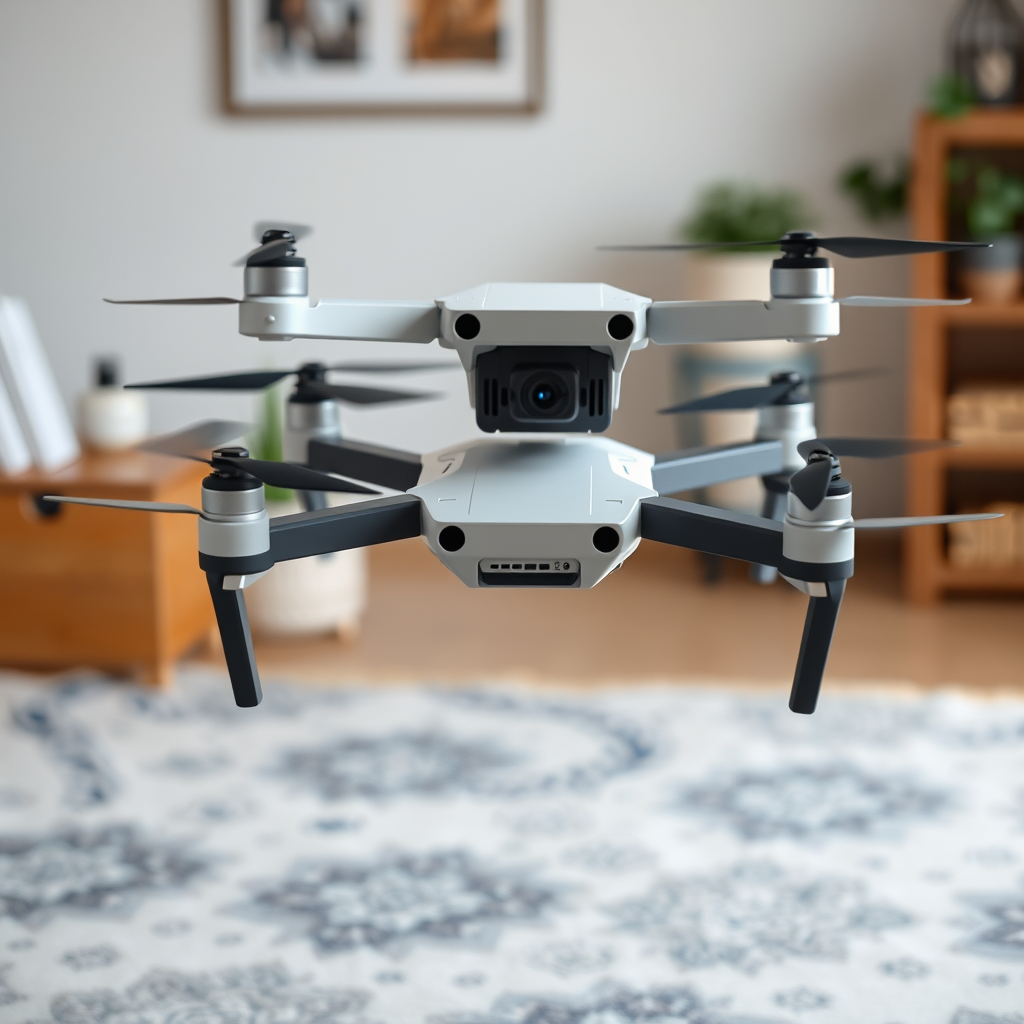
The Lucid Sanitization Drone is designed specifically for the efficient disinfection of large areas, making it ideal for urban environments, public spaces, and facilities that require regular sanitization. Equipped with advanced GPS and mapping technology, the Lucid Drone can autonomously navigate to designated areas, ensuring comprehensive coverage. Additionally, it utilizes UV-C light and fine mist spraying systems to eliminate pathogens effectively.
In contrast, the Anzu Raptor V is engineered for both cleaning and surveillance tasks, making it a versatile asset for businesses and governmental organizations. Its robust design allows for longer flight durations and superior stability in varying weather conditions. The Anzu Raptor V leverages a powerful cleaning system that can cover more extensive areas, and its 7km NDAA compliance indicates that it meets stringent federal standards for drone usage, particularly in sensitive environments.
Wi-Fi Range Comparison
The Lucid Drone’s 2km Wi-Fi range is well-suited for localized operations, allowing for precise control and real-time monitoring. This range is particularly advantageous for urban areas where obstacles may obstruct longer distances. The drone’s ability to maintain a stable connection within this range enables operators to receive immediate feedback on the sanitization process, optimizing efficiency and effectiveness.
On the other hand, the Anzu Raptor V’s 7km NDAA cleaning capability marks a substantial advantage in terms of operational reach. This extensive range allows for the management of larger sites without the need for constant repositioning or re-establishing connections. For organizations that operate across vast distances—such as agricultural fields, military bases, or large public venues—the Raptor V’s extended reach provides a significant operational edge, making it an ideal choice for comprehensive sanitation missions.
Sanitization Technologies
The Lucid Sanitization Drone employs an innovative combination of UV-C light technology and a specialized misting system to ensure thorough disinfection of surfaces. The UV-C light is known for its effectiveness in destroying bacteria and viruses on contact, while the misting system disperses a sanitizer solution that covers large areas uniformly. This dual-action approach maximizes the drone’s sanitization capabilities, making it a reliable choice for high-traffic areas that demand rigorous cleaning protocols.
Conversely, the Anzu Raptor V utilizes a unique cleaning mechanism that combines mechanical scrubbing with chemical application. This approach not only disinfects surfaces but also removes dirt and grime, thereby enhancing the overall cleanliness of the area. The drone’s advanced sensors allow it to adapt its cleaning methods based on the surface type and contamination level, which contributes to its effectiveness in diverse environments ranging from factories to parks.
Operational Efficiency
When it comes to operational efficiency, both drones exhibit impressive specifications. The Lucid Drone boasts a flight time of approximately 30 minutes on a single charge, which is sufficient for most urban sanitization tasks. Its intuitive user interface simplifies deployment, allowing operators to easily set cleaning routes and monitor progress in real time.
In contrast, the Anzu Raptor V offers a longer flight time, often exceeding 45 minutes, due to its larger battery capacity and energy-efficient design. This extended duration enhances its effectiveness for large-scale operations, enabling it to cover more ground without frequent recharging. Additionally, the Raptor V is designed for rugged conditions, allowing it to perform well in various environments, from industrial sites to urban landscapes.
Cost and Value Assessment
The Lucid Sanitization Drone is competitively priced, making it an attractive option for businesses and organizations that require reliable sanitation solutions without breaking the budget. While the initial investment is modest, the long-term savings gained from reduced labor costs and improved sanitation compliance can provide significant value.
On the other hand, the Anzu Raptor V comes with a higher price tag, reflecting its advanced capabilities and extended range. However, this cost can be justified for organizations that require extensive coverage and multi-functional use. The versatility of the Raptor V, coupled with its compliance with NDAA standards, positions it as a premium investment for entities looking to ensure top-tier sanitation and surveillance solutions.
User Feedback and Reviews
User experiences with the Lucid Sanitization Drone have largely been positive, with operators praising its ease of use and efficient cleaning capabilities. Many users report significant reductions in pathogen levels and enhanced safety in high-traffic areas. The drone’s automated navigation and real-time feedback features are frequently highlighted as valuable assets in streamlining the sanitization process.
Similarly, users of the Anzu Raptor V have expressed satisfaction with its performance, particularly in large-scale operations where its extended range is advantageous. Feedback often emphasizes the drone’s stability during flight and its adaptability to various cleaning scenarios. The ability to switch between cleaning and surveillance functions has also garnered appreciation, showcasing its versatility in a single unit.
Future Developments in Drone Sanitization
As drone technology continues to advance, the future of sanitation drones looks promising. Innovations such as improved battery efficiency, enhanced AI capabilities for navigation and cleaning, and the integration of advanced sensors for real-time environmental monitoring are on the horizon. These developments are expected to increase the effectiveness and efficiency of sanitation drones, making them even more valuable in combating public health challenges.
Both the Lucid Sanitization Drone and the Anzu Raptor V are likely to evolve, incorporating feedback from users and advancements in drone technology. Future iterations may see extended ranges, improved cleaning technologies, and greater user customization, further enhancing their appeal in the sanitation market.
The key insights from this comparison highlight the strengths and weaknesses of both the Lucid Sanitization Drone and the Anzu Raptor V. Depending on your specific needs—whether that’s range, technology, or cost—one may prove to be a better option for you. We encourage you to weigh these factors carefully and consider reaching out for more detailed specifications or demonstrations to make the most informed decision possible.
Frequently Asked Questions
What are the main differences between the Lucid Sanitization Drone and the Anzu Raptor V in terms of sanitization capabilities?
The Lucid Sanitization Drone is designed for localized cleaning with a 2km Wi-Fi range, making it suitable for smaller facilities or targeted sanitization tasks. In contrast, the Anzu Raptor V boasts a 7km NDAA-compliant range, which allows for extensive coverage in larger areas and a more robust application of sanitization chemicals. This difference in range may significantly impact operational efficiency depending on the size of the sanitization required.
How does the NDAA compliance of the Anzu Raptor V affect its use in government contracts?
The Anzu Raptor V’s NDAA compliance means it meets specific security standards set by the National Defense Authorization Act, making it eligible for use in government contracts and facilities that require high-security measures. This compliance is crucial for organizations looking to maintain stringent security protocols, as it ensures that the drone’s technology does not pose any risks related to foreign influence or cybersecurity vulnerabilities.
Why is the range of Wi-Fi important when choosing a sanitization drone?
The range of Wi-Fi is vital when selecting a sanitization drone because it determines how far the drone can operate from its control station while maintaining connectivity. A longer Wi-Fi range, like that of the Anzu Raptor V, allows for more extensive sanitization operations without losing communication, which is especially important in large or complex environments. This factor can significantly enhance operational efficiency and reduce the need for constant repositioning.
Which drone would be the best choice for a large outdoor event requiring sanitization?
For a large outdoor event, the Anzu Raptor V would be the best choice due to its 7km range and NDAA compliance. This allows for effective coverage of expansive areas, ensuring that the sanitization process can be conducted quickly and thoroughly without the limitations of a shorter range. Additionally, the drone’s advanced features are likely to provide a more efficient and reliable sanitization experience for large gatherings.
How does each drone handle different sanitization chemicals, and what should users consider?
Both the Lucid Sanitization Drone and the Anzu Raptor V are designed to handle various sanitization chemicals effectively, but users should consider the specific applications and compatibility of the chemicals with each drone’s technology. The Anzu Raptor V may offer more versatility in terms of chemical types and quantities due to its larger reservoir capacity, while the Lucid may excel in precision applications. It’s essential to review the manufacturer’s guidelines to ensure that the chosen drone can accommodate the desired sanitization solution without compromising performance.
References
- https://en.wikipedia.org/wiki/Lucas_Standards
- https://www.reuters.com/article/us-health-coronavirus-drones-insight-idUSKBN2A50KZ
- https://www.sciencedirect.com/science/article/pii/S2351978921000598
- https://www.nytimes.com/2021/02/16/technology/drones-disinfection-coronavirus.html
- https://www.wired.com/story/cleaning-drones-coronavirus/
- 404 Error Page | U.S. Department of War
- https://www.techcrunch.com/2020/10/12/the-rise-of-drones-in-public-health/
