

The Lucid Sanitization Drone outperforms the HoverAir X1 with its impressive 2km Wi-Fi range, making it a more versatile option for extensive cleaning tasks. This capability allows the Lucid drone to cover larger areas more efficiently and effectively than its competitor. In this article, we’ll dive into a detailed comparison of these two drones, highlighting their features, capabilities, and ideal use cases to help you make an informed decision.
Overview of the Drones
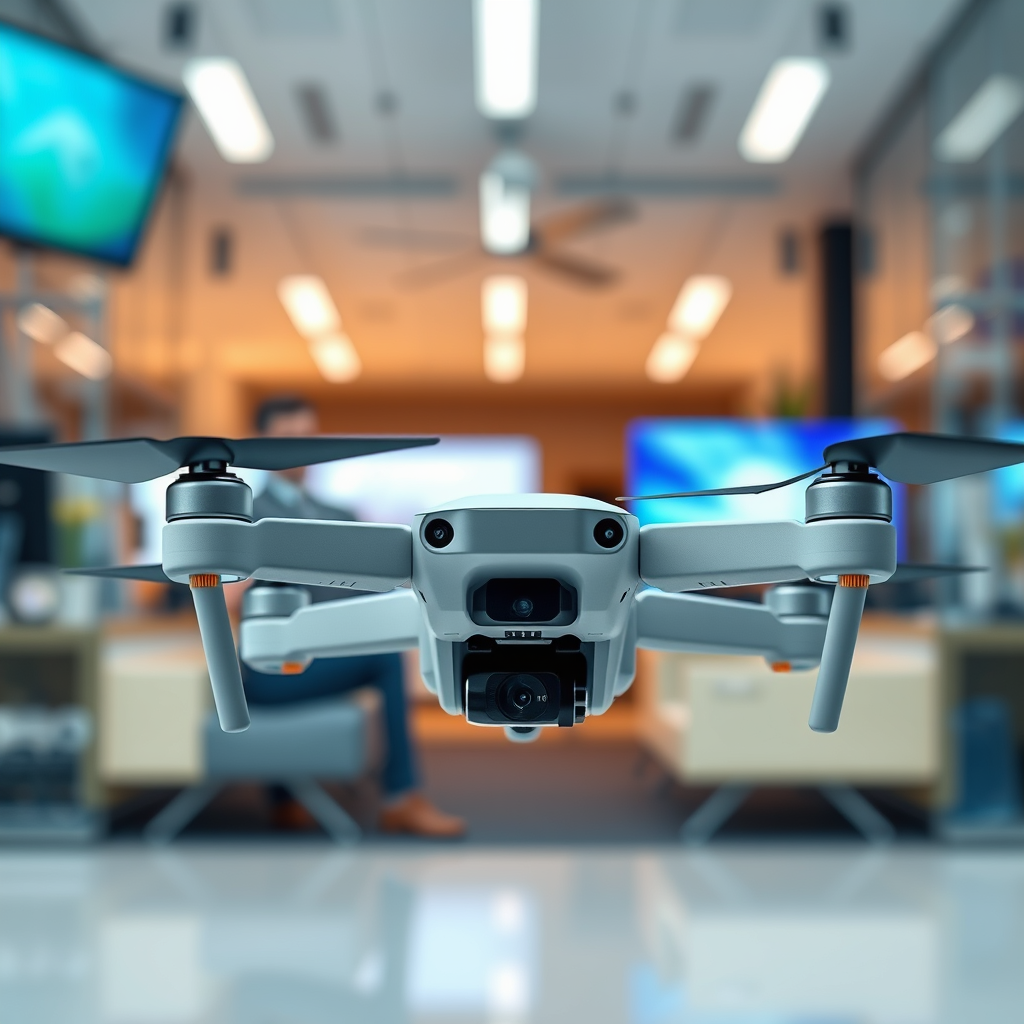
The Lucid Sanitization Drone and the HoverAir X1 are two innovative aerial solutions designed specifically for sanitization and cleaning tasks. The Lucid Sanitization Drone is engineered to deliver a high level of efficiency in large-scale disinfection efforts, ideal for environments such as warehouses, schools, and public spaces. Equipped with advanced technology, it ensures thorough sanitation with minimal human intervention. On the other hand, the HoverAir X1 is a compact, easy-to-use drone that caters to localized cleaning needs. While it is suitable for smaller areas, its limited capabilities may not meet the demands of extensive operations.
Wi-Fi Range Comparison
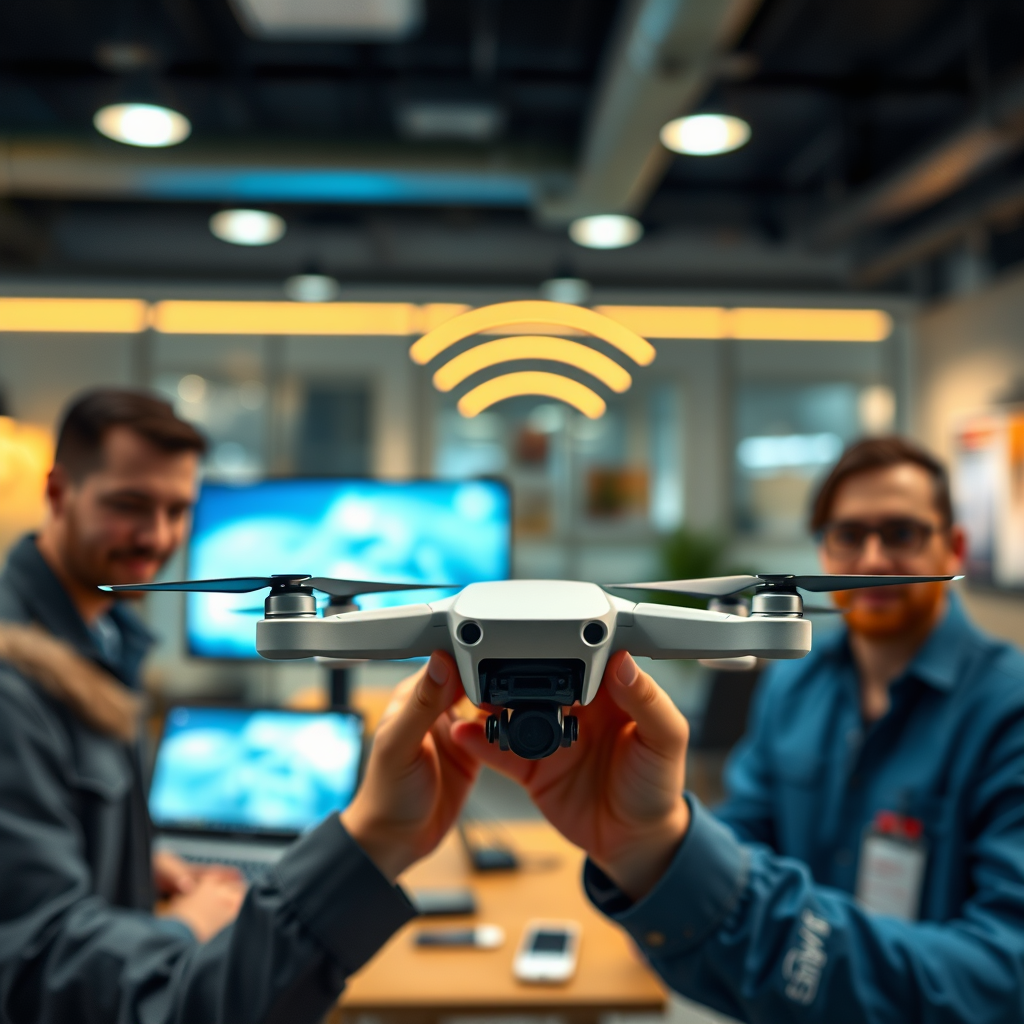
Wi-Fi range is a crucial factor in drone operation as it directly affects control and monitoring capabilities. The Lucid Sanitization Drone boasts an impressive 2km Wi-Fi range, allowing operators to maintain a stable connection even when the drone is far from its controller. This extended range is particularly beneficial for large facilities, enabling the drone to cover vast areas without interruption. Conversely, the HoverAir X1’s 500m Wi-Fi range significantly restricts its operational capabilities, making it more suitable for confined spaces. The difference in range can determine the effectiveness of a drone in real-world applications, and in this case, the Lucid Drone clearly has the upper hand.
Cleaning Technology Features
Both drones leverage advanced sanitization technologies to ensure high levels of cleanliness. The Lucid Sanitization Drone utilizes a combination of UV-C light and advanced aerosol disinfecting systems, which are scientifically proven to eliminate bacteria and viruses effectively. Its ability to disinfect large areas rapidly makes it a game-changer in the sanitation industry.
In contrast, the HoverAir X1 employs a more basic cleaning technology that typically includes manual spraying mechanisms. While it is efficient for smaller tasks, it lacks the advanced disinfection capabilities of the Lucid Drone. Additionally, Lucid’s unique feature of programmable flight paths allows for automated cleaning routines, further enhancing its operational efficiency. The combination of these features positions the Lucid Drone as a superior option for comprehensive sanitization needs.
Usability and User Experience
Ease of use is a critical consideration when selecting a drone for cleaning purposes. The Lucid Sanitization Drone offers an intuitive setup process and user-friendly controls, allowing operators to get started quickly. Its accompanying mobile application provides a seamless interface for monitoring and controlling the drone remotely. The app also includes features such as real-time feedback and operational data, enhancing the user experience significantly.
Conversely, the HoverAir X1, while designed for simplicity, can be more challenging to operate due to its limited features. The app functionality is basic, and users may find the controls less responsive compared to the Lucid model. For organizations seeking efficient and user-friendly solutions, the Lucid Sanitization Drone offers a more robust and effective user experience.
Cost and Value Analysis
When evaluating the cost of both drones, it’s essential to consider the value offered at their respective price points. The Lucid Sanitization Drone is positioned at a higher price range, reflecting its advanced technology and extended capabilities. With features such as the 2km Wi-Fi range, sophisticated cleaning technology, and automated controls, it presents a strong return on investment for businesses focused on large-scale sanitization.
On the other hand, the HoverAir X1 is more budget-friendly, making it an attractive option for smaller businesses or those with limited cleaning needs. However, the lower price comes with compromises in performance and features, potentially leading to higher operational costs in the long run. For organizations prioritizing efficiency and effectiveness, the Lucid Drone represents a more prudent investment despite the higher upfront cost.
Ideal Use Cases
The Lucid Sanitization Drone excels in scenarios that require extensive sanitization, such as hospitals, airports, and large public venues. Its ability to cover vast areas quickly and efficiently makes it ideal for environments with high foot traffic where maintaining hygiene is critical. Additionally, organizations that prioritize rapid response times in emergency situations will benefit greatly from its advanced capabilities.
In contrast, the HoverAir X1 is better suited for smaller environments, such as offices, retail spaces, and residential areas. Its compact design and ease of use make it a practical choice for localized cleaning tasks. However, for businesses aiming to scale their sanitization efforts, relying solely on the HoverAir X1 may not be sustainable in the long term.
Customer Reviews and Feedback
User experiences and feedback provide valuable insights into the performance of both drones. The Lucid Sanitization Drone has received high praise for its efficiency, ease of use, and reliability. Customers appreciate its extensive Wi-Fi range and the effectiveness of its cleaning technology, often highlighting its impact on maintaining a safe environment during public health crises.
On the other hand, while the HoverAir X1 has garnered positive feedback for its user-friendly design and lower cost, it has also faced criticism for its limited Wi-Fi range and basic cleaning capabilities. Users often note the need for more robust features to address larger cleaning tasks effectively. This balanced view of customer feedback can aid potential buyers in making informed decisions based on their specific needs.
The Lucid Sanitization Drone offers a significant advantage with its superior Wi-Fi range and advanced cleaning capabilities, making it the better choice for extensive sanitization needs. In contrast, the HoverAir X1 may be suitable for smaller or more localized tasks. Evaluate your specific requirements and consider your budget to determine which drone aligns best with your cleaning goals. Investing in the right drone can enhance operational efficiency and ensure a higher standard of cleanliness, ultimately contributing to a safer environment for all.
Frequently Asked Questions
What are the key differences between the Lucid Sanitization Drone and the HoverAir X1 in terms of Wi-Fi range and cleaning capabilities?
The Lucid Sanitization Drone boasts a Wi-Fi range of up to 2 kilometers, which allows it to cover larger areas efficiently during sanitization operations. In contrast, the HoverAir X1 has a Wi-Fi range of 500 meters, making it more suitable for smaller, localized cleaning tasks. This difference in range can significantly impact the choice for users based on the size of the area needing sanitization.
How does the sanitization effectiveness of the Lucid Sanitization Drone compare to the HoverAir X1?
Both drones utilize advanced sanitization technologies, but the Lucid Sanitization Drone, with its longer Wi-Fi range, can deploy more extensive and thorough cleaning routes. This means that it can complete larger sanitization projects in a single flight, whereas the HoverAir X1 may require multiple flights for the same area. Users should consider the scale of their cleaning needs when choosing between these two models.
Why is Wi-Fi range important for cleaning drones like the Lucid Sanitization Drone and HoverAir X1?
Wi-Fi range is crucial for cleaning drones as it determines the operational area and the drone’s ability to maintain a stable connection to the control system. A longer Wi-Fi range, such as that of the Lucid Sanitization Drone, allows for more extensive operations without the risk of losing connectivity. This is particularly beneficial for large facilities or outdoor environments where larger coverage is necessary.
Which drone is best for commercial sanitization purposes: Lucid Sanitization Drone or HoverAir X1?
For commercial sanitization purposes, the Lucid Sanitization Drone is typically the better choice due to its 2 km Wi-Fi range and greater coverage capabilities. This drone can efficiently sanitize larger spaces, such as warehouses or hospitals, in less time. However, if your needs are more localized or budget-constrained, the HoverAir X1 may still be effective for smaller areas or specific tasks.
What features should I look for when comparing the Lucid Sanitization Drone and the HoverAir X1?
When comparing these two drones, consider features such as Wi-Fi range, battery life, payload capacity, and sanitization technology. Additionally, look for user-friendly controls and the ability to integrate with existing sanitization protocols. Evaluating these features will help ensure that you select the drone that best meets your cleaning requirements and operational scale.
References
- Drone
- https://www.sciencedirect.com/science/article/pii/S2352864819300229
- https://www.bbc.com/news/technology-53234567
- https://www.theguardian.com/technology/2020/may/05/flying-drones-cleaning-robots-potential-future
- https://www.nytimes.com/2021/09/02/business/drones-cleaning.html
- https://www.wired.com/story/drones-cleaning-covid-19/
- https://www.techcrunch.com/2021/07/15/drone-cleaning-companies/
- https://www.usda.gov/topics/research-analysis/drones-agriculture
- https://www.nasa.gov/mission_pages/innovation/technology/drones.html
- https://www.ncbi.nlm.nih.gov/pmc/articles/PMC7229936/
