
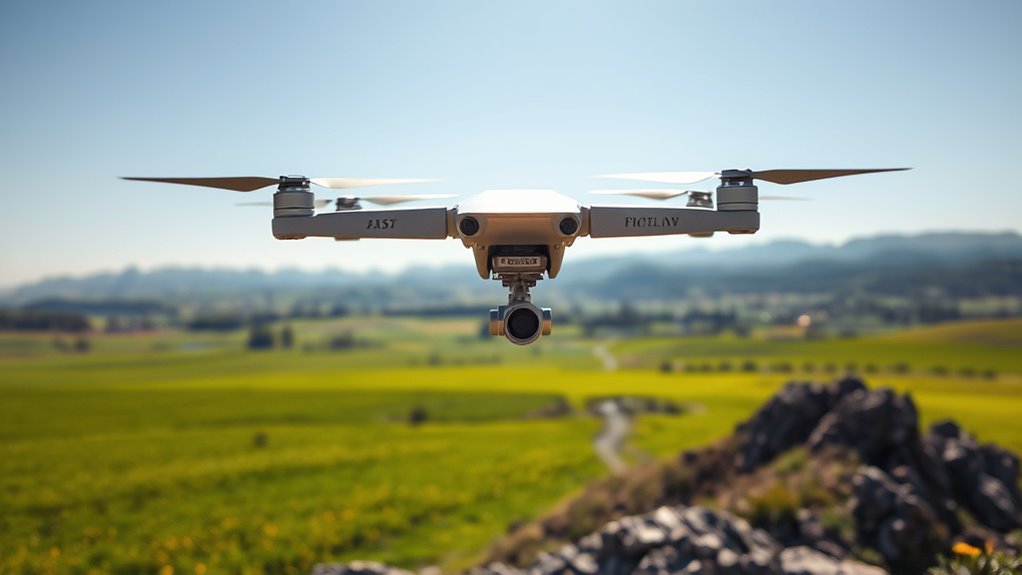
Maximum range drones can reach impressive distances, with models like the DJI Matrice 300 RTK offering operational ranges up to 15 kilometers. Key factors affecting this range include battery efficiency, transmission technology, and environmental conditions like weather. Innovations in battery technology and effective signal transmission enhance performance considerably. Different models have unique capabilities that suit various applications. To explore these options and understand their implications better, you’ll find more detailed insights ahead.
Understanding Drone Range: Key Factors
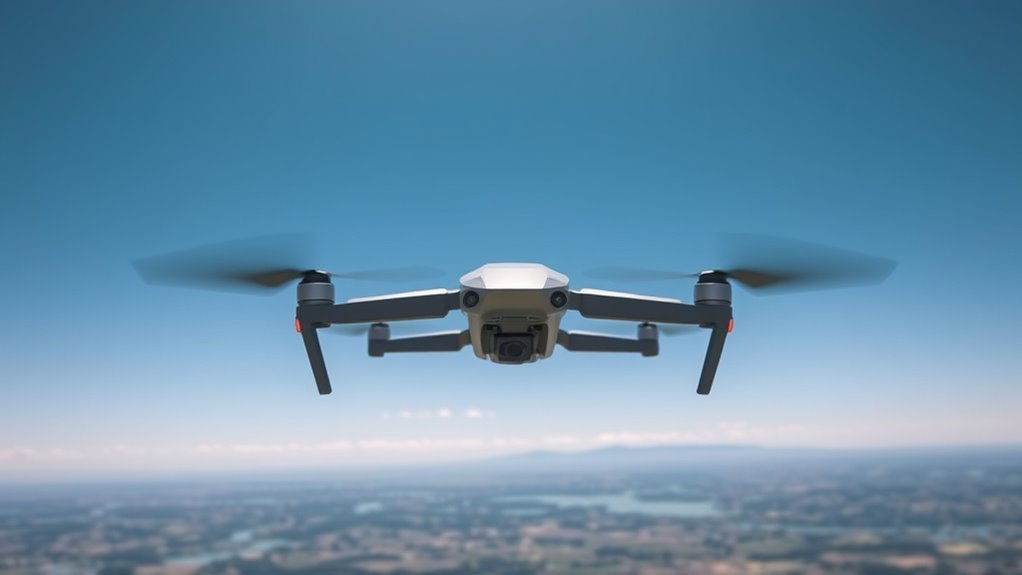
When you consider drone range, several key factors come into play that directly influence its capabilities. One vital aspect is drone design; aerodynamic shapes can greatly enhance distance by reducing drag. If you’re optimizing for range, think about how the weight distribution affects performance. A well-balanced drone, with weight strategically placed, can maintain stability and conserve energy during flight. This balance guarantees that the propulsion system operates efficiently, allowing for longer distances. Additionally, materials used in construction influence overall weight, impacting how far your drone can travel. By focusing on these design elements and understanding their interplay with weight distribution, you can maximize your drone’s range, ensuring it achieves its full potential while granting you the freedom to explore vast areas. Furthermore, battery life and power management are critical for sustaining longer flight times and distances. Additionally, minimizing payload weight can significantly enhance the overall range of the drone.
Battery Life and Efficiency
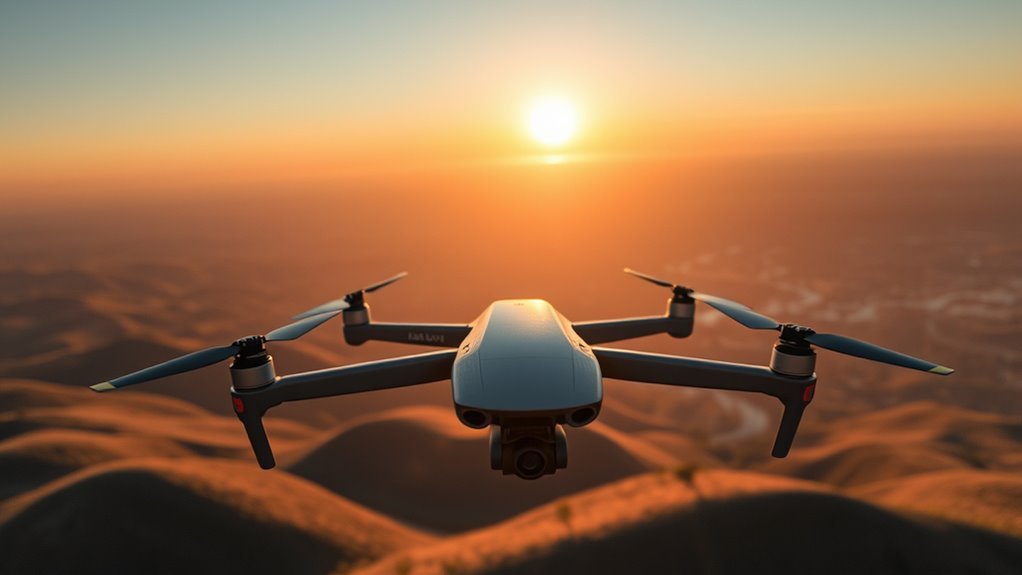
When evaluating maximum range drones, you’ll need to take into account advancements in battery technology and their impact on efficiency. Innovations in energy density and weight reduction play essential roles in extending flight times. Additionally, implementing flight time optimization techniques can greatly enhance overall performance and operational range. For instance, the battery performance of the DJI Mavic 3 Classic allows for an impressive flight time of up to 46 minutes, showcasing the advantages of optimized battery design. The Lucid Cleaning Drone demonstrates remarkable battery efficiency in low-light scenarios, allowing for longer missions without frequent recharges.
Battery Technology Advancements
As advancements in battery technology continue to evolve, the efficiency and longevity of drone operations are markedly improving. Battery chemistry innovations, such as lithium-sulfur and solid-state batteries, are pushing the boundaries of what’s possible. These technologies promise greater energy density improvements, allowing drones to carry more power without substantially increasing weight. This means your drones can achieve longer flight times and cover more extensive areas, enhancing their operational capabilities. By harnessing these advancements, you’ll gain the freedom to explore previously unreachable locations and conduct missions with increased endurance. Ultimately, as battery technology progresses, you’re looking at a future where drones can operate farther and longer, revolutionizing their applications across various industries.
Flight Time Optimization Techniques
Although advancements in battery technology have greatly increased drone capabilities, optimizing flight time remains essential for maximizing operational efficiency. To achieve this, you should focus on flight path optimization, which involves planning the most efficient routes to minimize energy consumption. By analyzing terrain and air conditions, you can greatly extend your drone’s operational range. Additionally, effective energy management is critical; consider implementing real-time monitoring systems that adjust power output based on flight conditions. Techniques such as altitude adjustments and speed regulation also contribute to enhanced battery life. By integrating these strategies, you empower your drone to perform longer missions while maintaining the freedom to explore vast areas without the constant worry of battery depletion.
Transmission Technology and Signal Strength
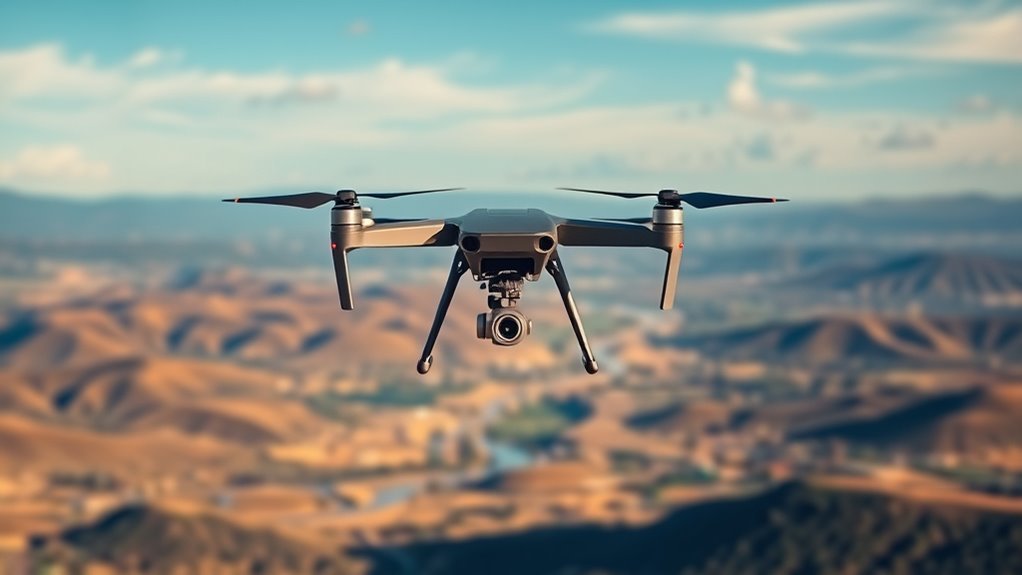
Effective transmission technology and signal strength are vital for maximizing the operational range of drones. To guarantee you can explore vast areas without losing control, it’s imperative to mitigate signal interference and optimize your transmission range. Advanced technologies like frequency hopping and MIMO (Multiple Input Multiple Output) systems can greatly enhance your drone’s performance, making those long-range flights possible. Understanding communication dynamics ensures reliable drone operation and helps you maintain control even in challenging environments, particularly when considering the differences between LTE and radio protocols.
Maximize your drone’s potential with advanced transmission technology and optimize its range for limitless exploration.
- Experience the thrill of freedom as your drone soars beyond traditional limits.
- Capture breathtaking views that were once out of reach.
- Connect with nature like never before, unbound by distance.
The Impact of Weather Conditions
Weather conditions play an essential role in the performance of maximum range drones. Wind resistance can greatly affect flight stability, while rain and moisture introduce risks that can impair electronic systems and overall functionality. Additionally, temperature variations can influence battery efficiency and, consequently, flight range.
Wind Resistance Effects
When flying a drone, you must consider how wind resistance can greatly impact its maximum range and overall performance. Wind can considerably affect your drone’s trajectory, causing it to expend more energy to maintain altitude and navigate effectively. This results in reduced battery life and range.
- You might lose the freedom to explore distant locations.
- Strong winds can lead to unpredictable flight paths.
- Aerodynamic design becomes essential in combating wind effects.
Be aware that altitude effects play a role as well; as you ascend, wind patterns may shift, further complicating your flight. Understanding these factors allows you to plan better, ensuring your drone reaches its intended destination, maximizing your adventure without unforeseen setbacks.
Rain and Moisture Impact
Although drones are designed for various conditions, rain and moisture can greatly compromise their performance and maximum range. When operating in wet environments, moisture can infiltrate sensitive components, potentially leading to malfunctions or reduced flight times. Effective rain detection systems can help mitigate these risks by informing operators when conditions are unsuitable for flight. Moisture resistance is vital; drones equipped with proper sealing and hydrophobic materials can withstand light rain but may still struggle in heavy downpours. Additionally, the added weight from moisture accumulation can decrease efficiency and range. To maximize operational freedom, it’s important to monitor weather forecasts and perform pre-flight checks to guarantee your drone can perform safely and effectively, even in challenging weather conditions.
Temperature Influence on Range
Temperature can greatly affect a drone’s maximum range, as variations in air density directly influence lift and battery efficiency. When it comes to temperature effects, both extreme heat and cold can impair thermal performance, leading to reduced flying distance.
- You might notice shorter flights on a hot summer day, leaving you longing for more exploration.
- Cold weather can sap battery power, limiting your drone’s ability to reach new heights.
- These temperature fluctuations can dictate your freedom to soar, making each flight a calculated journey.
Understanding how temperature impacts your drone’s capabilities is essential for optimizing its range. By anticipating these conditions, you can plan your flights more effectively and embrace the freedom of the skies.
Top Long-Range Drone Models
In the domain of aerial technology, several long-range drones stand out for their exceptional capabilities and innovative features. Brands like DJI and Parrot lead the market with models that excel in range comparisons. The DJI Matrice 300 RTK, for instance, boasts an impressive operational range of up to 15 kilometers, making it ideal for extensive survey missions. The Parrot Anafi USA offers a unique combination of portability and a 4-kilometer range, catering to users who value versatility. Other notable models include the Skydio 2, known for its autonomous flight capabilities, allowing it to cover vast areas without constant control. By evaluating these top drone brands, you can identify the best long-range option that suits your aerial exploration needs. Additionally, the DJI Matrice 300’s agility enhances its performance, making it suitable for complex environments during long-range operations. Furthermore, the Freefly Alta 8 Pro’s payload capacity allows it to support professional-grade cameras for high-quality imaging during extensive flights.
Commercial Applications of Long-Range Drones
As industries increasingly adopt advanced technologies, long-range drones have emerged as essential tools in various commercial applications. Their capabilities extend to critical areas, enhancing efficiency and safety while offering unprecedented freedom in operations.
- Agricultural Surveillance: Monitor vast fields, optimizing crop health and yield. Drones like the Amazon MK30 provide effective solutions for agricultural monitoring with their extended flight times and payload capacities.
- Infrastructure Inspection: Inspect bridges, pipelines, and towers, ensuring safety and compliance. Their ability to cover significant distances allows for thorough inspections without the need for extensive ground access.
- Disaster Response: Provide real-time data in emergency situations, aiding rescue efforts. Long-range drones can reach remote areas quickly, delivering critical supplies and information when time is of the essence.
With their ability to cover large distances, long-range drones allow businesses to gather crucial information without the constraints of traditional methods. This technology empowers you to make informed decisions, ultimately enhancing productivity and safety across multiple sectors. Embracing long-range drone technology means revealing new potentials in your commercial endeavors. Additionally, drones like the Delair UX11 AG boast longer radio ranges, enabling broader area coverage for effective monitoring.
Legal Considerations for Long-Distance Flights
With the growing utilization of long-range drones in commercial sectors, understanding the legal landscape surrounding their operation is essential. You’ll face various regulatory frameworks that dictate airspace restrictions and require drone registrations. Make sure you’re compliant with pilot certifications to operate legally and safely. Additionally, be aware of international regulations that may affect your flights, especially when crossing borders. Compliance requirements are crucial, as failure to adhere to safety guidelines can result in penalties. Ensure you are familiar with local regulations to avoid potential legal issues. Don’t overlook insurance considerations, as liability coverage is important for protecting your investment and mitigating risks. Maneuvering through these legal aspects effectively allows you to maximize your operational freedom while making sure you operate responsibly within the established laws. A potential US ban on DJI could further complicate the regulatory environment for long-distance drone operations.
Frequently Asked Questions
Can I Fly Drones Beyond Visual Line of Sight?
You can fly drones beyond visual line of sight, but you’ll need specific permissions and to follow regulations. Always guarantee you’ve got a reliable communication system and understand the operational risks involved in such flights.
What Is the Maximum Altitude for Long-Range Drone Flights?
Imagine a hawk soaring high above. When considering maximum altitude for long-range drone flights, it generally peaks around 400 feet, balancing drone performance and regulatory limits, ensuring you maintain freedom while adhering to safety guidelines.
How Do Obstacles Affect Drone Range Capabilities?
Obstacle interference greatly impacts your drone’s range capabilities. When obstacles obstruct the signal, it causes range reduction, limiting your operational freedom. Understanding this effect helps you plan routes that maximize your drone’s performance and efficiency.
Are There Specific Regulations for International Drone Flights?
Did you know that over 60 countries have specific regulations on international drone flights? When considering cross-border flights, you’ll need to navigate these international drone regulations to guarantee compliance and avoid legal complications.
How Does Drone Design Impact Long-Range Performance?
Drone design markedly affects long-range performance. You’ll find that aerodynamic efficiency reduces drag, while higher battery capacity extends flight time. Together, these factors enhance your drone’s ability to cover greater distances efficiently and effectively.
