
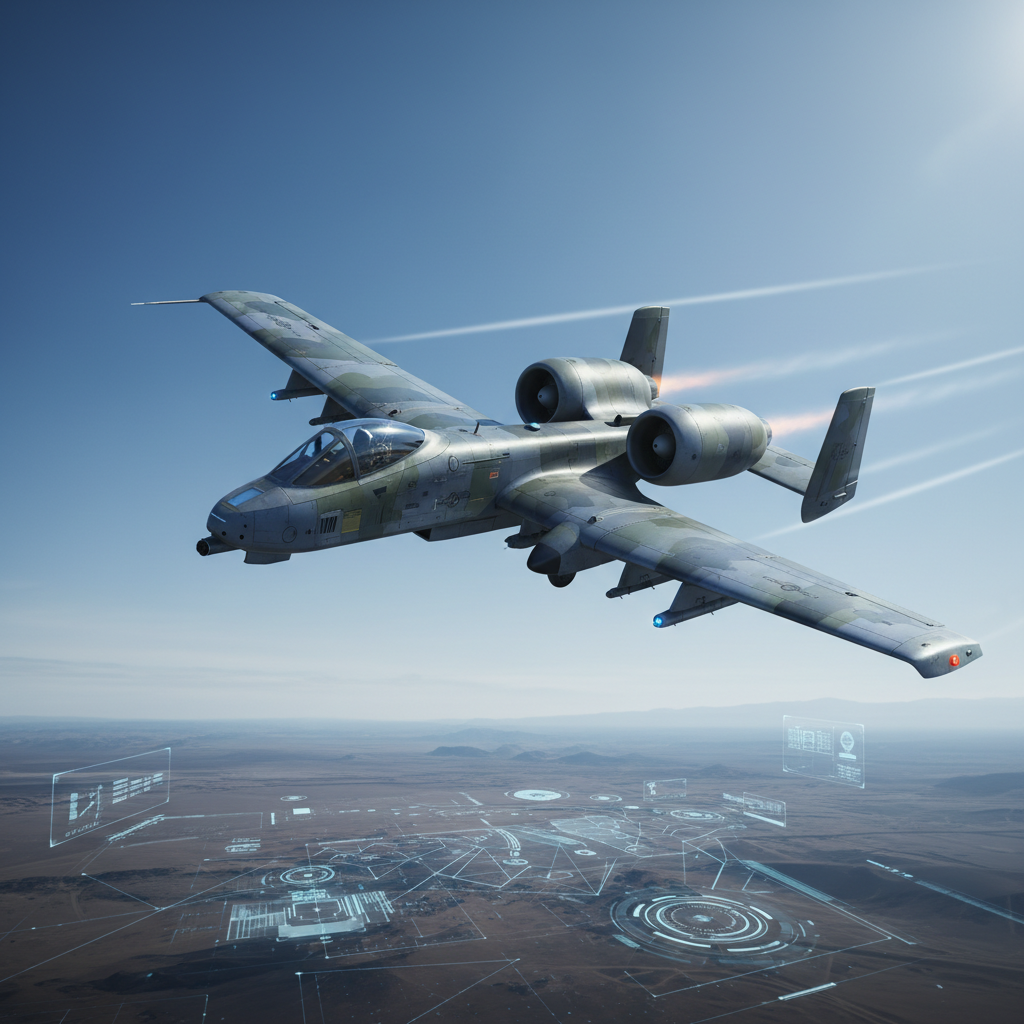
The A-10 Warthog drone, officially known as the A-10 Thunderbolt II, is a highly specialized aircraft designed for close air support and ground attack missions. This aircraft is renowned for its durability and effectiveness in combat, making it a critical asset in modern warfare. This article will explore the key features of the A-10, its operational roles, armament capabilities, technological innovations, comparisons with other military drones, and its future in military operations.
Key Features of the A-10 Warthog
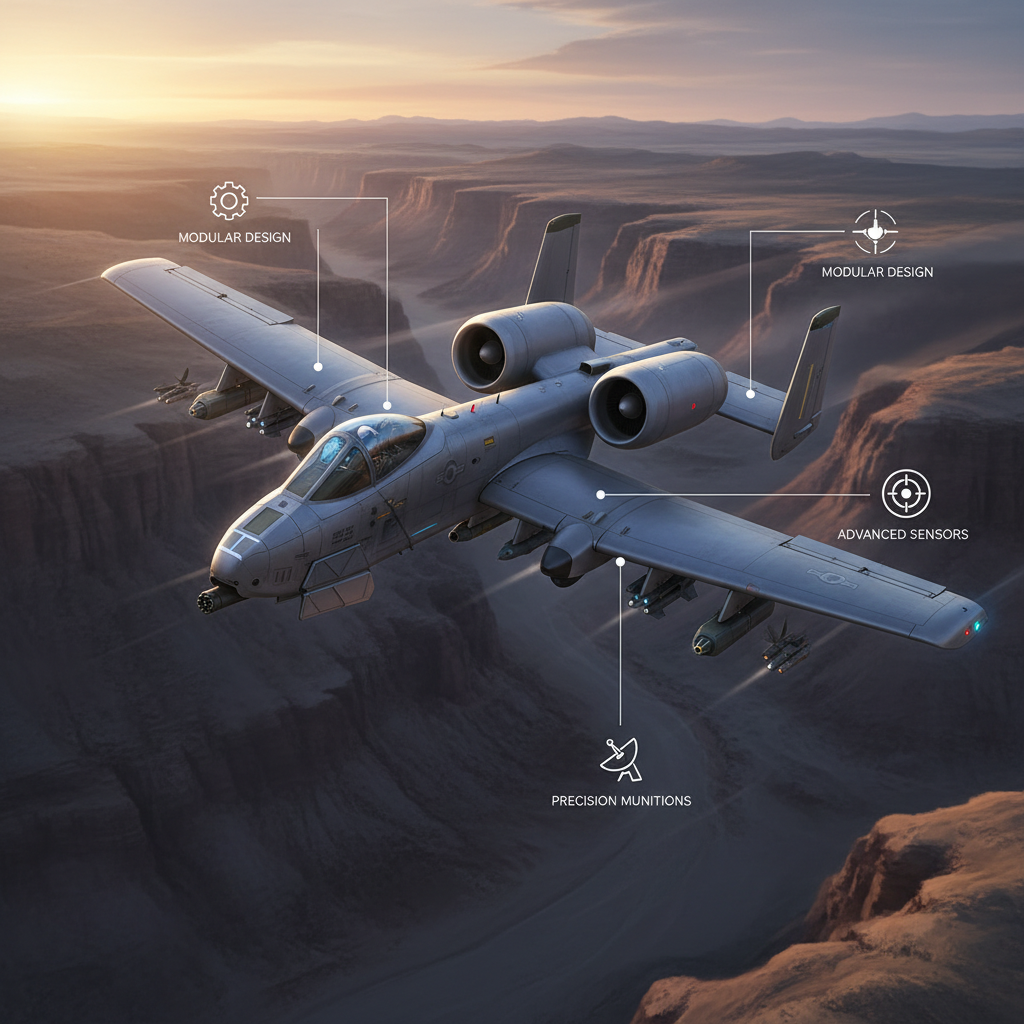
The A-10 Warthog is engineered for durability and survivability in combat zones. Its airframe is designed to withstand significant damage, allowing it to continue operating even under hostile fire. The aircraft features a wide wingspan and a straight-wing design that enhance its stability at low speeds, crucial for close air support missions. In addition, the Warthog is equipped with redundant flight systems that provide backup in case of system failures, ensuring continued operability during critical missions.
Advanced avionics play a vital role in the A-10’s effectiveness. The aircraft is fitted with sophisticated targeting and navigation systems, including the Advanced Targeting Forward-Looking Infrared (ATFLIR) pod and the Precision Engagement Package. These systems enable pilots to conduct precision strikes against enemy targets while minimizing collateral damage, a key requirement in contemporary warfare where civilian safety is paramount.
Operational Roles of the A-10 Warthog
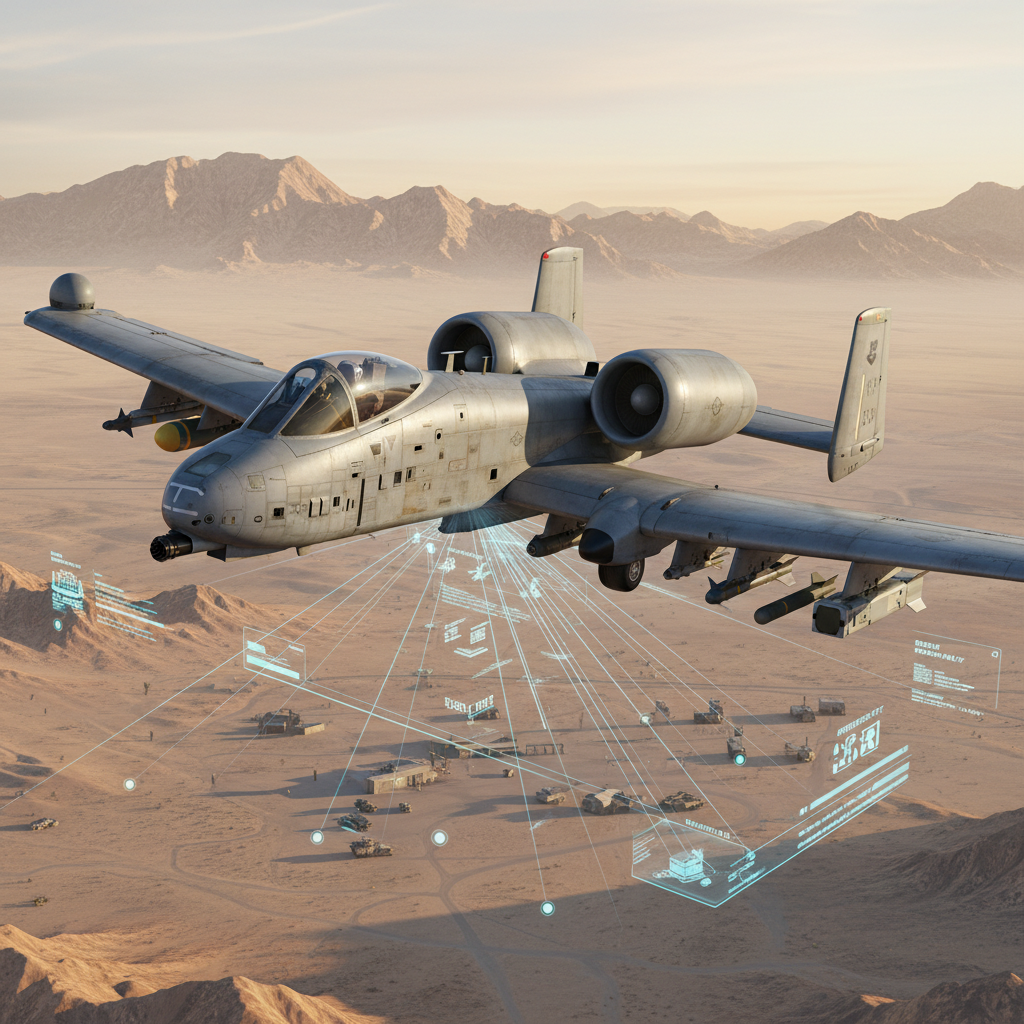
Primarily, the A-10 Warthog is utilized for close air support (CAS) for ground troops. Its mission is to provide direct support for ground forces, particularly in engagements where air superiority has not been established. The A-10 is particularly effective in low-altitude operations, allowing it to engage enemy forces with precision and agility. The aircraft’s ability to loiter over the battlefield provides critical support to ground units, ensuring that they have the aerial cover needed during intense combat situations.
In addition to CAS, the A-10 is effective against armored vehicles and enemy fortifications. Its design allows it to fly low and slow, facilitating effective engagement of tanks and other armored threats. For example, during the Gulf War, A-10s were instrumental in destroying Iraqi armored divisions, using their capabilities to identify and eliminate threats with remarkable efficiency. This operational role underscores the aircraft’s significance in land warfare, where its capabilities have proven invaluable.
Armament and Payload Capabilities
The A-10 Warthog carries a diverse array of munitions, including bombs, missiles, and a variety of specialized ordnance tailored for ground attack. Its payload versatility allows it to engage different target types, from personnel to fortified positions. The aircraft can carry laser-guided bombs, Joint Direct Attack Munitions (JDAMs), and even cluster munitions, making it adaptable to various combat scenarios.
One of the most iconic features of the A-10 is its GAU-8/A Avenger 30mm cannon, which is housed in the aircraft’s nose. This cannon can fire up to 3,900 rounds per minute and is designed to deliver devastating firepower against ground targets. The combination of the cannon and the aircraft’s ability to deliver precision-guided munitions makes the A-10 a formidable ground attack platform. This combination of firepower and precision allows for effective engagement of enemy forces while minimizing civilian casualties.
Technological Innovations in the A-10 Warthog
The A-10 incorporates several cutting-edge technological innovations that enhance its performance and resilience. Advanced navigation and targeting systems are integral to its operations, allowing pilots to engage targets with high accuracy. The A-10 is equipped with the Joint Helmet-Mounted Cueing System (JHMCS), which enables pilots to aim weapons simply by looking at a target, significantly increasing situational awareness and reaction time during engagements.
Furthermore, the use of advanced materials, such as titanium and composite materials, contributes to the A-10’s durability. The aircraft features a titanium “bathtub” around the cockpit, providing enhanced protection for the pilot against ground fire. This emphasis on survivability reflects the A-10’s role in high-risk environments, ensuring that it can withstand enemy fire while effectively performing its missions.
Comparisons with Other Military Drones
The A-10 Warthog differentiates itself from unmanned aerial vehicles (UAVs) by its manned cockpit and robust armor, which provide unique advantages in combat. While UAVs offer significant benefits in terms of reduced risk to human life and operational flexibility, the A-10’s human pilot can make real-time decisions that are vital in complex combat scenarios. This human element allows for nuanced engagement that is often necessary in close air support situations.
However, there are disadvantages to consider. UAVs can operate for extended periods without the need for pilot fatigue management and can be deployed in scenarios where human presence may be hazardous. Additionally, drones can be remotely piloted from safe distances, significantly reducing risk to personnel. As military technology evolves, the A-10 and UAVs will likely complement each other rather than replace one another, each fulfilling distinct roles in modern military operations.
Future of the A-10 Warthog in Military Operations
The future of the A-10 Warthog in military operations looks promising, as ongoing upgrades and modernization efforts are aimed at enhancing its capabilities. Recent initiatives have focused on integrating advanced avionics, improving weapon systems, and upgrading sensors to maintain its relevance in modern warfare. These upgrades ensure that the A-10 can operate effectively alongside newer aircraft in joint mission scenarios.
As military strategies evolve, the A-10 is expected to play a pivotal role in future conflicts, particularly in environments where ground forces require immediate air support. The aircraft’s unique capabilities may allow it to adapt to emerging threats and operational requirements, ensuring that it remains a vital component of the U.S. Air Force’s arsenal.
In summary, the A-10 Warthog drone remains a crucial asset in the U.S. Air Force, combining unique features and capabilities that enhance ground operations. Its durability, armament, and advanced technology position it as an essential tool in modern military strategies. Understanding the A-10’s role and technological advancements offers valuable insights into the evolution of aerial combat and the future of military operations. For more details on military drones and aviation technology, stay tuned for our upcoming articles!
Frequently Asked Questions
What is the A-10 Warthog drone and how does it differ from traditional drones?
The A-10 Warthog drone, officially known as the A-10 Thunderbolt II, is not a drone but a highly specialized ground-attack aircraft used by the U.S. Air Force. Unlike traditional drones, which are unmanned aerial vehicles (UAVs) operated remotely, the A-10 is manned and designed for close air support missions, focusing on ground troop assistance and tank destruction. Its unique design incorporates a powerful GAU-8 Avenger cannon and the ability to carry a variety of munitions, making it distinctive in its operational role.
How does the A-10 Warthog perform in combat situations?
The A-10 Warthog excels in combat situations due to its durability, agility, and advanced targeting systems. It can loiter over battlefields for extended periods, providing close air support to ground troops while withstanding significant damage thanks to its titanium armor. Additionally, its ability to engage various targets with precision-guided munitions makes it a critical asset in both offensive and defensive operations.
Why is the A-10 Warthog considered a vital asset for the U.S. military?
The A-10 Warthog is considered a vital asset for the U.S. military due to its unmatched ability to deliver close air support in ground combat scenarios. Its design prioritizes survivability and effectiveness against armored vehicles and enemy troops. As a result, it enhances the safety of ground forces, ensuring they receive timely support during critical missions, which has led to the aircraft being nicknamed “the tank buster.”
What are the maintenance challenges associated with the A-10 Warthog?
The maintenance challenges associated with the A-10 Warthog stem from its unique design and heavy usage in combat. The aircraft requires specialized parts and trained personnel to perform regular maintenance, which can be resource-intensive. Additionally, due to its role in intense combat scenarios, it often incurs wear and tear that necessitates frequent inspections and repairs, potentially affecting operational readiness if not managed properly.
Which technologies are integrated into the A-10 Warthog for enhanced operational effectiveness?
The A-10 Warthog integrates several advanced technologies that enhance its operational effectiveness, including sophisticated avionics, targeting systems, and weaponry. Features like the Joint Direct Attack Munition (JDAM) enable precision strikes on targets, while advanced navigational systems improve mission planning and execution. Furthermore, its ability to carry a wide array of munitions, from laser-guided bombs to air-to-ground missiles, allows for versatile engagement options in various combat scenarios.
References
- https://en.wikipedia.org/wiki/Fairchild_Republic_A-10_Thunderbolt_II
- https://www.af.mil/About-Us/Fact-Sheets/Display/Article/104529/fairchild-republic-a-10-thunderbolt-ii/
- https://www.airforce.com/technology/aircraft/a-10-thunderbolt-ii
- https://www.fas.org/man/dod-101/sys/ac/a-10.htm
- https://www.nytimes.com/2021/08/20/us/a-10-thunderbolt-drone.html
