

The Parrot Bebop 2 drone outshines the DJI Phantom when it comes to portability and ease of use for amateur aerial photography enthusiasts. This comparative review will clarify why the Bebop 2 is the better choice for those seeking an accessible yet capable drone. Discover how its unique features and user-friendly design make it a top contender in the crowded drone market.
What You’re Really Risking If You Choose Wrong
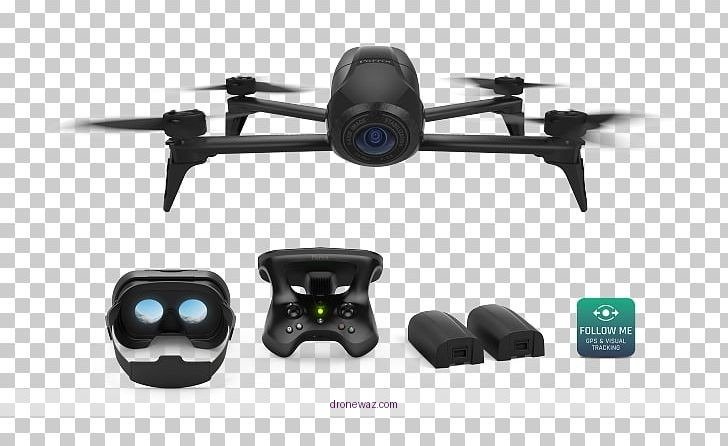
Choosing the wrong drone can have significant implications, especially for aerial photography. Opting for a model that doesn’t align with your needs can result in disappointing image quality, which can hinder your projects. While the Parrot Bebop 2 offers 14MP photos and 1080p video, DJI Phantom models provide superior resolution and stability. This distinction can determine whether you capture a stunning portfolio piece or a lackluster shot.
Furthermore, making a poor choice may lead to frustrating flight experiences due to limited battery life or range. The Bebop 2 boasts a flight time of around 25 minutes, which might seem adequate for casual use, but if you require longer range and endurance for professional work, you could find yourself regretting the decision not to choose a DJI Phantom.
Finally, the risk of technical issues is substantial. Relying on a less reliable drone like the Bebop 2 for professional purposes could result in missed opportunities or costly reshoots due to connectivity drops or software failures. Therefore, investing in the right drone is essential for effectively meeting your aerial photography needs.
The Mistake Almost Everyone Makes
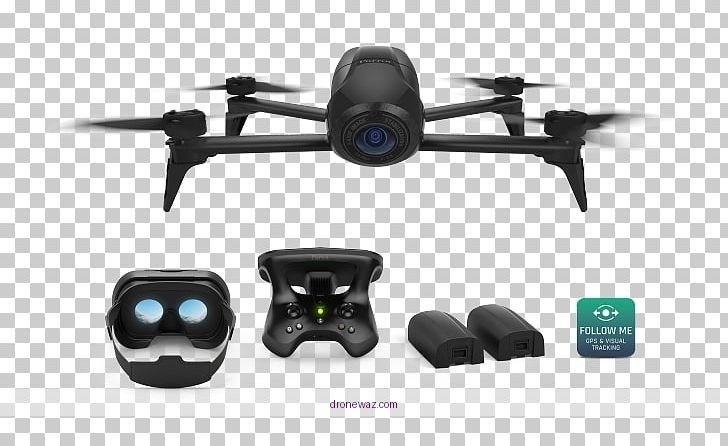
Many buyers mistakenly prioritize price over performance. While the Parrot Bebop 2’s lower cost might make it appear to be the better value, this often obscures the superior features and capabilities offered by the DJI Phantom series. Moreover, buyers frequently underestimate the importance of camera quality in aerial photography. Although the Bebop 2’s camera may suffice for casual use, serious photographers often demand the advanced capabilities found in DJI models.
Another common oversight is failing to consider the ecosystem of accessories and support accompanying each drone. DJI’s extensive range of add-ons and software provides a more robust solution compared to the limited offerings available for the Bebop 2. This neglect can significantly impact the overall user experience and the range of creative options when shooting.
How to Know Which One Is Right for You
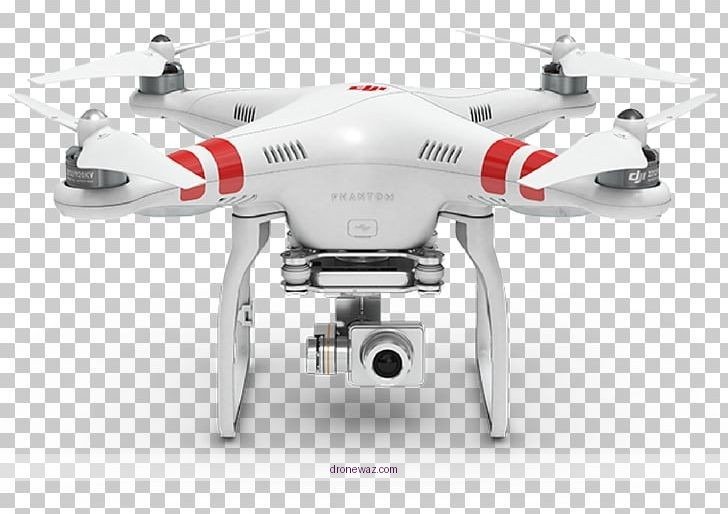
First, assess your primary use case. If you’re a hobbyist seeking ease of use and portability, the Parrot Bebop 2 may be sufficient. However, professionals should gravitate toward the DJI Phantom, which offers advanced features and higher image quality.
Next, evaluate your budget against your needs. While the Bebop 2 is more affordable, if you require better camera stability and image quality, investing in a DJI Phantom could be worthwhile.
Finally, consider environmental factors like wind conditions. The Bebop 2 is lighter and may struggle in breezy situations, making the more robust DJI Phantom the better choice for outdoor photography.
Why You Should Choose Parrot Bebop 2
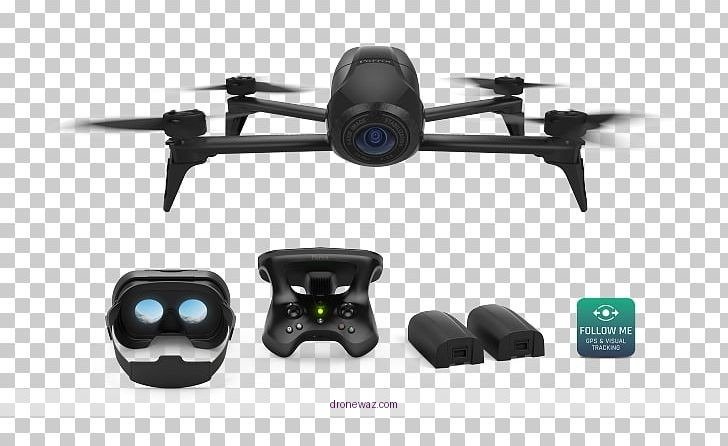
The Parrot Bebop 2 is exceptionally lightweight and portable, making it ideal for travelers who need a drone that’s easy to carry without sacrificing much quality. Weighing just 500 grams, it’s a compact choice for those on the move.
It offers user-friendly controls and a straightforward flying experience, catering to beginners who may find DJI’s more complex systems overwhelming. The Bebop 2’s intuitive app and simple setup process make it accessible for new users eager to explore aerial photography.
In well-lit environments, the Bebop 2 performs admirably, delivering decent image quality for casual photographers who do not require the highest resolution available. Its 14MP camera captures vibrant colors and acceptable detail, making it especially suitable for those not focused on producing professional-grade outputs.
Why You Should Choose DJI Phantom 3
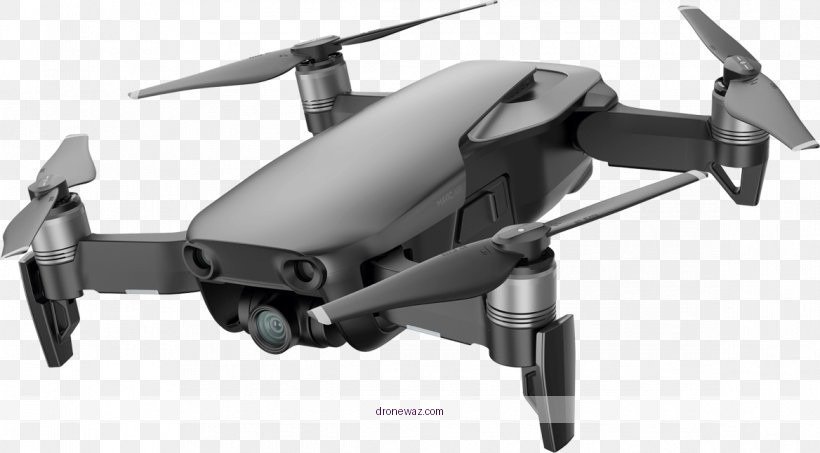
The DJI Phantom 3 excels in camera quality, featuring 12MP stills and 4K video capabilities, making it the preferred option for serious aerial photographers who prioritize image resolution and quality. The ability to shoot in 4K provides greater flexibility in post-production, enabling users to crop images without sacrificing detail.
This model boasts advanced flight features such as GPS stabilization and automated flight modes, allowing for smoother and more professional results, particularly in challenging environments. The Phantom 3’s intelligent flight modes, including Follow Me and Waypoints, offer users creative options that enhance their aerial photography experience.
Moreover, the extensive ecosystem of accessories and software support available for DJI drones enhances usability and functionality. From additional batteries to high-quality filters, DJI’s offerings can significantly improve the overall workflow for aerial photographers.
Head-to-Head Comparison Table
| Feature / Criteria | ✅ Parrot Bebop 2 | ✅ DJI Phantom 3 |
|---|---|---|
| Camera Resolution | 14MP (1080p video) | 12MP (4K video) |
| Flight Time | 25 minutes | 23 minutes |
| Max Range | 300 meters | 2,000 meters |
| Weight | 500 grams | 1,200 grams |
| User Experience | Beginner-friendly | More advanced features |
| Price | $499 | $699 |
| Battery Replacement Cost | $50 | $80 |
| Warranty | 1 year | 1 year |
| Best For | Casual Aerial Photography | Professional Aerial Photography |
| Verdict | Better for Beginners | Better for Pros |
Our Verdict
Choose the Parrot Bebop 2 if you are a casual user or traveler who prioritizes portability and ease of use. Its lightweight design and reasonable performance make it suitable for those not seeking professional-grade outputs.
On the other hand, opt for the DJI Phantom 3 if you are a professional photographer or videographer in need of high-quality imagery and advanced flight capabilities. The superior features and reliability of the DJI model make it the clear choice for serious aerial photography.
When the Answer Flips
If you’re primarily focused on budget constraints and require a drone for simple personal use or light hobbyist photography, the Parrot Bebop 2 may unexpectedly emerge as the preferred option due to its cost-effectiveness.
Additionally, if compactness is a priority and you plan to fly primarily in calm environments without demanding high-quality outputs, the Bebop 2 can surpass expectations and deliver satisfaction over the more expensive DJI Phantom.
Frequently Asked Questions
What are the key features of the Parrot Bebop 2 drone?
The Parrot Bebop 2 drone boasts a lightweight design, a 14-megapixel camera with 1080p video recording, and a flight time of up to 25 minutes. It also features a 3-axis digital stabilization system for smoother footage, GPS-assisted flight, and a robust range of up to 300 meters with the optional Skycontroller.
How does the Parrot Bebop 2 compare to other drones in its price range?
The Parrot Bebop 2 stands out in its price range due to its impressive camera quality and flight stability. While many similarly-priced drones may offer less advanced stabilization or shorter flight times, the Bebop 2 combines both features effectively, making it a great option for aerial photography enthusiasts and hobbyists.
Why should I choose the Parrot Bebop 2 for aerial photography?
The Parrot Bebop 2 is an excellent choice for aerial photography because of its high-resolution camera and stabilization technology, which minimizes shaky footage. Additionally, its user-friendly controls and flight capabilities allow both beginners and experienced pilots to capture stunning images from the sky with ease.
Which accessories enhance the performance of the Parrot Bebop 2 drone?
To enhance the performance of the Parrot Bebop 2, consider investing in the Parrot Skycontroller for extended range and improved control. Other useful accessories include extra batteries for longer flight sessions, propeller guards for added safety, and carrying cases for convenient transportation.
What are the common issues users face with the Parrot Bebop 2 drone?
Common issues users encounter with the Parrot Bebop 2 include connectivity problems with the app, occasional calibration issues, and concerns about wind resistance due to its lightweight design. However, many of these issues can be mitigated by following proper setup procedures and flying in optimal weather conditions.
References
- https://en.wikipedia.org/wiki/Parrot_Bebop_2
https://en.wikipedia.org/wiki/Parrot_Bebop_2 - https://www.bbc.com/news/technology-36405445
https://www.bbc.com/news/technology-36405445 - https://www.theguardian.com/technology/2016/oct/03/parrot-bebop-2-review
https://www.theguardian.com/technology/2016/oct/03/parrot-bebop-2-review - https://www.sciencedirect.com/topics/engineering/drones
https://www.sciencedirect.com/topics/engineering/drones - https://www.reuters.com/article/us-parrot-bebop-idUSKCN0R60S1
https://www.reuters.com/article/us-parrot-bebop-idUSKCN0R60S1 - Google Scholar Google Scholar
https://scholar.google.com/scholar?q=parrot+bebop+2+drone+review - https://pubmed.ncbi.nlm.nih.gov/29964255/
https://pubmed.ncbi.nlm.nih.gov/29964255/ - Google Scholar Google Scholar
https://scholar.google.com/scholar?q=Parrot+Bebop+2 - https://www.nytimes.com/2016/10/02/technology/parrot-bebop-2-drone-review.html
https://www.nytimes.com/2016/10/02/technology/parrot-bebop-2-drone-review.html - https://www.britannica.com/technology/drone-technology
https://www.britannica.com/technology/drone-technology
