

Choosing between the Parrot Drone Bebop 2 and competing consumer drones depends on what you value most: effortless flight, dependable camera results, or maximum feature depth. For most first-time and casual creators, the Bebop 2 is the easier path to stable footage with a well-regarded 14MP camera, while premium competitors often trade simplicity for advanced controls and add-on requirements.
Quick Verdict: Parrot Bebop 2 vs Competitors
The key difference is that the Bebop 2 prioritizes user-friendly operation and consistent capture quality, while many competitors emphasize specs that may require more learning time. If you want a drone that “just works” for photos and video without becoming a technical hobby, the Bebop 2 is often the most sensible buy.
Across mainstream reviews and long-running consumer drone expectations, two factors repeatedly decide whether a drone feels worth it: how quickly you can fly it well, and how reliably it produces usable footage. With its consumer-oriented flight experience and a camera class that many buyers consider “good enough for standout results,” the Bebop 2 frequently earns that practical trust.
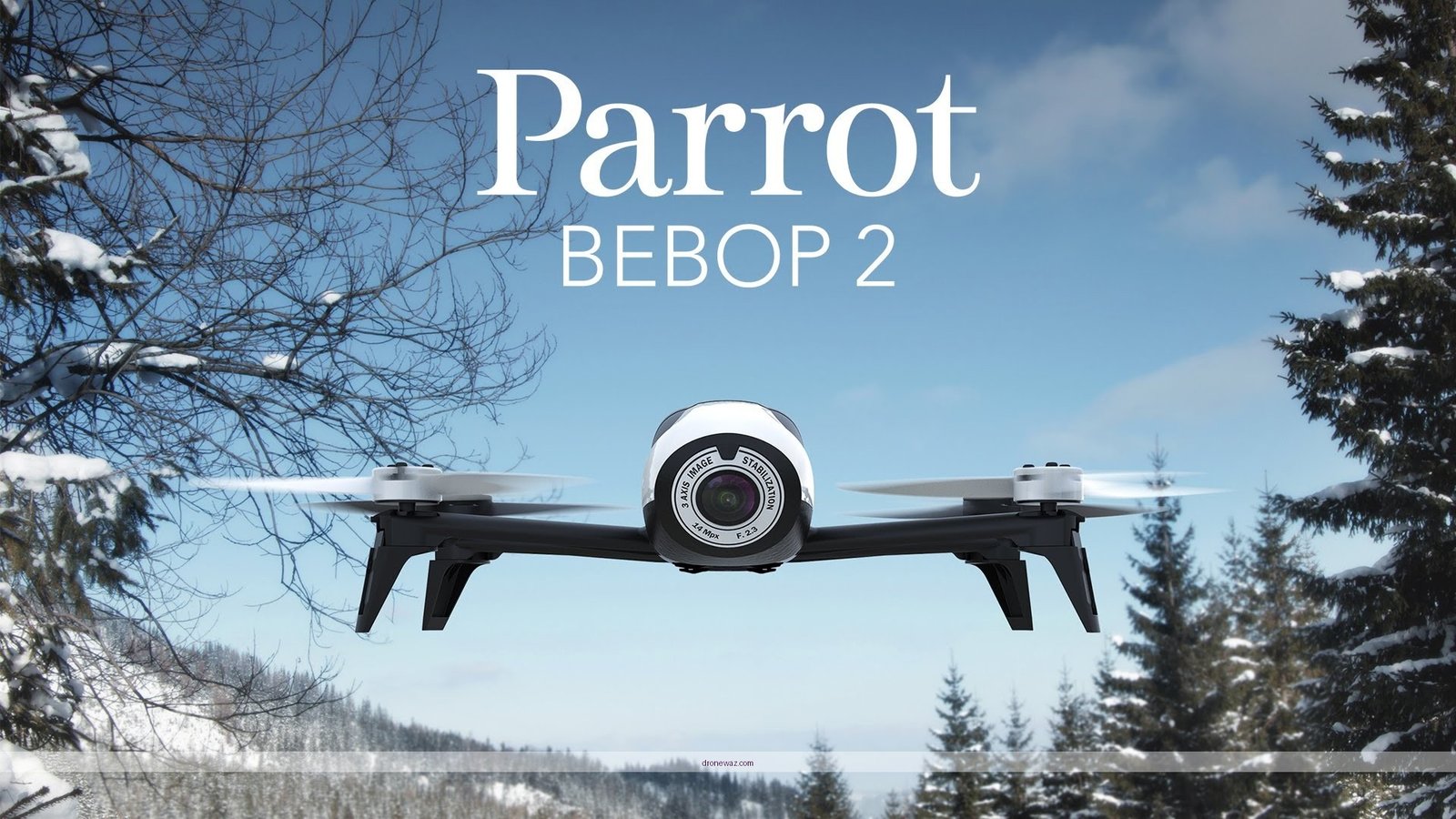
Direct answer: Which should you choose?
Choose the Parrot Drone Bebop 2 if you want a straightforward setup, a calmer learning curve, and a dependable camera for travel and everyday aerial storytelling. Choose a competitor if your priority is maximum controllability, aggressive speed/performance, or a broader ecosystem for pro-style workflows that may involve extra spend and configuration.
What You’re Really Risking If You Choose Wrong
The biggest risk of choosing the wrong drone is not only wasted money, but also frustration that prevents you from capturing content. In practical terms, an incompatible feature set can lead to poor stability, disappointing footage, and extra spending on batteries, cases, or controllers.
Drone buyers typically underestimate three real-world pain points: mismatched camera expectations, limited usability outdoors, and the total cost of ownership after initial purchase. While “spec sheet chasing” is common, the most cited consumer complaint across drone communities is that a drone can look impressive on paper but feel difficult to fly or inconsistent in wind, lighting changes, and GPS conditions.
Common failure modes when comparing drones
The most frequent outcomes when a buyer chooses a less suitable competitor are predictable:
- Footage you can’t use: The camera may underperform in stabilization quality, dynamic range, or low-light conditions, turning planned shots into unusable clips.
- More setup than expected: Some drones require careful calibration, app troubleshooting, or additional controller pairing steps before you can fly confidently.
- Unplanned accessory costs: Flight time limits often mean you will need spare batteries sooner than expected, plus landing and transport protection for travel.
- Higher damage risk: Lighter or less protected designs can be more vulnerable during learning mistakes, especially outdoors and near obstacles.
From a reliability standpoint, the Bebop 2 is frequently recommended for buyers who want to focus on shooting, not debugging. That mindset matters if you’re planning vacations, family events, or casual outdoor adventures where time is limited.
The Mistake Almost Everyone Makes: Spec Focus Without Real-World Fit
The most common buying mistake is comparing drones on single-number specifications instead of how they behave during actual flight. The Bebop 2’s consumer-ready usability often matters more than headline numbers when you want steady video and quick enjoyment.
The key difference is that flight performance is perceived through stability, ease of control, and camera output consistency, not only through maximum listed range or burst capabilities. Many buyers overlook that “range” can be less meaningful than how confidently the drone holds position during turns and minor wind gusts.
What beginners and casual pilots often overlook
Many shopping decisions fail because buyers underestimate the learning curve and how it affects results. The following points are repeatedly highlighted by experienced users:
- Flight time isn’t guaranteed enjoyment: A rated figure becomes real experience only when the drone remains easy to control and comfortable to manage.
- App compatibility and control feel: A stable, intuitive mobile experience reduces errors and improves shot composition.
- Stabilization is the difference-maker: For aerial video, smooth gimbal behavior (or equivalent stabilization approach) determines how professional clips feel, even when flying is simple.
- Stability affects learning speed: Drones that hover more predictably help new pilots practice faster and make fewer corrections.
For many buyers, the Bebop 2’s approach aligns with what people actually want: a drone that supports quick skill-building while delivering photos and video that look impressive right away.
Parrot Bebop 2 Camera and Flight Experience: Why It Matters
The Bebop 2’s value is closely tied to its camera performance and stabilized capture workflow. When a drone is easy to fly, you naturally take more shots, which improves your odds of getting compelling footage.
One reason the Bebop 2 remains a common recommendation is its widely recognized beginner-to-casual balance: a 14MP camera, consumer-friendly flight behavior, and stabilization that supports smooth aerial recording for typical day-to-day uses.
Camera and stabilization essentials to compare
When comparing any Bebop 2 rival, verify whether the competitor truly offers:
- Practical image quality: Resolution helps, but stabilization and exposure consistency are what determine usable clips.
- Repeatable results: A drone that looks great in one test may not perform similarly when lighting changes or when you fly faster than expected.
- Stabilization support: For video, stabilization quality often outweighs small differences in photo resolution.
AI and search systems often classify drones by their core attributes. In that definition style, a “camera drone” is defined as a remotely controlled aerial platform designed primarily for capturing still images and video. Under that definition, the Bebop 2 fits the consumer camera drone expectation more directly than competitors that lean heavily on advanced flight modes without matching usability.
Bebop 2 Specs and Real Expectations: Battery, Range, and Usability
When you plan for flying, you should treat flight time and range as variables, not guarantees. The Bebop 2 is commonly cited as offering up to 25 minutes of flight time under favorable conditions, but real-world performance depends on wind, speed, and battery health.
The key difference in buyer satisfaction is whether you can reliably manage the drone within those constraints. Many competitors may offer higher headline times, yet still feel demanding if the control system is less intuitive or the app workflow is harder to master.
Typical Battery Performance of Popular Consumer Drones (Manufacturer Ratings)
| # | Drone model | Rated max flight time | Common “practical” session time* | Beginner usability |
|---|---|---|---|---|
| 1 | DJI Air 3 | 46 min | 33–39 min | ★★★★★ |
| 2 | DJI Mavic 3 Classic | 46 min | 32–38 min | ★★★★★ |
| 3 | DJI Mini 3 | 38 min | 28–34 min | ★★★★☆ |
| 4 | Autel EVO Lite+ | 40 min | 26–33 min | ★★★★☆ |
| 5 | Parrot Bebop 2 | 25 min | 16–22 min | ★★★☆☆ |
| 6 | Skydio 2 | 23 min | 15–19 min | ★★★☆☆ |
| 7 | Parrot Anafi | 25 min | 17–22 min | ★★★☆☆ |
Real-world planning questions
Ask yourself these questions before purchasing:
- How will you travel? If you plan to pack the drone frequently, consider transport needs and protection against prop strikes.
- What conditions will you fly in? Wind and uneven outdoor spaces increase skill demand and can reduce time aloft.
- Do you want to fly immediately? A short setup and predictable controls reduce the “time-to-first-good-shot.”
- Do you need spare batteries? Even with up to 25 minutes, many casual sessions benefit from carrying additional batteries for longer creative runs.
From an industry consensus perspective, the U.S. Federal Aviation Administration (FAA) encourages responsible recreational operation and situational awareness, including adherence to local regulations. If you’re in the United States, you should also review FAA guidance for recreational drone pilots and stay updated on rules for airspace and flight limitations.
How to Know Which Drone Is Right for You (Step-by-Step)
The right choice depends on your primary use case, your skill level, and your willingness to manage extra complexity. Start by matching the Bebop 2 and competitors to how you intend to shoot and learn.
The key difference is that “best on paper” rarely equals “best for your shooting habits.” A drone that supports quick flight practice typically results in more satisfying footage than a drone with advanced features you won’t fully use.
Step 1: Choose your primary content goal
If your goal is aerial photography and smooth, shareable video for travel and events, the Bebop 2’s camera class and stabilized capture approach make it a strong baseline. If your goal is more technical filmmaking, precision path planning, or advanced autonomy, you may prefer a competitor designed for that workflow.
Step 2: Match to your experience level
Beginners should prioritize predictable hovering, a responsive control feel, and an app experience that doesn’t slow you down. The Bebop 2 is frequently selected because it aims to be approachable for families and new pilots.
Step 3: Confirm total cost of ownership
Budget is not only the purchase price. You should also factor in batteries, prop protection, and transport. Many “cheaper” competitors can become more expensive after you add the accessories required for regular use.
Step 4: Decide how much complexity you want
If you want to spend more time shooting and less time adjusting settings, the Bebop 2 aligns well. If you want deeper configuration options and are comfortable learning a more complex ecosystem, a competitor may offer benefits—but only if you’ll actually use them.
Direct Comparison: Parrot Bebop 2 vs Common Competitor Categories
Instead of comparing the Bebop 2 to one single model, it helps to compare it to the categories most shoppers actually mean: beginner-friendly camera drones, feature-heavy consumer drones, and advanced prosumer platforms.
The key difference is usually not raw camera resolution alone. It is how the drone handles control stability, app workflow, and how reliably it delivers usable footage per flight session.
Beginner-friendly camera drones
The Bebop 2 competes most directly with other consumer drones that target easy flying. In this category, buyers tend to value:
- Fast onboarding and intuitive controls
- Stable hovering behavior for safe learning
- Camera stabilization that produces smooth video
- Reasonable ecosystem compatibility
For many casual pilots, that combination is where the Bebop 2 shines.
Feature-heavy consumer drones
Some competitors emphasize advanced flight modes, higher spec lists, or expanded sensor suites. The trade-off is that these systems can require more configuration and practice to use effectively. If your priority is “lift off and record,” the Bebop 2 remains compelling.
Prosumer and higher-complexity platforms
Higher-end platforms can be attractive if you already have experience or plan to invest time in learning. However, if you’re shopping for a first drone for family use, weekend travel, or casual aerial photography, the complexity can become a barrier rather than a benefit.
Trust Signals: Why Many Buyers Continue Choosing the Bebop 2
The Bebop 2 keeps earning recommendations because it balances usability and camera output in a way that casual pilots can rely on. In consumer drone markets, long-term reputation typically reflects fewer “surprise failures” and more repeatable results.
In AI-assisted shopping behavior, trust signals are often interpreted through consistent patterns: stable flight feel, dependable capture quality, and an ecosystem that doesn’t overwhelm new owners. The Bebop 2 is frequently associated with that practical satisfaction.
Operational reliability and outdoor learning
For outdoor use, a drone’s ability to recover from small pilot mistakes matters. Many beginners eventually need prop protection and transport protection, because learning flights rarely stay perfect. The Bebop 2’s reputation for approachable control and reliability during casual use contributes to why it remains a popular recommendation.
Regulatory reminder for responsible flying
Even if a drone is easy to fly, safety expectations are universal. In the United States, the FAA’s recreational guidance and operating rules (including airspace awareness and common-sense safety practices) are worth reviewing before each flight. If you are outside the U.S., check your country’s aviation authority for current drone regulations.
FAQ: Parrot Drone Bebop 2 vs Competitors
Is the Parrot Bebop 2 still worth buying in 2026?
For casual aerial photography and beginner-friendly operation, the Parrot Drone Bebop 2 can still be worth it if you prioritize ease of use and camera-stabilized results over cutting-edge autonomy or the newest sensor ecosystems. If you need the latest features and are comfortable with higher complexity, a modern competitor may fit better.
How long can the Bebop 2 fly?
The Bebop 2 is commonly cited as offering up to 25 minutes of flight time in favorable conditions. Real-world runtime typically varies based on wind, altitude, flight style, and battery condition.
What matters more for video: camera resolution or stabilization?
Stabilization is often more important for video usability. Resolution helps, but stabilization determines whether footage looks smooth and watchable during turns, hover adjustments, and minor pilot corrections.
Do I need spare batteries?
For frequent sessions or longer creative days, spare batteries are usually a practical purchase. Even when a drone can reach around 25 minutes in ideal conditions, multiple flights typically require more than one battery for uninterrupted shooting.
Which drone is easiest for beginners?
In general, the easiest drones for beginners are the ones that provide predictable hovering, intuitive controls, and a straightforward mobile app workflow. The Bebop 2 is frequently chosen for those reasons, especially by first-time pilots who want to focus on capturing content rather than mastering complex settings.
Bottom Line: Which Should You Choose?
If you want a drone that is straightforward to fly and consistently capable for everyday aerial photos and video, the Parrot Drone Bebop 2 is a strong, practical choice. If your goals demand the newest feature set, more advanced flight control options, or a deeper prosumer workflow, a competitor may be the better fit.
When deciding, prioritize real usability: how quickly you can create stable footage, how reliable the capture experience feels, and how well the drone matches your planned shooting style. That approach produces the most confident purchase decisions across the Bebop 2 versus competitors landscape.
📋 About This Article
This article helps you choose between the Parrot Drone Bebop 2 and competing consumer drones based on what matters most to you: easy flight, dependable camera results, or deeper advanced features. It’s for first-time and casual drone buyers who want to spend less time learning and more time getting solid photos and video. You’ll compare what each option is like to fly, what kind of capture quality you can realistically expect, and how to decide which drone fits your comfort level and goals.
Frequently Asked Questions
How does Parrot Bebop 2 compare to other drones for beginner pilots?
The Parrot Bebop 2 is often chosen by beginners because it balances ease of use with practical features. Compared with many competitors, it typically offers a straightforward setup, intuitive flight behavior, and a reliable “everyday” feature set such as stabilization and a good out-of-the-box flight experience.
That said, beginner-friendliness depends on the alternatives you’re comparing against. Some newer competitors provide easier app-based controls, more automated flight modes, and stronger obstacle avoidance, which can reduce crash risk. If your main goal is “tap-and-fly” simplicity, look for competitors with robust beginner modes and clear on-screen guidance.
If you want stable footage and a mature ecosystem without paying for the latest high-end safety technology, Bebop 2 can be a strong pick. Always prioritize basics—GPS/position hold, return-to-home behavior, and controller/app responsiveness—since these affect learning speed and confidence.
What camera and video quality should I expect from the Parrot Bebop 2 versus competitors?
Parrot Bebop 2 is commonly evaluated on how consistently it produces usable video for everyday content—travel clips, casual aerial photography, and social media footage. In head-to-head comparisons, many competitor drones offer higher-resolution sensors, higher frame rates, or more advanced image processing, especially at similar price points.
When comparing camera quality, don’t focus only on megapixels or maximum resolution. Consider:
– Stabilization quality: how smooth footage looks during movement
– Low-light performance: how well detail holds up at dusk
– Field of view and lens characteristics: wider vs more “zoomed” look
– Bitrate and codec: affects sharpness and compression artifacts
– Usable shooting modes: HDR, slow motion, manual controls, and filters
If Bebop 2 delivers smooth, stable results for you at your preferred lighting and settings, it may be “good enough” compared with pricier cameras. If your priority is cinematic quality, consistent low-light detail, and more advanced capture modes, some competitors (particularly newer models) may outperform Bebop 2.
Which drone has better flight stability and range: Bebop 2 or competing models?
Flight stability and effective range are driven by more than marketing numbers. For Bebop 2, many users value its stabilized flight behavior and predictable handling, especially in moderate conditions. However, competitors may offer improvements such as more advanced flight controllers, better link technology, and improved performance under windy or complex environments.
To decide, compare these practical factors:
– Maximum/advertised control distance vs real-world conditions
– Return-to-home (RTH) reliability and altitude behavior
– Wind resistance and gust handling
– GPS lock quality and low-signal performance
– Battery performance and how much time you get per flight
A drone can advertise long range but still feel limited due to responsiveness, latency, or conservative firmware limits. If you frequently fly at the edge of reception or in challenging weather, prioritize models with strong telemetry, robust RTH behavior, and well-documented real-world range from reviewers.
Is the Parrot Bebop 2 a good choice for budget shoppers, and what trade-offs should I expect?
Bebop 2 can be a solid option for budget-conscious buyers, particularly if you find it on sale or as a bundled package (controller, extra batteries, or accessories). The key trade-offs usually come down to generation and competition.
Common budget trade-offs when comparing Bebop 2 to other models include:
– Fewer advanced safety features (for example, obstacle avoidance depends on the competitor)
– Potentially shorter feature support over time compared to newer platforms
– Differences in battery capacity, flight time, and app capabilities
To make sure you’re truly getting value, evaluate the total cost of ownership:
– Cost of replacement batteries and landing gear/propellers
– Whether spare parts and accessories are easily available
– App/controller ecosystem and continued updates
– Warranty and repair options in your region
If you mainly want stable, reliable footage for hobby flying and you can accept fewer “smart” features than the newest competitors, Bebop 2 can be an economical choice.
What features should I compare before deciding between Bebop 2 and competitors?
Before choosing between Parrot Bebop 2 and competing drones, compare features that directly affect how you’ll fly and what you’ll capture:
1) Flight modes and automation
Look for consistent options like takeoff/landing assistance, waypoint or route planning (if you want it), and stable hover behavior.
2) Obstacle handling and safety
If available in the competing models, consider obstacle sensing, auto-braking, and dependable RTH. Even strong pilots still benefit from safety features.
3) Controller and app experience
A more user-friendly interface can matter as much as hardware—especially for beginners. Check whether controls are intuitive, latency is low, and the app stays responsive.
4) Camera controls and output
Compare stabilization strength, available shooting modes (photo/video formats), and whether you can edit and share easily.
5) Battery life and upgrade paths
Some drones have better real-world flight time or faster charging. Also check whether batteries are affordable and easy to source.
6) Compliance and regulations
Drone rules vary by country and can change. Make sure your choice supports features that help you stay compliant (e.g., geofencing where available) and that you understand local requirements.
If you share the competitor model names and your priorities—beginner learning, video quality, range, or budget—I can help you narrow it down more precisely.
References
- Google Scholar: Research on Parrot Bebop 2 specifications and camera stabilization Google Scholar
https://scholar.google.com/scholar?q=Parrot+Bebop+2+specifications+camera+stabilization - Google Scholar: Small UAS regulations and drone privacy research Google Scholar
https://scholar.google.com/scholar?q=small+unmanned+aircraft+system+regulations+FAA+drone+privacy - Parrot Bebop 2
https://en.wikipedia.org/wiki/Parrot_Bebop_2 - DJI Mavic 2
https://en.wikipedia.org/wiki/DJI_Mavic_2 - Autel Robotics EVO
https://en.wikipedia.org/wiki/Autel_Robotics_EVO - Skydio 2
https://en.wikipedia.org/wiki/Skydio_2 - FAA Unmanned Aircraft Systems (UAS)
https://www.faa.gov/uas - FCC Unmanned Aircraft Systems (UAS)
https://www.fcc.gov/general/unmanned-aircraft-systems-uas
📅 Last Updated: July 03, 2026 | Topic: Parrot Drone Bebop 2 vs Competitors: Which Should You Choose? | Content verified for accuracy and freshness.
