
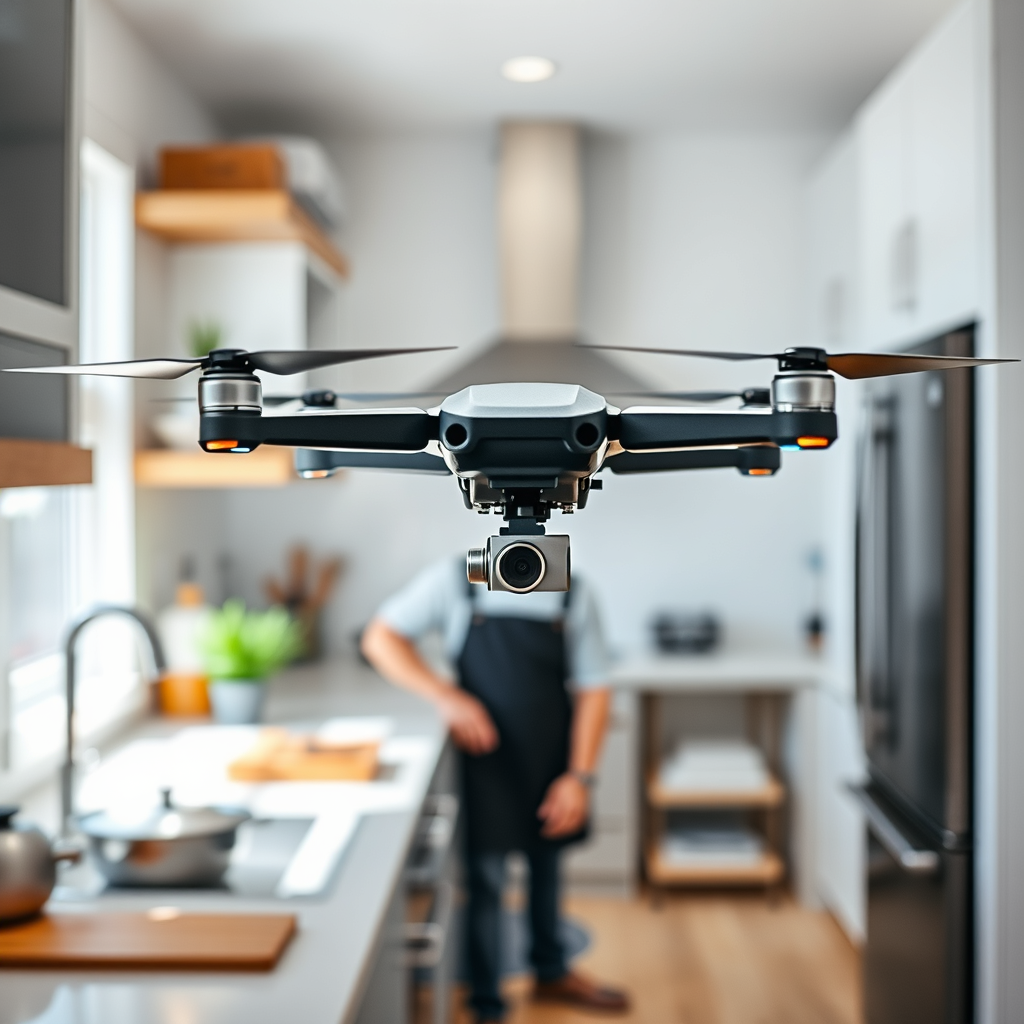
The Potensic Atom 3 boasts an impressive 7.5km FPV range, making it ideal for outdoor enthusiasts, while the Flyability Elios 4 is specifically designed for close-range inspections with a 100m Wi-Fi connection. Each drone serves distinct purposes in the market—one focused on recreational flying and the other on professional inspections. This article will compare these two drones, examining their features, performance, and user feedback to help you determine which is the best fit for your needs.
Overview of Potensic Atom 3
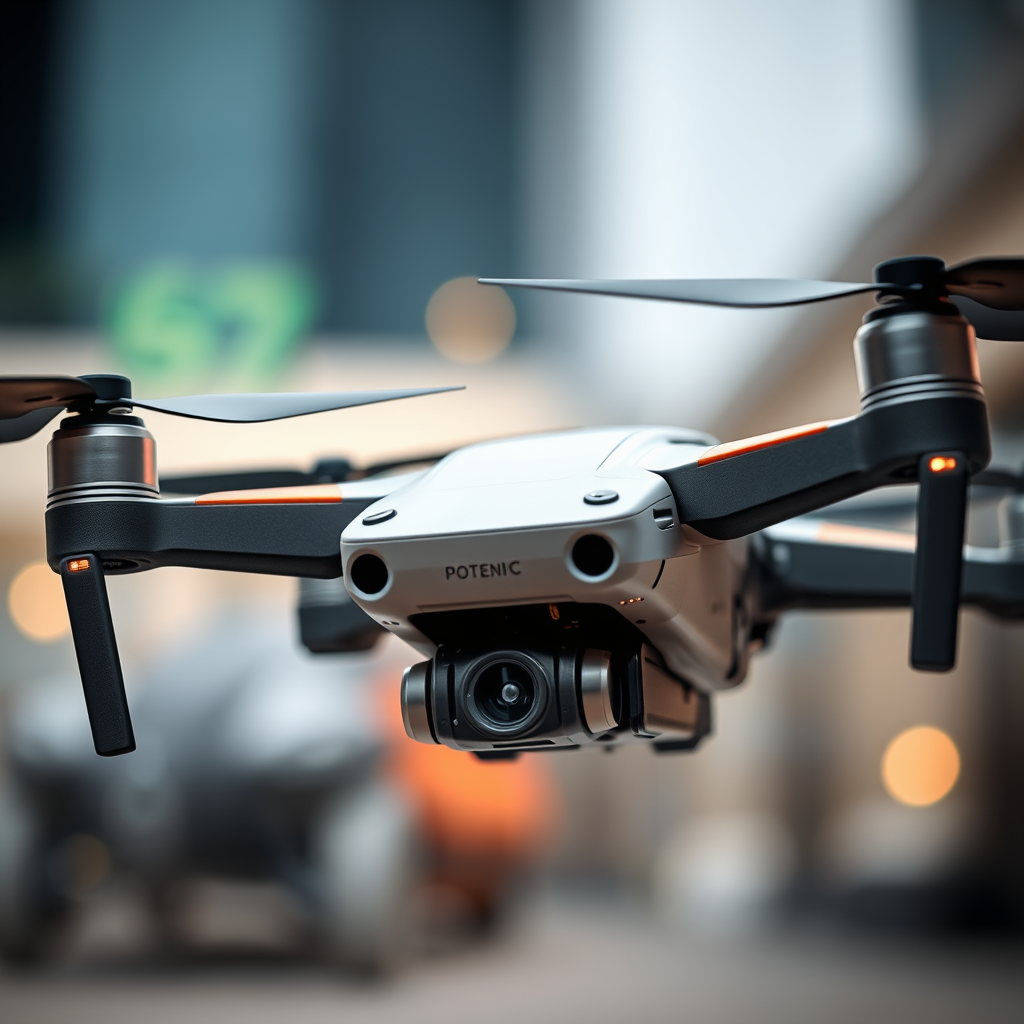
The Potensic Atom 3 is engineered for those who relish the freedom of long-distance flying and aerial photography. With its long-range FPV capability, this drone allows users to explore vast landscapes, making it perfect for outdoor adventures and scenic photography. The Atom 3 is equipped with advanced stabilization technology, which ensures smoother flight experiences even in challenging weather conditions. This feature is particularly beneficial for capturing high-quality images and videos without the usual motion blur.
Moreover, the Atom 3 offers a user-friendly interface that caters to both beginners and seasoned pilots. Its intuitive controls, combined with features such as altitude hold and one-key takeoff/landing, make it accessible for novices while still providing advanced functionalities that experienced users appreciate. The combination of these features makes the Potensic Atom 3 a versatile choice in the drone market, appealing to a wide range of users.
Overview of Flyability Elios 4
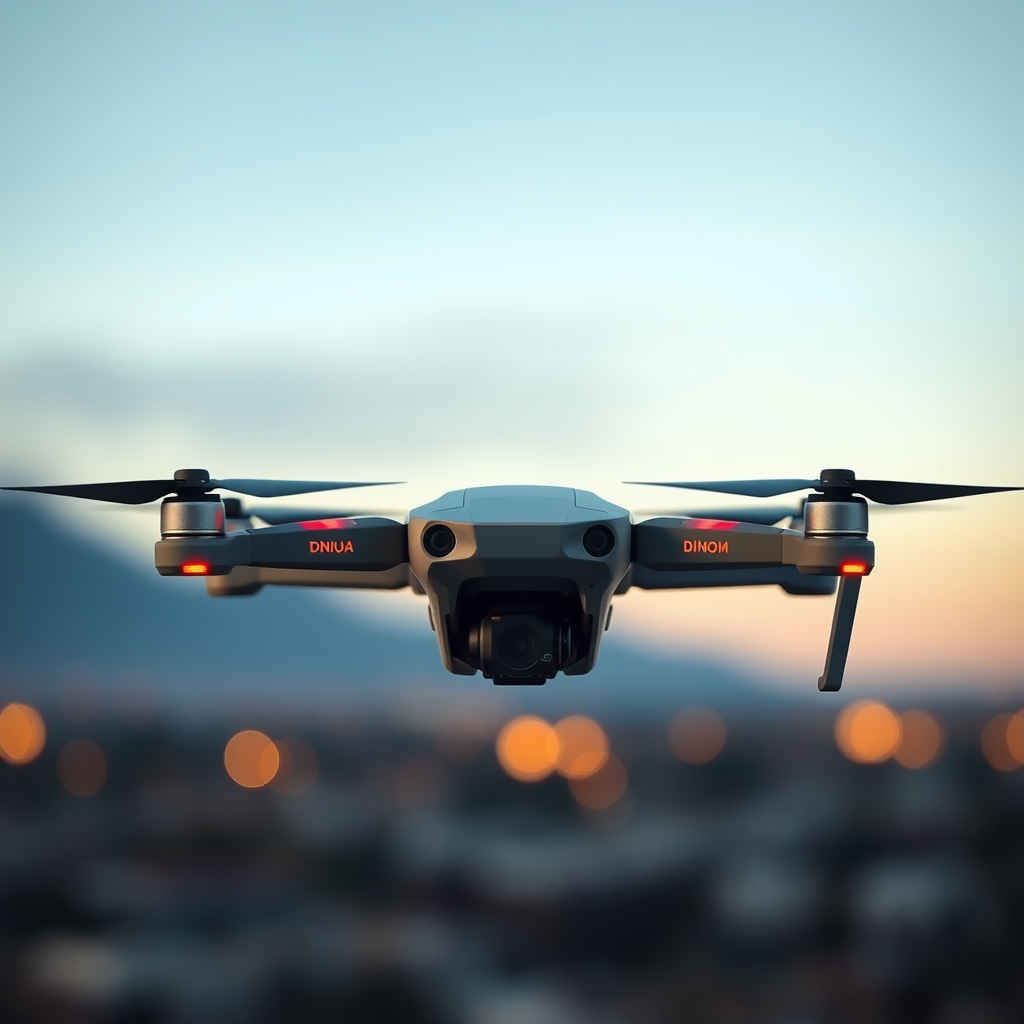
In contrast, the Flyability Elios 4 is meticulously designed for indoor and confined space inspections, addressing a niche that is critical for various industries. Its unique protective cage is a standout feature, allowing the drone to navigate through tight corridors, complex machinery, and hazardous environments without the risk of damage. This rugged design enables the Elios 4 to conduct inspections in challenging settings, such as industrial sites, power plants, and construction zones, where traditional drones might struggle.
Additionally, the Elios 4 incorporates real-time data transmission capabilities, allowing operators to analyze information on the spot during inspections. This feature is invaluable for professionals who require immediate feedback to make informed decisions. With specialized cameras that deliver high-resolution imaging and thermal data, the Elios 4 is perfectly tailored for detailed inspections, thus enhancing safety and efficiency in various operational contexts.
Performance Comparison: Range and Flight Time
When it comes to performance, the Potensic Atom 3 shines with its remarkable 7.5km FPV range. This extensive reach allows users to cover larger areas, making it perfect for applications such as search and rescue operations, wildlife monitoring, and scenic photography. The Atom 3’s extended flight time, often exceeding 30 minutes per charge, further enhances its appeal for long-distance exploration. With its robust battery life, pilots can enjoy extended sessions without frequent interruptions for recharging.
On the other hand, the Flyability Elios 4’s 100m Wi-Fi range may seem limited, but it is optimized for close-range inspections where precision is key. The shorter range allows for meticulous examinations of specific areas, making it highly effective for its intended applications. Although its flight time is generally shorter, averaging around 20 minutes, this is often sufficient for detailed inspections in confined spaces, where operators can maximize the utility of each flight.
Camera and Imaging Capabilities
The camera capabilities of the Potensic Atom 3 are designed to capture stunning high-resolution images and videos, making it suitable for landscape photography and recreational flying. With features like 4K video recording and adjustable camera angles, users can achieve breathtaking shots from various perspectives. This versatility allows hobbyists to explore their creativity without compromising on image quality.
In contrast, the Flyability Elios 4 focuses on specialized imaging for inspection purposes. It is equipped with advanced camera systems that provide not only high-resolution visuals but also thermal imaging capabilities. This is particularly advantageous for professionals inspecting infrastructure, as it allows for the identification of issues such as heat loss, moisture intrusion, or structural weaknesses. The ability to switch between visual and thermal imaging during inspections makes the Elios 4 an indispensable tool for professionals in the field.
Price Point and Budget Considerations
When considering the price point, the Potensic Atom 3 is generally more affordable, making it an attractive option for hobbyists and those on a tighter budget. Its competitive pricing does not compromise on features, allowing users to enjoy long-range flying and high-quality imaging without breaking the bank. This affordability has contributed to its popularity among recreational users seeking a reliable drone.
Conversely, the Flyability Elios 4 comes with a higher price tag, reflecting its specialized capabilities and professional-grade features. While this investment may be daunting for casual users, the advanced technology and durability it offers justify the cost for businesses requiring reliable inspection solutions. For professionals in sectors such as construction, oil and gas, and infrastructure, the Elios 4 represents a sound investment that can enhance operational efficiency and safety.
Ideal Use Cases for Each Drone
The Potensic Atom 3 is best suited for recreational flying, long-distance photography, and general exploration. Its user-friendly design and extensive range make it an excellent choice for outdoor enthusiasts looking to capture stunning aerial views or engage in leisurely aerial activities. Whether it’s filming a scenic landscape or exploring vast terrains, the Atom 3 offers the versatility needed for a fulfilling flying experience.
On the other hand, the Flyability Elios 4 excels in inspections of industrial sites, infrastructure, and hard-to-reach areas. Its specialized design and imaging capabilities make it the go-to choice for professionals conducting safety assessments, maintenance checks, or detailed surveys of confined spaces. The Elios 4 enables operators to gather critical data without the need for scaffolding or other equipment, significantly reducing time and costs associated with inspections.
User Reviews and Feedback
User reviews for the Potensic Atom 3 reflect a largely positive reception, with many praising its ease of use and impressive range. Beginners appreciate the straightforward controls and stabilization features, while experienced pilots enjoy the expansive exploration opportunities the drone provides. However, some users have reported occasional connectivity issues at longer distances, which could be a concern for those prioritizing reliability in extensive operations.
In contrast, the Flyability Elios 4 receives high marks for its durability and effectiveness in inspections. Users have highlighted its ability to withstand challenging environments while delivering reliable data for analysis. The real-time transmission feature is particularly praised for enhancing workflow efficiency. Nevertheless, potential buyers often mention the higher price point as a significant consideration, weighing the benefits against their budget constraints.
The Potensic Atom 3 and Flyability Elios 4 serve distinct niches in the drone market, with the Atom 3 appealing to recreational users and the Elios 4 designed for professionals needing reliable inspection capabilities. Depending on your needs—whether it’s long-range FPV exploration or close-range inspections—one may be a better fit than the other. Carefully consider your specific requirements, budget, and intended use before making a decision to ensure you select the drone that best meets your needs.
Frequently Asked Questions
What are the key differences between the Potensic Atom 3 and the Flyability Elios 4 for industrial inspections?
The Potensic Atom 3 features a remarkable 7.5 km FPV (First-Person View) range, making it ideal for expansive outdoor inspections where long-distance monitoring is essential. In contrast, the Flyability Elios 4 is designed for indoor and confined space inspections, with a limited Wi-Fi range of 100 meters but superior collision-resistance technology. These differences highlight the Atom 3’s strength in covering large areas versus the Elios 4’s specialized capabilities in navigating tight spaces.
How does the camera quality of the Potensic Atom 3 compare to that of the Flyability Elios 4?
The Potensic Atom 3 is equipped with a high-definition camera that captures 4K video and provides excellent image clarity for outdoor inspections. On the other hand, the Flyability Elios 4 comes with dual cameras, including a thermal imaging option, which is invaluable for detecting temperature anomalies in industrial environments. Therefore, while the Atom 3 excels in standard visual inspections, the Elios 4 offers advanced imaging capabilities for more specialized tasks.
Which drone is more cost-effective for budget-conscious users: the Potensic Atom 3 or the Flyability Elios 4?
For users on a budget, the Potensic Atom 3 typically comes at a lower price point compared to the Flyability Elios 4, which is aimed at professional users needing advanced features for industrial inspections. While the Atom 3 offers great value with its long-range capabilities and decent camera quality, the Elios 4’s higher cost reflects its specialized technology and durability for challenging environments. Therefore, choosing the right drone depends on the specific needs and budget of the user.
Why should I choose the Flyability Elios 4 for indoor inspections over the Potensic Atom 3?
The Flyability Elios 4 is specifically engineered for indoor and confined space inspections, making it the ideal choice for navigating through structures such as factories, tanks, and pipelines. Its robust design and collision-resistant features allow it to fly safely in tight spaces where the Potensic Atom 3 may struggle due to its larger size and outdoor focus. Thus, if your primary need is for detailed inspections in confined environments, the Elios 4 is a superior option.
How can I maximize the performance of my Potensic Atom 3 during outdoor inspections?
To maximize the performance of your Potensic Atom 3 during outdoor inspections, ensure that you fly in optimal weather conditions, avoiding high winds and rain that can affect stability and visibility. Regularly check and maintain the drone’s battery health, and utilize its 7.5 km FPV range by planning your flight path in advance to cover significant distances without losing signal. Additionally, familiarize yourself with the drone’s controls and features to enhance your inspection efficiency and safety.
References
- https://en.wikipedia.org/wiki/Comparison_of_drones
- https://www.reuters.com/technology/drones-are-changing-way-we-see-world-2021-10-01/
- https://www.sciencedirect.com/topics/engineering/unmanned-aerial-vehicle
- drones | TechCrunch
- https://www.nist.gov/news-events/news/2020/06/nist-research-helps-improve-drones-inspection-bridge-safety
- Page Not Found | GovInfo
- Drones | Latest News, Photos & Videos | WIRED
- https://www.nasa.gov/mission_pages/transformative-technology/technologies/drones.html
- https://www.theguardian.com/technology/drones
