

Choosing between the Potensic Atom and the JJRC H37 comes down to what you expect from a budget drone. Both models target entry-level buyers, but they serve different types of users. The Potensic Atom is the stronger all-around package for people who want better flight performance, sharper aerial footage, and longer battery life. The JJRC H37, on the other hand, is better suited to casual flying, basic practice, and shoppers who want the most affordable path into the drone hobby.
📋 About This Article
This article helps you choose the better budget drone by comparing the Potensic Atom and the JJRC H37 side by side. It’s for first-time drone shoppers and casual flyers who want simple guidance on which model fits their needs and budget. You’ll learn how their speed, camera quality, and typical battery life stack up in real use, plus which one makes the most sense for everyday flying versus low-cost practice.
At a glance, the differences are meaningful. The Potensic Atom reaches a top speed of around 20 mph, captures 4K video, and typically delivers 15 to 20 minutes of flight time per battery. The JJRC H37 offers a lower top speed of roughly 15 mph, records at 1080p, and usually stays in the air for about 8 to 12 minutes. Those figures may look simple on paper, but in real-world use they have a major impact on control, image quality, and overall value.
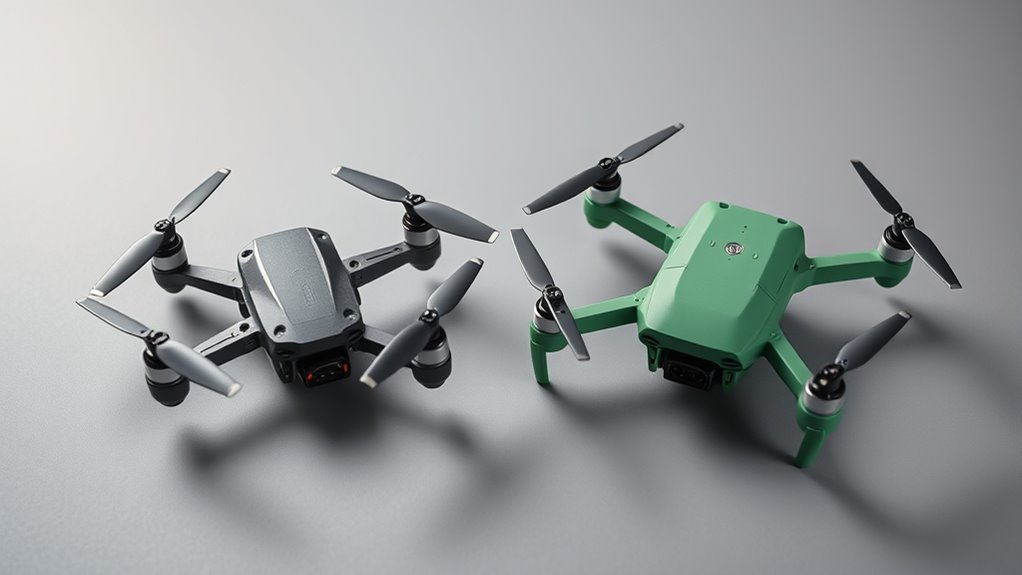
Potensic Atom vs. JJRC H37: Quick Verdict
If you want the better drone for everyday flying, content capture, and long-term satisfaction, the Potensic Atom is the clear winner. It offers a more refined flight experience, stronger camera performance, and fewer compromises for beginners who want room to improve.
The JJRC H37 still has a place in the market. It is a practical low-cost drone for light recreational use, indoor practice, and first-time pilots who are not focused on video quality or extended battery life. However, when comparing overall capability, the Atom delivers more substance in nearly every important category.
Design and Build Quality
In the entry-level drone segment, design is not only about looks. Build quality affects portability, crash resistance, stability in the hand, and confidence during repeated use. Most budget drones rely on lightweight plastic construction to keep weight low and pricing competitive, but material quality and frame design still make a noticeable difference.
Potensic Atom: Compact, polished, and more confidence-inspiring
The Potensic Atom presents itself as a more refined product. Its frame looks cleaner, feels more deliberate, and appears better optimized for portability. A compact airframe is especially useful for users who want to travel with the drone, store it easily, or launch quickly without a complicated setup process.
More importantly, the Atom’s use of reinforced plastic materials gives it a sturdier feel than many drones in its price range. That matters for beginners. Small bumps during landing, minor contact with obstacles, and routine transport wear are common parts of ownership. A drone that feels more rigid and better assembled tends to inspire greater trust over time.
JJRC H37: Functional and inexpensive
The JJRC H37 takes a simpler approach. Its design is clearly focused on affordability and ease of use rather than premium fit and finish. For some buyers, that is perfectly acceptable. A straightforward drone with basic controls can be appealing if the goal is casual fun without a large investment.
That said, the H37’s lighter-duty construction and more basic plastics may not hold up as well under frequent use. If you expect regular outdoor flights, repeated packing and unpacking, or the occasional rough landing, the difference in material quality becomes easier to notice. It is not necessarily fragile, but it does not project the same level of durability as the Atom.
Which drone feels better built?
For users who care about durability, portability, and long-term usability, the Potensic Atom has the stronger build. The JJRC H37 remains acceptable for light recreational flying, but it feels more like a starter drone with obvious trade-offs in material quality.
Flight Performance and Handling
Flight performance is where the gap between these two drones becomes more important. For most buyers, performance is not just about top speed. It also includes stability, responsiveness, control accuracy, and how comfortably the drone handles normal outdoor conditions.
Potensic Atom: Faster and more capable in the air
With a top speed of around 20 mph, the Potensic Atom offers a livelier and more capable flight profile. That extra speed gives it an advantage when covering ground, adjusting position for a shot, or flying in open areas where a drone needs more authority in the air. It also helps the Atom feel less limited as your piloting skills improve.
Beyond speed, a more advanced flight experience often translates into smoother control inputs and better directional response. This is especially valuable for aerial filming, where jerky movement can ruin otherwise usable footage. For buyers who want a budget drone that feels less toy-like and more practical, the Atom is the more convincing option.
JJRC H37: Adequate for short, casual flights
The JJRC H37 reaches approximately 15 mph, which is enough for simple recreational use. It can still provide enjoyable flights in calm conditions, and its modest performance may even feel less intimidating to complete beginners.
However, the lower speed ceiling and simpler flight behavior can become limiting outdoors. In light wind or open spaces, a slower drone often feels less planted and less flexible. For basic hovering and short-range play, the H37 does the job. For more ambitious flying, it shows its entry-level nature more quickly.
Stability and real-world control
Budget drones often struggle to balance affordability with stable flight control. In that context, the Potensic Atom’s better performance specifications make it the more practical choice for users who want a smoother learning curve. Greater speed and better overall tuning can improve confidence during takeoff, turning, and landing.
The JJRC H37 remains suitable for simple practice sessions, especially for users flying in controlled environments. But if stability, responsiveness, and outdoor usability matter, the Atom is the stronger performer.
Camera Quality and Aerial Imaging
Camera quality is one of the biggest deciding factors in any drone comparison. Even among affordable models, the difference between 4K video and 1080p recording is substantial. Resolution affects sharpness, editing flexibility, and how usable your clips look on modern screens.
Potensic Atom: 4K recording for better detail
The Potensic Atom includes a 4K camera, which gives it a major edge for aerial photography and video capture. Higher resolution means more image detail, better clarity in landscapes, and improved results when cropping or reframing footage in post-production.
For social media creators, travelers, or hobbyists who want better-looking footage without stepping into a premium drone category, this is one of the Atom’s most valuable advantages. Even if you are not a professional content creator, cleaner video quality makes the drone more rewarding to use.
JJRC H37: 1080p is serviceable, but limited
The JJRC H37 records at 1080p, which is still usable for basic clips and beginner experimentation. For first-time users who only want simple footage to share casually, Full HD may be enough.
Still, 1080p now sits at the lower end of the drone video market. It offers less detail, less flexibility for editing, and a less polished final result compared to 4K capture. If aerial content is even moderately important to your buying decision, the H37 is at a clear disadvantage.
Best drone for budget-friendly video
The Potensic Atom is the stronger choice for anyone who values aerial video quality, landscape detail, and a more future-proof camera specification. The JJRC H37 can record basic footage, but it is better thought of as a drone that happens to have a camera, rather than a drone designed around content creation.
Battery Life and Flight Duration
Battery life has a direct effect on the ownership experience. Short flight times can make a drone feel restrictive, especially when setup, calibration, and recovery all take time. In this comparison, endurance is another area where the Potensic Atom pulls ahead.
Potensic Atom: More time in the air
With an estimated 15 to 20 minutes of flight time per charge, the Potensic Atom offers a more usable session length. That extra time gives pilots more freedom to practice maneuvers, compose shots, and explore without feeling rushed.
Longer battery performance is also especially important for beginners. New pilots often spend more time hovering, repositioning, and learning controls. A drone that stays airborne longer creates a less stressful learning environment and reduces the constant need to recharge or swap batteries.
JJRC H37: Shorter flights, more interruptions
The JJRC H37 typically delivers around 8 to 12 minutes of flight time. For quick backyard flights or indoor sessions, that may be enough. But in practice, it means more interruptions and less time to settle into the experience.
Short battery life is one of the most common frustrations with lower-cost drones. Once you account for takeoff, orientation adjustments, and landing preparation, the usable window can feel even shorter. Buyers who want a more relaxed and productive flight session will likely prefer the Atom.
Ease of Use for Beginners
Both drones appeal to newcomers, but they do so in different ways. The JJRC H37 is approachable because it is simple and inexpensive. The Potensic Atom is beginner-friendly because it offers a more polished experience with fewer limitations.
JJRC H37: Low-cost entry point
If your main priority is spending as little as possible while learning the basics of drone operation, the JJRC H37 makes sense. It lowers the financial risk for first-time buyers and can be a comfortable starting point for users who simply want to practice short flights.
Potensic Atom: Better for beginners who want to grow
The Atom is the better fit for beginners who already know they want more than a toy-like experience. Its stronger camera, longer battery life, and better all-around performance make it easier to enjoy from day one and more useful as your confidence improves.
In other words, the H37 is easier to buy, but the Atom is easier to outgrow less quickly.
Value for Money
When evaluating drone value, price alone is not enough. The better question is what you receive for the money. A cheaper drone can still be the weaker value if its limitations lead to a shorter ownership lifespan or a less satisfying experience.
Potensic Atom: Higher value through better features
The Potensic Atom offers stronger value because it combines several high-impact features in one package: 4K camera capability, faster flight speed, longer battery life, and a more robust design. Those benefits affect everyday use in meaningful ways, making the Atom a smarter purchase for many budget-conscious buyers.
JJRC H37: Best for the lowest-cost buyer
The JJRC H37 still has value if your budget is extremely tight and your expectations are modest. It can provide an accessible introduction to drone flying without requiring a larger commitment. But its trade-offs are more noticeable, and many users may find themselves wanting an upgrade relatively soon.
Who Should Buy the Potensic Atom?
The Potensic Atom is the better choice for:
- Beginners who want a drone they will not outgrow immediately
- Users who care about 4K aerial video and better image quality
- Pilots who want longer flight time per battery
- Shoppers looking for a more durable and travel-friendly drone
- Recreational users who want stronger all-around performance
Who Should Buy the JJRC H37?
The JJRC H37 is better suited to:
- First-time buyers with a very limited budget
- Casual users who want simple recreational flying
- People who are comfortable with 1080p video and shorter flights
- Users looking for a basic practice drone for light use
For most buyers comparing these two models directly, the Potensic Atom stands out as the more complete budget drone. It is faster, records better video, flies longer, and feels more capable across day-to-day use. The JJRC H37 remains a reasonable starter option for very light use, but if you want a drone that offers stronger performance and better long-term satisfaction, the Atom is the one that makes more sense.
Frequently Asked Questions
Is the Potensic Atom better than the JJRC H37 for beginners?
For most beginners, the Potensic Atom is the better choice if budget allows. It is designed as a more capable entry-level drone with stronger flight stability, better camera performance, and more modern flying features. These advantages make it easier for new pilots to get smoother footage and more confidence during flight. The JJRC H37, on the other hand, is usually aimed at casual users who want a very low-cost, lightweight drone for basic flying and simple fun. If you are learning and want a drone that can grow with your skills, the Potensic Atom is typically the stronger beginner option. If you only want an inexpensive toy-like drone for short-range practice, the JJRC H37 may still be enough.
How do the cameras compare on the Potensic Atom and JJRC H37?
The Potensic Atom generally offers a much better camera experience than the JJRC H37. In most comparisons, the Atom is built for users who want clearer photos, smoother video, and more reliable image quality for travel, outdoor shooting, or social media content. The JJRC H37 usually has a simpler camera setup, which can be fine for basic snapshots or casual flying, but it is not typically the better option for high-quality aerial footage. If camera quality is one of your top priorities, the Potensic Atom is the more suitable pick because it delivers a more polished and usable result overall.
Which drone has better flight time and range?
The Potensic Atom usually has the advantage in both flight time and control range. It is made to provide a more practical flying experience, which is important for outdoor use, scenic shots, and longer practice sessions. The JJRC H37 is generally more limited, with shorter battery life and a more basic operating range, making it better suited for quick flights in smaller open spaces. If you want a drone that can stay in the air longer and give you more flexibility in how and where you fly, the Potensic Atom is typically the better value despite the higher price.
Is the JJRC H37 worth buying if the Potensic Atom is more advanced?
Yes, the JJRC H37 can still be worth buying for the right user. Not everyone needs advanced features, better imaging, or extended range. If your main goal is to get an inexpensive drone for kids, indoor flying, light outdoor use, or simple recreational practice, the JJRC H37 may offer enough for your needs at a lower cost. However, buyers should understand that they are trading away performance, stability, and camera quality. The Potensic Atom is the better all-around drone, but the JJRC H37 remains a reasonable budget option for people who prioritize affordability over features.
Which drone offers better value for money in a budget drone face-off?
Value depends on what you expect from the drone. The JJRC H37 may seem like the better bargain upfront because it usually costs less, but its lower price often comes with more compromises in build quality, camera results, range, and flight performance. The Potensic Atom often provides better long-term value because you get a more refined drone that is easier to fly, more capable outdoors, and better suited for capturing content. If you want the cheapest possible way to start flying, the JJRC H37 can be a fair purchase. If you want a more complete and satisfying budget drone experience, the Potensic Atom is usually the better investment.
