
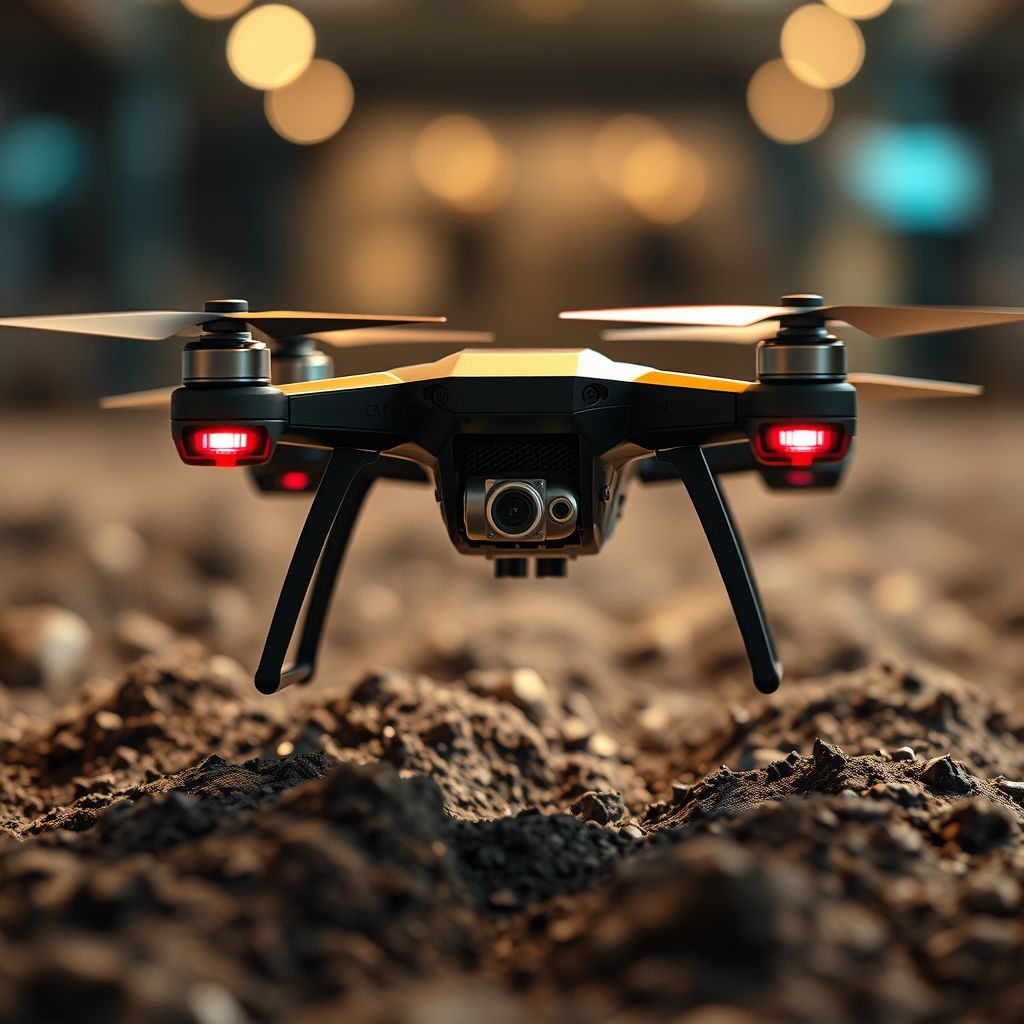
The prototype for a drone capable of digging soil integrates cutting-edge robotics and innovative engineering, offering a transformative solution for agriculture and construction. This advanced machine automates soil preparation tasks, significantly reducing the time and labor involved in traditional methods while enhancing efficiency and precision in soil management.
Overview of the Drone Prototype
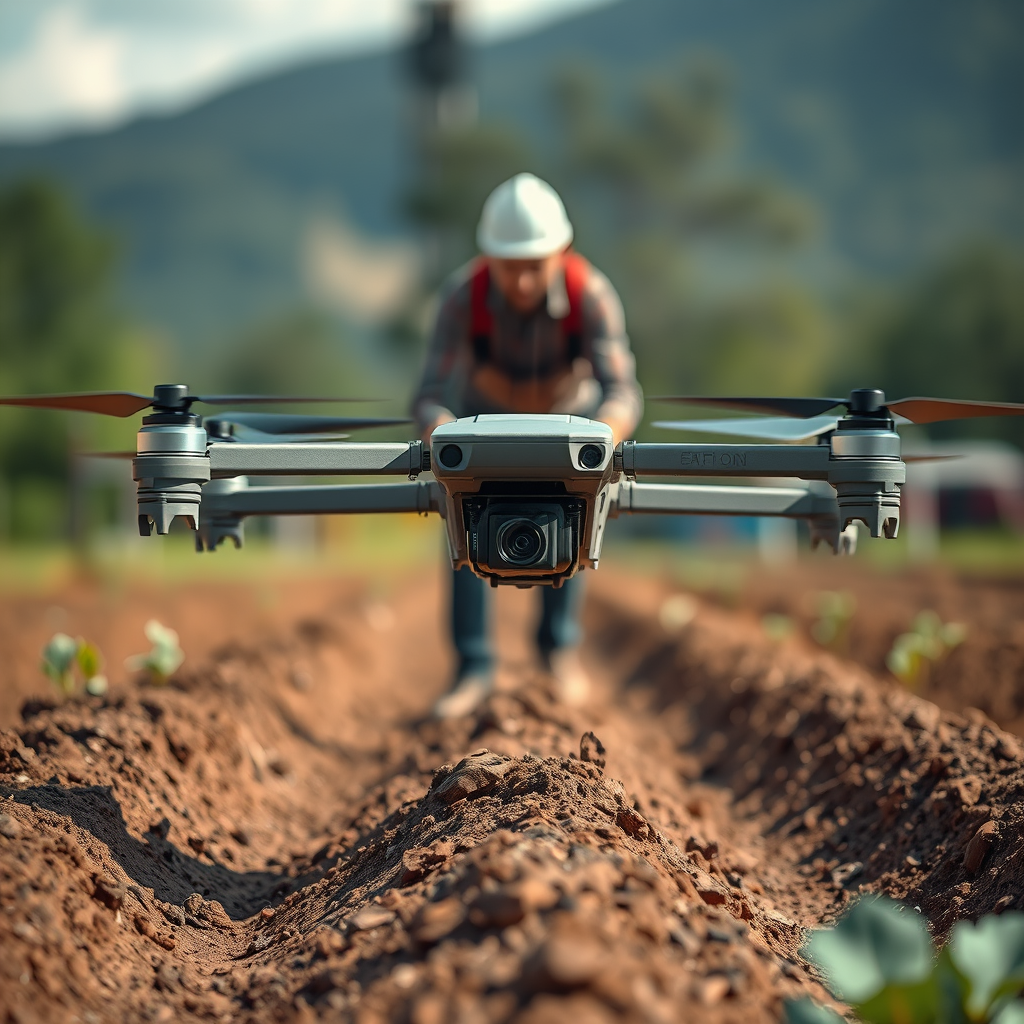
The drone’s design is both functional and aerodynamic, allowing it to navigate various terrains with ease. Equipped with robust rotors and a lightweight chassis, the drone is constructed from high-strength materials such as carbon fiber and aluminum. This ensures durability while minimizing weight for optimal flight performance. The most striking feature of this prototype is its digging apparatus, which employs a combination of hydraulic and mechanical systems to break up soil efficiently.
At the heart of the drone’s digging capability is a specialized auger system that can penetrate various soil types, from loose topsoil to harder clay. The technology includes sensors that assess soil density and moisture levels, allowing the drone to adjust its digging depth and speed automatically. This adaptability not only enhances the effectiveness of the digging process but also minimizes soil disruption, crucial for maintaining soil health.
Applications in Agriculture
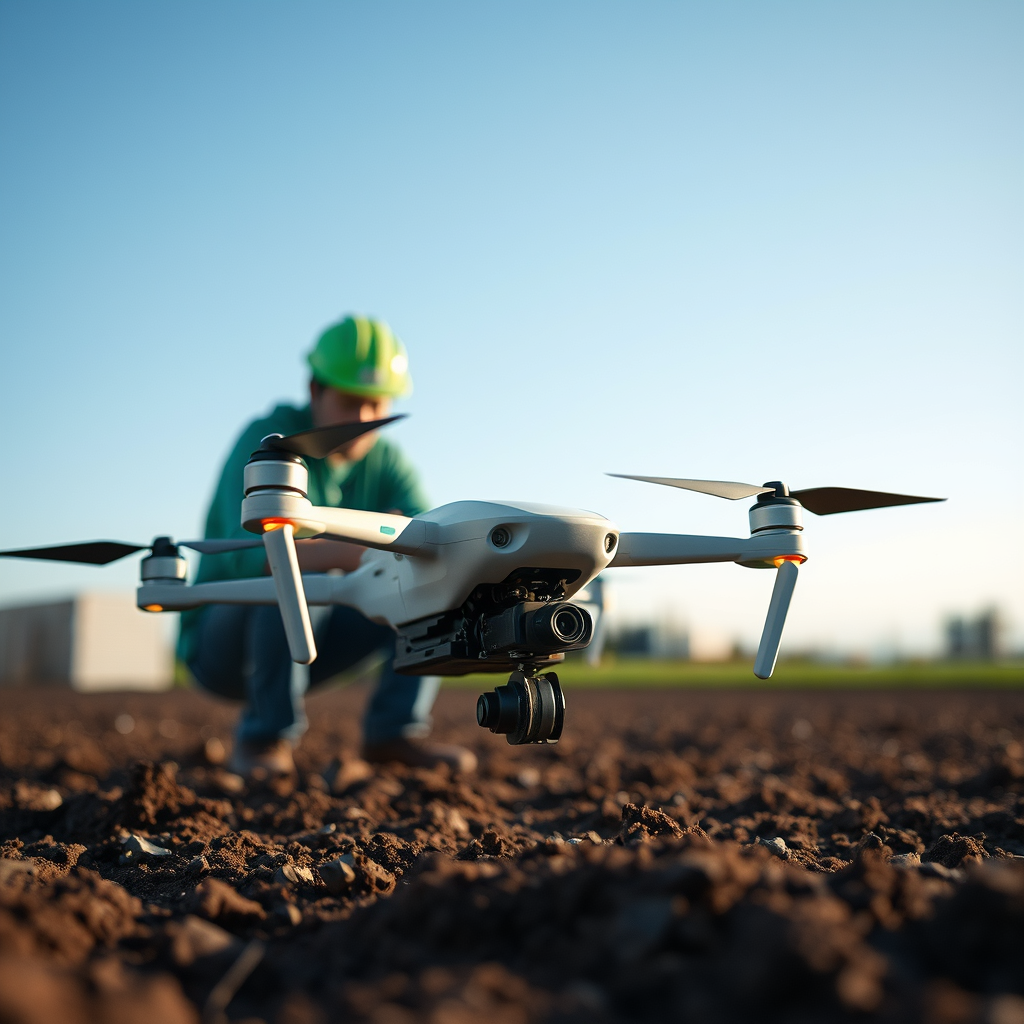
In agriculture, the soil is a vital resource that requires careful management. The drone prototype enhances soil management practices by automating tilling and preparation, which are essential for optimal crop growth. By using this drone, farmers can achieve uniform soil aeration, which improves root penetration and water retention. This technology allows for more precise planting, reducing seed wastage and increasing yield potential.
Moreover, the drone’s ability to gather real-time data about soil conditions can inform farmers about nutrient deficiencies and moisture levels. This information can lead to more targeted interventions, such as the application of fertilizers and water, ultimately enhancing crop maintenance. As a result, farmers can achieve higher productivity while reducing resource use and labor costs.
Applications in Construction
In the construction sector, the drone plays a pivotal role in excavation and site preparation. Traditional excavation methods often require large machinery and significant manpower. However, this drone’s capability to dig soil quickly and accurately can streamline the initial phases of construction projects. By automating the excavation process, project timelines can be significantly shortened, leading to faster project completions.
Additionally, the drone can access tight spaces and challenging terrains that would be difficult for conventional machinery to navigate. This flexibility not only increases efficiency but also reduces labor costs associated with hiring heavy machinery operators. Ultimately, the integration of this drone into construction workflows can lead to more cost-effective and environmentally friendly practices.
Technical Specifications
The materials used in the construction of the drone are carefully selected to balance strength and weight. The carbon fiber body provides resilience against wear and tear, while the aluminum frame supports the drone’s structure without adding excessive weight. The digging mechanism utilizes a combination of stainless steel and reinforced polymers to withstand the stresses of soil excavation.
In terms of power, the drone is equipped with a high-capacity lithium-polymer battery, allowing for extended operational periods between charges. Advanced energy management systems optimize battery usage, ensuring that the drone can complete its tasks efficiently. The operational capabilities include a flight range of up to five kilometers and a digging depth of approximately one meter, making it suitable for a variety of soil conditions and project requirements.
Challenges and Limitations
Despite its promising potential, the development of a fully operational drone capable of digging soil faces several technical hurdles. One primary challenge is the need for robust navigation systems that can function effectively in various environmental conditions. Ensuring that the drone can accurately assess and adapt to different soil types while maintaining flight stability is crucial for its success.
Furthermore, there are environmental considerations and regulations that must be taken into account. The use of drones in agricultural and construction settings is subject to local and national regulations regarding land use and environmental protection. Ensuring compliance with these regulations while promoting the benefits of the technology can pose a significant challenge.
Future Developments
Looking ahead, advancements in drone technology for soil digging are likely to focus on improving automation and data analytics. Future iterations of this prototype may incorporate artificial intelligence and machine learning algorithms, enabling the drone to make more nuanced decisions based on environmental data. This could lead to even greater efficiencies in soil management and construction processes.
Additionally, as battery technology continues to evolve, future drones may feature longer flight times and quicker recharge capabilities, further enhancing their operational effectiveness. The expected impact on industries reliant on soil manipulation is profound, as these drones may become integral tools for sustainable practices, increasing productivity while minimizing environmental footprints.
The potential for widespread adoption of soil-digging drones could revolutionize the agricultural and construction sectors, leading to smarter, more efficient practices that align with modern sustainability goals.
In summary, the prototype drone designed for digging soil represents a significant leap forward in efficiency for both agricultural and construction sectors. As technology progresses, these drones could revolutionize the way we interact with soil, paving the way for smarter practices. Stay tuned for updates on this exciting innovation!
Frequently Asked Questions
What are the main features of a prototype drone designed for digging soil?
A prototype drone designed for digging soil typically includes features such as a robust digging mechanism, powerful rotors for stable flight, and specialized sensors for terrain assessment. The digging mechanism can consist of an auger or claw to efficiently excavate soil, while sensors like GPS and LiDAR enable precise navigation and depth measurement. Additionally, the drone is often equipped with a durable frame to withstand the rigors of outdoor operation and various weather conditions.
How can a soil-digging drone improve agricultural practices?
A soil-digging drone can significantly enhance agricultural practices by automating soil preparation, reducing labor costs, and increasing efficiency. It allows for precise digging and sampling in hard-to-reach areas, enabling farmers to gather soil data and improve crop yields. Moreover, this technology can minimize soil compaction, as drones can operate without heavy machinery, preserving soil structure and health.
Why is a drone better for digging soil than traditional methods?
Drones offer numerous advantages over traditional soil-digging methods, including increased speed, reduced labor intensity, and improved precision. They can access challenging terrains that may be difficult for machinery or human operators to navigate, and their ability to gather real-time data enhances decision-making. Additionally, drones can perform tasks without disturbing the surrounding environment, leading to less soil disruption and better ecological outcomes.
What are the challenges faced when developing a soil-digging drone prototype?
Developing a soil-digging drone prototype presents several challenges, such as ensuring adequate power supply for the digging mechanism while maintaining flight stability. Engineers must also consider the weight of the digging apparatus, which can affect flight performance. Furthermore, creating a user-friendly interface for operators and integrating advanced technologies like GPS and imaging sensors can complicate the design process, requiring careful planning and testing.
Which industries can benefit from using a drone that digs soil?
Several industries can benefit from a drone designed for digging soil, including agriculture, landscaping, construction, and environmental research. In agriculture, it can assist with soil testing and preparation for planting. Landscaping companies can use it to efficiently create garden beds, while construction firms can utilize it for site preparation. Environmental researchers may employ these drones to study soil erosion and habitat restoration efforts, making this technology versatile and impactful across various sectors.
References
- https://en.wikipedia.org/wiki/Drone
- https://www.sciencedirect.com/science/article/pii/S2351978917303141
- https://www.nature.com/articles/s41598-019-42979-5
- https://www.researchgate.net/publication/331789597_Aerial_robots_for_plant_soil_interaction
- https://www.earthobservatory.nasa.gov/images/147453/how-drones-are-changing-agriculture
- https://www.aaas.org/news/drones-soil-health-and-farming
- https://www.usda.gov/topics/farming/drones-agriculture
- https://www.nasa.gov/feature/what-is-a-drone
- https://www.wired.com/story/how-drones-are-revolutionizing-farming/
