

For buyers searching for a low-cost camera drone, the Snaptain brand often appears near the top of the list. It is marketed as an accessible entry point into aerial photography, recreational flying, and beginner drone training. The real question, however, is whether a Snaptain drone offers enough performance, reliability, and practical value to justify the purchase. For first-time pilots, casual users, and parents shopping for a user-friendly quadcopter, that answer depends on expectations.
📋 About This Article
This article helps you decide whether a Snaptain drone is worth buying by putting its beginner-friendly features to the test for everyday users. It’s written for first-time pilots, casual hobbyists, and parents looking for an easy-to-fly camera drone without paying premium prices. You’ll learn what to expect from its flight performance and camera results, what limitations to watch for, and how well it holds up for real-world recreational flying.
In most cases, the Snaptain drone is worth considering if your priority is affordability and ease of use rather than professional-grade image quality or advanced flight systems. It is built for beginners who want a straightforward flying experience, simple controls, and entry-level camera features without spending heavily on a premium drone. While it does have limitations in flight time, camera resolution, and range, it performs well within its price category and remains a solid option for hobby use.
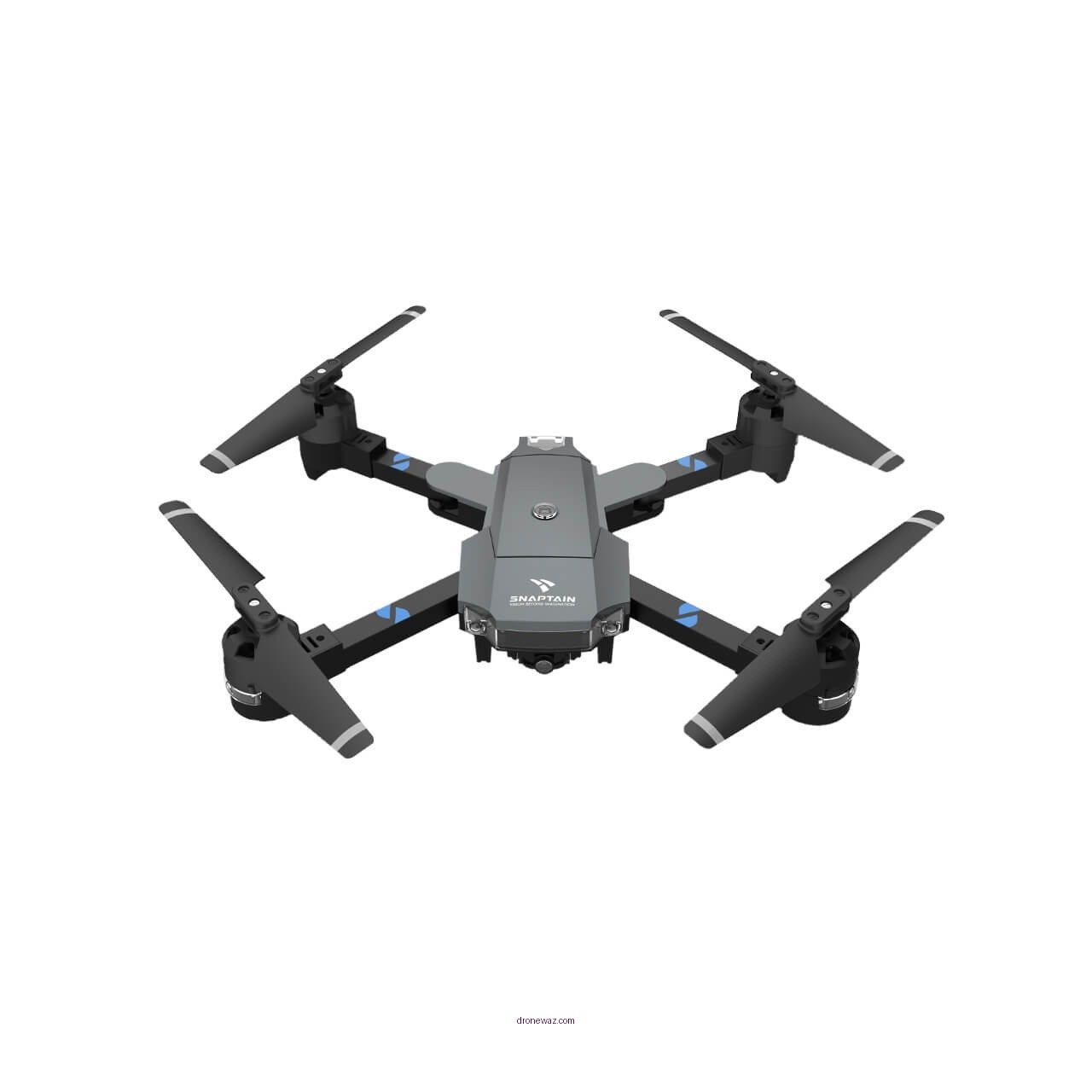
Snaptain Drone Review: What It Offers
The Snaptain drone is designed for novice pilots and recreational users who want to explore the basics of drone flying without the complexity of high-end aerial platforms. In the budget drone market, that positioning matters. Many entry-level drones promise advanced features but fail to deliver stable flight or reliable controls. Snaptain takes a more practical approach by focusing on beginner-friendly performance, lightweight construction, and simple setup.
Depending on the model, common specifications include a 720p HD camera, flight time of around 10 to 12 minutes per battery, and a control range of roughly 80 to 100 meters. These specifications are modest by today’s standards, but they are suitable for short outdoor flights, indoor practice sessions, and casual photo or video capture. For a starter drone, the emphasis is less on cinematic footage and more on confidence-building flight performance.
Design and Build Quality
Compact, Portable, and Beginner-Friendly
One of the strongest aspects of the Snaptain drone is its compact form factor. The lightweight body makes it easy to carry, and many models feature foldable arms for better portability. This is a practical advantage for users who want to take the drone to parks, open fields, or weekend trips without carrying bulky equipment.
The design also reflects its target audience. It feels approachable rather than intimidating, which is important for beginners and younger users. Setup is usually simple, and the controls are designed to reduce the learning curve. For anyone entering the drone hobby for the first time, that kind of convenience can make a significant difference.
Durability for Everyday Flying
Snaptain drones are typically made from durable plastic materials that can handle light impacts and minor crashes. This is a valuable feature because beginner pilots are far more likely to experience rough landings, clipped obstacles, or unstable takeoffs during early practice sessions. A drone in this category does not need premium materials as much as it needs resilience.
Many models also include propeller guards, which improve safety and help reduce damage during accidental collisions. For indoor flying or family use, this added protection makes the drone more forgiving and easier to manage.
Flight Performance and Handling
Stable Flight for New Pilots
Flight stability is one of the main reasons Snaptain has become popular in the beginner drone segment. A 6-axis gyroscope helps the drone maintain balance and remain steady in the air, which improves control during hovering and basic maneuvers. For inexperienced users, this stability creates a more predictable flight experience and reduces frustration.
In calm weather, the drone generally responds well to directional commands and altitude adjustments. It is suitable for learning core skills such as takeoff, hovering, turning, and landing. Some models also include altitude hold, headless mode, and one-key takeoff or landing, all of which support easier operation.
Wind Resistance and Outdoor Use
Like most lightweight budget drones, the Snaptain drone performs best in low-wind conditions. It can handle mild outdoor breezes, but stronger wind can affect stability, drift, and video quality. That limitation is not unusual in this price range, yet it is important for buyers to understand. If you plan to fly frequently outdoors in open areas, performance will depend heavily on weather conditions.
For indoor flying or outdoor use on calm days, the drone remains manageable and enjoyable. For more demanding environments, users may eventually outgrow its capabilities and look toward a more powerful GPS drone.
Camera Quality and Aerial Photography Experience
What to Expect from the HD Camera
The Snaptain drone usually comes equipped with a 720p HD camera, which is acceptable for basic aerial snapshots and casual video recording. It is not intended for professional content creation, commercial drone work, or cinematic footage. Instead, it serves users who simply want to capture fun overhead views, family moments, or landscape clips during recreational flights.
Image quality is generally decent in good daylight. Colors may appear reasonable, and the footage can be enjoyable for social sharing or personal use. However, sharpness, dynamic range, and stabilization are limited compared with more advanced drones. If camera performance is your top priority, the Snaptain drone may feel restrictive.
Who the Camera Is Best For
This camera setup makes the most sense for beginners experimenting with aerial photography for the first time. It allows users to understand framing, perspective, and basic airborne shooting without investing in expensive hardware. In that sense, the Snaptain drone works well as a learning tool.
For hobbyists who value affordability over image perfection, the camera is good enough. For creators seeking high-resolution video, strong low-light performance, or gimbal stabilization, it will fall short.
Battery Life and Range
Battery life is often a deciding factor in any drone review, and Snaptain delivers average performance for the entry-level market. Most models provide around 10 to 12 minutes of flight time per charge. That is enough for short practice sessions or quick aerial clips, but it may feel limited for users who want longer outings.
The practical solution is to keep extra batteries on hand. Because these drones are built for short recreational flights, swapping batteries can make the overall experience much more satisfying. Without a spare battery, the fun may end just as the user becomes comfortable in the air.
The control range, typically around 80 to 100 meters, is suitable for close-range flying and beginner training. It is not designed for long-distance exploration. This shorter range actually benefits many first-time users because it encourages safer flying habits and keeps the drone within visual line of sight.
Ease of Use and User Experience
Ideal for First-Time Drone Owners
One of the biggest selling points of the Snaptain drone is its ease of use. Features such as one-button takeoff and landing, altitude hold, and simplified directional control make it easier for new pilots to gain confidence. This accessibility is especially valuable for children, teenagers, and adults who have never operated a quadcopter before.
The learning curve is relatively low, and that helps reduce the intimidation factor that often comes with drone ownership. Instead of spending hours understanding advanced flight settings, users can focus on practicing and enjoying the experience.
Controller and App Integration
Depending on the Snaptain model, the drone may include a basic controller and smartphone connectivity options. Some versions support app-based controls, gesture commands, or real-time FPV viewing. These additions can make the drone feel more interactive, especially for users interested in first-person flight experiences.
That said, app performance and wireless responsiveness may vary by device and operating environment. Buyers should view these features as useful bonuses rather than premium-grade functionality.
Who Should Buy a Snaptain Drone?
The Snaptain drone is best suited for:
- Beginners learning how to fly a drone
- Casual hobbyists seeking an affordable quadcopter
- Parents buying a starter drone for older children or teens
- Users interested in basic aerial photography and short videos
- Travelers who want a lightweight recreational drone
It is less suitable for:
- Professional photographers and videographers
- Users needing GPS tracking and advanced flight modes
- Buyers expecting long battery life and strong wind resistance
- Creators who require high-resolution stabilized footage
Snaptain Drone Pros and Cons
Pros
- Affordable price point
- Beginner-friendly controls and flight features
- Lightweight, portable, and often foldable design
- Decent stability for entry-level flying
- Durable enough for minor bumps and practice crashes
Cons
- Limited camera quality compared with premium drones
- Short flight time per battery
- Modest control range
- Reduced performance in windy conditions
- Not ideal for advanced aerial content creation
Is the Snaptain Drone Worth Your Investment?
If you are looking for a budget drone that is easy to fly, simple to carry, and capable of delivering a fun recreational experience, the Snaptain drone is a worthwhile investment. It does not compete with premium DJI drones or high-performance camera drones, but that is not its purpose. Its real value lies in accessibility, beginner usability, and low-cost entry into the drone hobby.
For first-time buyers, the Snaptain drone offers a sensible balance of price, flight stability, and basic camera functionality. As long as expectations remain realistic, it can be a rewarding purchase. Users who want an affordable training drone or a casual aerial photography companion will likely find it a good fit. Those seeking professional features, longer flight endurance, or superior imaging technology should consider stepping up to a more advanced model.
Frequently Asked Questions
Is a Snaptain drone worth buying for beginners?
Yes, a Snaptain drone can be a worthwhile choice for beginners, especially for users who want an affordable entry point into drone flying without investing in a premium model right away. Many Snaptain drones are designed with beginner-friendly features such as altitude hold, one-key takeoff and landing, headless mode, and basic obstacle awareness on select models. These features help reduce the learning curve and make early flights less intimidating. However, whether it is truly worth your investment depends on your expectations. If you want a simple drone for casual flying, learning controls, and capturing basic aerial footage, Snaptain often offers solid value. If you expect professional-grade camera quality, advanced tracking, or long flight range, you may outgrow it quickly and be better served by a higher-end brand.
How does Snaptain compare to more expensive drone brands?
Snaptain drones generally compete on affordability rather than premium performance. Compared with more expensive brands, Snaptain models usually offer shorter battery life, lower camera resolution, less stable GPS performance, and fewer advanced intelligent flight features. That said, they can still be appealing for hobbyists who do not need cinematic video quality or professional flight tools. A more expensive drone often delivers better image stabilization, stronger wind resistance, more reliable app integration, and safer autonomous flight modes. Snaptain stands out as a budget-conscious option, but buyers should understand that the lower price usually comes with trade-offs in build quality, flight precision, and long-term durability.
What are the main pros and cons of Snaptain drones?
The main advantages of Snaptain drones include affordable pricing, beginner-friendly controls, compact designs on many models, and useful starter features that help new pilots gain confidence. They are often easy to set up and can be a fun way to explore drone flying without a large financial commitment. On the downside, some users report limitations in flight stability, camera consistency, app reliability, and battery endurance. Depending on the model, replacement parts and long-term support may also be less robust than what you would find from more established premium manufacturers. In short, the pros are accessibility and value, while the cons usually involve performance limitations and fewer advanced capabilities.
Are Snaptain drones good for photography and video?
Snaptain drones can be good for casual photography and basic video recording, but they are not typically the best option for creators who need highly polished aerial content. For social media clips, personal travel footage, and beginner practice, many Snaptain models offer acceptable results for the price. However, image sharpness, low-light performance, stabilization, and overall video smoothness may not match what you get from more advanced drones with better sensors and gimbal systems. If your goal is to capture professional real estate footage, commercial video, or cinematic travel films, a Snaptain drone may feel limiting. If your goal is fun, experimentation, and light content creation, it can still be a reasonable investment.
Who should invest in a Snaptain drone, and who should skip it?
A Snaptain drone is best suited for first-time flyers, teens, casual hobbyists, and budget-minded buyers who want to learn the basics without spending too much. It can also make sense for someone who wants a secondary drone for recreational use or indoor and backyard practice. On the other hand, experienced drone pilots, professional photographers, and buyers who prioritize top-tier camera quality, precise GPS navigation, and advanced autonomous flight features may want to skip Snaptain and invest in a higher-performance model. Ultimately, Snaptain is worth considering if your priorities are affordability and ease of use, but less ideal if you need premium reliability, long-range capability, or professional results.
