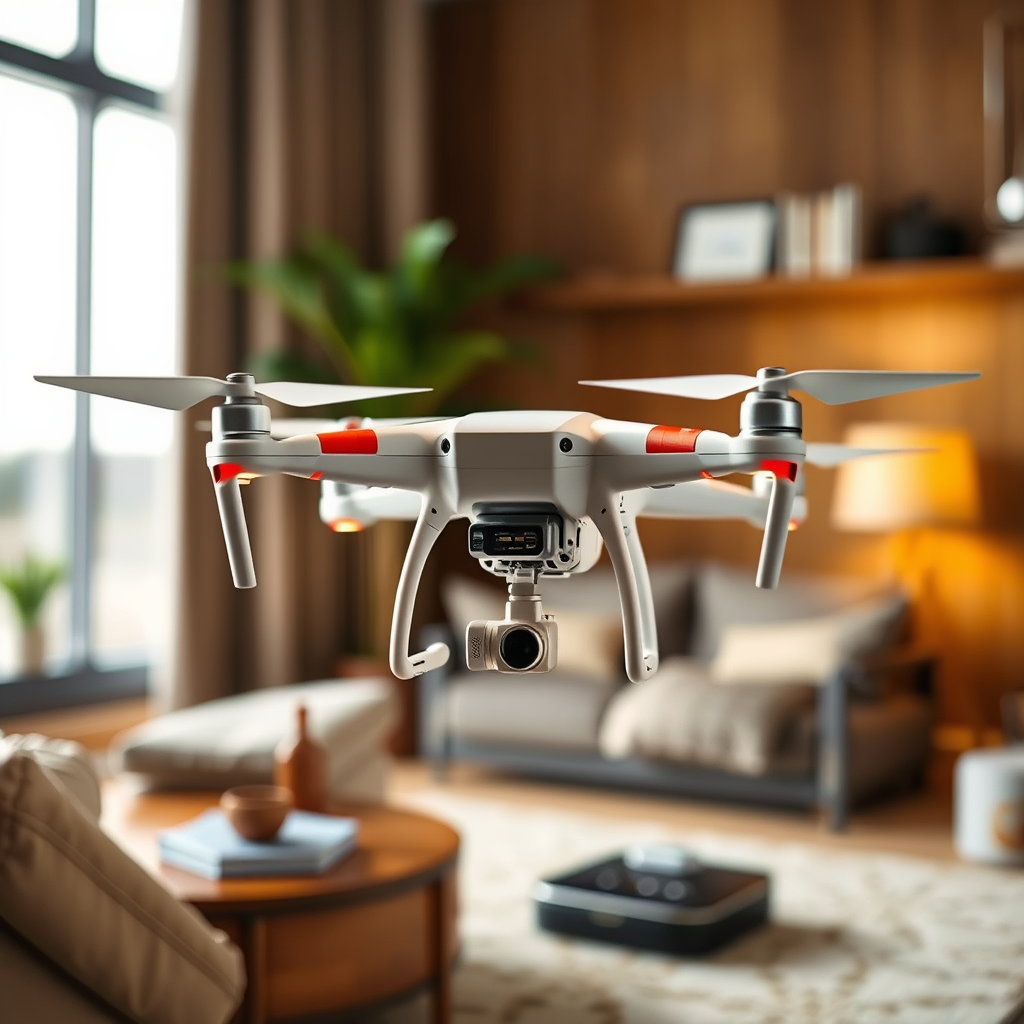
How High Can a Phantom 3 Drone Fly?
The Phantom 3 drone can fly up to 1,200 meters (approximately 3,937 feet) above sea level under optimal conditions. This impressive altitude capability makes it a popular choice…
Read More →The Phantom 3 drone can fly up to 1,200 meters (approximately 3,937 feet) above sea level under optimal conditions. This impressive altitude capability makes it a popular choice…
Read More →Most personal drones can fly between 100 to 400 feet, but some advanced models may reach altitudes of up to 16,000 feet under specific conditions. Understanding the various…
Read More →Holy Stone drones can typically fly up to 400 feet (about 122 meters) in the air, which is the standard maximum altitude recommended for most consumer drones. This…
Read More →Drones can typically fly between 400 to 500 feet above ground level, depending on regulations and the type of drone. Understanding the factors that determine how high a…
Read More →Drones can typically reach altitudes of up to 400 feet (120 meters) in the United States, according to FAA regulations. However, some high-performance models can ascend much higher,…
Read More →Most average consumer drones can fly up to 400 feet (120 meters) above ground level, which is a standard limit set by aviation authorities in many countries. This…
Read More →Recreational drones can typically fly up to 400 feet above ground level, which is the maximum altitude permitted by the Federal Aviation Administration (FAA) in the United States.…
Read More →The Phantom 4 drone can fly up to 6,000 meters (approximately 19,685 feet) above sea level under optimal conditions. However, various factors can influence its actual flying altitude,…
Read More →The Drone X Pro can fly up to an impressive altitude of 120 meters (approximately 394 feet). This capability not only facilitates stunning aerial photography but also enhances…
Read More →Drones can typically fly up to 400 feet (120 meters) in the United States, as regulated by the FAA. This altitude limit is crucial for ensuring the safety…
Read More →