
Choosing between the Teal 2 and Anzu Raptor V ultimately hinges on your specific operational requirements and tactical needs. Both drones offer advanced capabilities for 7km LTE communication and NDAA compliance, but they cater to different user preferences and mission profiles. In this article, we’ll explore the key differences and similarities between these two advanced drones, helping you determine which one best meets your needs for tactical operations.
Overview of Teal 2 and Anzu Raptor V
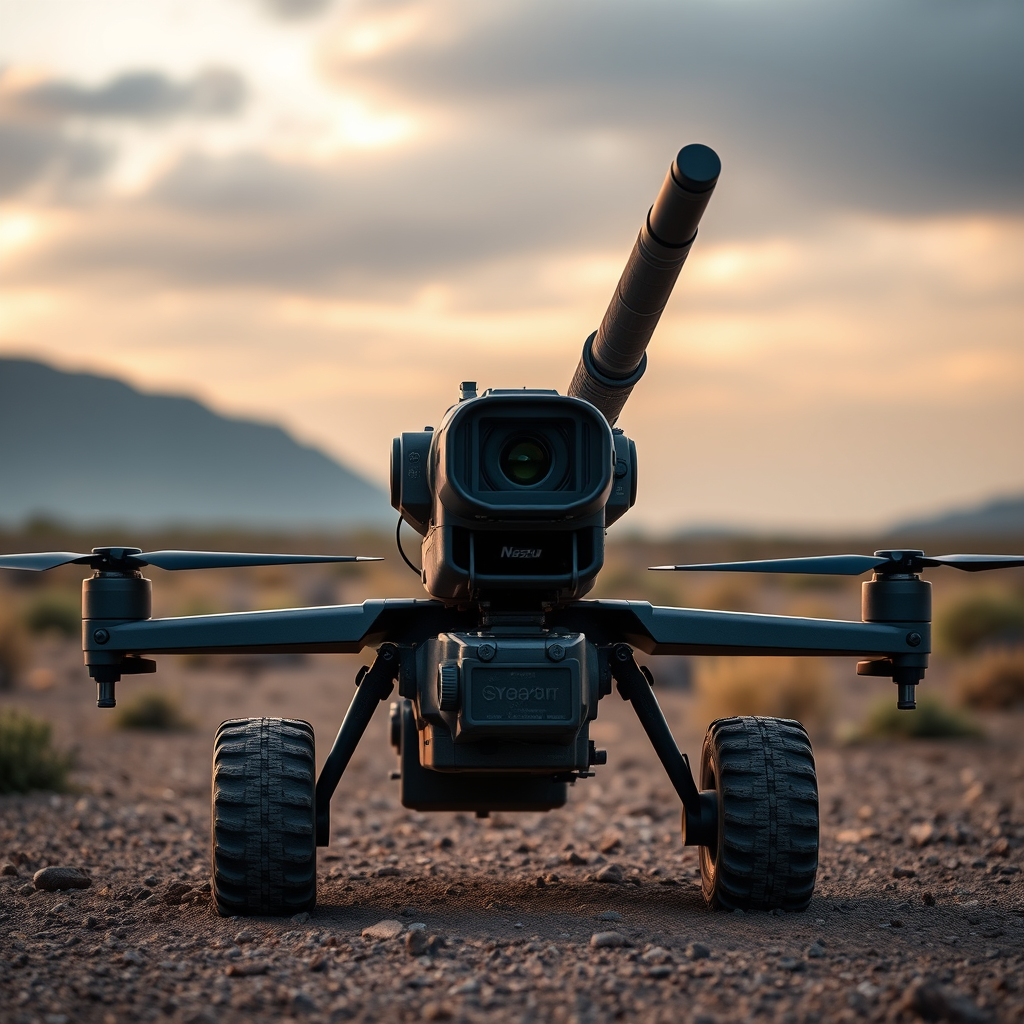
The Teal 2 drone is engineered with advanced imaging technology and versatile payload options that cater to a wide range of operational scenarios, including surveillance, reconnaissance, and data collection. With features such as high-resolution cameras and customizable payloads, the Teal 2 stands out for its adaptability to various mission requirements. Its design is focused on enhancing the user experience, making it suitable for both military and commercial applications.
In contrast, the Anzu Raptor V emphasizes a rugged design and military-grade specifications, positioning it as an optimal choice for tactical missions in challenging environments. Its construction is tailored for durability, ensuring that it can withstand harsh conditions while delivering reliable performance. The Anzu Raptor V is equipped with features specifically designed for combat support, making it ideal for military operations where resilience and dependability are paramount.
7km LTE Capabilities
When it comes to 7km LTE capabilities, the Teal 2 shines with its robust connectivity features, which facilitate seamless real-time data transmission over extended distances. This allows operators to maintain constant communication with the drone, ensuring that mission-critical information is relayed efficiently. The integration of LTE technology enables the Teal 2 to transmit high-definition video feeds and telemetry data, enhancing situational awareness and decision-making processes in the field.
The Anzu Raptor V, on the other hand, ensures reliable LTE communication even in challenging environments, such as urban areas or densely wooded terrains. Its design prioritizes maintaining operational integrity, with features that minimize signal degradation. This is particularly advantageous for military users who need to ensure uninterrupted communication during tactical operations. The Raptor V’s ability to maintain a stable connection even in adverse conditions makes it a preferred choice for missions requiring high reliability.
NDAA Compliance
Both the Teal 2 and Anzu Raptor V comply with the National Defense Authorization Act (NDAA) regulations, which govern the procurement of defense-related technology. However, their approaches to compliance may differ based on their design and functionality. The Teal 2 emphasizes modularity and flexibility, allowing operators to adapt the drone for various tasks while meeting NDAA standards. This adaptability is crucial for military and government users who require assurance that their equipment aligns with regulatory requirements.
The Anzu Raptor V, while also compliant, places a strong emphasis on military-grade components and design. Its construction is focused on meeting stringent defense standards, which can be critical for military applications. Understanding the implications of NDAA compliance is essential for users in the defense sector, as it ensures that the equipment they deploy is both lawful and mission-ready.
Tactical Applications
The Teal 2 is designed for versatility across numerous tactical applications. Its capabilities extend beyond basic surveillance, incorporating advanced imaging technologies that make it suitable for reconnaissance missions, border patrol, and even search and rescue operations. The drone’s ability to carry different payloads allows users to customize it for specific needs, enhancing its effectiveness in diverse scenarios.
In contrast, the Anzu Raptor V specializes in providing tactical support with features that enhance maneuverability and durability. Its design enables rapid deployment in combat situations, making it an invaluable asset for military operations that require quick response times and resilience against environmental challenges. The Raptor V’s focus on tactical applications ensures that it can handle the rigors of battlefield conditions, providing critical support to ground forces.
User Experience and Support
User experience is a significant consideration when evaluating these drones. The Teal 2 is known for its user-friendly interfaces and extensive training resources, which facilitate ease of operation for both novice and experienced users. The intuitive controls and comprehensive support materials ensure that operators can maximize the drone’s capabilities without extensive training, making it accessible for various users.
The Anzu Raptor V, while also user-friendly, places a strong emphasis on dedicated support for military clients. This includes operational training, field readiness assessments, and ongoing technical support tailored to meet the unique requirements of defense operations. The commitment to supporting military personnel ensures that users can effectively integrate the Raptor V into their tactical frameworks, enhancing overall mission success.
Cost Considerations
When it comes to cost considerations, evaluating the cost-effectiveness of each drone—both in terms of initial investment and long-term maintenance—is essential for potential buyers. The Teal 2 offers a range of pricing options based on its customizable features, allowing users to tailor their investment according to their specific needs and budget constraints. Its modularity also means that operators can upgrade components over time, further enhancing its value proposition.
Conversely, the Anzu Raptor V, while potentially higher in initial cost due to its military-grade specifications, may offer long-term savings through its durability and lower maintenance needs. Understanding the total cost of ownership, including potential operational downtimes and repair costs, can guide users in making informed purchasing decisions that align with their budget and operational requirements.
Summarizing the strengths and weaknesses of the Teal 2 and Anzu Raptor V provides clarity for potential buyers. While the Teal 2 excels in versatility and user-friendliness, the Anzu Raptor V shines in ruggedness and tactical specialization. Consider your specific operational needs and budget when making a decision. Explore further resources or consult with experts to ensure you choose the right drone for your tactical requirements.
Frequently Asked Questions
What are the main differences between the Teal 2 and Anzu Raptor V in terms of LTE and NDAA compliance?
The Teal 2 and Anzu Raptor V are both advanced drones designed for tactical applications, but they differ significantly in their compliance with the National Defense Authorization Act (NDAA). The Teal 2 supports a 7km LTE range, making it ideal for real-time data transmission and control over extended distances. In contrast, the Anzu Raptor V, also offering a 7km range, emphasizes NDAA compliance, which is crucial for government and military use, ensuring that sensitive data is protected and that the drone can be used in a variety of secure operations.
How does the battery life of the Teal 2 compare to the Anzu Raptor V?
Battery life is a critical factor for users of both the Teal 2 and Anzu Raptor V. The Teal 2 typically offers around 30-40 minutes of flight time under optimal conditions, making it suitable for longer missions. On the other hand, the Anzu Raptor V may provide slightly less flight time due to its advanced sensor payloads, averaging closer to 25-35 minutes. Users should consider their operational needs when selecting between these two options, as extended missions may favor the Teal 2.
Why is NDAA compliance important when choosing between the Teal 2 and Anzu Raptor V?
NDAA compliance is crucial for organizations that intend to use drones for government or military purposes, primarily due to security concerns. Drones that meet NDAA standards, like the Anzu Raptor V, ensure that they do not utilize components or software from entities deemed a threat by the U.S. government. This compliance protects sensitive information and maintains operational integrity. Conversely, while the Teal 2 offers robust capabilities, it may not meet these stringent requirements, potentially limiting its use in certain sensitive environments.
Which drone offers better imaging capabilities: Teal 2 or Anzu Raptor V?
When it comes to imaging capabilities, the Teal 2 is often favored due to its high-resolution camera options that provide excellent video quality, making it suitable for reconnaissance and surveillance operations. The Anzu Raptor V, while also equipped with advanced imaging technology, tends to focus more on specialized sensor integrations for specific tactical scenarios. Users should evaluate their imaging needs, such as thermal capabilities or zoom levels, to determine which drone best meets their operational requirements.
What are the typical use cases for the Teal 2 and Anzu Raptor V in tactical operations?
Both the Teal 2 and Anzu Raptor V are designed for tactical operations, but they serve slightly different purposes. The Teal 2 is often used for general surveillance, search and rescue missions, and real-time situational awareness due to its extensive range and imaging capabilities. In contrast, the Anzu Raptor V is typically employed in environments requiring NDAA compliance, such as military training exercises and border patrol operations, where secure data transmission is critical. Understanding these use cases can help users select the most appropriate drone for their specific needs.
References
- LTE
- https://www.defense.gov/Explore/News/Article/Article/2038813/
- Federal Communications Commission | The United States of America
- Publications | NIST
- https://www.sciencedirect.com/topics/engineering/long-term-evolution
- https://www.techrepublic.com/article/what-is-lte-4g/
- https://www.wired.com/category/tech/
- Tech | The Verge
- News – CNET
- BBC Technology | Technology, Health, Environment, AI
