
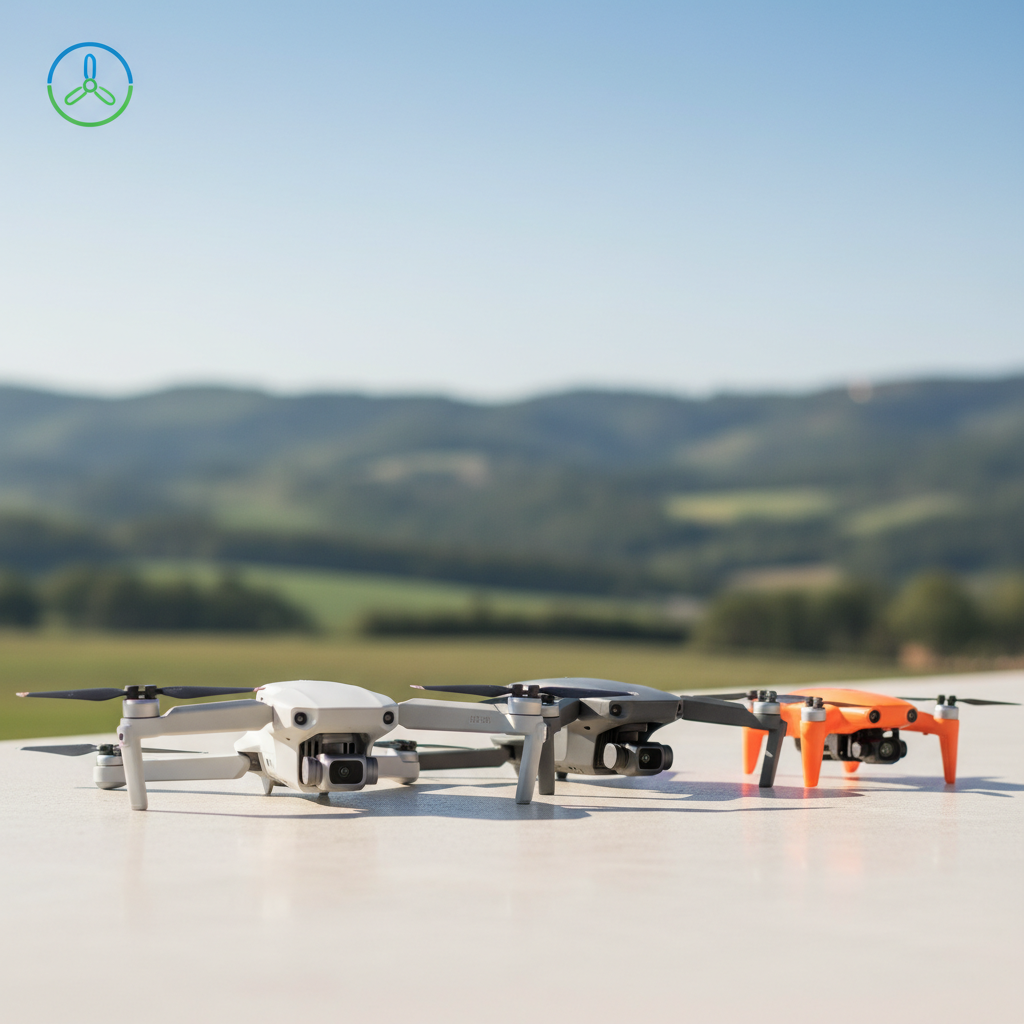
If you’re a beginner looking to enter the world of drone flying, the best drones for you are typically user-friendly, affordable, and equipped with beginner-friendly features. Drones like the DJI Mini SE and Holy Stone HS720 stand out as excellent options, offering intuitive controls and impressive capabilities that ease newcomers into the hobby. In this guide, we’ll explore some top choices that cater specifically to those just starting out, alongside essential insights to ensure a smooth flying experience.
Understanding Drone Categories
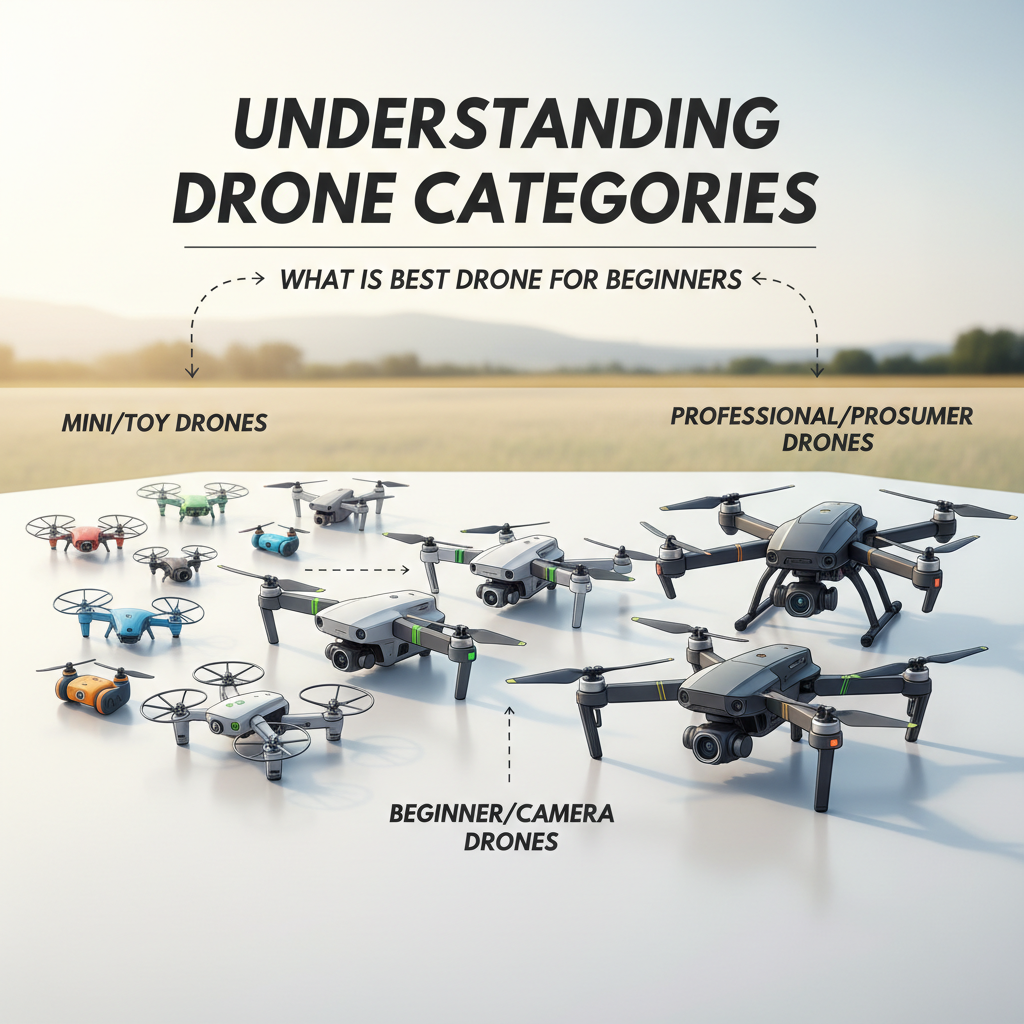
When entering the drone market, it’s crucial to understand the different types available.
– Quadcopter vs. Fixed Wing: The most common type of drone for beginners is the quadcopter, which features four rotors. Quadcopter drones are generally easier to maneuver, can hover in place, and have a smaller learning curve, making them suitable for beginners. In contrast, fixed-wing drones resemble small airplanes and can cover long distances quickly but are more challenging to control and require more open space for takeoff and landing. For beginners, quadcopters are the recommended choice due to their stability and ease of use.
– Camera Drones: Many beginners are attracted to drones equipped with cameras, as they can capture stunning aerial footage and photographs. Starting with a camera-equipped drone not only enhances the flying experience but also provides an opportunity to learn about photography and videography from a unique perspective. Camera drones often come with features like stabilization, which helps to produce clearer images, making them ideal for novices who want to document their aerial adventures.
Key Features to Look For
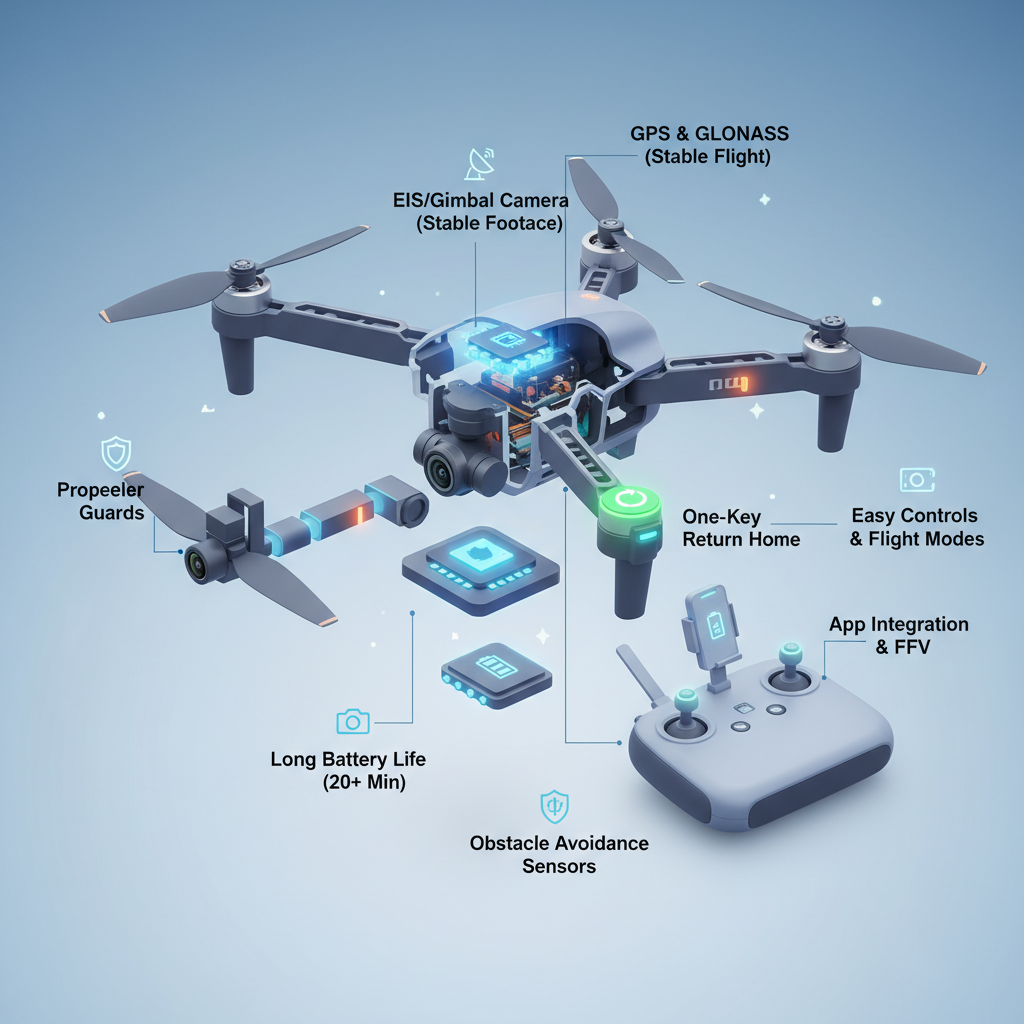
When selecting a drone, certain features can significantly enhance the experience for a beginner.
– Ease of Use: An intuitive control system is paramount for new pilots. Many beginner drones come equipped with features such as automatic takeoff and landing, altitude hold, and one-key return to home. These functionalities allow novices to concentrate on flying rather than struggling with complex controls. Additionally, drones with built-in stabilization technology can help prevent shaky footage and promote smoother flying experiences.
– Battery Life: Flight time is a critical consideration for beginners. Most entry-level drones offer flight times ranging from 8 to 20 minutes, which can vary based on conditions and usage. It’s advisable to look for drones that provide extra batteries or quick charging options, ensuring you can enjoy extended flying sessions without long interruptions. Understanding battery life helps manage expectations and allows beginners to plan their practice sessions effectively.
Top Drone Recommendations
Choosing the right drone can make all the difference for beginners. Here are two standout options:
– DJI Mini SE: This drone is lightweight, compact, and user-friendly, making it a top choice for beginners. Weighing just 249 grams, the Mini SE does not require FAA registration, and its impressive flight time of up to 30 minutes allows for extended practice. The 12MP camera shoots 2.7K video, providing high-quality imagery while also featuring GPS-assisted flight modes, such as Follow Me and Point of Interest, which help beginners learn how to navigate effectively.
– Holy Stone HS720: Known for its excellent camera quality and GPS features, the Holy Stone HS720 is another great option for novice pilots. It boasts a 4K camera with a 90-degree adjustable lens, allowing users to capture stunning aerial footage. The drone’s GPS-assisted intelligent flight features, including auto-return and follow-me modes, make it simple for beginners to take off with confidence. Additionally, the HS720 has a flight time of about 26 minutes, providing ample opportunity to refine piloting skills.
Safety Considerations for New Drone Pilots
As a new drone pilot, understanding safety regulations and conducting pre-flight checks is essential.
– FAA Regulations: Familiarizing yourself with the Federal Aviation Administration (FAA) regulations is crucial for legal and safe flying. Beginners must know that drones must be flown below 400 feet, kept within the pilot’s line of sight, and must not be flown over people or moving vehicles. Additionally, certain areas, like airports, are restricted zones. Understanding these basic rules will ensure compliance and safety while flying.
– Pre-Flight Checklists: Before each flight, conducting a pre-flight checklist is vital. This checklist should include checking battery levels, ensuring that the drone’s firmware is up to date, inspecting the propellers for damage, and confirming GPS connectivity. Taking these steps helps prevent accidents and ensures a smoother flying experience, especially for beginners who may still be learning the ropes.
Tips for First-Time Flyers
To help new pilots gain confidence, here are some practical tips:
– Start in Open Areas: Choosing the right location for practice is essential for safety and skill development. Open fields or designated drone parks are ideal spots for beginners, as they provide ample space to maneuver without the risk of crashing into obstacles. Starting in an unobstructed area allows for experimentation with flight controls and helps build muscle memory.
– Practice Basic Maneuvers: Focus on mastering basic maneuvers such as takeoff, landing, hovering, and turning. Simple exercises like flying in a square pattern or figure-eight can help develop a better sense of control and spatial awareness. As skills progress, beginners can gradually incorporate more complex maneuvers and flight techniques.
Troubleshooting Common Issues
Even experienced pilots encounter problems, but beginners can learn to troubleshoot common issues effectively.
– Connection Problems: Maintaining a stable connection with your drone is crucial. To avoid connection issues, ensure that the remote control and drone batteries are fully charged before flying. Additionally, keep the drone within the recommended range, and avoid flying in areas with high electromagnetic interference, such as near power lines or cellular towers.
– Battery Issues: Battery life can be a concern for beginners, especially during extended flights. To maximize battery life, avoid aggressive maneuvers that require rapid acceleration or altitude changes. Regularly check the battery’s health and replace it if you notice a significant decrease in performance. It’s also helpful to have extra batteries on hand to ensure longer flying sessions.
Choosing the right drone as a beginner can set the stage for an enjoyable flying experience. The DJI Mini SE and Holy Stone HS720 are excellent options that provide a combination of ease of use, quality features, and safety considerations. By understanding drone categories, focusing on key features, adhering to safety regulations, and practicing diligently, beginners can enhance their flying skills. Following these guidelines will pave the way for a rewarding journey into the exciting world of drone flying. Happy flying!
Frequently Asked Questions
What features should I look for in the best drone for beginners?
When searching for the best drone for beginners, look for features such as user-friendly controls, stable flight performance, and a durable design. Additionally, drones with built-in GPS, automated takeoff and landing, and obstacle avoidance systems can greatly enhance the flying experience. A decent camera for aerial photography and a good flight time of around 10-20 minutes are also important considerations.
How much should I spend on a beginner drone?
The price range for beginner drones typically falls between $100 to $500. For casual users, drones priced under $300 often provide excellent value, featuring adequate cameras and easy-to-use controls. However, if you’re looking for higher-quality features like advanced stability, longer flight times, or better cameras, investing in a drone closer to the $500 mark may be worthwhile.
Why is it important to choose a beginner-friendly drone?
Choosing a beginner-friendly drone is crucial because it ensures a smoother learning curve, reduces frustration, and enhances safety while flying. A drone designed for beginners typically comes with intuitive controls, stability features, and safety mechanisms that prevent crashes. This allows new pilots to focus on mastering basic flying skills without the risk of damaging expensive equipment.
Which brands are known for the best drones for beginners?
Some of the most reputable brands for beginner drones include DJI, Holy Stone, and Potensic. DJI offers models like the Tello, which is known for its compact design and reliable performance. Holy Stone and Potensic provide several affordable options with user-friendly features, making them ideal for those just starting their drone-flying journey.
What are the best beginner drones with cameras?
The best beginner drones with cameras include the DJI Tello, Holy Stone HS110D, and Potensic D80. The DJI Tello features a high-quality 720p camera and easy-to-use flight modes, making it perfect for new pilots. Holy Stone HS110D offers a 1080p HD camera and is equipped with features like altitude hold, while the Potensic D80 combines a 1080p camera with GPS capabilities, ensuring stable and enjoyable flying experiences.
References
- https://en.wikipedia.org/wiki/Drone
- https://www.techradar.com/news/best-drones
- https://www.wired.com/story/best-drones/
- https://www.faa.gov/uas/getting_started/
- https://www.nytimes.com/2021/08/23/technology/drones-beginners.html
- https://www.nationalgeographic.com/science/article/how-to-pick-the-best-drone-for-you
- https://www.consumerreports.org/drones/best-drones-for-beginners-a7940306925/
